

Why Do Lids for Beverage Need BPANI Compliance?
2026-08-27
Lids for beverages https://www.threefoodcan.com/aluminum-lids/lids-for-beverage require BPANI compliance because this regulatory framework protects consumers from harmful chemical migration, particularly Bisphenol A and Non-Intentionally Added Substances (NIAS), which can leach from packaging materials into drinks. When food-contact surfaces fail to meet stringent safety thresholds, even trace contaminants pose health risks. For procurement managers sourcing closures for coffee, milk, or carbonated beverages, BPANI compliance isn't optional—it's the foundation of product safety, brand integrity, and market access across regulated territories like the United States and the European Union.
Types of Beverage Lids and Their Compliance Challenges
Plastic Closures: Polypropylene and Polystyrene
Plastic is still the most common material for disposable closures because it is easy to shape and doesn't cost much. Polypropylene (PP) Lids for Beverage Containers work great in high-heat situations and keep their shape above 100°C. But PP's porous structure can trap stabilizers or plasticizers, which may move if heated for a long time. Polystyrene (PS) is hard and snaps together well, but it is brittle and can migrate styrene monomer, which has caused problems in European markets and pushed many brands to find options that are safer.
Aluminum Closures: The Gold Standard
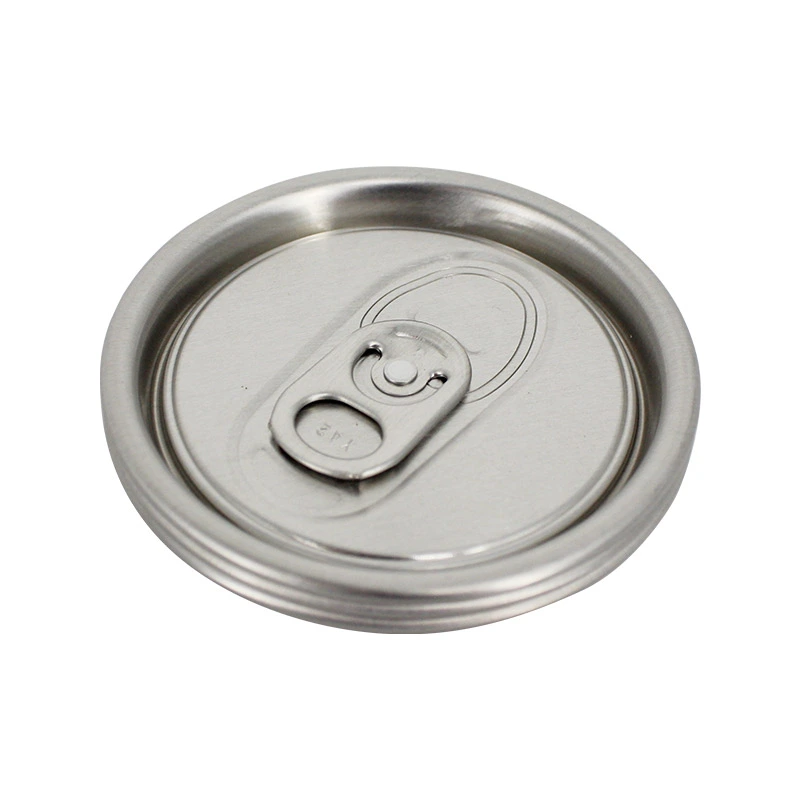
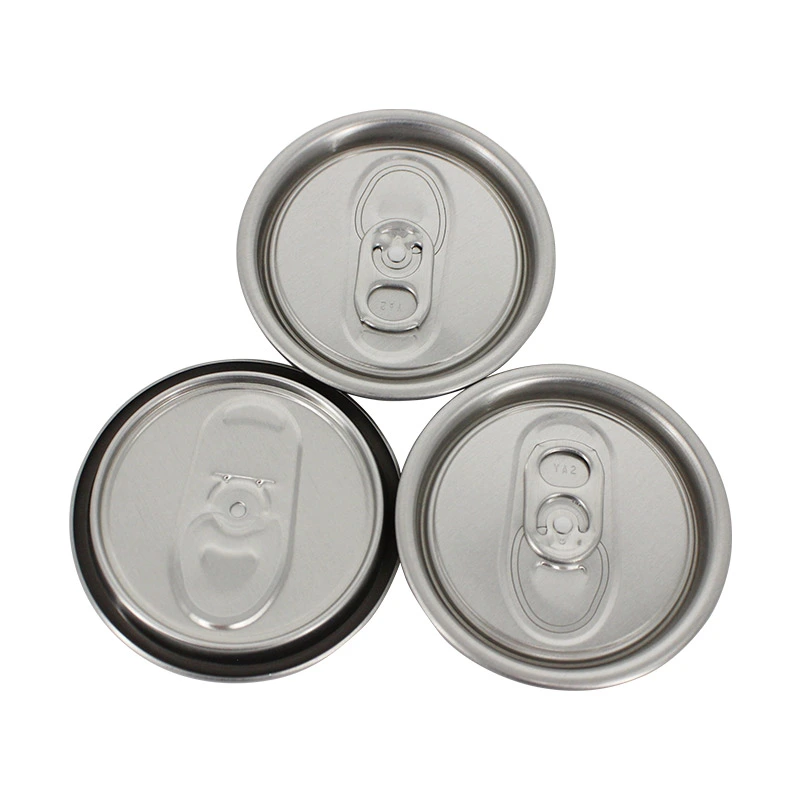
When it comes to coffee, milk, and beer packaging, aluminum seals are the best option. Three's round metal closures, which come in sizes from 50 mm to 99 mm, are both durable and easy to recycle. The BPA-free plain lacquer coating on the inside keeps metal from touching liquid, and the golden or gray coating on the outside makes it look brand-ready. Aluminum's ability to keep out gases and moisture means that food stays fresh for longer, and the fact that it can be sterilized in a retort makes it perfect for making aseptic drinks. Because they are ISO9001 certified and come with all the paperwork you need to prove compliance, these closures meet the strictest standards for buying things.
Fiber-Based and Biodegradable Options
New fiber-based closures are appealing to brands that care about the environment, but getting them to comply with BPANI rules is hard from a technical point of view. Moisture protection needs barrier coats, which used to be made of PFAS-based materials but are now being looked at more closely by regulators. Newer biopolymer coatings made from plant starches might be flexible, but it's still not clear how well they work when they come into contact with hot liquids. When purchasing teams look at these new ideas, they need to make sure that the safety and environmental claims hold up in the real world by asking for extended leaching studies and compostability certifications.
Real-World Compliance Pitfalls
In 2022, a big company that sold drinks had to return some of its products because BPA levels in the caps were higher than 0.05 mg/kg, which is ten times the EU limit. The problem was traced back to a coating source that used an unapproved resin instead of the permitted one when there wasn't enough of the original material. This event shows why procurement managers need to check not only the lid makers' supply chain, but also the whole thing, and demand that they can be tracked all the way back to the batches of coating formulation.
Benefits of Choosing BPANI Compliant Beverage Lids for B2B Procurement
Consumer Safety as the Foundation
Chemical pollution events destroy consumer trust forever. When your brand's name is on a product that is linked to health problems, it takes years of work and millions of dollars to fix the problem. BPANI-compliant Lids for Beverage goods get rid of this risk right where it starts, making sure that every closing meets toxicological safety standards that have been proven by independent testing. For private-label makers, this guarantee of safety becomes a key way to set their brand apart in crowded stores.
Legal Risk Mitigation and Market Access
Not following the rules has effects beyond damage to your image. In the US, fines for breaking the rules can reach hundreds of thousands of dollars per offense. In the EU, goods that don't follow the rules can't reach 450 million customers because they are banned from the market. Compliant closures make it easier to get goods through customs, cut down on testing delays, and let big buyers (like hospitals, schools, and government buildings) buy materials that must be approved for use with food. We're not just sending closures with full compliance paperwork when Three does this; we're also giving you entry to the market.
Sustainability Alignment and Circular Economy
Environmental laws and modern safety rules are becoming more and more similar. Aluminum closures are a good example of this convergence because they can be recycled through regular waste streams, they are light so they don't add to pollution during transport, and they last long enough that they could be used again in closed-loop systems. With widths ranging from 50mm to 99mm, our Aluminum Lids for Beverage Containers help brands place themselves as environmental leaders. Low MOQ flexibility means that even smaller brands can get high-quality, compliant packaging without having to make huge inventory commitments. Switching to legal seals also protects your supply chain against rules that get stricter in the future. What's okay today might not be okay tomorrow, and rushing to find suppliers after the fact costs a lot more than building partnerships with trusted ones ahead of time.
How to Choose BPANI Compliant Beverage Lids: A B2B Buyer's Guide
Defining Your Procurement Requirements
To begin, make a list of all of your products and how they fit with the closing requirements. For hot coffee use (usually 85–90°C at fill), heat-deflection values above 100°C are needed. For carbonated drinks, designs that can withstand 3–4 bar of internal pressure and still keep the seal intact are needed. Based on your volume forecasts, you can decide if you need project-based buying or ongoing supply partnerships. At Three, our low MOQ advantage lets us handle both test market launches and annual contracts for 600 million units, so we can be flexible with procurement at all stages of a product's lifecycle.
Verifying Supplier Certifications
Ask for detailed proof that goes beyond simple claims of compliance. Get copies of the FDA Food Contact Notification (FCN) letters, the EU 10/2011 Declarations of Compliance, and the most recent migration test reports from labs that have been approved. Check for ISO9001 approval, which Three has, as proof of a quality management system that can always follow the rules. Ask your suppliers where they get their coatings from and if they keep backup formulations to avoid supply-chain substitutions that lead to recalls.
Comparing Material Performance and Total Cost
Unit price at the start doesn't tell the whole story. Check for leak rates, which cause product loss and customer complaints; heat performance, which affects fill-line speeds and pasteurization compatibility; and stackability, which affects the cost of warehouse space. Aluminum seals may cost more per unit than plastic ones, but their ability to stop leaks and high-end brand image often make them more valuable overall. Before committing to large orders, ask for samples, which Three gives away for free, and do side-by-side tests in your actual production environment.
Building Strategic Supplier Partnerships
Compliance isn't a box that you check once; it's a process that everyone works on all the time. Pick suppliers that tell you about changes to regulations ahead of time, offer expert help while you're making a product, and keep clear audit trails. Our team at Three works directly with procurement managers to make sure that every closure batch ships with compliance documentation that is specific to the lot. This way, if testing later on finds problems, we can respond quickly. With this partnership approach, suppliers go from being just vendors to being strategic assets that protect your brand's reputation.
Best Practices for Managing BPANI Compliant Lid Procurement and Inventory
Implementing Robust Batch Tracking Systems
When modern ERP systems receive finished goods, they should record the closure lot numbers and connect them to the batches of finished goods that are being sent out. Precise traceability makes it possible for surgical responses when a compliance question comes up, whether it's from internal testing or a regulatory inquiry. Instead of starting massive recalls that cost millions of dollars, we can quickly find the affected batches. Three's digital documents and batch-coded packing make it easy to connect to your tracking system.
Storage and Handling Protocols
Closures that are compliant can only keep their approval if they are kept correctly. Aluminum closures can handle changes in temperature well, but the humidity needs to be controlled to keep the coatings on the outside from rusting. Direct sunshine can break down UV stabilizers and change how migration works, so plastic seals need to be kept out of direct sunlight. Setting up a first-in, first-out rotation will keep old stock from going beyond the recommended shelf life of 18 to 24 months for most closure types. Your safety investment is safe from the moment containers arrive at your dock, as long as you train your warehouse staff on these handling rules.
Continuous Supplier Performance Monitoring
Set up annual audits of your suppliers that cover their production facilities, quality labs, and where they get their raw materials. As signs of compliance, look at the number of complaints, the percentage of on-time deliveries, and the truth of the paperwork. Changes that happen quickly, like new paint suppliers, building moves, or quality staff turnover, need more attention and maybe even retesting before full-scale orders can be placed again. Three has a stable workforce of over 300 employees and a long-standing facility in the Linyi Economic and Technological Development Zone. This gives procurement teams the stability they need to make long-term plans.
Staying Ahead of Regulatory Evolution
As toxicity science moves forward, so do the rules. Join trade groups, subscribe to industry newsletters, and keep in touch with regulatory consultants who keep an eye on FDA, EFSA, and state-level initiatives. For instance, California's Proposition 65 has stricter warning rules that can change compliance tactics even for goods that meet federal standards. If your suppliers keep an eye on these changes and share their findings with you during quarterly business reviews, you can plan ahead for legal changes instead of reacting to them. Collectively, these practices turn compliance from a protective cost center into a competitive benefit. They do this by lowering risk and improving the efficiency of the supply chain.
Conclusion
BPANI compliance in Lids for Beverage applications is more than just checking off the right boxes for regulations. It's where consumer safety, brand protection, and market access all come together. As rules for buying materials get more complicated, procurement managers have to make choices like which approved seals to use that affect everything from the time it takes to make a product to its ability to be shipped around the world. Aluminum lids that meet ISO9001 standards and have paint coats that don't contain BPA have been shown to work well with coffee, milk, beer, and fizzy drinks. B2B buyers can turn purchasing packaging from a transactional necessity into a value-creating function that protects consumers and improves competitive positioning in markets that are changing quickly by working with suppliers who value transparency, maintain strict quality systems, offer flexible MOQs, and provide full compliance documentation.
FAQ
What specific tests verify BPANI compliance?
Migration testing checks how substances move from closures to food-like substances like water, acidic solutions, alcohol, or oil, while temperature and time are carefully controlled. Accredited labs use methods like LC-MS/MS (liquid chromatography-mass spectrometry) to measure BPA and NIAS levels according to EN 13130 or FDA guidelines. The results have to be less than the legal limits, which are 0.05 mg/kg for BPA in the EU and similar limits for other chemicals in the FDA. Every large order from Three comes with a full test record.
Can biodegradable lids meet BPANI standards?
When made with approved biopolymers and coatings, biodegradable Lids for Beverage Containers can meet compliance standards. The problem is how well the barriers work; plant-based materials often need extra ingredients to match the gas and moisture resistance of petroleum-based plastics. So that environmental claims don't put food safety at risk, procurement teams should ask for both migration tests and compostability certifications (BPI or DIN CERTCO). New closures built on PLA and PHA show promise, but they still need to be tested for function.
How do I verify my supplier's compliance claims?
Ask for Certificates of Compliance, FDA FCN or EU Declaration of Compliance papers, and third-party lab results from the last year. Check supplier certificates against the online records of the organizations that issued them. You might want to hire independent testing labs to check the samples you send them. Manufacturers with a good reputation, like Three, keep records that are ready for audits and welcome visits from buying teams to check the quality systems directly.
Partner with Three for Certified Beverage Closure Solutions
Three has all the options that procurement workers looking for a reliable Lids for Beverage provider could want. Our Linyi factory is ISO9001-certified and makes aluminum closures with diameters from 50mm to 99mm for use with coffee, milk, beer, and carbonated drinks. The item numbers for these closures are 200#, 202#, 211#, 300#, 307#, and 401#. Each closure has a normal lacquer inner coating that is BPA-free, a golden or gray outer finish that is ready for custom printing, and a smooth construction that stops leaks during storage and transport. We can make 2 billion closures a year, and we offer free samples and adjustable low MOQs to help both high-volume wholesalers and new private-label brands. Our expert team works directly with procurement managers to make sure that material certifications meet the needs of your market, and batch-coded paperwork makes it easy to find out where something came from. Email us at info@threefoodcan.com to talk about your compliance needs and get samples of our products that show how committed we are to quality, safety, and partnership. You can see our full line of products at threefoodcan.com, where you can also learn about how Three's 270,000-square-meter facility can help you protect your business and meet the strictest legal requirements.
References
1. European Food Safety Authority. (2023). "Scientific Opinion on Bisphenol A: Re-evaluation of Human Exposure and Risk Assessment." EFSA Journal, 21(4), e06857.
2. U.S. Food and Drug Administration. (2022). "Food Contact Substances: Regulations and Guidance for Manufacturers." FDA Center for Food Safety and Applied Nutrition.
3. American Chemistry Council. (2023). "Migration Testing Protocols for Food Contact Materials: Industry Standards and Best Practices." Plastics Division Technical Report.
4. Packaging Europe Magazine. (2023). "Aluminum Closures in Beverage Packaging: Sustainability Meets Performance." Vol. 18, Issue 3, pp. 42-48.
5. International Organization for Standardization. (2022). "ISO 9001:2015 Quality Management Systems: Requirements and Implementation in Food Packaging." ISO Technical Committee Report.
6. Society of Plastics Engineers. (2023). "Chemical Migration from Polymer Closures: Temperature and Time-Dependent Leaching Studies." SPE Annual Technical Conference Proceedings, pp. 112-127.
YOU MAY LIKE