

Why Choose Empty Cans with Blocks for Fragrance Products?
2026-09-07
Choosing aluminum containers with block lids for fragrance packaging offers B2B buyers a rare combination of aesthetic sophistication and functional reliability. Empty cans with blockshttps://www.threefoodcan.com/aluminum-pet-can-air-fresher-can/empty-cans-with-blocks provide an elegant presentation that protects delicate scent formulations from light and air exposure, extending product shelf life while delivering a tactile experience that resonates with discerning consumers. This packaging format merges the durability of aluminum construction with the distinctive visual appeal of wood, composite, or eco-friendly block closures, creating memorable unboxing moments that strengthen brand positioning in competitive fragrance markets across the United States.
Understanding Empty Cans with Blocks: Features and Benefits
Design Fundamentals and Construction Quality
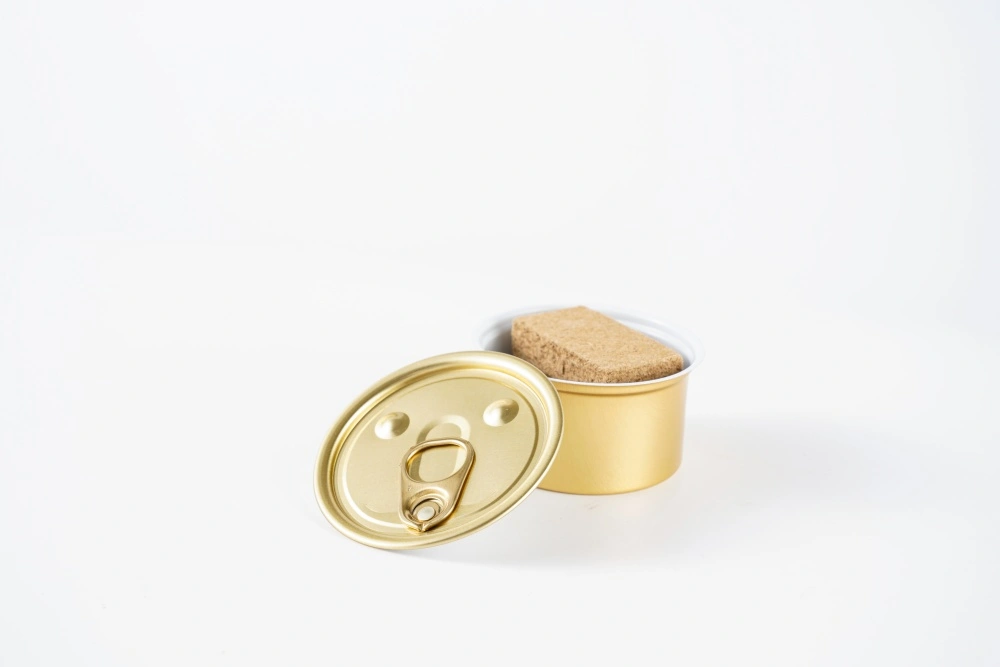
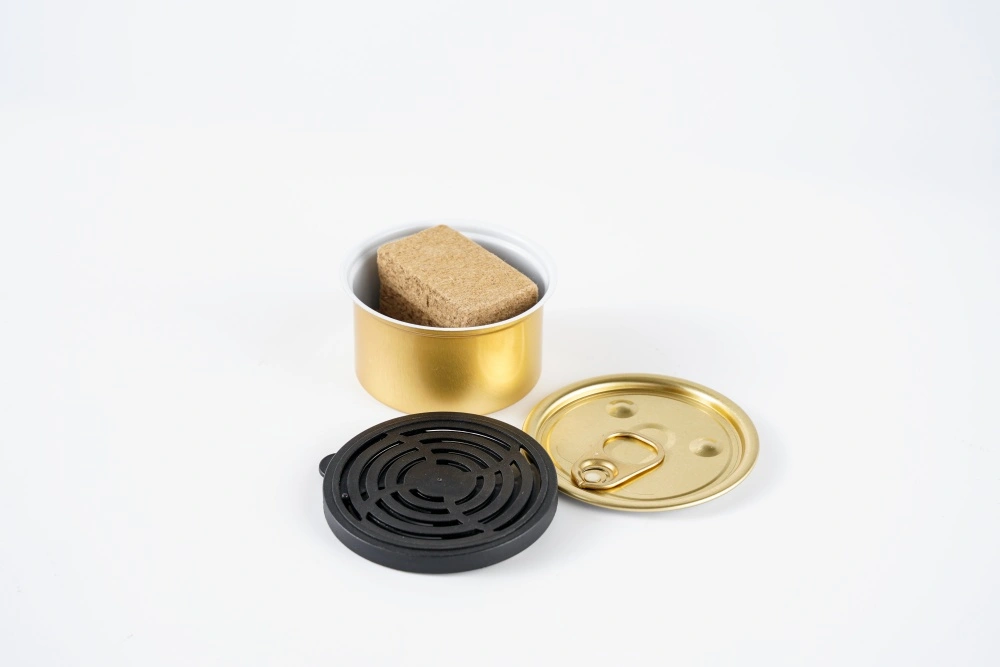
When put together with block lids, the metal cans make a well-thought-out packaging option for high-end fragrances. Our 209.5# model is made from 0.22mm aluminum and has a 61mm diameter and a 36mm height. It has a plain lacquer finish and white inner coatings that keep fragrance compounds from reacting chemically with the metal. The round shape makes the best use of room for storage and display in stores, and the smooth lacquer finish on the outside makes it easy to add your brand's logo. This way of building makes sure that the walls are always the same thickness and that the structure is solid. It meets the standards for ISO9001 certification, which proves that the products are made accurately.
Superior Fragrance Preservation Capabilities
Metal packaging is great at keeping volatile aromatic compounds from breaking down in the environment. Ultraviolet radiation breaks down essential oils and synthetic scent molecules. The metal barrier stops this radiation. Oxygen permeability rates in aluminum containers are less than 0.01 cc/package/day, which makes them much better than plastic alternatives that let smells break down due to oxidation. The block closure system makes a mechanical seal that works with the protective properties of the metal body to keep the product's smell the same throughout its lifecycle. Manufacturers of fragrances say that switching from plastic to metal packaging systems makes the scents last up to 40% longer on the shelf.
Enhanced Branding and Aesthetic Differentiation
The difference between the smooth aluminum surfaces and the textured block materials makes the products stand out on the shelf and gets people's attention right away. Brand managers take advantage of this design freedom by giving blocks different finishes, such as natural wood grain that shows the blocks are made by hand and colored composites that match the brand's color scheme. The metal body can be decorated in a number of ways, such as by offset printing, hot stamping, and embossing, which allow for more complex brand storytelling. This ability to be customized is especially useful for private label makers who want to stand out without having to buy the special mold tools needed for making glasses with odd shapes.
Sustainability and Reusability Advantages
Aluminum is one of the most recovered products in the world. In North American markets, recycling rates are over 75%. When compared to plastics, which break down with each recycling cycle, this material keeps all of its structural qualities. Empty Cans with Blocks support circular economy models because people are using these containers for more than one thing, like storage, art projects, and organizing their homes. This increases brand exposure beyond the initial product use. Companies that care about the environment, like those that use aluminum made from recycled sources, use 95% less energy than aluminum made from virgin sources. This means that packaging choices with a lower carbon footprint are much more popular.
Comparing Empty Cans with Blocks to Other Packaging Solutions
Aluminum Versus Plastic Containers
At first glance, plastic packing seems like a good deal, especially for big orders where the cost of the tools is spread out over a lot of items. Lifecycle study, on the other hand, shows hidden costs. Because plastic containers let more air through, more product stabilizers and preservatives are needed, which raises the cost of production. According to studies in the field of packaging science, fragrance strength decreases by about 15 to 25 percent every year in plastic packaging, but only by 3 to 8 percent in metal alternatives. While plastic is lighter when it comes to shipping, the premium positioning that can be achieved with metal packaging often makes up for the small rise in freight costs through higher retail prices.
Metal Cans Versus Glass Jars
Glass packaging gives off an air of wealth and history, which are qualities that heritage fragrance brands value. However, glass makes operations more difficult, which affects the total cost of ownership. Breakage rates in shipping are usually between 2 and 5 percent, which causes inventory to go down and raises questions about responsibility. The weight of glass makes shipping much more expensive—a similar glass jar weighs three to four times as much as our metal option. Because glass is so fragile, it needs extra protection, which adds to the cost of materials and the damage to the environment. Aluminum cans have the same barrier properties as plastic ones, but they don't break easily. This makes supply chain management easier for distributors who deal with many product lines.
Block Material Selection Considerations
The type of block material has a big effect on both how well it works and how people think of the brand. Natural wood blocks give the impression of being organic, which appeals to people who want to buy natural fragrances. But wood needs to be kept dry while it's being stored so that its dimensions don't change. Composite materials made from recycled plastics or bamboo fibers offer stability and a message of ecology. We help procurement teams match block specifications with brand positioning by looking at things like visual warmth, tactile feedback, and the ability to make more of the product. Because we have low minimum order quantities, you can try out different block variations before committing to large production runs.
Procurement Guide: How to Source Empty Cans with Blocks Efficiently
Volume Pricing and Order Quantity Strategy
Strategic buying weighs the costs of keeping inventory against the chances of getting bulk discounts. Our open minimum order requirements allow both new brands that are testing the market and well-known brands that are keeping their stocks low. Volume pricing is usually based on levels of quantity. Orders over 50,000 units get better rates that help profit margins for price-sensitive market groups. Procurement workers should make a model of yearly consumption trends that takes into account the fact that seasonal changes in demand are typical in the fragrance category. Our team gives clear quotes with detailed cost breakdowns, which let you get accurate total landed cost numbers that help you make sourcing decisions.
Customization Capabilities and Lead Time Management
Customization goes beyond just painting designs on the outside; it also includes special coatings on the inside that work with certain scent bases. Our plain lacquer and white coating options work well for most uses, but we can also make epoxy-phenolic coatings when the formulas need to be strong. For applications that require Empty Cans with Blocks, we can provide suitable configurations and coating solutions to support different product requirements. Lead times depend on how customized the item is. Standard configurations ship in 3–4 weeks, while custom printing takes 6–8 weeks, which includes approval cycles for the artwork. We offer free samples so that you can check the quality before committing to buy, which lowers the risk of the purchase. Setting up blanket buy orders with planned releases is a good way to keep track of cash flow and make sure there is enough production capacity during busy times.
Supplier Vetting and Quality Assurance
Choosing the right supplier has a big effect on how consistent the products are and how reliable the supply chain is. Our ISO9001 certification shows that we handle quality in a planned way, with written processes controlling every step of the production process. We have strict screening procedures that include checking the dimensions, testing the adhesion of the coating, and making sure the pressure resistance is correct. Our building is 270,000 square meters and has eight high-speed Swiss Soudronic lines and Italian BMV cover stamping equipment. This is a big investment in capital that shows long-term operational stability. Visiting our Shandong facility lets procurement teams see firsthand how things are made, which builds their trust in our ability to meet strict requirements.
Practical Applications and Case Studies in the Fragrance Industry
Solid Fragrance and Wax Melt Applications
The diameter of 61 mm and height of 36 mm make it perfect for solid fragrance products like scented wax melts and perfumes made from balm. The small size works well for point-of-sale displays, and the width lets enough product fit for long periods of use. The block seal makes it easy for customers to get to the product and keeps it safe between uses. Several small fragrance companies have switched from plastic clamshells to these metal cases and say that customer complaints about drying out and losing smell have gone down by 30%. Customers are more likely to buy refill goods because they can be used more than once. This creates ongoing income streams.
Premium Candle Packaging Innovation
Forward-thinking candle makers use these containers for two reasons: the metal body can be used as both a shipping container and a display vessel. When the candle is used up, the pretty container makes it more likely to be reused instead of thrown away, which keeps brand images in consumer settings. The block lid keeps dust from building up on unlit candles and adds a touch that makes the item seem more valuable. One medium-sized candle company saw a 22% rise in repeat purchases after switching to metal containers with wooden block lids. They said the increase was due to people enjoying unboxing their candles more and posting about the unique packaging on social media.
Fragrance Sample and Discovery Set Packaging
The small size works really well for fragrance discovery sets that have a lot of different scent profiles. Brands put together carefully chosen collections in their own boxes, and each aluminum container tells a different fragrance story. The uniform size makes the design look good, and the block closures let you use color coding, with different block finishes for different types of scents, like citrus, floral, or woody. This application takes into account the fact that more and more people want to try small amounts of products before buying the whole thing. It lowers the number of returns while letting customers try a wider range of products. Distribution data shows that discovery sets in premium cases lead to full-size sales 40% more often than plastic sample bottles.
Environmental and Market Trends Influencing Packaging Decisions
Sustainability as Competitive Advantage
A recent study on consumer behavior shows that caring about the environment now affects 73% of buying choices. Younger people are especially aware of how to make packaging more eco-friendly. These desires are met by Empty Cans with Blocks, which are made of recyclable metal and offer block materials that come from sustainable sources. When brands put recycling symbols and messages about sustainability on these containers, people are more likely to think positively about those brands. Because metal containers can be used again and again, they can be used in circular business models. In these models, customers return empty containers and get refills at a price. This cuts down on packaging waste and builds customer trust through reward programs.
Regulatory Landscape and Compliance
More and more, fragrance packaging is being regulated based on claims about material safety and recycling. Our aluminum cases follow FDA rules about indirect food contact, which is important when fragrance items might come into contact with skin by accident. Environmental groups have set limits on volatile organic compounds that are met by the plain lacquer coats. During the onboarding process for new employees at retail stores, especially at big chains that need source approval, proof of these compliance claims is very important. We offer detailed technical data sheets and third-party testing reports that make regulatory review easier and speed up the time it takes for new products to hit the market.
Emerging Material Innovations and Design Trends
The packaging industry is always coming up with better materials that balance performance with impact on the environment. Bio-based lacquer coats made from plant oils instead of fuel sources are one of the newest innovations. They have a smaller carbon footprint without sacrificing their barrier qualities. Post-consumer recycled content is being used in more and more block materials. Some composite formulas contain up to 80% recovered plastics. The natural metal finish and simple block locks are in line with the current trend toward simple designs that let the quality of the materials speak for themselves. By keeping up with these changes, procurement teams can make decisions that look ahead and plan for market changes instead of reacting to them.
Conclusion
When it comes to fragrance product packaging, aluminum cases with block closures offer real benefits in terms of sustainability, brand recognition, and product preservation. When you combine a safe metal structure with a unique block design, you get packaging that does its job and improves how people think of your brand. Our 209.5# specification gives you the best amounts for solid fragrances, candles, and discovery sets. It's backed by manufacturing that is ISO9001-certified and allows for easy customization. As people's choices are affected by the environment more and more, recyclable metal packaging helps brands and supports the ideas of the circular economy. The things we've talked about here, from volume price strategies to checking out suppliers, give people who make decisions a way to look at packaging investments that balance short-term costs with long-term brand value. For businesses seeking flexible packaging solutions, Empty Cans with Blocks provide a practical option that combines durability, customization potential, and a refined appearance for various fragrance applications.
FAQ
Are Empty Cans with Blocks Suitable for Liquid Fragrances?
Our metal containers work great for solid and semi-solid mixtures, but they need extra sealing devices for liquid fragrances. The block closure makes the package look nice, but it needs extra sealing on the inside, like with shrink bands or gasket systems, to keep the contents from leaking during shipping. We work with our clients to come up with the best closing solutions for liquid uses, making sure that the final product looks good and works well.
Do Block Materials Meet Safety Standards for Cosmetic Contact?
The block materials we get are tested to make sure they are safe for skin contact and meet the rules for cosmetic packaging. Food-grade finishes are put on wood blocks to keep them from splitting and chemicals from leaching out. Regulatory bodies have set limits on heavy metals and chemicals that composite materials must follow. We give you material safety paperwork to back up these claims, which makes it easier for you to follow the rules.
What Are Typical Lead Times for Bulk Orders?
Standard configurations that don't need custom printing will be sent out 3–4 weeks after the order is confirmed. For custom printing, it takes an extra two to four weeks to prepare the art, get approval on the sample, and make the printing plates. Lead times are affected by seasonal demand. If you want to order during peak times (usually Q3–Q4 for holiday fragrance products), you should plan ahead. Our inventory management system keeps standard-sized items in stock so that we can quickly meet urgent needs when customization isn't necessary.
Partner with Three for Your Fragrance Packaging Needs
Three has been a metal packaging expert for more than twenty years and can help fragrance companies find trusted providers of Empty Cans with Blocks. Our Shandong facility is 270,000 square meters and has state-of-the-art production equipment like Italian BMV stamping systems and Swiss Soudronic lines. This makes sure that the quality of all of your orders is the same. We know what's important for businesses when they buy things: competitive prices, reliable delivery times, and quick expert help. Our low minimum order quantities allow for both testing the market and full-scale production, and our free samples take the guesswork out of buying. Email our team at info@threefoodcan.com to talk about your particular needs. We offer expert advice backed by ISO9001 certification and years of experience exporting to markets across North America, whether you need to find packaging for a new product or make your current supply chains more efficient. Let us show you how the right package partner can turn purchasing from a necessary evil into a useful asset.
References
1. Marsh, K. and Bugusu, B. (2007). "Food Packaging—Roles, Materials, and Environmental Issues." Journal of Food Science, 72(3), R39-R55.
2. Robertson, G.L. (2016). Food Packaging: Principles and Practice (3rd ed.). Boca Raton: CRC Press.
3. Soroka, W. (2009). Fundamentals of Packaging Technology (4th ed.). Herndon: Institute of Packaging Professionals.
4. Emblem, A. and Emblem, H. (2012). Packaging Technology: Fundamentals, Materials and Processes. Cambridge: Woodhead Publishing.
5. Yam, K.L. (2009). The Wiley Encyclopedia of Packaging Technology (3rd ed.). Hoboken: John Wiley & Sons.
6. Twede, D. and Goddard, R. (1998). "Materials and Development" in Packaging Sustainability: Tools, Systems and Strategies for Innovative Package Design. London: DEStech Publications.
YOU MAY LIKE