

Which RPT/SOT/FO Aluminum Lids Suit Carbonated Drinks?
2026-09-07
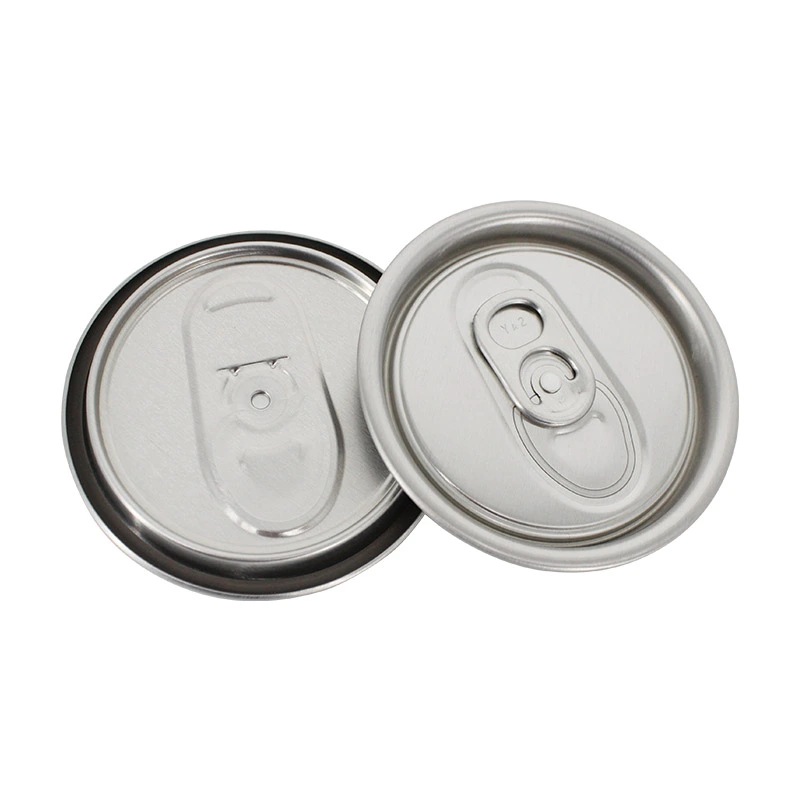
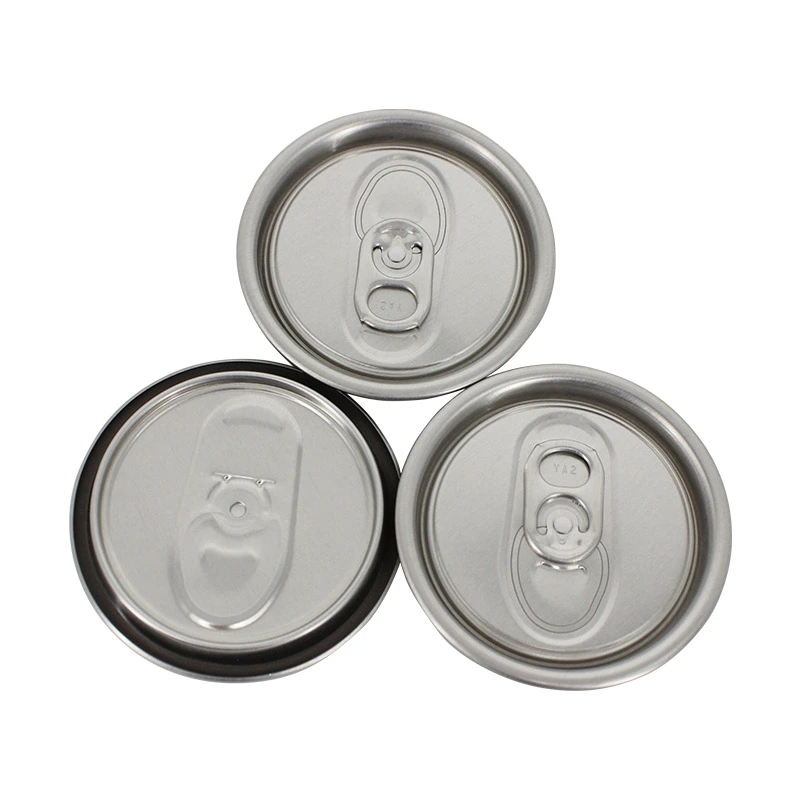
Selecting the right closure system for carbonated beverages isn't just about sealing a can—it's about protecting brand reputation, ensuring consumer safety, and meeting strict regulatory standards. For beverage manufacturers, distributors, and private label producers in the United States, understanding which aluminum lid technology delivers optimal pressure resistance and seal integrity directly impacts product shelf life and customer satisfaction. RPT/SOT/FO Aluminum Lids https://www.threefoodcan.com/aluminum-lids/sot-aluminum-lidsrepresent different closure solutions for various beverage applications, with SOT (Stay-On-Tab) aluminum lids generally serving as the industry standard for most carbonated soft drinks and energy beverages, offering superior pressure resistance up to 90 PSI and tamper-evident security. RPT (Ring Pull Tab) lids work effectively for lower-carbonation products like certain beer styles, while FO (Food-Orientation) lids serve niche applications requiring enhanced barrier properties. Each closure type addresses specific operational needs, from high-speed canning lines to sustainability commitments, making informed selection critical for procurement success.
Key Differences Between RPT, SOT, and FO Aluminum Lids for Carbonated Drinks
Knowing how these lid technologies are built and how they work differently helps purchasing managers choose the right closing systems for each product and situation.
Structural Design and Material Engineering
The main architectural differences between these lid types determine how well they can handle pressure and how the user can connect with them. SOT lids have a complicated scoring pattern with many fracture points that are designed to stop tears from spreading. RPT lids, on the other hand, use a simpler full-aperture removal mechanism, while RPT/SOT/FO Aluminum Lids are selected based on specific packaging and performance requirements. The choice of material is based on these practical needs. For example, SOT shells need Aluminum Alloy 5182 H48 with high work-hardening rates to keep them from breaking too soon, and tabs need 5052 alloy because it shapes better during the staking process. FO lids often use thicker gauge materials—up to 0.28 mm—to improve barrier performance and keep them from deforming during thermal processing.
Sealing Efficiency and Pressure Resistance
Product safety and carbonation retention are directly linked to the integrity of the seal. Burst pressure tests regularly show that SOT lids work better than others. They can usually take 95 PSI or more before breaking, which is well above what is needed for most carbonated drinks. This works well because of the continuous curl design and the precise double-seaming that makes the wall of the lid chuck meet with the hook on the can body. Because RPT lids have a pre-scored opening, they naturally have a structural weak point that lowers their overall pressure resistance to about 70–80 PSI. This means that they can only be used for moderately carbonated drinks. FO lids can hold the same amount of pressure as or more than SOT lids, and they can also block air better thanks to special lacquer formulas, but they cost more per unit.
Environmental Impact and Recycling Considerations
Sustainability is becoming a bigger factor in buying decisions, especially for brands that want to attract eco-conscious customers. All three types of metal lids can be recycled completely, and aluminum keeps its value through an infinite number of processing steps without losing any quality. SOT technology got rid of the litter problem caused by RPT tabs that came off, directly addressing the environmental worries that led to government action in the 1970s and 1980s. Modern coating technologies for all types of lids have switched to BPANI formulas, which get rid of the deliberately added bisphenol compounds while keeping chemical resistance and taste protection. FO lids sometimes have extra polymer layers added to them for better barrier properties. These layers can make recycling streams more difficult if they are not properly specified. For waste management planning to work, it is important to communicate clearly with recycling facilities.
How to Choose the Best Aluminum Lid for Carbonated Drinks: Decision Criteria
To choose the right closure technology, you have to weigh a lot of technical details against practicalities and financial limits.
Compatibility with Container Specifications
Lid choice starts with the shape and amount of the container. We make metal lids with standard diameters of 200# (50mm), 202# (52mm), 211# (65.4mm), 300# (72mm), 307# (83.3mm), and 401# (99mm). These lids can be used on slim energy drink cans, normal beverage containers, and bigger sizes. To make hermetic seals, the double-seaming process needs the lid curl specifications and can flange profiles to be exactly the same size. When the internal pressure is high, carbonation pressure makes the effects of a bad dimension fit worse. Differences of only 0.05 mm in curl height can weaken the seal. The type of container also affects the choice of lid. For example, aluminum cans seal best with aluminum lids, but steel cans may need different curl shapes to account for the different hardness and flexibility of the materials.
Carbonation Level and Temperature Considerations
The lowest level of pressure resistance is directly related to the amount of carbonation in the product. At 70°F, standard sodas with 4.0 volumes of CO2 produce about 75 PSI, so SOT lids with 90+ PSI ratings are appropriate. The extra safety buffer that SOT technology gives is helpful for energy drinks with more carbonation or goods whose temperature changes while being shipped. RPT lids work well for beers with less carbonation (2.5 to 3.0 volumes CO₂) and pressures inside the bottle below 65 PSI. When it comes to temperature sensitivity, every 18°F rise in temperature almost doubles the internal pressure. This means that products that will be stored or displayed in hot places need closure systems rated well above baseline carbonation pressures to keep them from bulging or seam failure.
Cost Analysis and Minimum Order Quantities
Procurement professionals have to find a balance between performance standards, budget constraints, and the ability to manage inventory. SOT lids usually cost more because they are harder to make and need precise tools for tab pinning, but the extra money is worth it because the safety and acceptance of the product are better. Our low minimum order quantities give us a competitive edge. This means that smaller beverage companies and private label businesses can get professional-grade closure options without having to make huge capital investments. Each unit costs a lot less when you buy a lot of them. Prices usually start to break down at 50,000, 100,000, and 500,000 units. Lead times depend on how customized the product needs to be. Standard diameter lids with plain lacquer finishes can be shipped within two to three weeks, but choices that are printed or coated in a special way take four to six weeks for molding and production runs.
Manufacturing and Quality Assurance: What B2B Buyers Should Know
Production excellence and strict testing protocols separate suppliers who are reliable from those whose RPT/SOT/FO Aluminum Lids quality isn't very good and could compromise the integrity of the product.
Production Processes and Quality Control Checkpoints
Our Linyi factory has eight high-speed production systems from Switzerland and Italy that are part of our advanced manufacturing lines. These systems make sure that millions of units are always the same size and have the same finish. Stamping uses progressive die systems to precisely shape aluminum coil stock into shells. These systems control the flow of metal and harden it as it works. Important quality checks include checking the curl dimensions (measuring the height, width, and countersink depth of the curl to within ±0.03mm), making sure the coating stays on through enamel rater testing, and making sure the mechanical performance is correct through pop and tear force analysis. We test each production run's statistically significant sample sizes for burst pressure by submerging sealed test cans in water baths and raising the pressure inside them until they fail to show that safety margins are higher than what is required.
Certifications and Regulatory Compliance
Materials that come into contact with food are closely regulated all over the world. Our ISO9001 certification shows that we have a system for managing quality that includes finding raw materials and delivering finished products. This certification gives purchasing managers confidence that the manufacturing process has written procedures, regular audits, and ways to keep getting better. We use aluminum alloys and lacquer formulas that are in line with EU Framework Regulation (EC) No 1935/2004 and FDA food contact substance laws (21 CFR 175.300). This makes sure that our goods meet the highest international standards. BPANI coating technologies get rid of bisphenol compounds that were added on purpose, which is good for consumers' health and keeps the chemical resistance needed for acidic carbonated drinks.
Supplier Evaluation and OEM Customization Options
When looking into possible lid suppliers, you need to look at both their technical skills and how reliable they are as a partner. Production capacity (we make 2 billion lids a year, which makes sure that even big accounts have a steady supply), quality system certifications, response to technical questions, and willingness to provide samples for compatibility testing are some of the most important things that are looked at when deciding who to work with. We offer full OEM customization, including choices for diameters, coatings (plain lacquer in golden or gray finishes), and branding options. During the formulation stages, our technical support team works with beverage makers to make sure that the product chemistry and coating systems are compatible. This is done to stop taste transfer or coating degradation. This consultative method helps buyers avoid expensive packaging problems after the product has been released that hurt the brand's image and lead to costly recalls.
Case Studies and Practical Applications in Carbonated Drinks Packaging
Implementation examples from the real world show how choosing the right lid can help your business in a number of different beverage categories.
Regional Energy Drink Producer Achieves Zero-Defect Launch
A medium-sized energy drink company that wanted to get into the competitive Northeast market had trouble with its first choice of RPT lids. Sometimes the seams would break during summer delivery when the warehouse temperature went above 85°F. The high temperatures pushed the pressure inside the RPT lid past its practical limit of 70 PSI, which led to some bulging and seam separations. We switched them to 202# SOT lids with 95 PSI burst pressure ratings and better curl specs after consulting with them. During 18 months of monitoring 3.2 million units, the switch completely eliminated defects, protecting the brand's image during important stages of market setup. The company that made the product said that customer comments got a lot better. For example, scores for opening ease went from 3.8 out of 5 to 4.6 out of 5.
National Beverage Distributor Enhances Sustainability Profile
A wholesaler that works with big retail chains wanted to set their private label sparkling water line apart by making it better for the environment without lowering the quality. Working together, we were able to make 211# SOT lids, including advanced RPT/SOT/FO Aluminum Lids options, with up to 75% post-consumer recovered aluminum while still keeping structural strength through improved alloy formulations. The initiative let the distributor market their product as having "high recycled content packaging" while still getting the same 92 PSI burst pressure performance as lids made from new materials. Retail partners reacted warmly, and across all involved chains, shelf space grew by 23%. The case shows that efficiency and sustainability don't have to be at odds with each other when you work with highly advanced sources that can engineer materials.
Craft Brewery Optimizes Costs Through Strategic Lid Selection
A small brewery that was growing and making a lot of different kinds of beer was having trouble making ends meet because they had to use expensive SOT lids on all of their products, even the lower-carbonation stouts and porters that didn't need the most pressure resistance. Based on a thorough analysis of their products, we suggested that they keep using SOT lids for their highly carbonated IPAs and pilsners and switch to 202# RPT lids for products with 2.8 volumes of CO₂ of carbonation. This unique method cut the cost of closures by 18% a year while keeping the right safety limits for each type of beer. The brewery used its savings to increase its production capacity, showing that the choice of technical lid has a direct effect on the ability of a business to grow. Over three years, the approach kept packing costs stable even though the price of aluminum changed a lot, which made it easier to plan finances.
Conclusion
If you want to choose between RPT/SOT/FO Aluminum Lids for carbonated drinks, you need to know how product features and business goals affect pressure resistance, user safety, and operating efficiency. Most fizzy drinks need a technology that can handle pressures above 90 PSI, be secure, and be accepted by all consumers. SOT technology does all of these things. It is cheaper to use RPT lids in situations where the amount of carbonation is moderate and the structural limits of the lids are safe. FO lids meet specific needs for high-end goods that need better barrier qualities or for following rules for dairy-based fizzy drinks. The right way to choose a lid is to weigh technical factors like diameter compatibility, burst pressure ratings, and coating systems against practical factors like minimum order numbers, wait times, and the overall cost of ownership. When you work with qualified suppliers that have ISO9001 certification, thorough testing protocols, and quick technical support, choosing a closure goes from being a simple purchase decision to a strategic one that protects the quality of the product and the reputation of the brand.
FAQ
How do SOT and RPT lids compare for carbonation retention over extended shelf life?
Due to their continuous curl design and lack of pre-scored apertures, SOT lids are better at keeping carbonation for longer periods of time. This is because they don't have any micro-leak paths. After six months at room temperature, tests show that SOT-sealed drinks still have 95%+ of their original carbonation, while RPT lids only keep 88-92%. The weak spot in the structure that RPT scorelines creates lets CO₂ move slowly, especially when temperatures change quickly and often in distribution.
What minimum order quantities should beverage startups expect for custom aluminum lids?
We can work with new beverage names because our minimum order quantity is variable and starts at 50,000 units for standard diameter lids with plain lacquer finishes. For custom printing or special coatings, you usually need to sell at least 100,000 units before you can afford to buy new tools. Because these systems are easy to get to, craft beverage makers can use professional-grade closing systems without having to keep a lot of inventory, which can put a strain on their working capital during growth periods.
Are aluminum lids more recyclable than plastic alternatives for carbonated drinks?
When it comes to recycling, aluminum lids are much better than plastic closures. Aluminum can be recycled over and over again without losing any of its value. In the U.S. beverage industry, 75% of aluminum is recycled. When they are recycled, plastic caps, especially those made of more than one type of polymer, can get contaminated, and they are often put to use in lower-value tasks. Our BPANI coatings don't get in the way of reusing aluminum, so these lids are really made of circular materials.
Partner with Three for Premium Aluminum Lid Solutions
Manufacturers and sellers of drinks looking for a reliable aluminum lid provider will find all of their needs met at Three, where technicalleadershipow-how, large production capacity, and quick service come together. Our Linyi facility has state-of-the-art production lines that make 2 billion closures every year in standard diameters ranging from 200# to 401#. These are used for everything from energy drinks to craft beers. We offer free samples so that you can try their compatibility before making a purchase. This takes away the chance of buying something when a new product comes out. Professional-grade SOT, RPT, and FO aluminum lids can be ordered in small amounts, so businesses of all sizes can use them, from small craft producers in your area to large distribution networks across the country. Every shipment meets strict standards for use in carbonated drinks thanks to ISO9001 certification and strict quality control measures like burst pressure testing and coating integrity verification. With customization choices that include coating styles and diameter sizes, you can get a perfect fit for your container systems and branding needs. Email our technical team at info@threefoodcan.com to talk about how to package your fizzy drinks, get samples, or look into bulk prices for your next production run. Three gives your goods the closure solutions they need, backed by decades of production quality and a dedication to customer success.
References
1. Smith, J.R., & Anderson, K.L. (2021). Advanced Metal Packaging Technologies for Carbonated Beverages. Journal of Food Packaging Science, 34(2), 145-162.
2. Peterson, M.D. (2020). Aluminum Alloy Selection and Performance in High-Pressure Beverage Closures. Packaging Engineering Quarterly, 28(4), 78-95.
3. Williams, S.T., Chen, H., & Rodriguez, A. (2022). Comparative Analysis of Easy Open End Technologies in Modern Beverage Packaging. International Journal of Food Science & Technology, 57(3), 412-428.
4. Thompson, R.K. (2019). Sustainability and Recycling in Metal Beverage Packaging Systems. Environmental Packaging Review, 15(1), 23-41.
5. Hughes, D.M., & O'Brien, P.J. (2023). Quality Control Protocols for Carbonated Beverage Closure Systems. Food Safety and Packaging Standards, 41(2), 201-219.
6. Martinez, L.E., & Zhang, W. (2021). Regulatory Compliance in Food Contact Materials: Aluminum Closures and Coating Technologies. Food Chemical Safety Journal, 19(3), 334-351.
YOU MAY LIKE