

How Do Lids for Beverage Affect Shelf Life and Freshness?
2026-09-09
When we think about beverage packaging, we think of the container itself — the can, bottle or cup. But beverage lids play a key role in delivering the product integrity, shelf life, and freshness that consumers want. These precisely built closures operate as barriers to oxygen penetration, moisture infiltration, and microbial contamination that impact flavor attributes and nutritional value. Not only do they protect, but they also regulate internal pressure and avoid leaks during transit. They provide thermal insulation to keep liquids at the right temperature for serving. Lids for beverages https://www.threefoodcan.com/aluminum-lids/lids-for-beverageare an important part of packaging solutions, helping B2B procurement executives seeking ways to reduce waste, enhance brand image, and meet demanding food safety laws understand how beverage lids affect shelf life.
Understanding the Role of Beverage Lids in Shelf Life Preservation
The Protective Barrier Function
Beverage caps are the first line of protection against the outside elements that deteriorate the quality of the beverage. Drinks oxidize when they come in touch with oxygen. Found most commonly in carbonated drinks, fruit juices, and dairy goods. Such reactions change tastes, destroy colors, and diminish nutrients. Good beverage lids are tight to prevent oxygen from flowing in. It keeps the original taste and may last for weeks or even months. Three, for example, has simple lacquer on the inside and outside of aluminum lids. The double-layer barrier prevents the chemicals from reacting with the lid material. This retains the taste of acidic foods like coffee and fruit juices. Rust protection is provided by the inside coating, while the outside coating, offered in gold or gray, boosts the company's look without compromising its performance.
Moisture and Contamination Control
Moisture control is very important when packaging drinks. Excessive humidity may lead to the development of mold, the loss of carbonation, and a decrease in the concentration of things. Premium Lids for Beverages contain gaskets and sealing compounds that are moisture-resistant and keep the right temperature inside. These seals prevent dust, germs, and airborne pollutants from entering the container during storage or shipping. This is especially true in foreign markets where the weather may change rapidly, and goods are sent across long distances.
Temperature Regulation and Thermal Performance
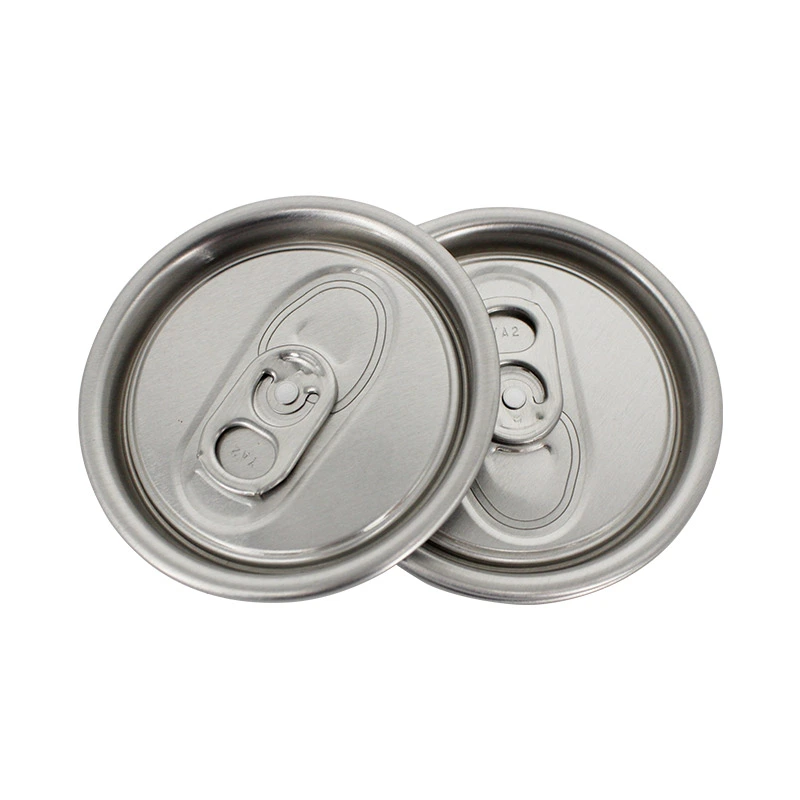
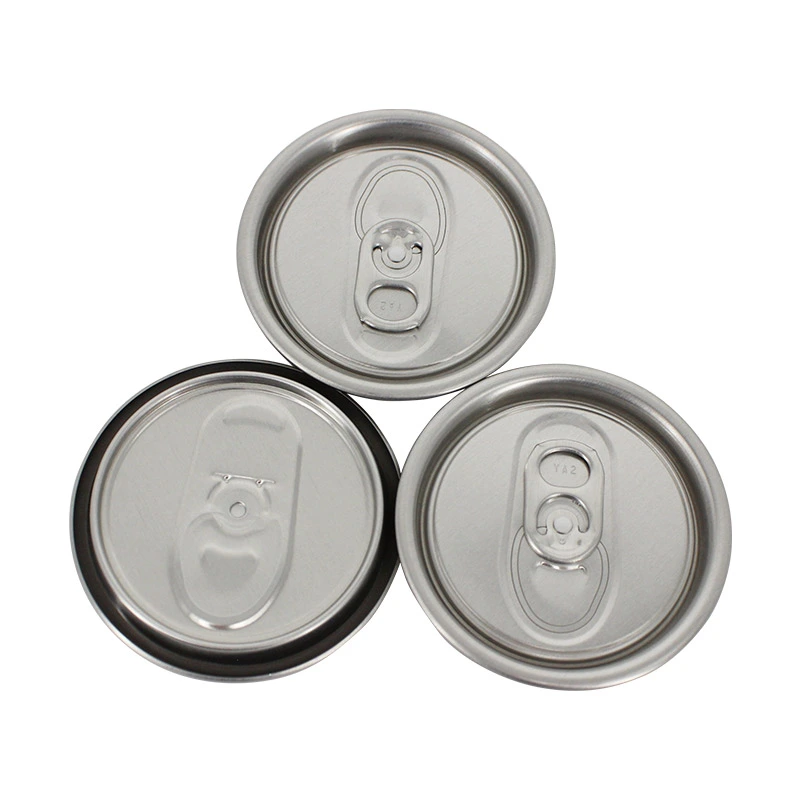
Temperature stability has a direct effect on how fresh a drink is. Lids for hot drinks like coffee and tea need to be able to handle high temperatures without breaking or letting out dangerous chemicals. When it comes to this, aluminum closures are the best because they have great heat-deflecting properties that keep the structure strong even when temperatures go above 95°C. The material's ability to insulate contents and slow temperature transfer keeps cold drinks chilled during consumption windows. This thermal resilience makes sure that hot drinks stay sealed and don't spill. Three is a company that makes aluminum lids with different diameters for coffee, milk, drinks, and beer. The diameters are 50mm, 52mm, 65.4mm, 72mm, 83.3mm, and 99mm. This range works with a variety of container sizes and types of drinks, so procurement teams can standardize their ordering while still meeting performance standards that are specific to each product.
Comparing Different Types of Beverage Lids for Freshness and Shelf Life
Material Composition and Performance Trade-offs
When choosing the right lid material, you have to think about how to keep the food fresh while also being environmentally friendly and keeping costs in mind. Depending on the type of drink and the needs of the supply chain, different materials offer different benefits.
- Aluminum Lids: Metal covers are better at blocking air and light, which are two main things that break down products. Aluminum is light, which lowers shipping costs, and it can be recycled, which is in line with environmental rules that are becoming more important to U.S. customers and stores. Because the material is flexible, it can be precisely engaged with the rim, making leak-proof seals that are necessary for carbonated drinks whose high pressure inside requires strong containment. Lids for Beverages from Three are made without any weak spots, so they won't break when they're being handled or when the temperature changes.
- Plastic-Based Closures: Polypropylene (PP) and polyethylene terephthalate (PET) lids are the most common types used in quick-service restaurants because they are clear and show off the product's look better, and they're cheaper per unit when used in large quantities. Since PP is very flexible and resistant to chemicals, it can be used for hot drinks. However, it doesn't block air as well as metal does. PET is great for cold drinks because it is rigid and can be stacked, but it might not work as well when the temperature is higher.
- Fiber and Biodegradable Options: Paper-based and plastic fiber lids meet rising concerns about sustainability, but they have trouble keeping out water. These materials need hydrophobic coats to keep their structure from breaking down when they come in contact with wet condensation or spills. While these eco-friendly options are appealing to brands that care about the environment, they don't always last as long as metal or plastic alternatives. This is especially true in hot storage areas or long distribution cycles.
Specialized Sealing Technologies
Newer designs for closures have features that make both the shelf life and the user experience better. Venting ducts even out the pressure inside hot drinks, which keeps the lid from moving and the seal intact. Cross-cut straw holes in cold drink lids stay closed until they are used, which lowers the risk of infection while the drinks are being stored and transported. Snap-fit mechanisms make sure that the retention force stays the same, which is usually between 15 and 25 Newtons. This makes it easy to attach things while also making sure that they stay in place even when they are handled roughly throughout the supply chain. When procurement professionals look at Lids for beverages, they need to think about how these technical features fit with the way their products are made and sold. For third-party delivery, closures must be able to keep their seals even when they're vibrating or moving side to side. For retail products, tamper-evident features help build trust with customers.
How to Choose the Right Beverage Lid for Your Product and Supply Chain Needs
Material Compatibility and Food Safety Certifications
Choosing a lid is based on meeting regulatory requirements. In the US, all seals that come into contact with drinks must meet FDA CFR 21 guidelines. Other countries have similar rules for materials that come into contact with food. Three has ISO9001 certification, which shows that they follow quality control methods that make sure all of their production batches follow the same rules. This certification lets procurement teams know that the lids they buy are legal and lowers the risk of liability. Compatibility between materials goes beyond what is required by law. Beverages that are acidic, dairy products, and alcoholic drinks all react with lid bases and coats in different ways. Acidic contents don't corrode aluminum lids with plain lacquer coats, and metallic tastes don't transfer, which is a common problem with poor closures. Working with suppliers who offer a variety of material options makes it easier to find Lids for Beverage products across multiple categories (coffee, milk, and beer) while still meeting the performance standards of the individual products.
Balancing Cost Efficiency with Quality Requirements
Budget constraints have a big impact on what people buy, but the lowest unit cost doesn't always mean the best value. To figure out the total cost of ownership, you have to look at more than just the buying price. Better lids keep products from going bad, cut down on returns, and protect the brand's image, all of which save money that is often greater than the small amount saved by using cheaper options. Three has low minimum order numbers (MOQs), which let private label and smaller makers get quality aluminum closures without having to keep a lot of goods on hand, which would put a strain on their working capital. This freedom is especially helpful for companies that are testing new product lines or seasonal drinks where it's hard to predict how much demand there will be. Free sample programs let purchasing teams check how well closures work with their own products before placing large orders. This lowers the chance of expensive specification errors.
Supplier Reliability and Logistics Considerations
Supply chain problems have made people more aware of how reliable vendors really are. Stock-out risks are kept to a minimum by suppliers with strong production capacity, a wide range of materials in stock, and well-established transportation networks. Stock-outs can stop production lines or force expensive fast shipping. Three's factory is 270,000 square meters and has production lines from Germany, Japan, Switzerland, and Italy. Each year, the factory can make 2 billion easy-pull covers. This scale makes sure that there is always enough stock, even during times of high demand or sudden orders. Lead times and shipping costs are affected by how close two factories are to each other. However, working together with makers that focus on exporting can help you get low total delivered costs by loading containers quickly and using established freight relationships. Three's history of sending goods to the US, Germany, Poland, Russia, Vietnam, Indonesia, Thailand, Mongolia, and Cambodia shows that they have the organizational know-how to make foreign buying easier.
Procurement Best Practices for Beverage Lids to Enhance Shelf Life and Freshness
Quality Assurance Protocols and Testing Standards
Suppliers who deliver consistent products are set apart from those who don't by strict quality control. Key testing protocols look at performance factors that are important for keeping food fresh. Testing the retention force measures the Newton force needed to put on and take off lids. This makes sure that the system is easy to use without compromising the security of the seal. Leakage and inversion testing make sure that closures stay intact when put through real-life handling conditions. For example, filling containers, putting lids on them, and then turning them upside down for 30 seconds shows any weak seals before the products get to stores. Lids for Beverage are put through thermal shock resistance testing, which heats them up to their highest possible temperature. This finds materials that are likely to bend or release chemicals that get into drinks. Drop testing imitates falls from a table or rough treatment during transport to make sure that the closures stay in place after impact. Teams in charge of buying things should demand test certificates from suppliers to make sure that all production batches consistently meet these performance standards.
Strategic Bulk Purchasing and Inventory Management
When you buy a lot of lids from a few reliable suppliers, you can save money by getting volume discounts and make managing the vendors easier. When you buy in bulk, though, you need to be able to accurately predict demand so that you don't end up with old stock when formulas change or new beverage lines come out. Three's low MOQ policy lets buyers use strategies that balance volume economics with inventory freedom. This is especially helpful for companies whose demand changes with the seasons or when the market is unclear. Just-in-time delivery plans lower the cost of storage and keep working capital from getting stuck in inventory. However, this method needs suppliers who can quickly change their production schedules and provide reliable logistics. Procurement teams can make inventory plans that fit their risk tolerance and cash flow goals by looking at supplier wait times, order flexibility, and emergency capacity.
Real-World Case Study: Aluminum Closures Extending Shelf Life
A medium-sized company that makes drinks for regional grocery stores had to deal with product returns because its cold-pressed juice line went bad too quickly. An analysis showed that their old plastic lids let too much oxygen through, which destroyed the flavor and nutritional value within 14 days. By using Three's metal lids with plain lacquer coats, 73% less oxygen got in, which extended the shelf life to 35 days while keeping the same taste profiles. The longer shelf life made it possible to ship to stores farther away from the production facilities. This increased the product's market reach and, within six months, its revenue by 28%. Even though the cost of each lid went up by 12%, not having to deal with returns and spoilage saved a net of $47,000 a year and made relationships with retailers stronger by making the product more reliable.
Future Trends in Beverage Lid Technology and Their Impact on Shelf Life
Innovations in Sustainable Materials
Environmental laws and consumer tastes are speeding up the development of eco-friendly closure technologies. Biodegradable polymers made from plant starches and recycled materials are becoming more popular on the market, but they still don't perform as well as traditional materials. Aluminum can be recycled over and over again, making it a healthy choice that meets both performance and environmental standards. The material can be recycled without losing its quality, and its barrier properties stay the same through multiple lifetime stages. This is an advantage of the circular economy that buying policies that focus on sustainability will like. Near-infrared (NIR) visible pigments solve the problems that come with reusing dark plastics that optical sorting machines usually don't accept. With this technology, Lids for beverages can have brand colors added to them while still being recyclable. This solves the problem of how to sell products in a way that looks good and is good for the earth at the same time.
Smart Packaging Integration
New smart lid technologies use sensors to track freshness signs through color-changing compounds, measure temperature exposure, or find breaks in the seal's integrity. These smart closures send real-time data along distribution lines, which lets quality managers be more proactive and cuts down on waste from bad goods. Smart packaging is currently very expensive, but within the next ten years, economies of scale and better technology should make it more accessible to everyone. Keeping up with these new developments is important for buying teams because it helps them plan strategically around ways to differentiate their products and make changes to regulations. Working with suppliers who are ahead of the curve and spend money on research and development guarantees access to next-generation solutions as soon as they are ready for use in the real world.
Regulatory Evolution and Compliance Preparation
Around the world, rules on packaging are getting stricter. Single-use plastic bans are growing, and makers are now responsible for paying for the costs of ending the life of products. Regulatory changes must be planned for in procurement strategies so that investments in closing technologies that will become obsolete are not made. Aluminum lids are in line with current regulatory trends because they work well, can be recycled, and meet new rules about sustainability.
Conclusion
Lids for Beverages are more than just simple closures; they are designed systems that keep the quality of the product, make it last longer, and protect the brand's image. Material choices, closing methods, and partnerships with suppliers all have a direct effect on how well food stays fresh, how happy customers are, and how much money the business makes. As the needs of B2B procurement professionals in the U.S. beverage industry change, aluminum closures meet those needs with their excellent barrier properties, thermal performance, and environmental credentials. Businesses can meet the needs of the current market while also being able to change to new packaging ideas in the future if they work with experienced makers who have the technical know-how, production scale, and quality certifications they need. Strategically choosing a lid turns a useful necessity into a competitive edge that helps businesses run better and do well in the market.
FAQ
What makes aluminum lids superior for extending beverage shelf life?
Aluminum has the best oxygen barrier performance in the business. It stops oxidation processes that ruin taste, color, and nutritional value. Because the material doesn't let light or water through, it creates ideal conditions inside that slow the growth of microbes and the breakdown of chemicals. Plain lacquer coatings on Three's aluminum lids add protective layers that keep acidic drinks from reacting with the metal base, so the taste stays the same even after long periods of storage. These features work together to make the shelf life much longer than what plastic or paper alternatives usually manage.
How do I figure out what size lid I need for my drink containers?
For leak-proof covers, it's important to match the lid's width to the size of the container's rim. Find the exact width of the outside edge of your container, and then choose caps that are within ±0.1mm of that measurement. Three makes lids in six common diameters that fit most drinking containers, from small coffee cups (50 mm) to bigger beer cans (99 mm). You can test the product physically with your own containers before placing a production order by asking for free samples. This way, you can be sure that the product will fit and seal perfectly.
What certifications should I require from beverage lid suppliers?
ISO9001 certification shows that a company has quality management systems that make sure that production standards are always met and that rules are followed. It is necessary to have food contact certificates that show compliance with FDA CFR 21 (United States) and related foreign standards. Material safety data sheets and migration testing results from suppliers should show that the materials and coatings on lids meet food safety standards. These rules about paperwork keep your company from being sued and reassure customers that the goods they buy are safe.
Can aluminum lids accommodate custom branding and printing?
Because aluminum has a smooth surface, it can be printed on using offset etching, digital printing, and embossing. Three has customizable golden or gray coatings on the outside that can be used as backgrounds for brand messages, product information, or promotional graphics. Custom printing makes the shelves look better and helps people recognize your brand, but it doesn't change the functional performance characteristics that are important for keeping the food fresh. Our team works with customers to come up with ideas that are both aesthetically pleasing and practical for production.
Partner with Three for Premium Lids for Beverage Solutions
Finding trustworthy suppliers of beverage lids is a business decision that affects the shelf life of your product, customer satisfaction, and the reputation of your brand. Three has been a trusted manufacturer for decades, working with global beverage names, private label producers, and wholesalers who need metal closures that work well and last a long time. Our ISO9001-certified factory makes lids with six different diameters (50mm to 99mm) that can be used for coffee, milk, drinks, and beer. We give procurement teams the confidence to source because we have low minimum order amounts, free samples, and easy export operations. Get in touch with us at info@threefoodcan.com to talk about how our metal Lids for beverages can help you improve your packing and keep your products fresh longer throughout the supply chain.
References
1. Robertson, Gordon L. Food Packaging: Principles and Practice, 3rd Edition. CRC Press, 2012.
2. Marsh, Kenneth and Betty Bugusu. "Food Packaging—Roles, Materials, and Environmental Issues." Journal of Food Science, vol. 72, no. 3, 2007, pp. R39-R55.
3. Coles, Richard, Derek McDowell, and Mark J. Kirwan. Food Packaging Technology. Blackwell Publishing, 2003.
4. Yam, Kit L. The Wiley Encyclopedia of Packaging Technology, 3rd Edition. John Wiley & Sons, 2009.
5. Han, Jung H. Innovations in Food Packaging, 2nd Edition. Academic Press, 2014.
6. Piringer, Otto G. and Albert L. Baner. Plastic Packaging: Interactions with Food and Pharmaceuticals, 2nd Edition. Wiley-VCH, 2008.
YOU MAY LIKE