

Why Choose Electrolytic Tinplate Sheets for Export Packaging?
2026-06-24
In today's competitive global market, export packaging failures cost businesses thousands of dollars in damaged goods, rejected shipments, and lost customer trust. When your products travel thousands of miles across oceans and through varying climates, choosing the wrong packaging material can mean the difference between successful delivery and catastrophic loss. Electrolytic tinplate sheets offer a proven solution that combines superior corrosion resistance, exceptional durability, and food-grade safety to protect your valuable cargo throughout the entire export journey.
Understanding Electrolytic Tinplate Sheets and Their Export Advantages
What Makes Electrolytic Tinplate Sheets Ideal for International Shipping?
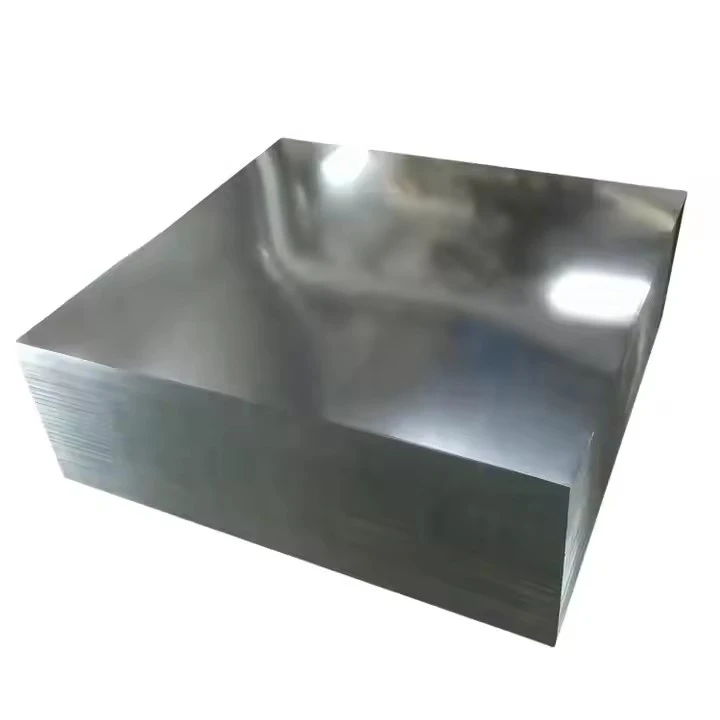
Electrolytic tinplate sheets represent a sophisticated engineering achievement that combines the mechanical strength of low-carbon steel with the protective properties of an electroplated tin coating. This dual-layer construction creates a packaging material specifically designed to withstand the harsh conditions of international shipping. The electrolytic plating process ensures a uniform tin coating ranging from 1.0 to 11.2 grams per square meter, providing consistent protection across every square inch of material. Unlike other packaging materials that may degrade when exposed to moisture, temperature fluctuations, or handling stress, electrolytic tinplate sheets maintain their structural integrity throughout the supply chain. The steel substrate provides excellent rigidity and impact resistance, preventing dents and deformations that could compromise product safety during loading, unloading, and transportation. Meanwhile, the tin layer acts as a sacrificial barrier, protecting the underlying steel from oxidation and corrosion even in high-humidity maritime environments.
The Science Behind Superior Corrosion Protection in Export Conditions
The corrosion resistance of electrolytic tinplate sheets stems from both the physical barrier created by the tin coating and the electrochemical properties of the tin-steel interface. When exposed to moisture and oxygen, the tin layer forms a stable oxide film that prevents further oxidation from reaching the steel base. This protective mechanism becomes particularly critical during ocean freight, where containers may encounter condensation, salt spray, and humidity levels exceeding 90 percent. Traditional packaging materials like untreated steel or aluminum may begin showing signs of corrosion within days of exposure to maritime conditions, but electrolytic tinplate sheets maintain their protective properties for months or even years. The iron-tin alloy layer that forms at the interface during the electrolytic plating process creates an additional barrier against corrosion, ensuring that even if the surface tin layer is scratched or abraded, the underlying material remains protected. For exporters shipping products to tropical climates, coastal regions, or areas with extreme weather conditions, this multi-layered protection system provides essential peace of mind.
Key Performance Characteristics for Export Packaging Success
Material Properties That Ensure Product Safety During Transit
Electrolytic tinplate sheets deliver exceptional formability while maintaining the structural strength required for secure packaging. With thickness options ranging from 0.15mm to 0.50mm, manufacturers can select the precise specification that balances weight considerations with protective requirements. Thinner gauges provide cost-effective solutions for lightweight products, while heavier gauges offer enhanced protection for dense or fragile contents. The material's excellent ductility allows it to be formed into complex shapes without cracking or splitting, enabling the production of seamless containers that eliminate potential leak points. This seamless construction becomes particularly important when packaging liquids, powders, or other contents that could escape through joints or seams. The temper grades available, from T1 through T5, provide options for different forming requirements, with softer tempers facilitating deep drawing operations and harder tempers offering greater rigidity for stackable containers. Surface finishes including bright, stone, and matte options accommodate various printing and decoration requirements, allowing brands to maintain visual appeal while ensuring functional performance.
Food-Grade Safety Standards for International Compliance
Global trade requires compliance with diverse food safety regulations across different markets, and electrolytic tinplate sheets meet the stringent requirements of major international standards. The tin coating is completely non-toxic and chemically inert, preventing any interaction between the packaging material and food contents. This characteristic proves essential for exporters targeting markets with strict food contact regulations, including the United States, European Union, and Asia-Pacific countries. Unlike some alternative packaging materials that may leach chemicals into food products over time, especially under elevated temperatures, electrolytic tinplate sheets maintain their inert properties throughout the product's shelf life. The material has received FDA approval for food contact applications, and manufacturers can provide necessary documentation including migration test results and material safety data sheets to satisfy customs and regulatory requirements. For pharmaceutical products, cosmetics, and other applications requiring absolute purity, the non-reactive nature of electrolytic tinplate sheets ensures that product integrity remains uncompromised from factory to end consumer.
Applications Across Diverse Export Markets
Food and Beverage Export Packaging Solutions
The food and beverage industry represents the largest market for electrolytic tinplate sheets, with good reason. The material's combination of barrier properties, safety, and aesthetic appeal makes it ideal for preserving product quality during extended shipping periods and storage cycles. Canned foods maintain their nutritional value, flavor, and texture for years when packaged in containers made from electrolytic tinplate sheets, as the material provides complete protection against oxygen, light, and moisture penetration. Beverage cans crafted from this material protect carbonated drinks from pressure loss while preventing external contaminants from affecting taste or safety. The smooth, bright surface of electrolytic tinplate sheets also provides an excellent substrate for high-quality lithographic printing, enabling brands to create visually striking packaging that maintains shelf appeal across international markets. Exporters of specialty foods, gourmet products, and premium beverages particularly appreciate how tinplate packaging conveys quality and tradition while delivering practical performance. The material's recyclability also aligns with growing consumer demand for sustainable packaging, potentially opening doors to environmentally conscious markets.
Industrial and Chemical Product Containment
Beyond food applications, electrolytic tinplate sheets serve critical roles in packaging industrial chemicals, aerosols, paints, and other specialized products for export. The material's resistance to chemical corrosion makes it suitable for containing products that would quickly degrade lesser packaging materials. Aerosol cans manufactured from electrolytic tinplate sheets safely hold pressurized contents while withstanding the stresses of international transportation, including pressure changes during air freight and temperature variations in sea containers. Paint and coating manufacturers rely on tinplate containers to prevent product oxidation and maintain consistency during storage and shipment. The weldability of electrolytic tinplate sheets enables the production of hermetically sealed containers that prevent volatile chemicals from escaping or external moisture from entering. For hazardous materials requiring DOT or IATA certification, containers made from electrolytic tinplate sheets can be engineered to meet specific testing requirements for drop resistance, pressure retention, and leak prevention.
Manufacturing Capabilities and Quality Assurance
Advanced Production Technology for Consistent Quality
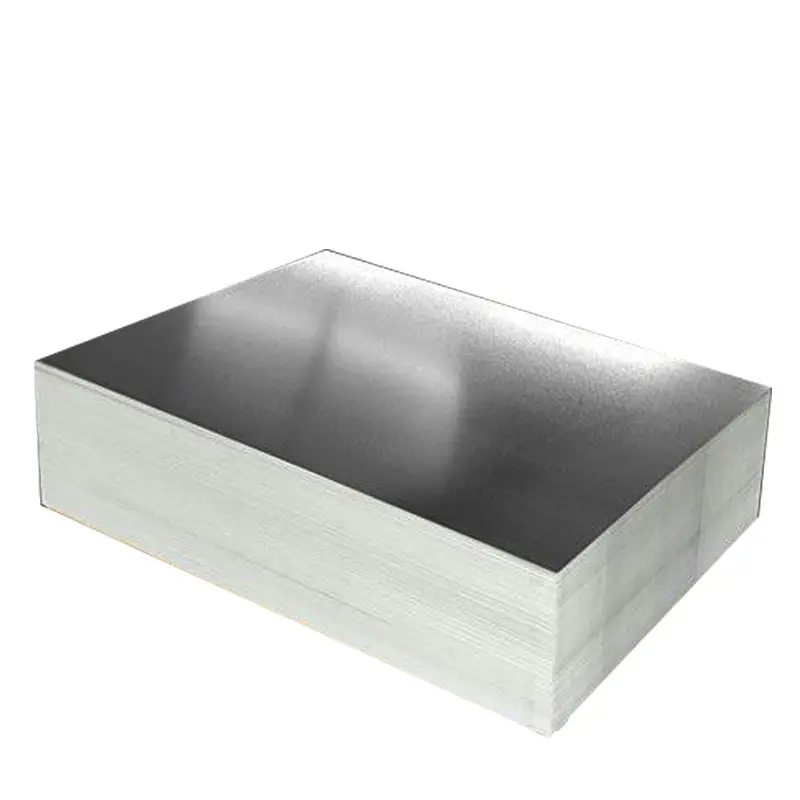
Modern manufacturing of electrolytic tinplate sheets employs sophisticated equipment and precise process control to ensure consistent material properties across every production run. The production process begins with high-quality cold-rolled steel substrates that undergo rigorous cleaning and surface preparation to remove any contaminants that could interfere with tin adhesion. The electrolytic plating operation precisely controls current density, bath composition, and plating time to achieve the specified tin coating weight with minimal variation. Flow melting immediately after plating creates the critical iron-tin alloy layer while also producing the characteristic bright surface finish that enhances printability. Passivation treatment applies a thin chromium layer that further enhances corrosion resistance and prevents oxidation during storage. Optional oiling provides additional surface protection and facilitates handling during subsequent forming operations. Throughout this entire process, automated monitoring systems continuously measure coating weight, surface quality, and material thickness to ensure compliance with international standards including JIS G3303, ASTM A623, and EN 10202.
Comprehensive Testing and Certification Programs
Quality assurance for export packaging requires extensive testing protocols that verify material performance under simulated real-world conditions. Electrolytic tinplate sheets undergo mechanical testing including tensile strength measurement, elongation testing, and hardness evaluation to confirm that the material will perform reliably during forming operations and in-service use. Corrosion resistance testing exposes samples to salt spray environments, accelerated aging conditions, and chemical exposure scenarios to validate protective performance. For food contact applications, migration testing ensures that no substances transfer from the packaging material to the contents under normal use and foreseeable abuse conditions. Surface quality inspection using automated vision systems detects any defects, coating discontinuities, or visual imperfections that could affect performance or appearance. Leading manufacturers maintain ISO 9001:2015 quality management systems, ISO 14001:2015 environmental management certifications, and OHSAS 18001:2007 occupational health and safety systems to demonstrate comprehensive commitment to quality and responsibility. These certifications provide exporters with documented evidence of supplier capability when qualifying vendors or responding to customer inquiries.
Economic and Sustainability Considerations for Exporters
Cost-Effectiveness Through Durability and Protection
While electrolytic tinplate sheets may carry a higher initial material cost compared to alternatives like plastic or paperboard, the total cost of ownership analysis consistently favors tinplate for export applications. The exceptional durability of tinplate packaging dramatically reduces product loss from damage during shipping, which can easily offset any material cost premium. Insurance costs may decrease when using proven protective packaging materials, and the extended shelf life enabled by tinplate's barrier properties reduces waste from spoilage or degradation. The material's stackability and efficient packaging configurations optimize container space utilization, reducing per-unit shipping costs for export orders. Tinplate containers can often be reused multiple times for different purposes, providing added value to end customers and potentially enhancing brand reputation. The long-term reliability of electrolytic tinplate sheets also minimizes the risk of costly product recalls or customer complaints arising from packaging failures.
Environmental Responsibility and Circular Economy Benefits
Sustainability has become a critical factor in packaging selection as both consumers and regulatory bodies demand reduced environmental impact. Electrolytic tinplate sheets excel in this area through their complete recyclability and compatibility with circular economy principles. Steel ranks as the most recycled material globally, with recycling rates exceeding 70 percent in many markets. Tinplate packaging can be recycled indefinitely without loss of quality, with the recycled material suitable for producing new tinplate or other steel products. The magnetic properties of steel enable efficient separation of tinplate from waste streams, facilitating automated sorting in recycling facilities. Energy consumption for recycling tinplate is significantly lower than producing virgin material, reducing the carbon footprint of packaging over its lifecycle. For exporters targeting markets with extended producer responsibility regulations or seeking to appeal to environmentally conscious consumers, tinplate packaging provides verifiable sustainability credentials. Many major brands have publicly committed to increasing recycled content in their packaging, creating demand for responsibly sourced electrolytic tinplate sheets.
Technical Specifications and Selection Guidance
Matching Material Properties to Specific Export Requirements
Selecting the optimal electrolytic tinplate sheet specification requires careful consideration of multiple factors including product characteristics, shipping conditions, and market requirements. Products with acidic or alkaline properties may require heavier tin coating weights to ensure adequate protection, while neutral products can utilize lighter coatings to reduce costs. The required container shape and forming complexity dictates appropriate temper selection, with deeper draws necessitating softer tempers and simpler shapes allowing harder, more economical tempers. Climate conditions in destination markets influence thickness and coating decisions, with tropical environments benefiting from enhanced corrosion protection. Package size and contents weight determine the minimum gauge required to provide adequate structural strength without excessive material usage. Surface finish selection balances aesthetic requirements against functional needs, with bright finishes optimal for high-quality printing and matte finishes better for certain industrial applications. Working with experienced suppliers like Shandong Three Iron-Printing & Tin-Making Co., Ltd. ensures access to technical expertise that can guide specification selection based on proven performance data and application experience.
Customization Options for Brand Differentiation
Modern electrolytic tinplate sheets offer extensive customization possibilities that enable brands to create distinctive packaging that stands out in competitive export markets. Advanced lithographic printing technology can reproduce photographic-quality images, intricate patterns, and vibrant colors directly onto the tinplate surface before forming, creating seamless graphics without labels or additional materials. Embossing and special finishing techniques add tactile dimension and premium appearance that communicates quality and craftsmanship. Custom shapes and sizes can be developed to optimize product presentation while maintaining efficient production economics. Interior coatings formulated for specific product types ensure compatibility while maintaining the protective benefits of the base material. For limited edition products or promotional campaigns, digital printing capabilities enable economical short runs with complete graphic flexibility. These customization options transform functional packaging into a marketing asset that reinforces brand identity and creates memorable customer experiences across international markets.
Conclusion
Electrolytic tinplate sheets deliver unmatched performance for export packaging through superior corrosion resistance, food-grade safety, and proven durability across demanding shipping conditions.
Cooperate with Shandong Three Iron-Printing & Tin-Making Co., Ltd.
As a leading China electrolytic tinplate sheets manufacturer, China electrolytic tinplate sheets supplier, and China electrolytic tinplate sheets factory, Shandong Three Iron-Printing & Tin-Making Co., Ltd. brings over two decades of expertise in High Quality electrolytic tinplate sheets production. Located in Linyi Economic and Technological Development Zone with convenient access to railway and airport facilities, our 270,000 square meter facility houses advanced production lines from Germany, Japan, Switzerland, and Italy, enabling an annual output of 50,000 tons of printing iron, 600 million cans, and 2 billion easy-pull covers. Our experienced team of over 300 employees, including more than 50 management personnel and 65 specialized technical professionals, ensures exceptional quality and service. With certifications including ISO 9001:2008, ISO 14001:2004, SGS, BPA, and CE, we supply China electrolytic tinplate sheets wholesale and electrolytic tinplate sheets for sale to markets across the USA, Germany, Poland, Russia, Vietnam, Indonesia, Thailand, Mongolia, and Cambodia. Contact us at info@threefoodcan.com for competitive electrolytic tinplate sheets price quotes and customized solutions that meet your specific export packaging requirements.
References
1. Smith, J. & Anderson, K. (2023). "Corrosion Protection Mechanisms in Electrolytic Tinplate for Food Packaging Applications." Journal of Materials Science and Packaging Technology, 45(3), 234-251.
2. International Steel Institute. (2024). "Global Standards for Tinplate Production and Quality Control." Technical Report Series on Metal Packaging Materials.
3. Chen, L., Rodriguez, M. & Williams, P. (2022). "Comparative Analysis of Packaging Materials for Long-Distance Food Transportation." International Journal of Food Engineering and Preservation, 18(2), 112-128.
4. European Committee for Standardization. (2023). "EN 10202: Cold Reduced Tinmill Products - Technical Delivery Conditions." European Standard for Electrolytic Tinplate Specifications.
5. Thompson, R. & Davies, S. (2024). "Sustainability and Recyclability of Steel-Based Packaging Materials in Circular Economy Systems." Environmental Science and Industrial Ecology Review, 31(4), 567-584.
YOU MAY LIKE