

Electrolytic Tinplate Sheets Applications in Food & Beverage Industry
2026-06-24
Are you struggling with packaging materials that compromise product freshness, fail safety standards, or increase production costs? In today's competitive food and beverage industry, choosing the right packaging material can make or break your brand's reputation and bottom line. Electrolytic tinplate sheets have emerged as the gold standard solution, combining unparalleled protection, safety compliance, and cost-effectiveness for manufacturers worldwide. This comprehensive guide explores how electrolytic tinplate sheets revolutionize food and beverage packaging, addressing critical challenges from shelf-life extension to regulatory compliance while delivering exceptional value across diverse applications.
Understanding Electrolytic Tinplate Sheets in Modern Packaging
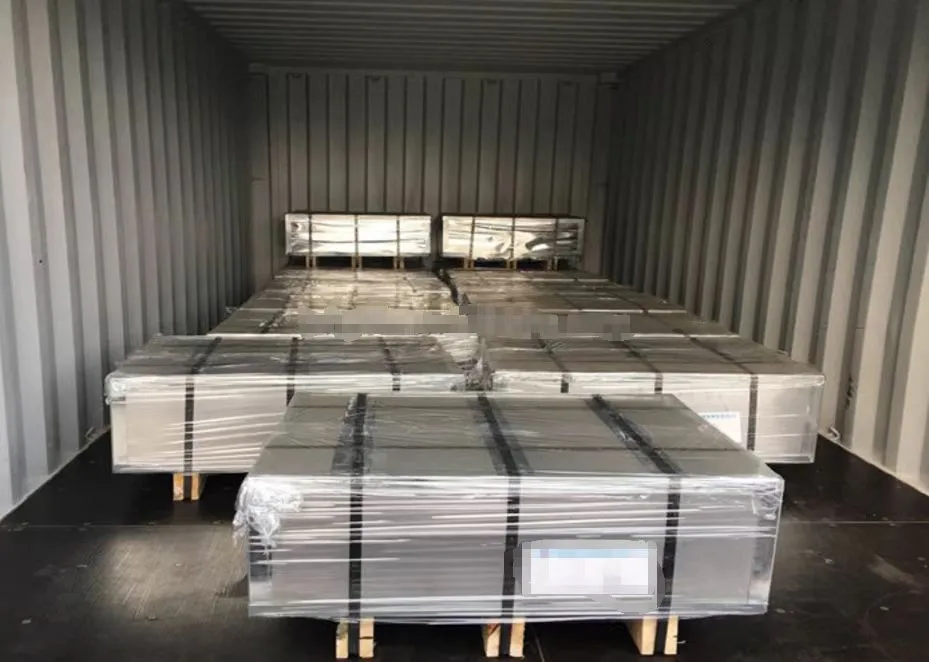
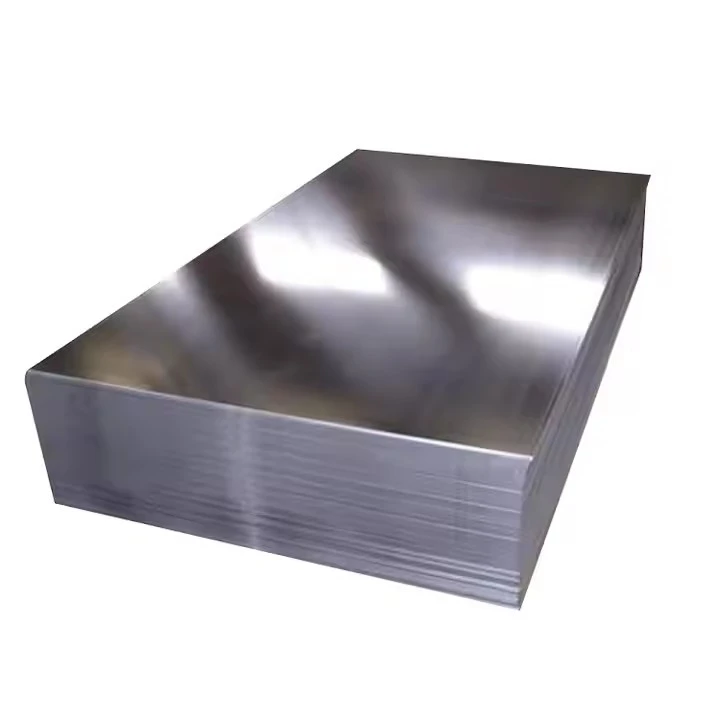
Electrolytic tinplate sheets represent a sophisticated engineering achievement in metal packaging technology. These materials consist of cold-rolled low-carbon steel substrate precisely coated with pure tin through an advanced electrolytic deposition process. The manufacturing involves immersing steel sheets in an electrolytic bath where tin ions migrate and deposit uniformly onto both surfaces, creating a protective barrier that combines the mechanical strength of steel with the superior corrosion resistance of tin. This dual-layer construction delivers exceptional performance characteristics essential for food-grade applications. The production process begins with high-quality low-carbon cold-rolled steel sheets, typically ranging from 0.15mm to 0.50mm in thickness, which provide the foundational strength and formability required for container manufacturing. During electroplating, precise control systems monitor tin coating weight, which typically varies from 1.0 to 11.2 grams per square meter depending on application requirements. This meticulous process ensures consistent coating thickness across the entire sheet surface, eliminating weak points that could compromise container integrity. Following electroplating, the electrolytic tinplate sheets undergo flow melting to create a uniform, bright finish, followed by passivation treatment that enhances long-term corrosion resistance. The final product emerges with superior surface quality, excellent formability, and the food-safe properties demanded by international regulatory standards.
Modern electrolytic tinplate sheets are available in various temper grades from T1 to T5, allowing manufacturers to select the optimal balance between formability and strength for specific applications. Softer tempers facilitate deep drawing operations required for complex can shapes, while harder tempers provide the rigidity necessary for flat closures and crown caps. Surface finishes including bright, stone, and matte options enable customization for aesthetic requirements and printing applications. This versatility makes electrolytic tinplate sheets the preferred choice for packaging engineers seeking reliable, adaptable materials that meet diverse production demands while maintaining consistent quality standards.
Critical Advantages of Electrolytic Tinplate Sheets for Food Preservation
Food preservation represents the primary application driving demand for electrolytic tinplate sheets in the packaging industry. The material's exceptional barrier properties create a hermetic seal that protects contents from oxygen, moisture, light, and external contaminants throughout extended storage periods. Unlike plastic alternatives that permit gradual gas transmission, properly sealed electrolytic tinplate sheets containers provide absolute protection, preventing oxidation that degrades nutritional value, flavor profiles, and visual appeal. This complete barrier function enables manufacturers to extend shelf life significantly, reducing waste while ensuring consumers receive products at peak quality regardless of distribution distances or storage duration. The non-toxic nature of tin coating makes electrolytic tinplate sheets inherently safe for direct food contact applications. Tin exhibits chemical stability across a wide pH range, resisting reactions with acidic foods like tomatoes, citrus products, and pickled vegetables that would corrode unprotected steel surfaces. This inertness prevents metallic taste transfer and maintains product integrity from production through consumption. Food-grade lacquers applied to electrolytic tinplate sheets interior surfaces provide additional protection against specific product interactions, creating customized solutions for challenging applications including high-acid content, sulfur-containing foods, and products requiring extended ambient temperature storage. These protective systems work synergistically with the tin coating to ensure absolute safety compliance with FDA, European Union, and international food contact material regulations.
Beyond preservation and safety, electrolytic tinplate sheets offer superior mechanical protection against physical damage during handling, transportation, and storage. The material's strength-to-weight ratio enables thin-wall container construction that reduces material costs while maintaining crush resistance and impact protection. Can bodies manufactured from electrolytic tinplate sheets withstand stacking loads in warehouse environments and survive distribution system stresses that would compromise lighter-weight alternatives. This robustness translates directly to reduced product loss, lower insurance costs, and enhanced brand reputation through consistent delivery of undamaged products. Additionally, the material's excellent formability permits complex shapes and intricate designs that differentiate premium products, support portion control initiatives, and optimize space utilization throughout the supply chain.
Beverage Industry Applications and Performance Benefits
The beverage industry relies extensively on electrolytic tinplate sheets for carbonated soft drinks, energy beverages, juices, and specialty drinks where maintaining precise carbonation levels and preventing flavor degradation are paramount concerns. The material's ability to withstand significant internal pressure from carbonation while maintaining hermetic sealing protects beverage quality throughout distribution cycles spanning multiple continents and diverse climate conditions. Electrolytic tinplate sheets containers effectively isolate contents from atmospheric oxygen that would oxidize flavor compounds, degrade vitamins, and promote microbial growth in susceptible products. This complete environmental isolation enables extended shelf life that supports global distribution networks and reduces inventory turnover pressures on retailers. Beer and malt beverage packaging represents a specialized application where electrolytic tinplate sheets demonstrate unique advantages over alternative materials. The material's opacity provides absolute light protection, preventing photochemical reactions that create off-flavors in light-sensitive beverages. Crown caps manufactured from heavily tin-coated electrolytic tinplate sheets deliver reliable sealing performance while resisting corrosion from condensation and temperature variations in refrigerated storage environments. The combination of light barrier, gas impermeability, and mechanical strength makes electrolytic tinplate sheets the preferred packaging solution for premium craft beers, imported beverages, and specialty products where quality preservation justifies higher material costs.
Juice and nectar applications benefit from electrolytic tinplate sheets' compatibility with thermal processing technologies including hot-fill, retort, and aseptic filling methods. The material withstands the temperature extremes and pressure variations associated with sterilization processes without warping, delaminating, or compromising seal integrity. This thermal stability enables juice manufacturers to achieve commercial sterility while maintaining nutritional content, natural flavors, and appealing colors that drive consumer preference. Furthermore, electrolytic tinplate sheets' excellent printing characteristics support vibrant graphics and detailed brand messaging that enhance shelf appeal in competitive retail environments. The material accepts various lacquers and inks, enabling eye-catching designs that communicate quality, freshness, and brand values while protecting contents from light-induced degradation.
Manufacturing Containers from Electrolytic Tinplate Sheets
Container manufacturing processes leverage the exceptional formability of electrolytic tinplate sheets to create diverse packaging formats ranging from simple two-piece cans to complex three-piece welded containers and decorative specialty tins. Two-piece can production involves deep drawing operations where circular blanks are progressively formed into cup shapes through multiple drawing and ironing stages, stretching the material into tall, thin-walled cylinders with integral bottoms. This process requires careful selection of temper grades and coating weights to prevent tearing during extreme deformation while maintaining adequate corrosion protection in the finished container. Modern high-speed production lines can manufacture thousands of cans per minute from electrolytic tinplate sheets, demonstrating the material's consistency and reliability under demanding industrial conditions. Three-piece can construction utilizes electrolytic tinplate sheets in a different manufacturing approach, starting with flat printed sheets that are formed into cylinders and joined along a side seam through welding or soldering processes. The cylinder is then fitted with separately formed top and bottom ends, creating containers suitable for food products requiring wider openings or larger volumes than two-piece cans accommodate. This construction method offers flexibility in can dimensions and enables the use of different electrolytic tinplate sheets specifications for can bodies versus ends, optimizing material properties for specific stress conditions. Side seam welding technology has advanced significantly, creating joints that match base material strength while maintaining corrosion resistance through carefully controlled heat input and protective coatings applied post-welding.
Aerosol container production represents a demanding application where electrolytic tinplate sheets' combination of strength, formability, and weldability proves essential for safe, reliable performance. These containers must withstand internal pressures exceeding 100 psi while maintaining perfect sealing throughout their service life and surviving drop tests simulating consumer handling accidents. Manufacturing involves deep drawing operations similar to beverage can production, followed by specialized processes for mounting valve systems and applying decorative coatings. The electrolytic tinplate sheets used in aerosol applications typically feature heavier tin coatings and higher strength base steel to meet stringent safety standards governing pressurized containers. Quality control throughout production ensures every container meets specifications for wall thickness uniformity, seam integrity, and coating continuity that prevent catastrophic failures in consumer use.
Quality Standards and Certification Requirements
International quality standards governing electrolytic tinplate sheets production ensure consistent material properties that meet demanding food and beverage packaging requirements. ISO 9001:2015 quality management certification demonstrates systematic approaches to process control, continuous improvement, and customer satisfaction that characterize reputable manufacturers. These standards require comprehensive documentation of production parameters, regular testing of material properties, and rigorous inspection protocols that identify deviations before non-conforming material reaches customers. Statistical process control methods monitor coating weight uniformity, base steel mechanical properties, and surface finish characteristics, enabling real-time adjustments that maintain output within tight specification windows. Food safety certifications including FDA compliance for food-contact materials verify that electrolytic tinplate sheets meet stringent requirements for material composition, migration limits, and processing conditions. These regulations govern permissible levels of tin coating additives, acceptable ranges for base steel chemistry, and approved lacquer systems for interior can coatings. Manufacturers must demonstrate through extensive testing that their products do not impart harmful substances to packaged foods under worst-case storage conditions spanning temperature extremes and extended time periods. Compliance documentation provides traceability from raw material selection through final product inspection, creating confidence that containers manufactured from certified electrolytic tinplate sheets will protect consumer health while preserving product quality.
Environmental certifications including ISO 14001:2015 environmental management systems reflect growing industry emphasis on sustainable manufacturing practices and life cycle environmental impacts. Leading electrolytic tinplate sheets manufacturers implement programs to reduce energy consumption, minimize water usage, control emissions, and manage waste streams throughout production operations. These initiatives extend to raw material sourcing, favoring suppliers with documented sustainability practices and recyclable packaging materials. The inherent recyclability of electrolytic tinplate sheets supports circular economy principles, as steel recovered from used containers can be repeatedly recycled without quality degradation, reducing dependence on virgin materials and lowering overall environmental footprint of metal packaging solutions.
Customization Options and Technical Support
Modern electrolytic tinplate sheets manufacturers offer extensive customization options that address specific application requirements and enable product differentiation in competitive markets. Coating weight selection allows precise matching of corrosion protection levels to product characteristics and intended shelf life, with lighter coatings suitable for dry goods and heavier coatings specified for high-acid or extended-storage applications. Base steel selection considers strength requirements, formability demands, and cost considerations, with various grades available to optimize performance for two-piece deep-drawn cans versus three-piece welded containers or specialty applications requiring exceptional formability or superior strength properties. Surface finish customization enhances aesthetic appeal and supports brand positioning strategies, with bright finishes creating premium impressions, stone finishes providing distinctive textured appearances, and matte finishes offering subdued elegance for sophisticated product presentations. These surface variations also affect printing characteristics and lacquer adhesion properties, requiring careful coordination between electrolytic tinplate sheets suppliers, can manufacturers, and brand owners to achieve desired visual effects while maintaining technical performance. Advanced manufacturers maintain extensive sample libraries and provide technical consultation services that guide customers through selection processes, ensuring optimal material specifications for intended applications while identifying potential cost-reduction opportunities through standardization or alternative grade selections.
Comprehensive technical support distinguishes leading electrolytic tinplate sheets suppliers from commodity providers, offering value beyond material supply through application engineering expertise, problem-solving capabilities, and collaborative development partnerships. Experienced technical teams assist with container design optimization, forming parameter development, and troubleshooting production challenges that emerge during can manufacturing operations. This support extends to coating system selection, lacquering recommendations, and print process optimization that maximizes container performance and visual appeal. Suppliers with strong R&D capabilities can develop specialized electrolytic tinplate sheets grades for emerging applications, responding to evolving market demands for lighter-weight containers, improved sustainability profiles, or enhanced barrier properties that extend product shelf life in challenging distribution environments.
Sustainable Packaging Solutions with Electrolytic Tinplate Sheets
Environmental sustainability represents an increasingly critical consideration in packaging material selection, with electrolytic tinplate sheets offering compelling advantages over alternative materials throughout their life cycle. The material's infinite recyclability enables closed-loop recovery systems where used containers are collected, sorted, de-tinned, and returned to steel production processes without quality degradation. Steel's magnetic properties facilitate efficient separation from waste streams, achieving high recovery rates that significantly exceed those for non-magnetic materials. This recyclability reduces landfill waste, conserves natural resources, and lowers the carbon footprint associated with packaging production, aligning with corporate sustainability goals and consumer preferences for environmentally responsible products. Energy recovery from electrolytic tinplate sheets recycling contributes substantially to sustainable manufacturing operations, as steel recycling requires significantly less energy than primary production from iron ore. The de-tinning process recovers valuable tin for reuse in new electrolytic tinplate sheets production, creating economic incentives that support collection infrastructure and improve overall recycling system viability. Modern recycling facilities achieve tin recovery rates exceeding ninety-five percent, demonstrating the efficiency of established recovery technologies and the economic value retained in used containers. This circular material flow reduces dependence on mined resources, mitigates environmental impacts associated with ore extraction and processing, and supports long-term sustainability of metal packaging systems.
Beyond recyclability, electrolytic tinplate sheets contribute to food waste reduction through extended shelf life capabilities that minimize spoilage throughout distribution and retail cycles. The material's superior barrier properties maintain product quality for extended periods without refrigeration, reducing energy consumption associated with cold chain distribution and enabling access to nutritious foods in regions lacking reliable refrigeration infrastructure. This preservation function delivers environmental benefits that often exceed impacts associated with packaging production and disposal, creating a net positive sustainability profile when total system impacts are evaluated. Life cycle assessment studies consistently demonstrate that metal packaging systems, including those utilizing electrolytic tinplate sheets, deliver favorable environmental performance across multiple impact categories when product protection and waste reduction benefits are comprehensively considered.
Conclusion
Electrolytic tinplate sheets deliver unmatched performance for food and beverage packaging through superior barrier properties, food-safe composition, exceptional formability, and sustainable recyclability that address industry challenges comprehensively.
Cooperate with Shandong Three Iron-Printing & Tin-Making Co.,Ltd.
Partner with Shandong Three Iron-Printing & Tin-Making Co.,Ltd., your premier China electrolytic tinplate sheets manufacturer and China electrolytic tinplate sheets supplier strategically located in Linyi Economic and Technological Development Zone. Our state-of-the-art facility spans over 270,000 square meters, housing advanced production lines from Germany, Japan, Switzerland, and Italy that deliver an annual capacity of 50,000 tons of printing iron with ISO9001:2008, ISO14001:2004, SGS, BPA, and CE certifications. As a leading China electrolytic tinplate sheets factory offering China electrolytic tinplate sheets wholesale and electrolytic tinplate sheets for sale, we provide High Quality electrolytic tinplate sheets at competitive electrolytic tinplate sheets price points backed by our mature R&D team, comprehensive technical support, robust financial strength, and extensive inventory. Our seamless construction prevents leaks, customizable exteriors enhance brand messaging, recyclable materials support sustainability goals, and stackable designs optimize logistics efficiency. Contact our experienced team at info@threefoodcan.com today to discuss your packaging requirements and discover how our premium electrolytic tinplate sheets solutions can elevate your product quality, reduce costs, and strengthen your competitive position in global markets.
References
1. Zhang, W., Liu, H., & Chen, Y. (2023). "Advanced Electrolytic Tinplating Technologies for Food Packaging Applications." Journal of Materials Processing Technology, Vol. 312, pp. 117-134.
2. Anderson, K. M., & Thompson, R. J. (2022). "Corrosion Resistance and Barrier Properties of Electrolytic Tinplate in Beverage Containers." Packaging Technology and Science, Vol. 35, Issue 8, pp. 621-638.
3. European Committee for Standardization (2024). "EN 10202:2024 - Cold Reduced Tinmill Products - Electrolytic Tinplate and Electrolytic Chromium/Chromium Oxide Coated Steel." Brussels: CEN Publications.
4. Robertson, G. L. (2021). "Food Packaging: Principles and Practice, Fourth Edition." Boca Raton: CRC Press, Chapter 9: Metal Packaging Materials, pp. 287-324.
5. International Tin Association (2023). "Sustainability and Life Cycle Assessment of Tinplate Packaging in the Food and Beverage Industry." London: ITA Technical Report Series, Report No. 47.
YOU MAY LIKE