

Key Characteristics of High‑Performance Electrolytic Tinplate Sheets
2026-06-24
In today's competitive packaging industry, manufacturers constantly struggle with material selection challenges that directly impact product quality, shelf life, and consumer safety. When food contamination risks threaten brand reputation, when corrosion issues compromise packaging integrity, and when environmental regulations demand sustainable solutions, high-performance electrolytic tinplate sheets emerge as the critical answer to these pressing concerns. Understanding the key characteristics of these advanced materials enables packaging professionals to make informed decisions that protect products, reduce costs, and meet stringent international standards while addressing the fundamental pain points that keep production managers awake at night.
Understanding Electrolytic Tinplate Sheets and Their Manufacturing Excellence
Electrolytic tinplate sheets represent a sophisticated engineering achievement in modern metal packaging technology, combining the structural strength of low-carbon steel with the protective properties of pure tin coating applied through advanced electrolytic deposition processes. The manufacturing journey begins with carefully selected cold-rolled low-carbon steel substrate, which undergoes rigorous surface preparation including cleaning, degreasing, and pickling to remove any oxide scale or impurities that could compromise coating adhesion. The electrolytic tinplating process then deposits a precisely controlled layer of pure tin onto both surfaces of the steel substrate, with coating weights ranging from 1.0 to 11.2 grams per square meter depending on application requirements. Following tin deposition, the material undergoes flow melting treatment to create an iron-tin alloy layer that enhances coating adhesion and corrosion resistance, followed by passivation treatment that forms a protective chromium oxide layer preventing tin oxidation during storage. Optional oiling applications facilitate handling and prevent surface oxidation, ensuring electrolytic tinplate sheets arrive at manufacturing facilities in optimal condition for downstream processing operations.
Critical Technical Parameters That Define Performance
The technical specifications of high-performance electrolytic tinplate sheets directly influence their suitability for specific packaging applications and processing requirements. Thickness parameters typically range from 0.15 millimeters to 0.50 millimeters, with thinner gauges suited for lightweight containers and heavier gauges providing enhanced strength for industrial packaging applications. Width specifications commonly span from 600 millimeters to 1000 millimeters, accommodating various can-making equipment configurations and blank cutting patterns that optimize material utilization while minimizing waste. Tin coating weight selection represents a critical specification decision, with lighter coatings sufficient for internally coated containers while heavier coatings provide superior corrosion resistance for challenging product contents including acidic foods, high-protein products, and certain beverages. Base steel grades including MR (medium residual), L (low residual), and DI (dingot iron) offer different levels of internal corrosion resistance and formability characteristics tailored to specific end-use requirements. Surface finish options including bright, stone, and matte finishes provide distinct aesthetic and functional properties, with bright finishes offering maximum light reflectivity for premium product presentation while matte finishes deliver superior ink adhesion for decorative printing applications.
Temper Classification System and Mechanical Properties
The temper designation system for electrolytic tinplate sheets provides essential information regarding material hardness, strength, and formability characteristics that determine suitability for various forming operations. T1 temper represents the softest condition with maximum formability, ideal for deep drawing applications requiring extreme material elongation without surface defects or cracking. T2 temper offers slightly increased hardness while maintaining excellent formability, making it the most commonly specified grade for general food and beverage can production where moderate forming severity combines with reasonable material strength requirements. T3 temper provides balanced properties between formability and strength, suitable for containers requiring structural integrity while accommodating typical forming operations including drawing, redrawing, and ironing processes. T4 and T5 tempers deliver progressively higher strength and hardness levels for applications where stiffness and resistance to deformation outweigh formability considerations, such as easy-open ends, crown caps, and other closure applications. Understanding these temper classifications enables packaging engineers to select electrolytic tinplate sheets that optimize the balance between formability during manufacturing and structural performance in finished containers, ultimately reducing production defects while ensuring container integrity throughout distribution and consumer use.
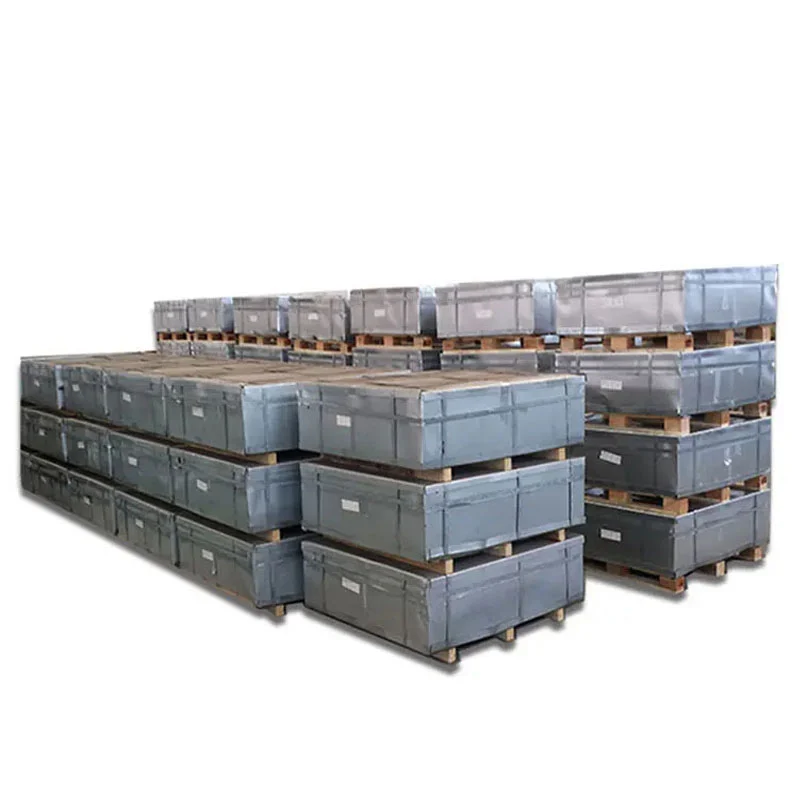
Superior Corrosion Resistance and Protective Properties of Electrolytic Tinplate Sheets
The exceptional corrosion resistance of high-performance electrolytic tinplate sheets stems from the unique multi-layer protective system created during the manufacturing process, providing comprehensive protection against both external environmental conditions and internal container contents. The tin coating serves as the primary barrier layer, preventing direct contact between aggressive substances and the underlying steel substrate through both physical isolation and electrochemical protection mechanisms. When minor coating defects or discontinuities occur, tin's electrochemical position relative to steel provides sacrificial protection, corroding preferentially to prevent steel substrate attack and maintain container integrity even under challenging conditions. The iron-tin alloy layer formed during flow melting treatment enhances coating adhesion while contributing additional corrosion resistance through its dense crystalline structure that resists penetration by corrosive agents. The passivation layer, typically composed of chromium oxide or chromium metal, provides crucial protection against tin oxidation during storage and handling while improving adhesion for organic coatings applied during decorative lithography or internal lacquering operations. This comprehensive protective system enables electrolytic tinplate sheets to safeguard sensitive food products, beverages, and industrial contents against moisture, oxygen, light, and chemical reactions that would otherwise compromise product quality, safety, and shelf life.
Food Safety Compliance and Non-Toxic Characteristics
High-performance electrolytic tinplate sheets meet the most stringent food safety requirements established by regulatory authorities worldwide, making them the preferred choice for direct food contact applications across diverse product categories. Tin's inherent non-toxic nature ensures that electrolytic tinplate sheets can safely contact food and beverage products without risk of harmful substance migration that could endanger consumer health or violate regulatory standards. Advanced manufacturing processes ensure that electrolytic tinplate sheets comply with FDA regulations in the United States, European Union food contact material directives, and comparable standards in markets throughout Asia, Latin America, and other regions where food safety concerns drive material selection decisions. Leading manufacturers including Shandong Three Iron-Printing & Tin-Making Co., Ltd maintain comprehensive certification portfolios including ISO 9001 quality management systems, ISO 14001 environmental management systems, BPA-free certifications, and SGS testing verification that demonstrate ongoing commitment to food safety and product quality excellence. Regular testing protocols verify that electrolytic tinplate sheets meet migration limits for tin and other elements, ensuring that finished containers protect rather than contaminate the food products they package while supporting brand reputation and consumer confidence in product safety.
Exceptional Formability and Processing Advantages
The outstanding formability characteristics of electrolytic tinplate sheets enable complex container shapes and configurations that meet diverse functional and aesthetic requirements while maintaining production efficiency and cost-effectiveness. The carefully controlled mechanical properties including tensile strength, yield strength, and elongation values ensure that electrolytic tinplate sheets can withstand severe forming operations without surface defects, cracking, or dimensional inconsistencies that would compromise container appearance or functionality. Deep drawing operations that transform flat blanks into cylindrical or rectangular cup shapes benefit from the exceptional ductility and uniform material properties that prevent thinning, wrinkling, or tearing during plastic deformation. Redrawing and ironing processes used in two-piece can manufacturing rely on the consistent formability of electrolytic tinplate sheets to achieve precise wall thickness reduction while maintaining surface quality and structural integrity throughout high-speed production operations. The excellent springback characteristics of properly selected temper grades ensure that formed containers maintain accurate dimensions and tolerances essential for proper closure performance, stacking stability, and filling line compatibility.
Surface Quality and Decorative Finishing Capabilities
The superior surface quality of high-performance electrolytic tinplate sheets provides an ideal substrate for decorative lithography, printing, and coating operations that transform functional containers into powerful marketing tools supporting brand recognition and consumer appeal. The smooth, uniform tin coating surface accepts various printing inks and organic coatings with excellent adhesion, enabling high-resolution graphics, photographic imagery, and complex color schemes that communicate brand identity and product information effectively. Bright surface finishes deliver exceptional light reflectivity and metallic appearance that conveys premium product positioning while attracting consumer attention on crowded retail shelves. Stone and matte finishes provide alternative aesthetic options for brands seeking distinctive visual characteristics, with enhanced ink adhesion properties that support superior print quality and color vibrancy. The chemical compatibility between tin surfaces and common lithographic inks, lacquers, and protective coatings ensures reliable processing performance during high-speed printing and coating operations while delivering finished containers that resist scratching, scuffing, and wear during distribution and consumer handling. Advanced surface treatments available from specialized manufacturers enhance these decorative finishing capabilities while maintaining the fundamental protective properties that make electrolytic tinplate sheets the material of choice for premium packaging applications.
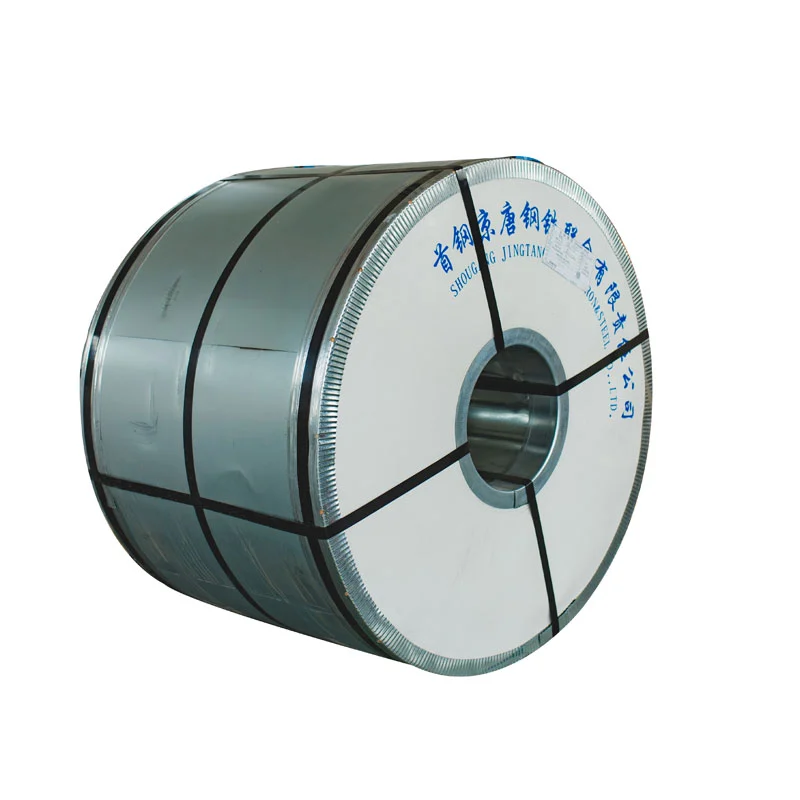
Sustainability and Environmental Performance
The environmental credentials of electrolytic tinplate sheets align with growing consumer demand for sustainable packaging solutions and regulatory requirements mandating reduced environmental impact across product lifecycles. The unlimited recyclability of steel-based packaging materials enables electrolytic tinplate sheets to participate in closed-loop recycling systems where used containers return as raw material for new steel production, conserving natural resources while reducing energy consumption and greenhouse gas emissions associated with primary steel manufacturing. Separation processes in modern recycling facilities efficiently recover tin coatings for reuse in various industrial applications, maximizing material recovery rates while minimizing waste disposal requirements. The energy efficiency advantages of steel recycling, requiring approximately seventy percent less energy than primary production, contribute significantly to the overall environmental performance of packaging systems utilizing electrolytic tinplate sheets. Lightweight design capabilities enabled by the exceptional strength-to-weight ratio of modern electrolytic tinplate sheets reduce material consumption per container while maintaining structural integrity and protective performance, further enhancing sustainability credentials through source reduction strategies.
Lifecycle Assessment and Carbon Footprint Considerations
Comprehensive lifecycle assessment studies demonstrate that packaging systems utilizing electrolytic tinplate sheets deliver competitive environmental performance across multiple impact categories including resource depletion, energy consumption, and greenhouse gas emissions. The durability and protective properties of electrolytic tinplate sheets extend product shelf life, reducing food waste that represents a far more significant environmental burden than packaging material production and disposal. The barrier properties preventing oxygen transmission, moisture ingress, and light exposure protect sensitive food and beverage products from spoilage and degradation, ensuring that resources invested in product cultivation, processing, and distribution achieve their intended purpose of delivering safe, nutritious food to consumers. The compatibility of electrolytic tinplate sheets with ambient temperature distribution systems eliminates the energy consumption and refrigeration equipment requirements associated with cold chain logistics, further reducing the overall carbon footprint of packaged products throughout their distribution lifecycle. Progressive manufacturers continue investing in production process improvements that reduce energy consumption, minimize waste generation, and lower environmental impact while maintaining the quality and performance standards that make electrolytic tinplate sheets indispensable for modern packaging applications.
Advanced Manufacturing Capabilities and Quality Control
State-of-the-art production facilities operated by leading manufacturers including Shandong Three Iron-Printing & Tin-Making Co., Ltd integrate advanced equipment from Germany, Japan, Taiwan, and Switzerland to deliver electrolytic tinplate sheets meeting the most demanding quality specifications and performance requirements. High-speed electrolytic tinplating lines equipped with precision coating weight control systems ensure consistent tin deposition across the full width and length of production coils, eliminating variation that could compromise downstream processing performance or finished container quality. Automated surface inspection systems utilizing high-resolution cameras and advanced image processing algorithms detect coating defects, surface blemishes, and contamination in real-time, enabling immediate corrective actions that maintain production quality while minimizing material waste. Sophisticated testing laboratories verify mechanical properties, coating characteristics, and surface quality through standardized test methods including tensile testing, coating weight measurement via X-ray fluorescence spectroscopy, and formability assessment using specialized tooling that simulates actual production conditions. Comprehensive quality management systems certified to ISO 9001 standards ensure systematic approach to process control, continuous improvement, and customer satisfaction that delivers consistent product quality and reliable supply chain performance.
Technical Support and Application Engineering Services
Leading electrolytic tinplate sheet suppliers recognize that material selection represents only one element of successful packaging development, providing comprehensive technical support and application engineering services that help customers optimize container designs, processing parameters, and quality control procedures. Experienced technical teams work collaboratively with packaging designers and production engineers to evaluate material specifications against specific application requirements, considering factors including container geometry, forming severity, product compatibility, and cost-effectiveness constraints. Pilot-scale forming trials validate material suitability and processing parameters before full-scale production implementation, identifying potential issues and optimization opportunities that prevent costly production disruptions and quality problems. Ongoing technical support during production ramp-up ensures smooth transitions from development to commercial manufacturing, with responsive problem-solving assistance addressing unexpected challenges that emerge during initial production runs. This comprehensive support infrastructure distinguishes leading suppliers from commodity material providers, creating partnerships that extend beyond simple buyer-seller transactions to collaborative relationships supporting mutual success and continuous improvement.
Conclusion
High-performance electrolytic tinplate sheets deliver the essential combination of corrosion resistance, formability, food safety, and sustainability that modern packaging applications demand across diverse industries and product categories.
Cooperate with Shandong Three Iron-Printing & Tin-Making Co., Ltd.
As a trusted China electrolytic tinplate sheets manufacturer, China electrolytic tinplate sheets supplier, and China electrolytic tinplate sheets factory, Shandong Three Iron-Printing & Tin-Making Co., Ltd. operates from the prestigious Linyi Economic and Technological Development Zone, strategically positioned north of the railway station and west of the airport across more than 270,000 square meters of advanced production facilities. Our dedicated workforce exceeding 300 professionals, including over 50 management personnel and 65 specialized technical experts, operates six production lines from Germany, six lines from Japan, four Fuji printing lines, six lines from Taiwan, eight Switzerland Soudronic high-speed aerosol tank production lines, and eight Italy BMV top cover stamping equipment installations. These world-class manufacturing capabilities enable annual output exceeding 50,000 tons of printing iron, 600 million cans, and 2 billion easy-pull covers that serve customers across USA, Germany, Poland, Russia, Vietnam, Indonesia, Thailand, Mongolia, Cambodia, and beyond. Our comprehensive certifications including ISO9001:2008, ISO14001:2004, SGS, BPA, and CE demonstrate unwavering commitment to quality excellence and environmental responsibility. When you choose our China electrolytic tinplate sheets wholesale programs, you receive High Quality electrolytic tinplate sheets for sale at competitive electrolytic tinplate sheets price points supported by mature R&D teams, exceptional technical support, strong financial stability, large inventory availability, and complete certification portfolios. Our seamless construction prevents leakage, customizable exteriors enhance brand messaging, recyclable materials support environmental consciousness, and stackable designs optimize storage and transportation efficiency. Contact our experienced team today at info@threefoodcan.com to discuss your specific requirements and discover how our advanced production capabilities deliver packaging solutions that exceed expectations while supporting your success in competitive global markets.
References
1. "Tinplate and Tin Free Steel: Principles and Technology" by A.G. Akimov and V.P. Urusov, Metallurgical Industry Press
2. "Metal Packaging: Technology and Applications for Food, Beverage and Other Products" by Geoff Giles, Blackwell Publishing
3. "Corrosion and Protection of Tinplate" by T. Suzuki and M. Yamada, Iron and Steel Institute of Japan
4. "Food Packaging Materials: Testing and Quality Assurance" by Richard Coles, Derek McDowell, and Mark Kirwan, CRC Press
5. "Electrolytic Tinplate Manufacturing: Process Control and Product Quality" by International Tin Research Institute, Technical Publication Series
YOU MAY LIKE