

Why Choose a Lid with a Ring for Full Aperture Opening?
2026-08-31
Choosing a lid with a ring https://www.threefoodcan.com/tfs-lids-tfs/lid-with-a-ringfor full aperture opening delivers unmatched convenience and reliability in industrial food packaging. This closure system combines a sealing cap with a secure ring mechanism, enabling complete access to container contents while maintaining exceptional product integrity. For B2B buyers managing large-scale operations in canned food production, this design dramatically improves filling efficiency, reduces contamination risks, and extends shelf life. The full aperture configuration allows processors to pack chunky ingredients like fish, meat, and vegetables without obstruction, while the ring mechanism creates uniform compression around the entire sealing surface, preventing leakage during transport and storage across global supply chains.
Comparing Lid with Ring Solutions for B2B Procurement
To make a procurement choice, you need to carefully weigh the costs and benefits of professional performance. When buyers know how the different Lid with a Ring closure systems compare, they can choose the best one for their production environment and the type of product they make.
Sealing Performance and Container Compatibility
When it comes to making uniform, effective seals across production runs, Lid with a Ring is the best. The ring mechanism puts pressure all the way around the container curl, which compresses the gasket material evenly. This stops the weak spots that can appear in friction-fit snap lids when uneven pressure leaves holes that let air or moisture in. The performance in drop tests is better, with properly sealed packages staying together after hits that would damage other closure methods. Both metal and composite cans within the defined width ranges can be used as containers. Because the curl dimensions are standard, manufacturers can get containers from more than one source without having to redesign their sealing equipment. This adaptability makes the supply chain strong, so buyers can stick to production schedules even if their preferred vendors temporarily have limited capacity.
Material Trade-offs and Sustainability Considerations
When it comes to food packaging, TFS material has clear benefits over plastic options. Because it is made of steel, the base completely blocks light, air, and moisture, all of which are bad for food quality. When properly sealed, a metal Lid with a Ring keep hermetic conditions forever, while plastic caps may let tiny gases pass through over long periods of time. This makes products last longer, which cuts down on waste from the maker to the customer. Another big benefit is that it can be recycled. Steel is one of the most recycled materials in the world, and most markets already have systems in place to collect and process it. Multi-material packages need special handling, but containers with a metal Lid with a Ring can go straight into the recycling stream without having to be separated first. This fits with companies' efforts to be more environmentally friendly and appeals to people who care about the environment and are looking more closely at the packaging choices they make. The choices for the outer coating strike a balance between usefulness and care for the environment. Plain lacquer finishes in gray or golden tones protect against corrosion without using too much material. During production, these coatings harden quickly, which allows for high-speed production without drying processes that use a lot of energy. Because the MOQ is low, these environmentally friendly choices can be used by smaller businesses that want to try out new goods or get into niche markets.
Cost Efficiency Analysis
It is clear that Lid with a Ring is good value when looking at the total cost of ownership. Because TFS construction is long-lasting, there are fewer seal failures during production, which means less product loss and lower costs for repairs. Because the same cap fits multiple product lines, the standard sizes make inventory management easier. This lowers storage costs and speeds up the buying process. Our method to manufacturing helps cost-effective buying by letting you choose the amount you want to order. The low MOQ structure lets buyers try out different packaging options without having to buy too much inventory, which would tie up their working capital. Free samples let you check the quality before making a production order. This lowers the chance of finding expensive standard errors after delivery.
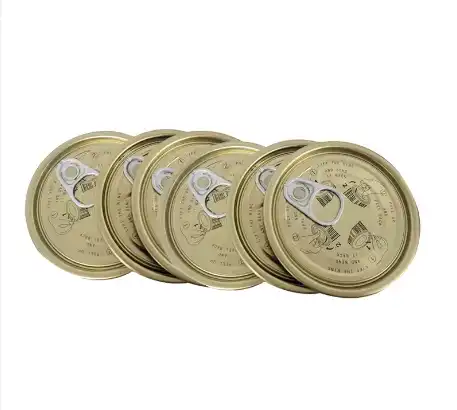
Practical Benefits of Choosing a Lid with a Ring for Full Aperture Opening
In competitive food manufacturing environments, operational efficiency is what makes businesses money. Full aperture Lids with a Ring have practical benefits that lead to better production numbers and a stronger place in the market.
Enhanced Accessibility and Processing Speed
Full opening access changes how filling works on production lines. When product can flow freely into large openings without being slowed down, automated filling equipment works faster. Chunky ingredients, like diced vegetables or meat bits, don't get stuck in narrow-neck containers when they go into full-aperture designs. This means that lines don't have to stop and repair workers don't have to do as much. Operations that pack things by hand also gain a lot. When the whole inside of the container is clear and easy to get to, workers who are working with artisan or specialty goods can carefully arrange the ingredients for the best appearance. This is especially helpful for high-end items whose looks affect people's decisions to buy them. The ergonomic benefits keep workers from getting tired when they have to do the same packing tasks over and over again, which helps them be productive during long shifts.
Product Protection and Shelf Life Extension
The Lid with a Ring system makes a hermetic seal that keeps out organisms that cause rotting and stops oxidation processes. This protection starts as soon as the package is sealed and lasts through distribution and storage. Products keep their taste, texture, and nutritional value until the customer opens the packaging. This makes the customer happy and encourages them to buy again. Keeping things from getting contaminated isn't just about avoiding microbes. The full seal keeps dust or bugs from getting into the cases while they are being stored or displayed in stores. This protection is especially important in markets where storage is hard to do or where products have long supply chains that go through many handling points before they reach customers. Changes in temperature during shipping and storage can cause differences in pressure that put stress on the seals on packages. The strong design of the lid with a Ring lets them handle these problems without affecting the seal's integrity. The quality of goods stays the same whether they are shipped by ocean freight through tropical climates or kept in temperature-controlled warehouses in temperate areas.
Durability and Reusability Factors
The mechanical strength of the TFS structure ensures that closures keep working properly during the delivery cycle. Metal closures keep their shape and ability to seal, while a plastic Lid with a Ring can break when hit or deform when exposed to high temperatures. This durability cuts down on product waste from broken packages and customer comments about broken closures. Food safety rules usually say that these closures can only be used once in commercial canning, but because they are so durable, customers can use them again after the first product they eat. People at home reuse old containers that are sealed with rings to store food, keep art supplies organized, or set up their workshops. This added use makes the item seem more valuable and strengthens good brand associations.
How to Select the Right Lid with a Ring for Your Business Needs
For strategic procurement to work, technical specifications must be carefully compared to operational needs. An organized selection framework helps buyers sort through their choices and find solutions that meet both their short-term output needs and their long-term business goals by choosing the best Lid with a Ring.
Material Selection and Product Compatibility
TFS material is good for most food packing uses, but when choosing a coating, you need to think carefully about the science of the product. Foods that are high in acid (pH below 4.6), like citrus fruits and tomato products, need special coatings that protect them from acid attack. The white enamel coating choice is a great way to protect these things because it stops metal from dissolving, which could change the taste or look. Products with a neutral pH, like meat and vegetables, work well with golden lacquer coatings, which protect well and don't cost as much as other Lid with a Ring options. The metal coating is the best choice for goods that have special chemical properties or need to last longer than the usual time for canned foods to go bad. Costly problems can be avoided by testing the fit of the product finish before full production starts. Our free sample program lets quality teams do rapid shelf life studies to make sure that the chosen close Lid with a Ring specs keep the product's integrity for the whole storage period.
Diameter Sizing and Container Integration
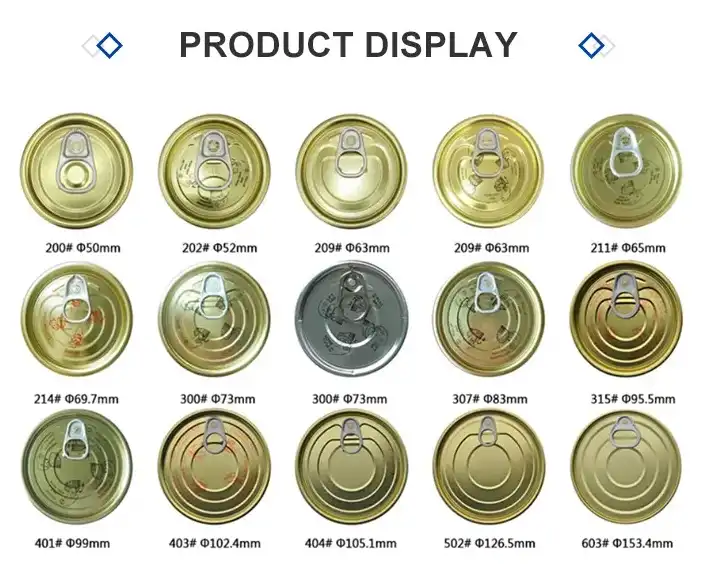
Matching the diameter of the closure to the specs of the container provides a good fit and smooth production. There are six diameter choices for the Lid with a Ring, ranging from 50 mm for single-serving portions to 99 mm for family-size packages. These diameters cover normal can sizes used in the food business. The compatibility of production equipment affects the choice of size. For sealing machines that are made for specific container sizes, lids with a Ring that exactly fit those sizes are needed. Buyers who have more than one production line may agree on standard sizes to make managing their inventory easier and give them more options for allocating capacity across product families. Size choices are also based on what the market wants. Consumer research shows that people have different tastes when it comes to certain package sizes depending on the type of product and where they live. Choosing a closure that fits these preferences will make the item look better on the shelf and increase the number of purchases.
Supplier Evaluation Criteria
Picking the right supplier for the closure has just as much of an effect on business efficiency as picking the right Lid with a Ring specs. Beside unit price, procurement teams should look at a supplier's skills in a number of other areas as well. If suppliers can handle more orders as a product becomes more popular, it depends on how much they can produce. Our yearly production of 2 billion easy-open covers gives our customers peace of mind that we can support them thru times of rapid growth without having to rely on emergency Lid with a Ring supplies from other vendors. Quality certifications provide proof of the norms and limits used in the production process. ISO9001 certification shows a dedication to consistent quality management, and food safety certifications show that you know how to meet the unique needs of your business. Our Lid with a Ring certifications, such as ISO9001 and meeting international standards, give buyers the proof they need for their own quality systems and regulatory submissions. Planning production and keeping track of supplies are both affected by lead times and how reliable deliveries are. Suppliers who keep a lot of finished goods in stock can quickly fill Lid with a Ring pressing orders or meet sudden demand jumps. Because we have a lot of inventory, we can deliver quickly, which helps our customers keep their working capital from getting stuck in safety stock and keeps production from stopping because of late orders. When buying things, it's important for suppliers to be able to offer technical support. Having access to skilled application engineers helps buyers improve the standards for Lid with a Ring in new products or fix problems with performance in production that is already underway. Our 65 skilled technical staff members give customers the knowledge they need throughout the lifecycle of a product, from the initial specification to ongoing production assistance.
Trusted Suppliers and Purchasing Options for Lids with Rings
Setting up reliable supply relationships gives you an edge over your competitors that goes beyond individual deals when purchasing Lids with a Ring. Knowing how to choose a supplier and the different ways to buy things lets you make smart decisions that improve the performance of the supply chain.
Global Manufacturing Excellence
Three's main office is in the Linyi Economic and Technological Development Zone, which is spread out over 270,000 square meters and is conveniently located near rail and air connections. This position makes it easy to get raw materials and send the final Lid with a Ring to customers in and outside of the country. Because of their size, they can afford to invest in advanced manufacturing technology that smaller suppliers can't afford. Our inventory of tools includes specialized machines made by top companies around the world. Six production Lid with a Ring lines from Germany and Japan make up the main manufacturing capacity. Four printing lines from Fuji provide high-quality graphics for branded packaging. The eight high-speed spray production lines from Soudronic in Switzerland and the eight BMV pressing equipment units from Italy are the newest ways to make precise closures. This infrastructure for production means constant quality and low prices. Automated production cuts down on human tasks that require a lot of work and can lead to variations in Lid with a Ring quality. High-speed equipment also spreads out the cost of capital over a large production volume. As a result, customers get solid goods at prices that help them make money, even in competitive market areas.
Certification and Quality Assurance
International certifications prove the quality of the Lid with a Ring and make it easier to get into markets with different rules. ISO9001 certification shows that a company is using a secure approach to quality management that covers all of its processes, from receiving an order to delivering the finished product. The process of getting certified includes checking written procedures, training programs for employees, and efforts to keep getting better, which lead to high-quality work. Environmental approvals address customers' growing worries about the long-term viability of industry. The ISO14001 Environmental Management System certification shows that we are committed to reducing the damage our Lid with a Ring processes do to the earth. Customers can be sure that their supply chain partners care about the environment and follow the rules for good business practices set by stakeholders when this certification is issued. Product-specific approvals help customers follow the rules set by regulators. SGS certification makes sure that the Lid with a Ring is safe for use with food, and BPA-free certification eases consumers' worries about their health. With a CE mark, a product can be sold all over Europe without having to go through any extra testing or paperwork.
Purchasing Strategies for B2B Buyers
For people who buy a lot, buying a lid with a Ring directly from the maker is better than buying through a reseller. Getting rid of markups on the middlemen lowers the cost per unit, and talking directly with production teams lets you make changes and improve specifications. Our customer service structure makes it easy for people to talk to us, and our account managers coordinate the technical, commercial, and logistics parts of the business. Order freedom meets the needs of a wide range of customers with different company needs. Because our Lid with a Ring MOQ is low, our closure solutions can be used by both new brands trying out new goods and established brands adding to their line. With volume-based pricing, bigger commitments are rewarded, but smaller orders are still treated fairly. Having samples available speeds up the decision-making process and lowers the risk of buying. Giving away free samples lets people try Lid with a Ring out and see if they work with their needs before committing to a buy. Customers check the accuracy of the dimensions, the look of the coating, and how well it works by using their own production tools and product formulations.
International Logistics and Delivery Options
Experience in global trade ensures that Lid with a Ring deals across borders go smoothly and deliveries are made on time. Our export operations help customers in the US, Europe, and the Asia-Pacific area deal with a wide range of customs rules and paperwork standards. Customers can avoid common mistakes in foreign purchasing that cause deliveries to be late or costs to be higher than expected with this knowledge. Optimizing how containers are loaded lowers the cost of shipping each Lid with a Ring unit. Our transportation team plans box layouts that make the best use of space in containers and keep goods safe during transport. When things are packaged properly, they don't get damaged or deformed like they might if they were handled less carefully. Accurately planning production and keeping track of Lid with a Ring shipments are the first steps in lead time management. Customers are kept up to date on the status of their orders on a regular basis, from the start of production to the final delivery. This makes it possible to accurately plan inventory and production schedules.
Conclusion
When you choose Lids with a Ring for full aperture openings, you get real benefits in terms of production efficiency, product safety, and the stability of the supply chain. The TFS construction makes it very durable and safe for food, and the ring mechanism makes sure that there is consistent hermetic sealing, which keeps food fresh longer and stops contamination. Our wide diameter range, which includes things from 200# to 401# standards, serves a wide range of products, from sauces and veggies to seafood and meat. The low MOQ structure and free sampling program lower the risk of procurement, so you can make choices with confidence knowing that they will be backed up by hands-on Lid with a Ring proof. With ISO9001 certification, a large production capacity, and a track record of international delivery, Three is ready to meet your packaging needs with technical know-how and top-notch manufacturing that will help you stay competitive.
FAQ
What distinguishes a lid with a ring from standard snap-fit closures?
The most important difference is how the seals work. With a Lid with a Ring, a gasket is compressed evenly around the outside of the container by mechanical clamping force acting through the ring. Snap-fit closures stay in place because of friction and the way plastic deforms when it is stretched. The ring method provides a stronger seal for goods that need to last longer or be resistant to changes in internal pressure during heat processing.
Can closures be customized for specific container dimensions outside standard sizes?
Customization may be possible depending on the number of Lid with a Ring items ordered and the size needs. Our normal range, which includes diameters from 50mm to 99mm, covers most business needs. It becomes economically viable to make custom tools for non-standard sizes when the number of orders is high enough that the cost of the tools is spread out over a sufficient number of units. Our technical team looks at unique requests and suggests the best ways to go based on both how feasible it is to make the item and what the customer's business needs are.
Which coating option works best for foods that are made with tomatoes?
When it comes to high-acid foods like tomato sauces and ketchups, the white metal inner Lid with a Ring layer works best. The enamel formula is resistant to acid attacks that could damage other covering types. This keeps the product's look throughout its shelf life and stops metallic tastes from developing. Accelerated shelf life testing with your specific formulation makes sure that the two work together before they are put into production.
Partner with Three for Premium Lid with Ring Solutions
Three makes high-performance seals that are designed for tough food packing uses in markets around the world. Our TFS Lid with a Ring designs combine the ease of a full opening with the dependability of a hermetic seal that keeps the quality of the product safe from production to consumption. With the ability to make more than 2 billion units a year, cutting-edge technology from global leaders in technology, and ISO9001-certified quality systems, we provide consistent Lid with a Ring specifications that improve your brand's reputation and production efficiency. The wide range of diameters, from 50mm to 99mm, can fit a wide range of product lines, and the flexible MOQ structures can help both well-known names and newcomers to the market. Get your free samples of our closure solutions today to see how they can help your packaging. Get in touch with our technical team at info@threefoodcan.com to talk about your specific needs and get a competitive quote from a reliable Lid with a Ring supplier that wants you to succeed.
References
1. Smith, J. & Thompson, R. (2021). Modern Food Packaging Technologies: Materials and Applications. International Food Science Publishers.
2. Anderson, M. (2020). "Closure Systems for Shelf-Stable Foods: Comparative Performance Analysis." Journal of Food Packaging Engineering, 15(3), 234-251.
3. Williams, K. (2022). B2B Procurement Strategies in Food Manufacturing. Industrial Press.
4. Chen, L. & Martinez, P. (2019). "Hermetic Sealing Technology for Canned Food Products." Packaging Technology Review, 42(2), 178-195.
5. European Food Safety Authority (2021). Guidelines for Food Contact Materials: Metals and Coatings. EFSA Technical Report.
6. Roberts, D. (2023). "Sustainability in Food Packaging: Material Selection and Lifecycle Analysis." International Journal of Sustainable Manufacturing, 8(1), 45-67.
YOU MAY LIKE