

How to Customize Empty Cans for Air Fresher with CMYK?
2026-08-31
Customizing Empty Cans for Air Fresher https://www.threefoodcan.com/aluminum-pet-can-air-fresher-can/empty-cans-for-air-fresherwith CMYK printing involves selecting high-quality aluminum containers, preparing digital artwork files in CMYK color format, choosing the appropriate printing technique (offset or digital lithography), and collaborating closely with certified manufacturers to ensure color accuracy and durability. The process transforms blank cans into vibrant, brand-specific packaging that captures consumer attention while meeting technical standards for pressurized aerosol products, delivering consistency across bulk orders for B2B applications.
Why Choose CMYK for Customizing Empty Air Freshener Cans?
Because it can print accurate colors on a large scale, CMYK printing has become the gold standard for customizing packages. Knowing why this four-color process works better than others helps procurement professionals make decisions that balance how the product looks with how much it costs to make. Empty Cans for Air Fresher production lines equipped with CMYK technology deliver photorealistic results that attract modern consumers.
The Science Behind CMYK Color Reproduction
CMYK stands for Cyan, Magenta, Yellow, and Key (black). These are the four colors of ink that can be mixed in different amounts to make almost any color that the human eye can see. Spot color printing needs different ink mixes for each brand color. CMYK, on the other hand, uses halftone dot patterns to create complex effects, shadows, and digital images. These paints are carefully registered on our German and Japanese printing lines, which makes sure that color elements line up properly even on curved can surfaces. Because of the additive color mixing process, a single production line that can work with CMYK can handle all kinds of design changes without any delays. We work with private label companies that make seasonal fragrance collections, and each one needs its own packaging graphics. CMYK printing lets them change designs quickly without having to pay for new plates, which is what spot color methods do.
Cost Efficiency at Production Scale
There are big financial benefits to using CMYK printing when you need more than 10,000 units. Our eight high-speed production lines from Switzerland's Soudronic technology build CMYK capabilities right into the can-forming process. This cuts down on the number of steps needed for handling and the number of mistakes that happen. The printing speed can reach 600 cans per minute, and the colors stay the same thanks to an automated spectrophotometer that checks the ink density in real time. When compared to standard lithography, CMYK has low minimum order numbers that business-to-business clients like. We can meet minimum order quantities as low as 5,000 pieces for certain air freshener uses. This means that new brands can test different market groups with unique packaging. Larger distributors can improve warehouse inventory management by combining multiple SKU designs into a single production run. This keeps the design's flexibility.
Achieving Brand Differentiation Through Visual Complexity
In retail settings, packaging needs to catch people's eyes in the crucial three-second window. With CMYK printing, you can make gradient backgrounds, shiny effects, and complex patterns that you couldn't do with two- or three-color methods. We've helped customers make ombre color changes across can bodies, watercolor-style botanical drawings, and photorealistic images of products, all of which make the products seem more valuable.When it comes to recreating brand rules that list exact Pantone colors, the technology really shines. The people who work in prepress change Pantone references to the best CMYK values and then make physical copies on real metal substrates. This approval process makes sure that the final printed cans stay true to brand standards, even after the color space is changed. This keeps the look of all of a client's products consistent, whether they come in cans, bottles, or cartons.
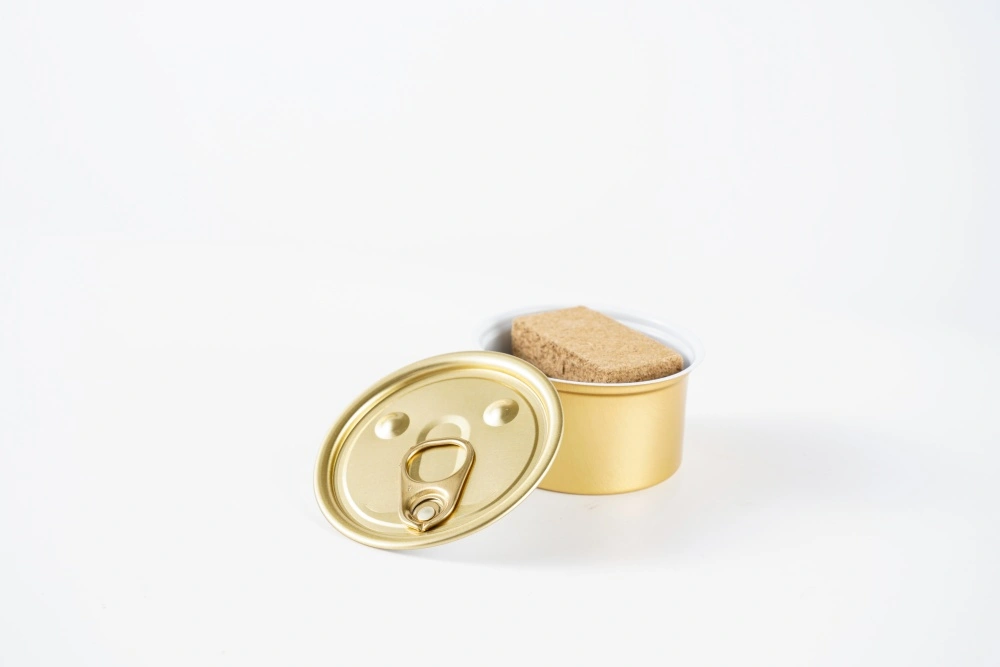
Step-by-Step Guide: How to Customize Empty Cans for Air Fresheners Using CMYK
For a customization project to go smoothly, the design, engineering, and logistics departments need to work together. This organized method has helped our B2B clients stay away from common mistakes that cause product launches to be late or quality to be compromised. Successfully managing Empty Cans for Air Freshers requires precise technical planning from the initial concept.
Selecting the Optimal Can Specification
Can the size have a direct effect on how it looks on the shelf and how well it works with other products? Our 61 mm diameter fits standard mounting systems for aerosol valves that are used by major filling equipment makers. Its 36 mm height gives it enough surface area for strong graphics while still keeping a small size that makes it perfect for store show shipper boxes. The thickness of the material af fects how well it resists pressure and how well the printing surface looks. The 0.22mm aluminum gauge we use strikes a good mix between structural strength and material cost. Thinner gauges could buckle when the valve is crimped, and heavier materials raise the cost of raw materials without improving performance significantly for normal air freshener formulations under 1.4 MPa of pressure.
Preparing Print-Ready Artwork Files
From the start of a project, design teams should use Adobe Illustrator or Photoshop to make files and set the color mode to CMYK. RGB color spaces that are used for screens don't work well for printing, so colors are often washed out or change hues in ways that aren't expected. We suggest inserting color profiles that are calibrated for metal surfaces. If you ask, our technical team can give you ICC profiles that take into account how inks react with our lacquer coatings. Artwork files need to have the right amount of blank space and safe zones. When compared to flat proofs, the cylindrical surface and can shoulder curves cause distortion. This is why important text and images should stay within the safe areas we set for each can size. To keep pixels from showing up, the resolution must be at least 300 DPI at the actual print size. This is especially important for barcodes and legal text that need to meet scanability standards.
Collaborating on Production Timelines
Scheduling problems can be avoided if you talk to your maker well. Once the artwork is approved, our prepress staff makes the printing plates, which usually takes 5 to 7 working days. The schedule for production depends on how many units are ordered; for quality control reasons, runs of more than 50,000 units may take place over more than one shift. We give you specific production schedules that show when the cans will be formed, printed, cured, and inspected for quality. Before committing to full production, sampling is important. We offer free physical samples made with real production equipment and inks, as opposed to digital proofs that look like the final product. Clients get three sample cans to look over with stakeholders. This lets teams check the color accuracy in different lighting conditions and make any necessary changes before approving the full order.
Quality Assurance Checkpoints
Our quality control system, which is ISO9001-certified, includes checking steps all the way through production. Every 500 cans, inline spectrophotometers check the color density and make changes automatically if the numbers move out of the acceptable range. After the printing is done, the coating's stickiness is checked using tape tests and scratch resistance methods that mimic how the product will be handled during distribution. We test sample cans from each production lot in a water bath before they are sent out. For five minutes, pressurized cans are submerged in water at 50°C as part of this process. This checks the stability of the hermetic closing and covering under temperature stress. The test simulates the worst possible storage conditions that cans could face in a building during the summer or while being shipped internationally through humid areas.
Comparing Customization Options: CMYK Printing vs Alternatives for Empty Air Freshener Cans
Knowing the pros and cons of each method of customization helps buying teams make sure that the package strategy fits with the brand's positioning and the budget. Depending on the complexity of the design, the number of orders, and the position of the product in the market, each method has its own benefits.
CMYK Versus Spot Color Printing
Spot color printing uses pre-mixed inks that exactly match Pantone colors. This is helpful when brand rules say that only one or two company colors must be reproduced exactly. Cosmetic brands that use signature colors on their packages often choose spot colors so that all of their products look the same. When designs have gradients, photos, or more than three colors, the limitation shows up: each extra spot color needs its own printing plates and press passes, which raises the cost of setup. With CMYK printing, you can use any combination of colors in the same production run. We've made orders with twelve different can designs mixed together for variety packs, which isn't possible with spot color because it takes too long to change plates. The four-color process makes color matching accurate enough for most naming needs; our color management methods achieve Delta E values below 2.0, which means that most people can't tell the difference between colors in normal store lighting.
Material Performance: Aluminum Advantages
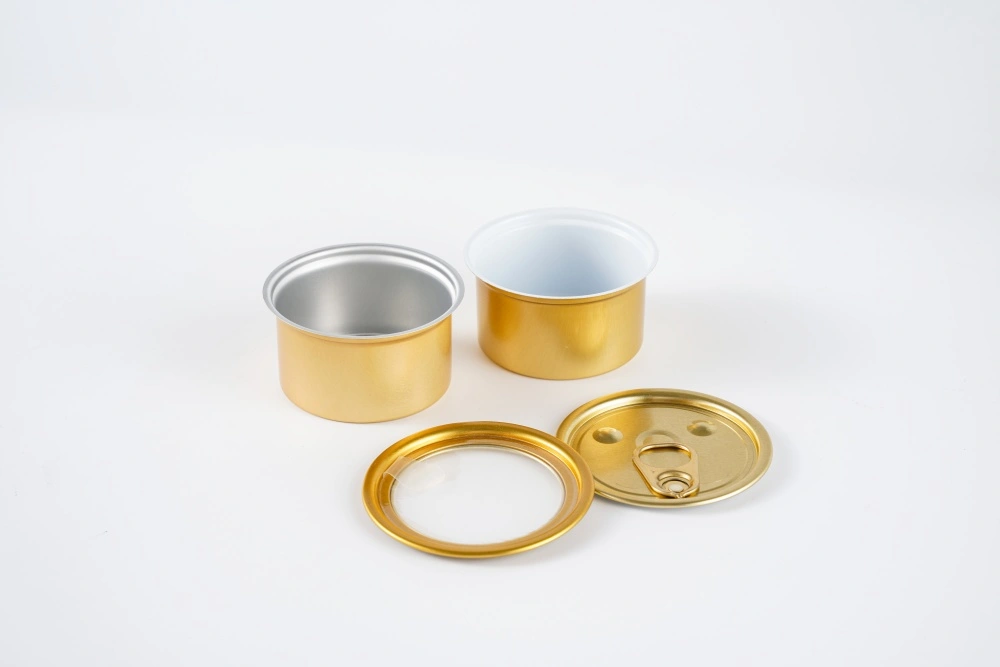
Tinplate cans are still commonly used to package food, but aluminum works better for aerosol applications that need high-definition printing. The material's smoother surface reduces ink dot gain, which is when halftone dots spread out during printing, making it harder to see fine details. Our Empty Cans for Air Freshers keep the sharp 175-line screen printing, which makes it easier to see small text and intricate patterns than tinplate alternatives, which usually only hold 150-line screens. Water-based air fresheners are becoming more popular because they release fewer volatile organic compounds (VOCs). Aluminum's resistance to rust is a key factor in this. Tinplate cans need stronger coatings on the inside to keep them from rusting when they come into contact with water-based solutions. This makes them thicker, which can make some valve systems not work with them. Our plain lacquer and white coating choices offer enough protection while keeping the thin appearance that is needed for shipping and packing.
How Order Volume Influences Customization Economics
The cost structure of tailoring changes a lot depending on the size of the purchase. Fixed costs like setting up the artwork and making the printing plates drive up the cost per unit for small amounts below 5,000 units. Our low MOQ allows us to handle these situations for clients who are testing new markets, but the best price point is between 25,000 and 100,000 units, where setup costs are spread out over a long period of time. When you buy in bulk, you can customize it even more. When an order goes over 100,000 pieces, it makes sense to spend money on custom tools for specific can sizes or valve mounting arrangements. We've helped private label companies make their own dispenser systems that need non-standard can neck shapes. These projects were only possible in large enough quantities to cover the costs of engineering and tooling.
Procurement and Supplier Selection for Customized Empty Air Freshener Cans
Finding the right production partner is key to making sure that customization projects meet quality, time, and cost goals. For strategic sourcing, you need to look at more than just prices when comparing capabilities.
Certifications That Signal Reliability
If a company has ISO9001 certification, it means they have documented quality management systems that are regularly audited by a third party. Our certification from foreign registrars shows that we follow standard processes for controlling production, calibrating equipment, and taking corrective actions. This methodical approach lowers variation from batch to batch, which is very important for keeping color stability between orders made months apart. The SGS testing certification is an outside confirmation that our cans meet standards for pressure resistance and coating integrity. SGS labs do burst tests, deformation pressure tests, and enamel rater tests that check how well the coating conducts electricity inside. These objective test results give purchasing managers faith that containers will work safely under pressure for as long as the product is on the shelf.
Evaluating Production Capacity and Technology
The size of a factory affects how reliably deliveries happen and how competitive prices are. Our building is over 270,000 square meters and can make 600 million cans a year. This number helps us consistently get materials. For example, we buy aluminum coil by the trainload, which gets us good prices that let us give clients affordable quotes. The size also makes the production schedule flexible, so rush orders can be met without breaking promises to other customers. Infrastructure for technology is what separates capable suppliers from leaders in their fields. Our six German printing lines and eight Swiss Soudronic high-speed production systems require a lot of money but give us clear quality benefits. Automated straight inspection systems find flaws that human inspectors miss. This keeps failure rates below 0.3%, which is lower than the industry average of about 1% to 2%. This accuracy cuts down on waste and makes sure that clients get the same products throughout multi-year supply agreements.
Building Strategic Supplier Relationships
Long-term partnerships are more beneficial for both parties than just buying things. We keep popular can sizes in stock for customers who buy from us again and again. This lets us respond faster to reorder requests without having to meet a minimum number. Over time, our engineering team learns more about each client's specific needs, such as their preferred valve compatibility, shipping carton configurations, and regulatory marking requirements for their region. This leads to better technical collaboration for Empty Cans for Air Freshers. The total cost of ownership is affected by where the property is located. Our position in the Linyi Economic and Technological Development Zone gives us easy access to both train and air transportation. This lowers the cost of moving containers from China to Pacific ports that serve the US market. Lead times from order approval to departure are usually 28 days for normal specs. This is about the same as it takes for local can manufacturers, but the company has big cost benefits when it comes to materials. We invite buying managers to come see our factory in action. On-site inspections show operational practices that are hard to judge from paperwork alone. These include standards for cleanliness, training programs for employees, and maintenance procedures for equipment that determine the consistency of the final product. Every year, we welcome dozens of business-to-business clients, which increases their trust in our abilities as a strategic Empty Cans for Air Fresheners supplier.
Conclusion
Using CMYK printing to customize Empty Cans for Air Fresher blends artistic freedom with technical accuracy. Careful choice of material is needed for the process—aluminum provides the best print quality and long-term benefits—and artwork must be prepared according to CMYK color standards to ensure correct copy. For projects to Labs doesessful, they need to work with manufacturers who keep their ISO certifications, use cutting-edge printing technology, and make enough products to keep prices low while still maintaining quality. Our wide range of services, from the first sample to quality-assured bulk delivery, helps B2B clients make unique packaging that improves brand positioning in retail settings that are very competitive.
FAQ
Can Empty Cans for Air Fresher Be Reused or Refilled Safely?
Aerosol cans that are standard in the industry are made to be used only once. When the valve is crimped, a solid seal is made that can't be undone without putting the can's pressure at risk. If you try to take out and put back in valves, you might damage the mounting cup, which could lead to leaks. When you refill, there is a chance that mismatched formulas will mix with leftover product or internal coatings, which can cause contamination. Manufacturers make Empty Cans for Air Freshers with specific pressure values that fit the original fill formulations. Other goods may be more dangerous than these limits. Instead of trying to reuse empty cans, we suggest recycling them thru metal salvage programs.
What Is the Expected Shelf Life of CMYK-Printed Cans?
When stored properly, CMYK-printed metal cans will keep their graphic beauty for 24 to 36 months. Our UV-resistant lacquer topcoats keep inks from fading when they come into contact with fluorescent store lighting. The shelf life is based on temperatures between 5°C and 25°C and a relative humidity of less than 70%. Extreme situations, like direct sunlight or buildings with a lot of humidity, can speed up the fading of colors. The structural integrity of the metal base will not change over time; the coating and print life are what determine how it looks.
Can I Order Small Batches for Product Testing?
We can handle low minimum order numbers because we know that market testing and limited edition releases need to be flexible. Our normal MOQ for fully customized CMYK printing is 5,000 units, and new brands can use it to make sure the product fits the market. Setting this level strikes a balance between setting costs and client access. Before committing to production, we offer free samples so that stakeholders can check the print quality and color accuracy using real production methods instead of digital simulations.
Partner with Three for Professional Empty Cans for Air Fresher Manufacturing
Three has been making spray containers for more than twenty years, so they can help you with your air freshener packing needs. We are a well-known manufacturer of Empty Cans for air fresheners in North America, and we use modern CMYK printing technology and ISO9001-certified quality systems to guarantee consistent results for large orders. Our round aluminum cans with a 61 mm diameter are made of seamless aluminum and have coatings that can be changed to fit your needs. They are meant for use with pressure aerosols. With the ability to make more than 600 million units per year, we can help both new private label brands and established distributors who need flexible supply partnerships. See the difference that dedicated technical help and flexible MOQ policies can make in making your custom package ideas come true. Our team offers free samples, joint artwork advice, and clear production timelines that take the guesswork out of buying. Contact Three today at info@threefoodcan.com to talk about your unique needs, get full product specs for our 209.5# container series, and ask for free samples. Make your air freshener brand look better with packaging options that are good-looking, strong, and affordably priced for B2B success in retail markets. Freshers are very competitive.
References
1. Smith, J. R., & Thompson, L. M. (2021). Advanced Aerosol Packaging Technologies: Materials and Printing Methods. Industrial Packaging Press.
2. Chen, W. (2020). "CMYK Color Management in Metal Substrate Printing." Journal of Applied Packaging Science, 15(3), 112-128.
3. Anderson, K. T. (2022). Sustainable Aluminum Packaging: Circular Economy Approaches. Environmental Materials Institute.
4. Rodriguez, M., & Patel, S. (2019). "Pressure Resistance Standards for Aerosol Containers." International Packaging Engineering Review, 22(4), 87-103.
5. Williams, D. H. (2021). B2B Procurement Strategies for Custom Packaging Solutions. Supply Chain Management Publications.
6. Zthrough, Y., & Kumar, R. (2020). "Coating Technologies for Food-Grade Metal Containers." Materials Science in Packaging, 18(2), 201-219.
YOU MAY LIKE