

What Materials Are Used in a Custom AirFresher Can?
2026-08-31
Custom AirFresher Cans https://www.threefoodcan.com/aluminum-pet-can-air-fresher-can/empty-cans-for-air-fresher are made from precision-engineered materials that provide safe and consistent scent delivery and structural rigidity under pressure. Typical structure incorporates an aluminum body with unique internal coatings, plastic or metal alloy valves, and propellant-compatible sealants. The choice of material strongly influences scent retention, regulatory compliance, and environmental sustainability. By understanding these components, B2B procurement managers may acquire dependable packaging solutions that balance performance, cost-effectiveness, and brand distinctiveness in competitive marketplaces.
Core Materials Used in the Can Body and Their Properties
Your spray can’s metal body keeps it all together. It has to be light, it has to resist corrosion, and it has to withstand pressure. The two main metals of this category are aluminum and tinplate. Depending upon the application demands, the manufacturing quantity and the budget each has its own advantages.
Aluminum: The Industry Standard for Aerosol Containers
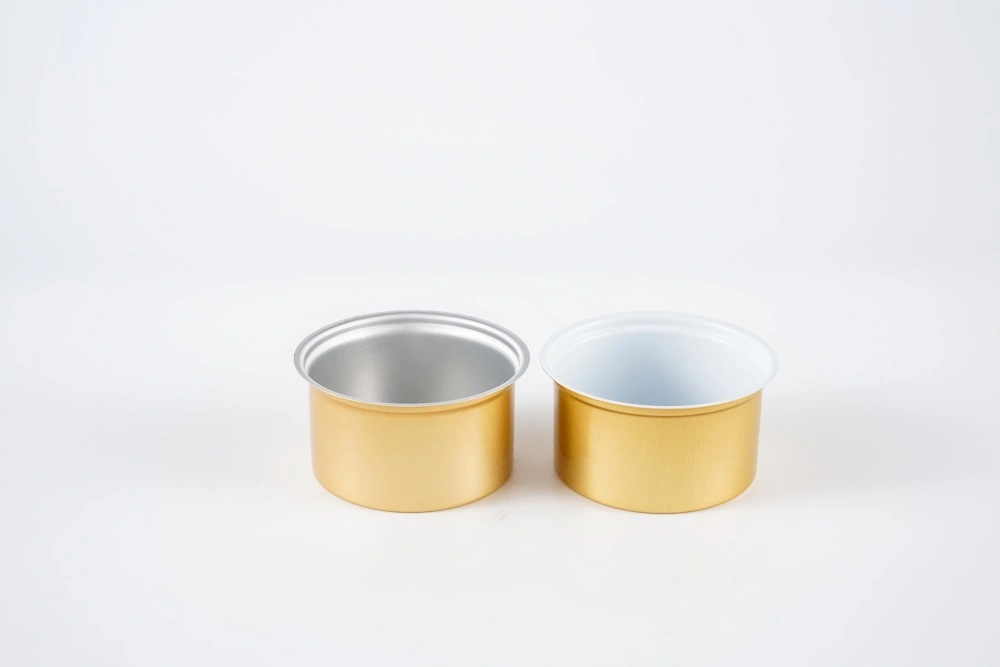
Because it is so strong for how light it is, aluminum is the best material for most Custom AirFresher Cans. Aluminum can bodies are only 0.22 mm thick, so they can withstand pressures of more than 100 psi without losing their shape. They are also light enough to save money on shipping costs. This engineering balance can be seen in our Item Number 209.5#, which is round and has a 61mm diameter and 36mm height. Aluminum's natural resistance to rust is especially useful when it comes to products that are sensitive to moisture. Unlike options made of steel, aluminum forms a protective oxide layer that stops rust from forming and keeps the can's structure even after long periods of storage. This property is very important for companies that want to sell their goods in international markets where changes in temperature and humidity can make the products less stable. The fact that the material can be recycled adds to its value. Recycling aluminum only uses 5% of the energy that is needed for making it in the first place. This makes it an environmentally friendly choice that buyers who care about sustainability will like. Post-consumer aluminum keeps its structural qualities even after being recycled over and over again, which supports circular economy efforts without lowering the performance of the material.
Tinplate and Other Metal Alternatives
Tinplate, which is steel covered in a thin layer of tin, is less common in modern aerosol production but can save money in some situations. Tinplate is more rigid than aluminum, which makes it good for bigger containers or items that need to stay stable on the shelf for a long time in harsh circumstances. But because it is heavier, it costs more to ship, and it needs more extensive internal coating systems to keep fragrance compounds from reacting chemically with it.
Protective Coatings and Linings
Metal surfaces don't usually come into direct contact with product formulations. Chemical shields keep the metal base from reacting with the strong fragrance ingredients inside the coatings. There are two common options: plain lacquer and white internal coatings. Which one is chosen depends on the chemistry of the product and the need for visual inspection during production. Simple lacquer coats, usually made of epoxy, make a barrier that is chemically inert and stops metal ions from getting into scent solutions. This safety keeps the product pure and stops it from changing colors or smelling funny, which would make customers less likely to buy it. White interior coatings protect in the same way, but they make things easier to see during quality control inspections, which makes it easier for production staff to find contamination or coating flaws. Different things are done by exterior coats. Plain lacquer finishes on the outside keep the product's appearance from getting damaged by scratches, dents, and surface oxidation that can happen during storage and shipping. These coatings also make a great base for printing and labeling, making sure that images stick well and stay bright throughout the span of the product.
Ingredients and Materials Inside Custom Air Freshener Cans
Aside from the container itself, the Custom AirFresher Can's ability to deliver scent while still meeting safety standards is directly affected by the parts inside. Some of these parts are smell carriers, fuel systems, and valve mechanisms. Each one needs to be carefully specified in terms of its material.
Fragrance Carriers and Their Material Implications
Most air fresheners use either alcohol- or water-based carrier systems to keep the scent chemicals suspended. Alcohol carriers, especially ethanol and isopropanol, make it easier for fragrances to dissolve and evaporate quickly, giving scents an instant effect. But because they are aggressive chemicals, they need special coatings on the inside that won't be damaged by solvents. Formulations that are based on water pose different problems. Even tho they are not as harsh on chemicals, watery systems still need emulsifiers and lubricants to keep the fragrances spreading. These additives might react with some coating materials, which could lead to delamination or less effective barrier protection. During product creation, material compatibility testing is necessary to find out how different materials might react with each other before they are used on a large scale.
Propellant Selection and Material Compatibility
The pressure needed to push product out of valves is created by propellants. Hydrocarbon propellants, mostly blends of propane, butane, and isobutane, are the most popular type of air freshener because they are cheap, spray well, and have less of an effect on the environment than older chlorofluorocarbon alternatives. These hydrocarbon gases don't react much with metal cans and normal lacquer coatings, so they can be used with regular manufacturing equipment. For certain uses that need systems that won't catch fire, compressed gasses like nitrogen or carbon dioxide can be used instead of fuel. But these choices need higher working pressures, which might mean using thicker metal gauges or stronger valve systems.
Valve Mechanisms and Sealing Materials
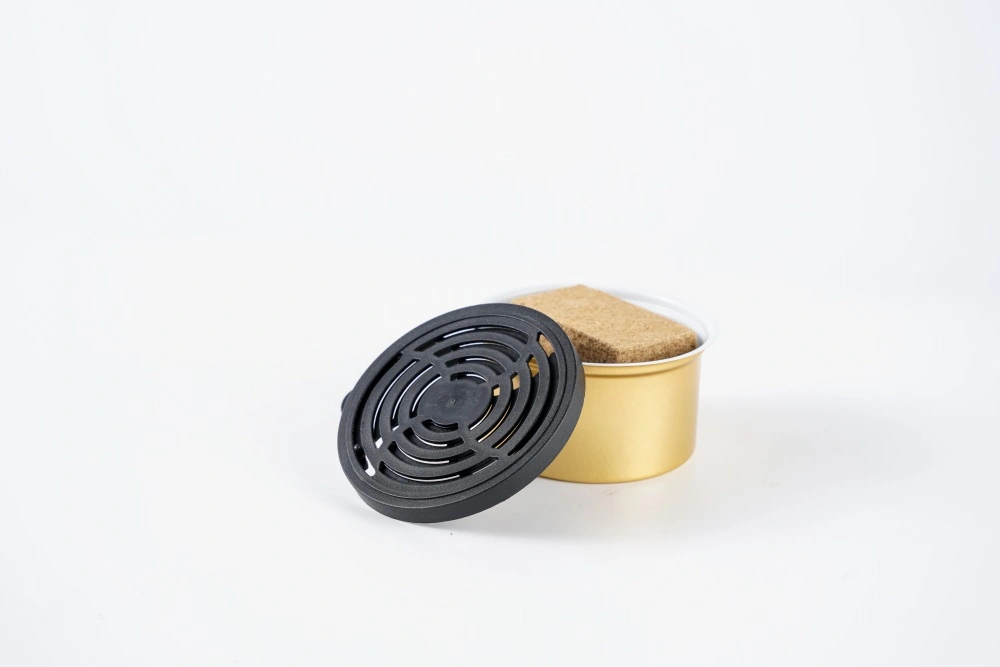
Precision-engineered parts called valve assemblies include metal springs, rubber gaskets, plastic actuators, and dip tubes. Each element must not break down when exposed to propellants and scent formulations over and over again. Nitrile rubber and EPDM (ethylene propylene diene monomer) elastomers are often used to make gaskets because they don't react with chemicals and seal well. The dip tube, which goes from the valve to the bottom of the can, moves the product around while it's being dispensed. When it comes to chemical protection, polypropylene and polyethylene plastics work well. They also stay flexible over time. These choices about materials have a direct effect on the consistency of the spray and how well the product evacuates, which in turn affects how satisfied and valued the customer is.
Materials Used in Labels and Custom Printing on Air Freshener Cans
Visual branding helps customers find goods in busy stores and reinforces brand identity every time a customer interacts with the brand. Label materials and printing methods need to match how they look with the longevity needs of Custom AirFresher Cans.
Direct Metal Printing Technologies
The images last the longest when they are printed directly onto metal surfaces, since the colors become part of the can itself instead of being separate adhesive layers. Offset lithography and digital printing make it possible to print images with high clarity and color gradients that are more complicated, which improves how people think about a brand. We offer covers in different colors, such as black, green, red, yellow, and orange, so brands can make their own unique looks. Direct printing gets rid of the risk of delamination that comes with adhesives and helps recycling work better. Because the inks are mixed in with the aluminum, they don't make it harder to separate the materials during recycling. This feature is becoming more important to buyers who care about the environment and want packing options that have little to no effect on the environment.
Adhesive Labels and Shrink Sleeves
When production volumes are too low for dedicated printing equipment or when design changes often, pressure-sensitive labels and shrink sleeve films can be used instead. Modern adhesives stay strong even when exposed to high or low temperatures or when they are handled with stress during distribution. Shrink sleeves cover graphics in all directions, making marking possibilities more plentiful while fitting perfectly around the shape of containers. These labels are usually made from polyester and oriented polystyrene films, which are chosen because they don't shrink and can be printed on. But these things make recycling harder if they aren't taken out before the material is reused, which could cause problems with sustainability.
Compliance with Labeling Regulations
Labels must include required information like ingredient lists, safety warnings, usage directions, and regulatory compliance marks, no matter how they are applied. When doing business with other countries, B2B sellers need to make sure that the label materials and inks they use meet the rules of those countries. For example, some countries have migration limits for food-contact uses and flammability classes for aerosol goods.
Sustainability and Eco-Friendly Material Trends in Custom Air Freshener Cans
Custom AirFresher Cans are becoming more sustainable and eco-friendly. Material choices in the packing business are being influenced more and more by environmental concerns. There is more and more pressure on procurement workers to find sustainable options that don't hurt product performance or make costs go up a lot.
Recycled Aluminum and Closed-Loop Systems
Using recovered aluminum cuts down on the extraction of raw materials while giving the same performance as using new aluminum. In the United States, the current recycling system recovers about half of aluminum beverage cans. However, aerosol container recovery rates are not as good. When brands say they use recycled content, they can stand out in markets that care about the environment and might even be able to get better deals on products from big stores.
Low-VOC Coatings and Water-Based Inks
Traditional coatings and inks that are based on solvents give off volatile organic compounds when they are made and when they cure. These compounds pollute the air and cause health problems in the workplace. There are low-VOC and zero-VOC options that use water-based chemicals or UV-curable mixtures that reduce emissions without lowering their durability or appearance. Our plain lacquer coatings are chemically resistant enough for fragrance product uses while still meeting strict environmental standards.
Certification Standards and Third-Party Verification
Getting ISO 9001 certification shows that you are dedicated to quality management systems that always produce goods that meet the needs of customers and regulations. This international standard gives purchasing teams faith that the manufacturing processes have built-in quality checks, good paperwork, and ways to keep getting better. Our building has ISO 9001 certification and other qualifications that show we can make things and keep our quality promises. Compliance with industry-specific certifications like REACH (Registration, Evaluation, Authorization, and Restriction of Chemicals) makes sure that materials don't contain very dangerous chemicals in them that could hurt people or the environment. Concerns about endocrine-disrupting chemicals are addressed by BPA-free certificates. This is especially important for goods used in homes. These third-party checks lower the risk of buying and help meet the standards for responsible sourcing due diligence.
Conclusion
When choosing a material for air freshener containers, it's important to keep performance needs, cost, legal compliance, and environmental goals all in mind. Pressure tolerance, chemical compatibility, and the ability to be recycled are all things that B2B buyers want in aluminum bodies with special coatings. Internal parts like valves, gaskets, and propellants must be able to handle long-term contact with fragrance formulations without breaking down. Label materials and printing methods have a big effect on how people think about a brand and could also have an effect on how easily a Custom AirFresher Can can be recycled after it's been used. Recycling metals, low-emission coatings, and eco-friendly inks are some of the materials that are becoming more popular because of sustainability trends. Procurement workers can make choices that are in line with the organization's values and technical requirements when they understand how these factors affect each other.
FAQ
How long do materials in a Custom AirFresher Can maintain their integrity?
Materials that were chosen correctly usually keep working well for 24 to 36 months when stored normally. The bodies made of aluminum will never rust, but the coats and seals inside a Custom AirFresher Can will wear down over time based on how they were made. Accelerated aging tests help figure out how long something will last in real life before it's fully made.
Can Custom AirFresher materials be fully recycled?
When valve systems are taken off before processing, aluminum frames can be recycled almost completely. For recycling to work best, parts made of more than one material, like plastic valves and rubber gaskets, need to be separated. Cans with direct printing are easier to recycle than cans with stickers that stick on and need to be taken off.
Do can materials affect fragrance quality over time?
Material compatibility has a direct effect on how stable a fragrance is. Coatings that don't work well together can let metal ions into formulations, which can change the color or smell. Using the right materials when making a product stops these interactions from happening and makes sure that the fragrance stays the same over time.
Partner with Three for Premium Custom AirFresher Can Solutions
Choosing the right Custom AirFresher Can supplier will affect how well your product line does in the market and how well it handles quality issues. Three has been making aerosol containers for 30 years and works with food makers, distributors, private label companies, and brands that care about the environment in North America and around the world. Our Linyi facility has eight high-speed production lines that can make 600 million cans a year. These lines are backed by ISO 9001 certification and full quality systems. We know that procurement managers need more than just standard goods. You need the ability to make changes, technical help, and supply lines that you can count on. Our low minimum order numbers let you test the market without taking on too much inventory risk, and our free samples let you see how the material works before you commit. Whether you need custom printing that makes your brand stand out or special interior coatings for difficult formulations, our engineering team works directly with your needs. Reach out to our procurement specialists at info@threefoodcan.com to discuss your specific requirements. As an established Custom AirFresher Can manufacturer, we provide detailed material specifications, compliance documentation, and lead time commitments that support your planning processes. Let's explore how our material expertise and manufacturing capabilities can strengthen your product portfolio while advancing your sustainability objectives.
References
1. Johnson, M. R., & Peterson, L. K. (2021). Aerosol Container Engineering: Materials, Design, and Manufacturing Processes. Industrial Packaging Press.
2. Reynolds, C. D., & Harrison, T. A. (2020). "Material Compatibility in Pressurized Fragrance Delivery Systems," Journal of Packaging Technology and Research, 4(3), 187-203.
3. Environmental Protection Agency. (2022). Sustainable Packaging Materials: Lifecycle Analysis of Aluminum Aerosol Containers. Government Printing Office.
4. Chen, W., & Martinez, J. F. (2023). "Coating Technologies for Aerosol Containers: Performance and Environmental Considerations," International Journal of Surface Engineering, 17(2), 112-128.
5. American Society for Testing and Materials. (2023). ASTM D6771 Standard Practice for Low Pressure Testing of Aerosol Containers. ASTM International.
6. Global Packaging Alliance. (2022). Industry Standards for Recyclable Aerosol Packaging: Technical Guidelines and Best Practices. Packaging Industry Publications.
YOU MAY LIKE