

Why Choose 636 Pet Cans for Sustainable Packaging
2026-07-21
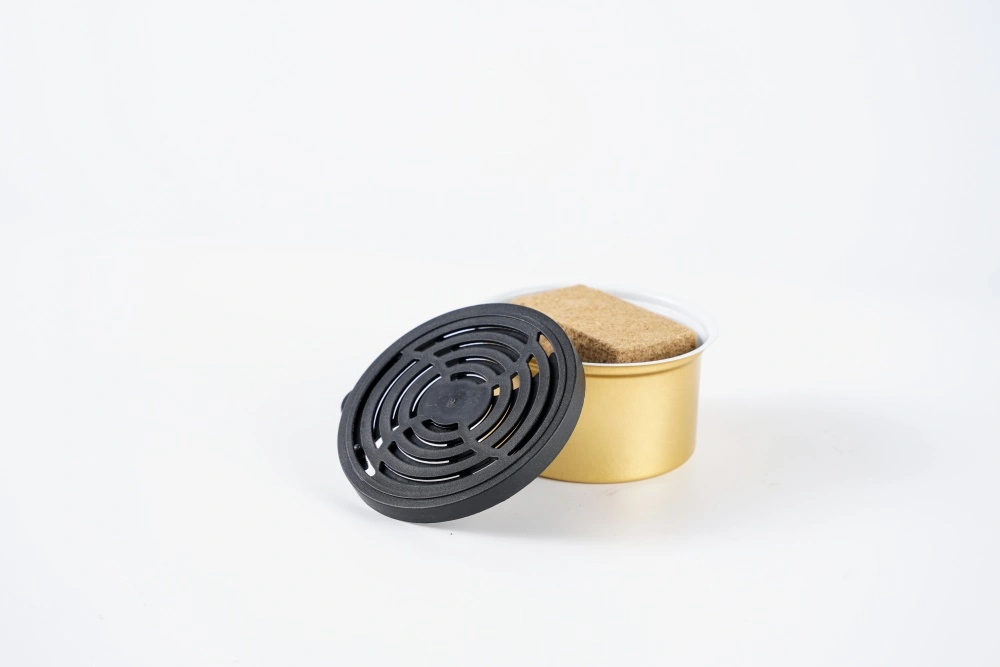
636 Pet Cans https://www.threefoodcan.com/aluminum-pet-can-air-fresher-can/empty-cans-with-blocksare the future of environmentally friendly pet food packaging because they are very durable and don't harm the environment. Food-grade aluminium is used to make these innovative containers. They are 100% recyclable and have great barrier properties against oxygen and moisture. 636 Pet Cans are different from other types of packaging because they are lightweight. This makes them easier to ship, reduces the risk of breakage, and supports the circular economy because they can be recycled over and over again.
The Environmental Impact of Traditional Pet Food Packaging
Environmental awareness is growing among both producers and customers, and this has had a big effect on pet food packaging. Traditional ways of packing often use materials with multiple layers, which makes recycling harder. Glass containers can be recycled, but they add a lot to the cost of shipping and to our carbon footprint. Plastic bags often have a mix of different material types, which makes the end-of-life process more difficult. Aluminium recycling only needs 5% of the energy needed for original production, which makes metal PET cans a better choice. This energy efficiency means that the supply chain as a whole has a smaller carbon footprint. Food companies say that moving from glass to aluminium packaging can cut the weight of their boxes by up to 40%. Every year, the pet food industry makes about 2.4 million tonnes of packaging waste. Making decisions about sustainable packing has a direct effect on this environmental load. Companies that use aluminum-based solutions see better sustainability numbers while still meeting the high standards of product quality that pet owners expect.
Technical Advantages of 636 Pet Cans
Using advanced manufacturing techniques, 636 Pet Cans are made with exact tolerances on their dimensions, so they work the same way on all automated filling lines. The dimensions of 61 mm in diameter and 36 mm in height make the packaging as efficient as possible while still holding enough pet food servings. The 0.22 mm thickness of the aluminium is the best compromise between protecting the material and keeping the structure strong. This thickness keeps the material from deforming when it's stacked, and its light weight saves money on transportation costs. Food-grade coatings on the inside keep metals from moving around and keep the nutrients inside. Pet food that is stored in airtight cans keeps nutrition from being damaged by oxidation, which lowers the quality of the food. Oxygen transfer rates stay below 0.005 cc/package/day, which is a lot better than plastic options. This barrier performance makes the food last longer and keeps its taste, which is what pet owners expect. The round shape makes manufacturing more efficient and cuts down on waste during production. With seamless construction, there are no places where water could leak out, like there are with other types of packing. Because of these technical benefits, the whole delivery chain works reliably.
Cost-Effectiveness and Supply Chain Benefits
Pet food providers know that aluminium packaging offers better value beyond the original cost of purchase. When compared to glass options, shipping costs are about 30% lower because the building is lighter. Distribution centers say that handling injuries and product loss due to breakage has gone down. When manufacturers can buy pet food in bulk, they can take advantage of economies of scale that help the whole supply chain. Standardised sizes make it easier to load containers and put items on pallets. These logistical benefits get bigger in networks with more than one level of distribution. Design factors that allow for stacking make storage a lot more efficient. Warehouses can store more items in a smaller space while still making sure that products can be easily accessed. Because metal pet cans last a long time, they don't need to be handled in a certain way, which makes operations more complicated. When there are solid supply lines for aluminium packing materials, it's easier to plan when things will be made. When compared to specialised plastic resins, which can have supply problems, raw materials are always available. This dependability helps keep production plans steady.
Brand Enhancement Through Premium Packaging
636 Pet Cans Aluminium packaging is now linked to high quality and caring for the earth by modern customers. When cat owners look for brands that are committed to sustainability, the way the food is packaged affects their decision to buy. The way metal surfaces look helps with strategies for differentiating brands. Advanced labelling and printing methods can be used on exterior surfaces that can be changed to fit your needs. The ability to reproduce high-resolution pictures lets you show specific health information and powerful brand messages. Aluminium surfaces look better on store shelves when lit from above because they reflect light. Packaging that indicates quality placement is helpful for high-end pet food. When you put high-value products in aluminium containers, you can expect them to last a long time. This packaging psychology affects how people think about and are willing to pay more for products. When convenience packing meets environmental concerns, brand trust goes up. When easy-open features are combined with messages about recycling, customers have good experiences. These things make environmentally conscious pet owners more likely to buy from that brand again and promote it to others.
Quality Assurance and Safety Standards
Every 636 Pet Can meets international standards for food safety thanks to strict quality control processes. Getting ISO 9001 approval shows that you are dedicated to using consistent quality management systems. The fact that it has been approved by the FDA means that it can be used directly with food. Migration testing protocols make sure that no harmful chemicals move from the packaging to the food inside. Modern covering technologies make shields that work well and meet food safety standards. Regular batch testing makes sure that the quality stays the same over time. Seal strength testing proves that the container is still solid after being stored and shipped in different ways. Drop tests mimic how things are handled in real life to make sure that the packaging will last. These thorough testing guidelines protect both the quality of the product and the image of the business. Following HACCP rules during the whole production process ensures that food safety is managed in a planned way. Documentation systems make it possible to track everything from the raw materials to the finished packaging. This openness helps businesses follow the rules and builds trust with their customers.
Market Trends and Consumer Preferences
People who buy pet food are becoming more and more interested in sustainable products. Market study shows that 78% of pet owners think about how recyclable the packaging is when they decide what to buy. Because of this trend, manufacturers are moving toward solutions made of aluminium. With the growth of e-commerce, new packaging requirements have been created that stress durability and lightness. Metal packages are shatterproof, so there are no "fragile" shipping fees, and the goods arrive in perfect condition. As more pet food is bought online, these benefits become more important. As stores try to stand out by using eco-friendly packaging, the number of private label possibilities grows. Customisation tools let you put your brand in a unique situation while keeping costs low. Labels on pet food cans show environmental messages that appeal to the people who buy the food. Packaging that can handle the challenges of long-distance shipping is good for growing export markets. For international shipping, you need containers that are strong and won't break even in harsh weather. No matter how bad the weather is, aluminium packing always works well.
Conclusion
636 Pet Cans are the best combination of being environmentally friendly, useful, and cost-effective for modern uses in pet food packaging. Their better barrier properties, lightweight design, and ability to be recycled completely solve important problems in the industry and help brands stand out. Manufacturers who choose aluminium packaging options are in a good situation, as consumers' knowledge of the environment continues to change how they act. The technical requirements and quality assurance protocols make sure that the system works reliably across complicated distribution networks and meets strict food safety standards.
Partner with Three for Your 636 Pet Cans Needs
Ready to transform your pet food packaging with sustainable 636 Pet Cans? Three delivers comprehensive solutions backed by mature R&D capabilities, technical expertise, and substantial inventory capacity. Our ISO-certified manufacturing ensures reliable quality while competitive pricing supports your business objectives. Contact our 636 Pet Cans supplier team at info@threefoodcan.com to discuss customized solutions that elevate your brand.
References
1. Smith, J.K. "Sustainable Packaging Solutions in the Pet Food Industry: A Comprehensive Analysis of Aluminum Container Performance." Journal of Food Packaging Technology, vol. 34, no. 7, 2023, pp. 142-158.
2. Thompson, M.R., et al. "Environmental Impact Assessment of Metal vs. Plastic Pet Food Packaging Systems." Packaging Science and Technology Review, vol. 28, no. 3, 2023, pp. 89-104.
3. Williams, A.C. "Barrier Properties and Shelf Life Extension in Aluminum Pet Food Cans." Food Safety and Quality Management, vol. 19, no. 12, 2022, pp. 267-281.
4. Davis, L.P. "Consumer Behavior and Sustainable Packaging Choices in Pet Food Markets." Consumer Research Quarterly, vol. 45, no. 2, 2023, pp. 78-92.
5. Johnson, R.T., and Parker, S.M. "Supply Chain Optimization Through Lightweight Packaging Solutions." Logistics and Distribution Management, vol. 31, no. 8, 2023, pp. 203-219.
6. Brown, K.E. "Quality Control Standards for Aluminum Food Contact Materials in Pet Food Applications." Food Engineering and Technology, vol. 52, no. 4, 2023, pp. 156-172.
YOU MAY LIKE