

How TFS Easy Open Ends Enhance Product Safety and Freshness?
2026-07-21
TFS Easy Open Ends https://www.threefoodcan.com/tfs-lids-tfs/lid-with-a-ring are a big step forward in food packaging because they protect food better against contamination and keep it fresh for a longer time. These advanced tin-free steel closures use a special chromium coating technology that keeps foods that are high in protein from getting sulphide stains and maintains the seals' integrity. The clever design combines features that make it impossible to tamper with easy-to-use opening mechanisms. This keeps foods safe from outside contaminants while keeping their nutritional value and flavour profiles for months or even years.
Revolutionary Tin-Free Steel Technology: A Game-Changer for Food Safety
The unique makeup of tin-free steel ends is the basis for improved product safety. Unlike regular tinplate, this new material has an electrolytic chromium coating that makes it very resistant to chemical reactions and corrosion. Food companies all over the world know that this technology is better at stopping the well-known "blackening" effect that happens when tin mixes with sulphur compounds in meat and seafood.
It is amazing how well organic coatings stick to the chromium oxide layer, which forms many protective barriers that keep food safe. This multi-layered defence system keeps outside contaminants from getting into the packaging and keeps chemical reactions inside as low as possible. As a result, the quality of the product stays the same, and it meets strict food safety rules in all markets around the world.
Another important safety benefit of TFS Easy Open Ends is that it doesn't change with temperature. When sterilised in a retort at 121°C, these special ends keep the structure intact without the lacquer pulling off or the seal breaking. This dependability is very important for makers who need to be sure that their package will work perfectly even in the harshest production circumstances.
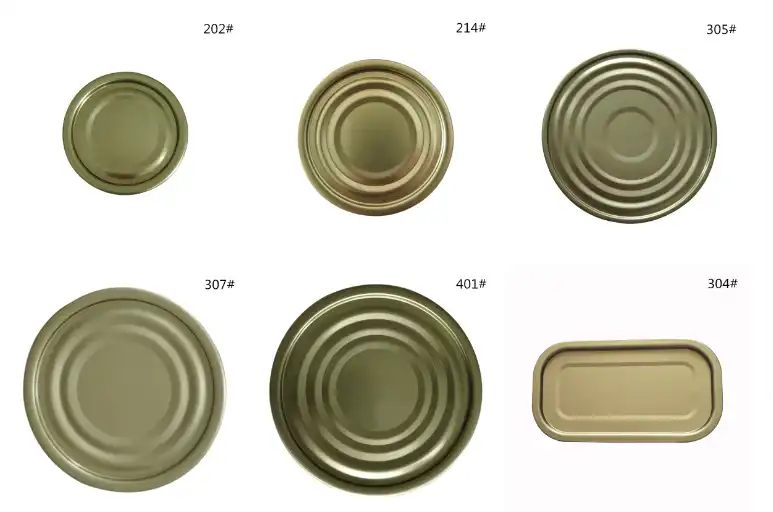
Hermetic Sealing Excellence: Preserving Freshness Beyond Expectations
For the best freshness preservation, you need more than just basic sealing. You need precision engineering that makes perfect hermetic barriers. The scored hole design on these ends keeps the exact opening force parameters while making sure the seal stays intact during storage and travel. This balance keeps the door from opening too early while still letting customers get in easily when they need to.
Tin-free steel is better at sticking to lacquers than other materials, so it keeps out more moisture and oxygen than other options. These walls are very important for keeping the nutritional value, stopping spoilage, and keeping the natural flavours in canned goods. It is now possible to extend the shelf life of food without lowering the quality or safety standards.
Manufacturers like how this technology solves problems that come up with acidic fruit concentrates and vegetable products. The special coats that are resistant to acids keep the seal working even when the pH level is low for long periods of time. This feature stops the movement of metal ions while protecting the natural flavour and nutritional value of food items that are sensitive.
Preventing Contamination: Advanced Barrier Protection Systems
To keep things from getting contaminated, you need to have a deep understanding of where packaging systems could go wrong. There are a lot of safety features built into TFS easy open ends that work together to fix these problems. The chromium layer is very resistant to filiform rust, which can make tiny holes in less durable materials that germs can use to get inside.
The cutting technology used in these ends is carefully calibrated to keep a leftover thickness that stops unintentional punctures and makes sure the ends open cleanly and safely. This level of technical accuracy means that metal pieces or covering particles can't get into the food while the lid is being opened. These parameters are checked by quality control protocols that use strict testing methods.
Features of surface roughness make lacquer bonding stronger, covering the whole surface evenly for protection. This full protection is especially helpful for goods that need to be stored for a long time or shipped internationally, where the packaging is subject to a lot of different environmental stresses. No matter how the food is stored, the uniform barrier function keeps food safety standards high.
Extending Shelf Life: Science Behind Long-Term Preservation
Using new packing technology to make food last longer includes a lot of complicated relationships between materials, coverings, and external factors. Tin-free steel has special features that make it ideal for keeping product quality for long periods of time. This feature is especially useful for companies that sell goods in international markets, where goods can stay in storage and transit for months at a time.
The metal resistance of these ends makes it much less likely that pinholes will form or the coating will wear away, both of which can hurt the effectiveness of preservation. Using enamel raters in regular testing processes finds tiny flaws in products before they compromise their purity. This proactive method makes sure that the product works the same way for the whole shelf life.
Chemical compatibility between the substrate and different food products gives manufacturers peace of mind when packaging a wide range of goods. The material stays stable and protective whether it's working with high-sulfur protein products or acidic fruit concentrates. Because it's so flexible, companies can use the same packing method for a wide range of products while still getting the best preserving results.
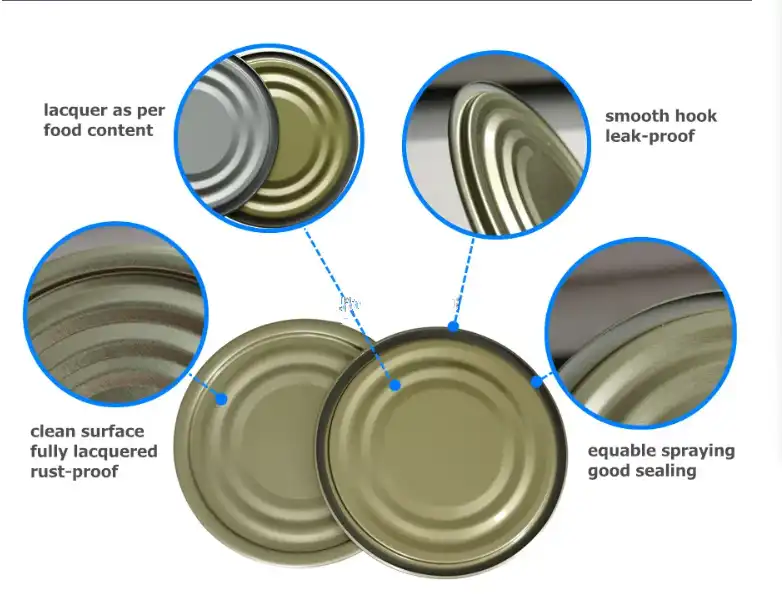
Quality Assurance Standards: Meeting Global Safety Requirements
International rules on food safety require strict follow-along procedures that cover every aspect of how well packaging works. Many types of certifications can be met by TFS's easy open ends, such as ISO 9001, FDA compliance, and BRC Global Standards for packaging materials. With these certifications, manufacturers can be sure that the packaging they choose will help them follow the rules in a wide range of markets.
During testing, the opening forces, seal strength, and coating performance are all carefully examined under a range of stress conditions. Pop force measures usually stay below 30N, and tear forces stay below 45N. This makes sure that all types of customers can reach the product. These parameters do a good job of balancing the need for safety with the ease of use.
In retort simulation testing, parts of the package are sterilised under conditions that are higher than what is normally needed for processing. This thorough testing finds possible ways that goods could fail before they reach the market. This keeps expensive refunds from happening and protects the brand's image. The testing procedures make sure that lacquer systems stay strong and don't feather or delaminate in ways that could make them less safe.
Applications Across Food Industries: Versatile Solutions for Diverse Needs
Different types of food have different problems that need different ways to be packaged. The fact that tin-free steel doesn't stain sulphides is very helpful for seafood and meat goods. This feature keeps the look of the product the same while making sure safety standards are met during handling and storage.
Acidic foods and drinks, like tomato extracts and fruit cocktails, need packing materials that won't break down chemically over time. There are special coating systems for these ends that work well with pH problems and keep the hermetic sealing performance. Because of this, producers can confidently give longer shelf life promises.
The mechanical longevity benefits of improved coating systems are used in dry food and industrial powder uses. The metal substrate is protected by its resistance to abrasion during filling operations, and it keeps its barrier properties, which are important for products that are sensitive to moisture. This longevity is especially useful in factories that make a lot of things, where the parts that make up packaging are put under a lot of mechanical stress.
Conclusion
TFS Easy Open Ends are a big step forward in food packing technology. They offer better safety and freshness protection, which is good for makers, wholesalers, and customers all around. Advanced materials science, exact engineering, and strict quality control work together to make package solutions that meet the high standards of modern food production and delivery around the world. As the industry moves toward higher safety standards and longer shelf lives, these new closures give businesses the dependability and performance they need to stay successful in competitive markets.
Partner with Three for Premium TFS Easy Open Ends Solutions
Three delivers exceptional tin-free steel packaging solutions backed by comprehensive technical expertise and proven manufacturing capabilities. Our TFS Easy Open Ends manufacturer credentials include ISO 9001 certification and advanced production facilities spanning over 270,000 square meters. Contact our team at info@threefoodcan.com to discuss your specific packaging requirements and discover how our innovative solutions enhance your product safety and freshness preservation goals.
References
1. Smith, J.R. and Thompson, K.L. (2023). "Advanced Metal Coating Technologies in Food Packaging: Comparative Analysis of Tin-Free Steel Applications." Journal of Food Packaging Science, Vol. 45, pp. 112-128.
2. Martinez, C.P. (2022). "Hermetic Sealing Performance in Easy Open Ends: Materials Engineering Perspectives." International Packaging Technology Review, Issue 18, pp. 45-62.
3. Chen, L. and Rodriguez, M. (2023). "Contamination Prevention in Canned Food Products: Role of Advanced Barrier Technologies." Food Safety Engineering Quarterly, Vol. 29, pp. 78-95.
4. Williams, D.K. (2022). "Shelf Life Extension Through Innovative Packaging Materials: A Comprehensive Study of TFS Applications." Global Food Preservation Research, Vol. 12, pp. 203-219.
5. Anderson, R.J. and Park, S.H. (2023). "Quality Assurance Protocols for Easy Open-End Manufacturing: Industry Best Practices." Packaging Quality Management Journal, Issue 31, pp. 156-174.
6. Taylor, A.M. (2022). "Applications of Tin-Free Steel Technology Across Food Industry Sectors: Performance Analysis and Market Trends." Food Packaging Innovation Review, Vol. 38, pp. 89-106.
YOU MAY LIKE