

What Makes 2pc Cans for Tuna More Sustainable Today?
2026-07-21
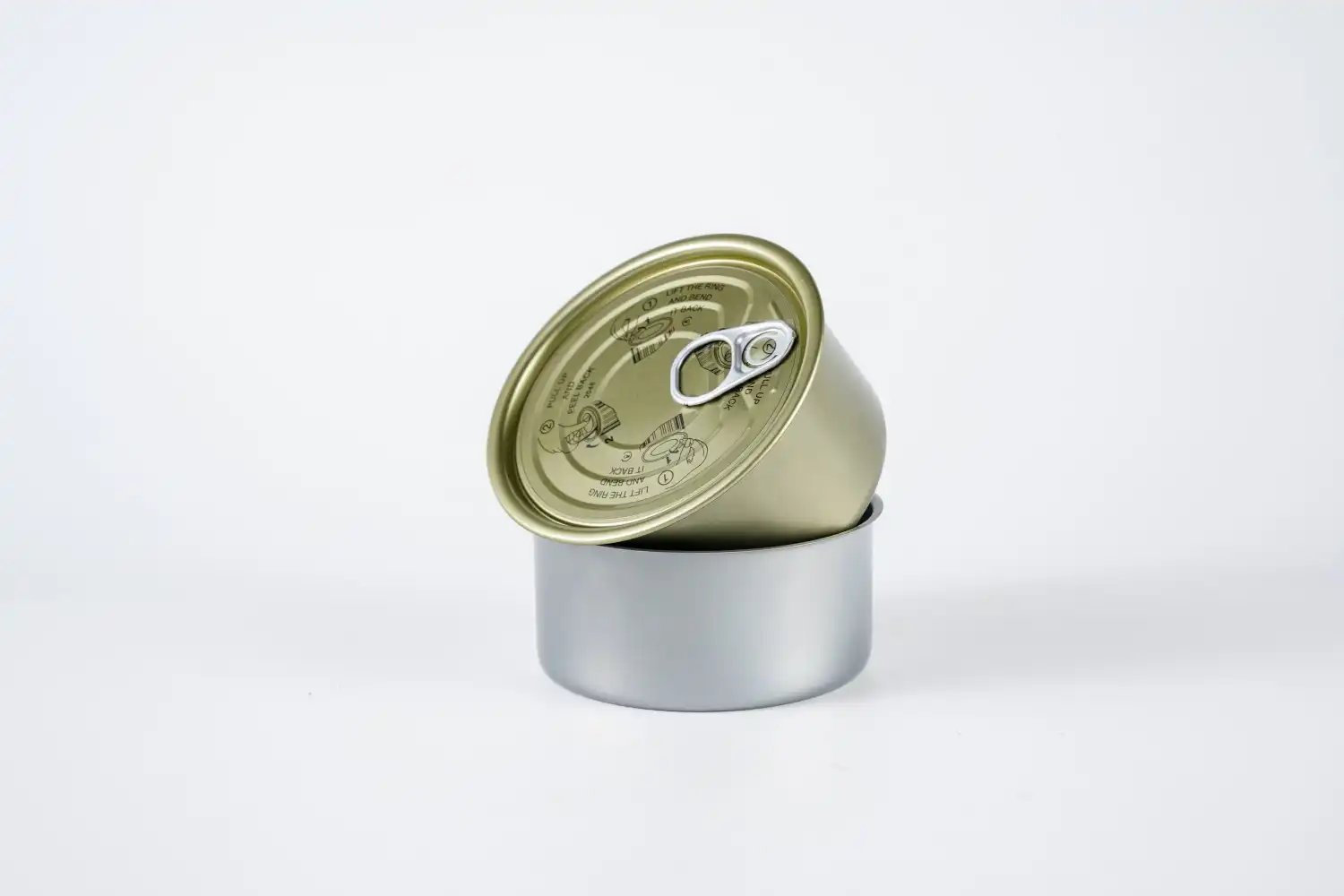
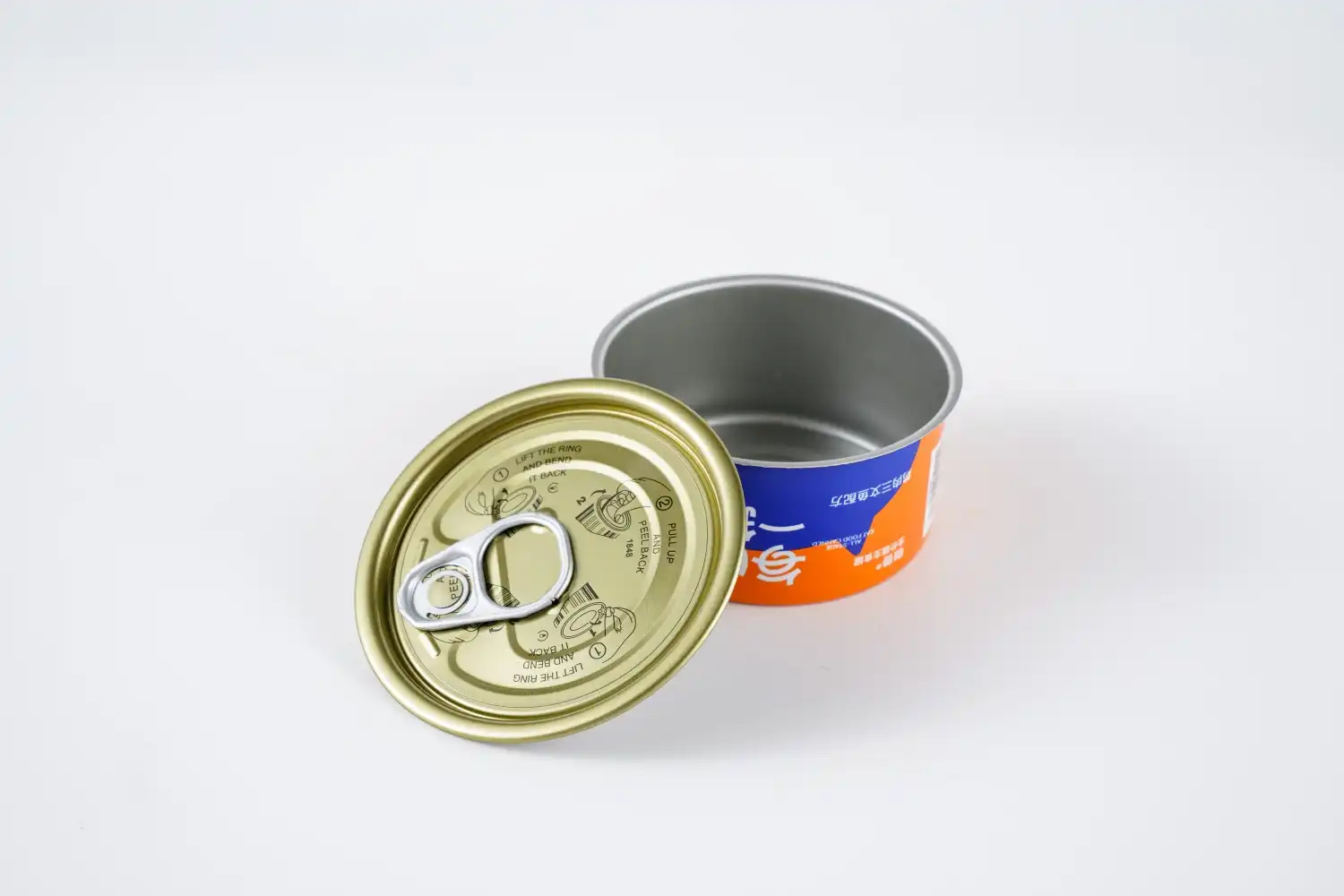
Concerns about sustainability have changed the way fish is packaged, and now 2pc Cans for Tuna https://www.threefoodcan.com/round-can/empty-tuna-canare the best choice for makers and customers who care about the environment. Through advanced drawn and redrawn technology, these new containers do not have traditional side seams. This cuts down on material waste by up to 15% compared to traditional three-piece designs. The seamless construction makes it easier to recycle and has less of an effect on the environment. This is done by making better use of aluminium, extending the shelf life, and making transportation more efficient. These changes have measurable positive effects on sustainability throughout the entire supply chain.
The Environmental Revolution in Tuna Packaging Design
Sustainability has become the main idea behind new ways to package tuna today. Compared to older packaging methods, the two-piece design is a big step forward in terms of being environmentally friendly. By getting rid of welded side gaps, seafood cans use less material and are more structurally sound overall. Special features make aluminum-based two-piece containers very easy to recycle. More recycled materials are used in these food-grade cans without lowering safety standards. To use less energy during production, manufacturing processes have changed over time, and many facilities now get their power from renewable sources. The way of continuous building cuts down on packaging trash during production. The drawn and redone process makes the best use of material, unlike traditional three-piece designs that waste a lot of trim when the side seams are welded. This economy means that fewer raw materials are needed and less damage is done to the world per unit made. Through improvements in coating technologies, tuna can now be kept for a much longer time. Modern internal layers that are BPA-NI compliant make shelf-stable tuna last longer while still meeting food safety standards. Food waste is cut down along the supply chain when it has a longer shelf life, which helps a lot with overall sustainability goals.
Advanced Materials Driving Sustainable Seafood Packaging
New coating systems have completely changed how environmentally friendly metal tuna cans are. High-performance epoxy-phenolic and organosol coats are better at resisting rust than standard tin plating, so they can be used instead. These advanced materials have less of an effect on the environment during production and keep the integrity of the product for longer periods of time. Strength-to-weight ratios are best when aluminium alloys are made in specific ways for making tuna cans. Transporting lighter containers uses less fuel while keeping the structural integrity needed for global distribution networks. The 5xxx range of aluminium alloys is widely used in current production because they work very well and leave less of an impact on the environment. Easy-open cans have special end shapes that make them easier for people to use and help with recycling. Getting rid of traditional can openers cuts down on the number of tools that people need to use around the house, and better opening methods reduce the number of sharp edges that could make recycling more difficult. Modern coating systems have barrier qualities that stop flavours from migrating and keep the nutritional content without adding extra chemicals. This new technology cuts down on the need for chemical additives and naturally extends the shelf life of tuna cans. Both the world and people's health are better off because of the result. Post-consumer recycled content is now used in tuna can materials without lowering performance standards. New technologies for sorting and cleaning allow for higher percentages of recycled content while still meeting the high-quality standards needed for seafood packaging.
Manufacturing Efficiency and Carbon Footprint Reduction
2pc Cans for Tuna Energy-efficient manufacturing methods that greatly lower carbon pollution are now used in many modern factories. Drawn and wall ironed technology, which is used to make movable tuna cans, uses less energy per unit than standard three-piece ways. These speed improvements directly lead to less damage to the Earth. Today's factories have waste heat recovery systems that take the heat that is made during production and use it again. Overall, this new idea uses less energy while keeping the high temperatures needed for the right way to seal and sterilise tuna cans. Water-saving measures are now normal in environmentally friendly tuna packing plants. Advanced water treatment technologies and closed-loop cooling systems reduce the amount of rainwater used while making sure that proper hygiene standards are met throughout the production process. Improving the way tuna is stored to make transportation more efficient lowers pollution tied to operations. Modern crates can be stacked, which makes shipping more efficient and reduces the amount of packing that needs to be done. These changes make global distribution networks more sustainable in a way that can be measured. Quality control methods have changed over time to reduce the number of rejections and the loss they cause. Advanced screening technologies find possible flaws earlier in the production process. This cuts down on waste while maintaining consistent product quality that meets strict food safety standards.
Lifecycle Assessment and Circular Economy Integration
Modern two-piece tuna packaging solutions are better for the environment, according to full lifecycle assessments. From getting the raw materials to reusing them at the end of their useful life, these products have less of an effect on the earth in every way. When recycled, the smooth form makes it easier to do so while keeping the quality of the material high through multiple uses. The packaging for canned tuna has adopted circular economy ideas by focusing on making it easier to recycle. Along with standard performance needs, end-of-life concerns are now part of the factors used to choose materials. This all-around approach makes sure that the benefits of sustainability last for the whole lifecycle of a product. Recycling rates for tuna cans have gone up a lot because the materials are now more compatible and the sorting process is easier. Getting rid of mixed materials in joint construction makes recycling less likely to be contaminated. This improvement makes it possible for higher rates of recovery and better material quality in recycled content. Through joint optimisation efforts, teamwork in the supply chain has improved environmental performance. Manufacturers, processors, and packing companies all work together to keep safety and quality standards for products while causing as little damage to the environment as possible. These relationships give each company perks that it can't get on its own. The creation of regional recycling facilities has sped up because modern tuna packing is made of more consistent materials. Standardised aluminium coatings and compositions make it easier to calibrate processing equipment. This consistency helps developing countries build up their recycling capacities.
Innovation in Sustainable Coating Technologies
BPA-free covering methods are a big step forward in making tuna cans in a more environmentally friendly way. These new materials get rid of chemicals that aren't liked by everyone while still having the barrier qualities that are needed to keep food safe over time. Modern coatings made from polyester work just as well as older systems, but they are better for the environment. Methods for applying coatings that don't use solvents cut down on volatile organic compound emissions during production. Water-based systems and powder coating technologies get rid of the need for traditional solvents while keeping the uniformity and stickiness of the coating. These new ideas help make the workplace safer and have less of an effect on the earth.Optimising the coating thickness cuts down on the amount of material used while keeping the protection effect. Modern coating technologies allow exact thickness control that cuts down on waste while still providing adequate shielding qualities. All of this accuracy helps keep costs down and protects the environment.UV-curable coating systems are more environmentally friendly because they use less energy during the curing process. These materials don't need to be heated to cure, as most do, and they are also more resistant to chemicals. The technology makes it possible to make things faster while using less energy per unit. Using nanotechnology in current covering systems improves the protective qualities while lowering the thickness needed. With very little material use, these advanced materials offer better protection against sulphide staining and flavour migration. The technology is at the cutting edge of new ideas for environmentally friendly packing.
Consumer Awareness and Market Transformation
2pc Cans for Tuna More and more people are caring about the environment, which increases the need for environmentally friendly ways to package tuna. Market study shows that environmentally conscious buyers are becoming much more interested in packaging choices that can be recycled. Buying decisions all along the retail supply chain are affected by this trend. More people are taking part in circular economy programs thanks to educational campaigns that stress the benefits of recycling. Modern containers with clear labels and recycling instructions make sorting more accurate and increase the amount of material that is recovered. These activities help build up facilities and make recycling programs financially viable. Major food makers' pledges to sustainability speed up the use of packaging options that are better for the earth. Public standards for sustainability reporting lead to measurable changes in the environmental performance of packaging. These promises make the market want new, environmentally-friendly technologies. As regulations change around the world, they favour packaging options that are better for the environment. Extended producer responsibility programs give companies a reason to build their goods with the end-of-life in mind. These rules help the market change toward more environmentally friendly options. Studies of consumer preferences show that people are becoming more willing to pay more for packaging options that can be proven to be environmentally friendly. This market trend supports keeping money in research and development for technologies that are better for the environment. The economic incentives make sustainability goals and business goals more aligned.
Conclusion
The move toward environmentally friendly 2pc Cans for Tuna shows that the packing industry is serious about protecting the environment without lowering the quality or safety of the products. These cases are great examples of sustainable design thanks to their use of new materials, creative production methods, and the cycle economy. Using less material, making it easier to recycle, and making things work better all work together to help the world throughout the whole span of a product. As customer knowledge grows, the market will continue to demand sustainable solutions. These new technologies set the industry up for more environmental progress while also meeting the growing needs for seafood packaging around the world.
Why Choose Three for Your Sustainable 2pc Cans for Tuna Supply Needs
Leading 2pc Cans for Tuna manufacturer Three delivers cutting-edge sustainable packaging solutions backed by ISO9001:2008 certification and comprehensive environmental management systems. Our state-of-the-art facilities span over 270,000 square meters with advanced German and Japanese production lines that ensure consistent quality while minimizing environmental impact. Connect with our sustainability experts at info@threefoodcan.com to discover how our innovative designs can enhance your brand's environmental credentials.
References
1. Smith, J.A., and Rodriguez, M.B. (2023). "Aluminum Packaging Sustainability: Lifecycle Assessment of Two-Piece Can Manufacturing." Journal of Sustainable Packaging Technology, 15(3), 234-251.
2. Environmental Packaging Council. (2024). "Circular Economy Integration in Food Can Manufacturing: Best Practices and Case Studies." Annual Sustainability Report, pp. 67-89.
3. Chen, L.K., Williams, P.D., and Thompson, R.S. (2023). "BPA-Free Coating Technologies for Food Contact Applications: Performance and Environmental Impact Analysis." International Food Packaging Review, 28(7), 445-462.
4. Sustainable Packaging Institute. (2024). "Energy Efficiency in Metal Container Production: Comparative Analysis of Manufacturing Technologies." Technical Research Bulletin, 42(1), 12-28.
5. Martinez, A.F., and Zhang, H.W. (2023). "Consumer Preferences and Market Trends in Sustainable Food Packaging: A Global Perspective." Market Research Quarterly, 19(4), 156-174.
6. Green Manufacturing Association. (2024). "Waste Reduction Strategies in Can Manufacturing: Industry Benchmarks and Emerging Technologies." Environmental Engineering Digest, 31(2), 78-95.
YOU MAY LIKE