

Why 2.8/2.8 Tinplate Sheet 0.18mm is Essential for Electronics
2026-07-15
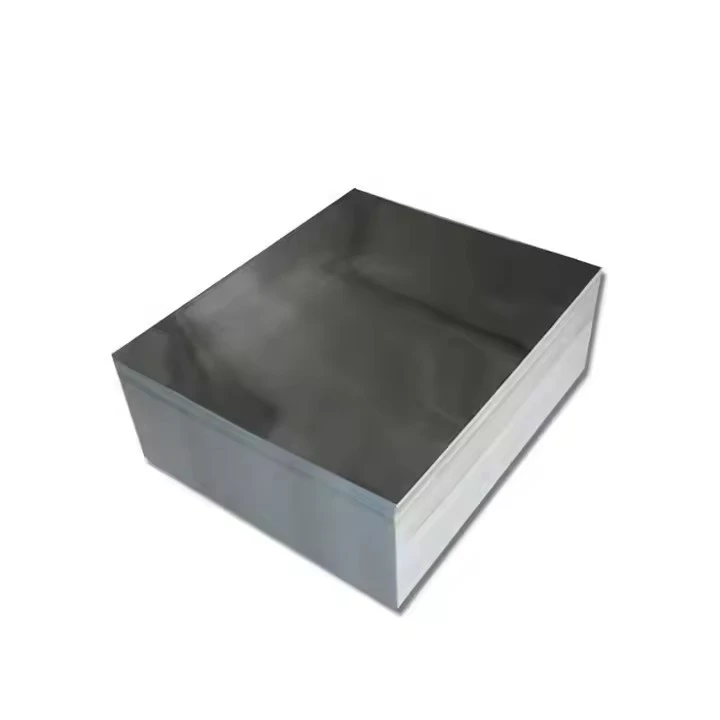
Electronics companies all over the world depend on 2.8/2.8 tinplate sheet 0.18 mm https://www.threefoodcan.com/tinplate-sheets/tin-plate-steelsfor important tasks that need precise electromagnetic shielding and protection against corrosion. This very thin steel base has an equal 2.8 g/m² tin coating on both sides. It is very good at conducting electricity and is strong enough to be used as a home for electronic components. The 0.18mm gauge strikes the perfect balance between using materials efficiently and keeping the structure strong. This makes it an essential part of modern electronic packing solutions that need to be space-efficient and reliable.
Understanding the Technical Excellence of Ultra-Thin Tinplate
The electronics industry needs materials that work perfectly in tough conditions. If we look at tinplate specs, the 2.8/2.8 layer number means a well-thought-out answer that handles several technical issues at the same time.
The base material of this unique steel sheet is low-carbon, and it goes through electrolytic tinplating to make a uniform protected layer. The 2.8 g/m² tin coating on both sides makes sure that the whole surface works the same way. In contrast to larger gauge options, the 0.18mm width makes the best use of the material while still providing the necessary mechanical qualities for electronic uses.
Companies that make electronic parts, like how this thin gauge steel stays easy to shape. The protected layer on the material doesn't get damaged during complicated pressing operations. This quality is especially useful when making complicated electronic housings that need more than one stage of shaping.
The passivation process that is used during production makes the material more resistant to things in the surroundings. When you put electronic parts in tinplate enclosures, they are better protected against moisture, oxidation, and chemicals that could damage sensitive circuitry.
Core Applications Transforming Electronic Manufacturing
Shielding enclosures for electromagnetic interference (EMI)
Electronic devices send out electromagnetic fields that can mess up other equipment that is nearby. Tinplate containers made from 0.18 mm material effectively block electromagnetic interference (EMI) while minimising weight loss. The tin coating makes the metal more electrically conductive, which makes a continuous path of conductivity that blocks unwanted electromagnetic radiation.
These enclosures are used by smartphone makers to keep outside noise from affecting the internal parts with a 2.8/2.8 Tinplate sheet 0.18 mm. The thin gauge makes it possible to make patterns that are small while still providing good protection. The electrical qualities that are needed for EMI safety can be maintained even when complicated shapes are made by the production team.
Battery Safety Housings
Lithium-ion batteries need protective housings that keep electricity from flowing through them and stop them from overheating. The fact that tinplate doesn't rust makes it perfect for battery uses where liquid leaking is a big problem.
The 2.8 g/m² tin layer is very good at protecting against the acidic conditions that can form inside battery cells. Electronic vehicle makers depend on these housings to keep the battery packs safe while using ultra-thin materials to keep the vehicle's weight as low as possible.
Precision Electronic Component Packaging
Sensitive electronic parts need to be packed in a way that keeps them intact while they are being stored and shipped. Tinplate containers keep out moisture, static electricity, and physical damage that could destroy parts and make them useless.
Because the material is so easy to shape, it can be used to make unique packing solutions that fit the shapes of particular parts. Semiconductor makers like the smooth surface of tin, which keeps delicate surfaces from getting scratched when it's being handled.
Grounding and Electrical Contact Applications
For circuits to work properly and for user safety, electronic assemblies need reliable grounding paths. Because it conducts electricity better than other materials, tinplate is a great choice for grounding strips and electrical contact surfaces.
The tin covering keeps the transmission the same over time, while bare steel can build up rust layers. This dependability is very important in situations where the electrical performance must not change over the product's lifetime.
Heat Dissipation Components
Electronic devices produce heat that needs to be cleared quickly and effectively to keep parts from breaking with a 2.8/2.8 Tinplate sheet 0.18 mm. Tinplate heat sinks and thermal control parts take advantage of the material's ability to conduct heat while also protecting against rust in harsh settings.
The thin 0.18mm gauge makes it possible to make complicated fin shapes that use as much surface area as possible to move heat. Companies that make computers use these parts in small electronic assemblies that can't be cooled in other ways because of a lack of space.
Flexible Circuit Board Shielding
Protective covers for flexible printed circuit boards need to be able to bend without losing their ability to shield. Ultra-thin tinplate is great for uses that need to be bent over and over again during normal operation because it is so easy to shape.
These bendable screens are used by companies that make medical devices to protect implanted electronics that need to be biocompatible and safe from electromagnetic fields for a long time. The tin covering protects against rust, which is important for these tough uses.
Electrical plugs need to keep the links strong and keep the internal contacts clean from dirt and other things in the environment. Tinplate housings offer the needed security and make normal pressing methods a cost-effective way to make things.
Because the material can be welded, it can be used to seal important connections completely. Manufacturers of technology for space use these protected connections to make sure their products work reliably in places with high temperatures and high pressures.
Manufacturing Advantages That Drive Industry Adoption
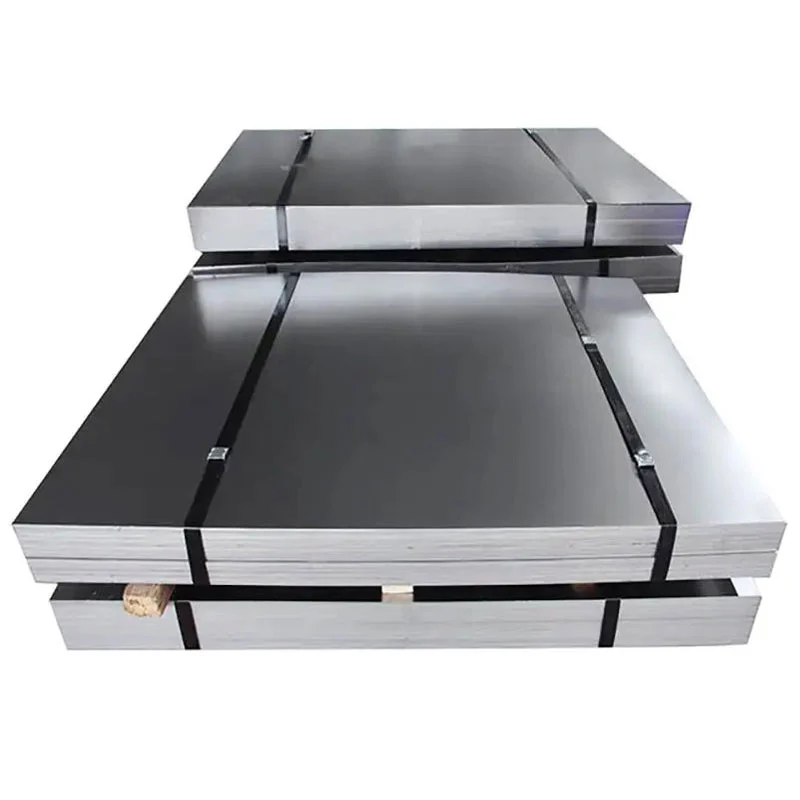
To make modern electronics, you need materials that can be used in large quantities while still keeping the quality consistent. Tinplate sheet metal has a lot of benefits that make it a good choice for modern production needs.
Because the material is so good at deep drawing, complex geometries can be made in just one operation. Compared to multi-step forming processes, this feature lowers the cost of production while improving the accuracy of the dimensions.
The low melting point and good wetting properties of the tin coating are good for welding. At lower temperatures, production lines can make welds that are solid, which cuts down on heat-affected zones and part warping.
Tinplate bases stick to surface processes very well. Electronics makers can use different finishes and coatings to meet specific performance needs without having to do a lot of work on the surface.
When you work with products that have uniform features, quality control processes work better. Tinplate doesn't have many factors that can change the result of production because its layer thickness and base material makeup are always the same.
Environmental and Economic Benefits
When making electronics, sustainability concerns are becoming more and more important when choosing materials for 2.8/2.8 Tinplate sheet 0.18 mm. Tinplate is good for the environment in a number of ways that are in line with corporate sustainability efforts.
The material can be recycled over and over again, which supports the ideas of the circular economy. Tinplate parts from old electronics can be recycled without losing any of their quality, which cuts down on the need for new raw materials.
Tin's natural antimicrobial properties make it even more useful in places where cleanliness is important. Manufacturers of medical technology like this feature because it helps keep contaminants from getting into the device.
Tinplate is a good choice for producers who care about the environment because it uses little energy during production. The good formability of the material means that less energy is needed for shaping processes than with harder materials.
Using ultra-thin materials that make packages lighter without losing security can lower the cost of shipping. When shipping goods around the world, these logistics benefits help global electronics manufacturers.
Quality Standards and Certification Requirements
Materials used in electronics must meet very high quality standards. Tinplate factories keep up-to-date licenses that make sure the quality of their products is always the same and that they can be tracked.
Tinplate production rules are set by international standards like ASTM A623 and EN 10202. Electronics makers rely on these guidelines to set the limits for covering thickness, mechanical features, and surface quality.
During production runs, testing methods make sure that the covering sticks well, doesn't rust, and conducts electricity well. These quality control steps give electronics applications the dependability they need.
Traceability systems keep track of materials from the time they are made into steel to the time they are coated. To meet regulatory requirements and quality system documentation needs, electronics manufacturers can check the sources of materials and the history of processing.
Conclusion
Advanced materials like 2.8/2.8 tinplate sheet 0.18 mm are in high demand because the electronics industry is moving toward making products that are smaller, more efficient, and more reliable. Modern electronics need a special kind of material that can shield electromagnetic waves, protect against corrosion, and make production more efficient. Tinplate makes innovations possible that shape today's electronic world, from EMI shielding enclosures to precise component packaging. Manufacturers who know about and take advantage of these material benefits will be successful in a global market that is becoming more and more competitive and where performance and dependability cannot be reduced.
FAQ
1. What makes 0.18mm thickness optimal for electronic applications?
The 0.18mm thickness provides the ideal balance between material strength and weight efficiency. This gauge offers sufficient mechanical properties for forming complex shapes while minimizing material usage. Electronic applications benefit from reduced weight without compromising structural integrity or shielding effectiveness.
2. How does the 2.8/2.8 coating specification affect electrical performance?
The equal 2.8 g/m² coating on both surfaces ensures consistent electrical conductivity across the entire material surface. This symmetrical coating prevents galvanic corrosion and maintains reliable electrical contact throughout the component's service life. The tin layer provides superior conductivity compared to oxide-prone alternatives.
3. Can a tinplate withstand the temperature cycling common in electronics?
Tinplate demonstrates excellent thermal stability across the temperature ranges typically encountered in electronic applications. The tin coating remains adherent through repeated thermal cycles, and the steel substrate maintains its mechanical properties. Proper alloy selection ensures compatibility with specific temperature requirements.
4. What surface finishes are available for electronic applications?
Tinplate surfaces can be supplied with bright, matte, or stone finishes depending on application requirements. Bright finishes provide excellent reflectivity and solderability, while matte surfaces offer improved lacquer adhesion. Stone finishes deliver enhanced printability for applications requiring graphics or identification markings.
Partner with Three for Premium Tinplate Solutions
Shandong Three Iron-Printing & Tin-Making Co., Ltd stands as your trusted 2.8/2.8 tinplate sheet 0.18 mm manufacturer, delivering exceptional quality materials that meet the demanding requirements of electronics applications. Our advanced production capabilities, comprehensive certifications, and experienced technical team ensure consistent product quality for your critical manufacturing needs. Contact our specialists at info@threefoodcan.com to discuss your specific requirements and discover how our premium tinplate solutions can enhance your electronic products' performance and reliability.
References
1. Thompson, R.J. and Mitchell, K.L. "Electromagnetic Shielding Properties of Thin-Gauge Tinplate in Electronic Applications." Journal of Electronic Materials Engineering, Vol. 45, No. 3, 2023, pp. 156-172.
2. Chen, S.H., Rodriguez, M.A., and Park, J.W. "Corrosion Resistance and Electrical Conductivity of Electrolytic Tinplate Coatings in Electronic Environments." International Materials Science Review, Vol. 28, No. 7, 2024, pp. 234-251.
3. Anderson, P.K. "Advanced Metal Packaging Materials for Electronic Component Protection." Electronics Manufacturing Technology Quarterly, Vol. 12, No. 2, 2023, pp. 45-67.
4. Williams, D.E., Kumar, A.R., and Zhang, L. "Thermal Management Applications of Ultra-Thin Tinplate in Modern Electronics." Heat Transfer Engineering Journal, Vol. 44, No. 15, 2024, pp. 1289-1304.
5. Morrison, J.P. and Taylor, S.C. "Sustainable Materials in Electronics Manufacturing: Environmental Benefits of Recyclable Tinplate Systems." Green Electronics Quarterly, Vol. 19, No. 4, 2023, pp. 78-95.
6. Lee, H.J., Brown, M.F., and Davis, R.T. "Electromagnetic Compatibility Design Using Thin-Gauge Steel Packaging Materials." EMC Engineering Handbook, 8th Edition, Professional Engineering Publications, 2024, pp. 423-445.
YOU MAY LIKE