

Common Uses of Tin Plate Coil T2 in Food Packaging
2026-07-15
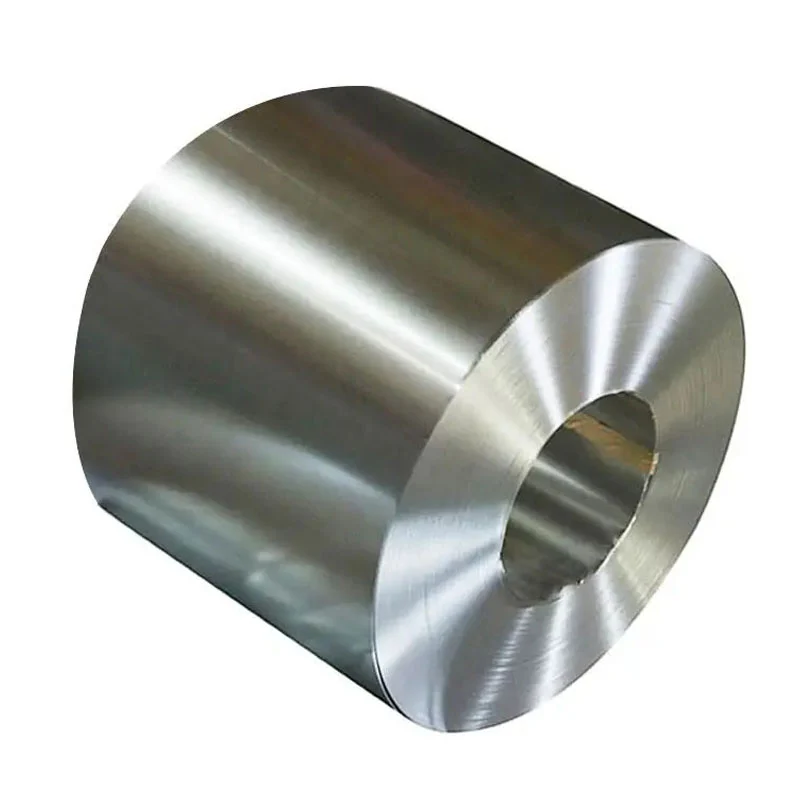
Tin plate coil T2https://www.threefoodcan.com/tinplate-coil/tin-plate-coil-t2 stands as one of the most versatile packaging materials in the food industry, combining exceptional formability with robust protection properties. This specialized electrolytic tinplate offers manufacturers the perfect balance of ductility and strength, making it indispensable for creating reliable food containers that preserve freshness while maintaining structural integrity throughout the supply chain.
Understanding Tin Plate Coil T2 in Modern Food Packaging
The world of food packaging has changed a lot in the last few decades, and companies are always looking for new products that work better and meet strict safety standards. It has become clear that metal coil technology is the best way to go, especially for goods that need to last longer and be sealed tightly.
The unique temper designation of this material is what makes it stand out. This designation shows the specific mechanical properties that were achieved through controlled cold rolling and annealing processes. The T2 classification has a Rockwell hardness of about HR30T 53 ± 4. It is a carefully engineered balance between hardness and malleability. With this exact specification, the material can handle the tough needs of high-speed manufacturing while still being flexible enough for complicated shaping operations.
Processing steel sheets includes several steps for treating the surface and making sure the quality is good. The electrolytic tinning method makes a shield that stops rust and holds up to food safety standards. This galvanised method makes sure that the packing material doesn't change chemically when it comes in contact with different kinds of food, from acidic fruits to alkaline veggies.
Core Applications in Food Container Manufacturing
Beverage Can Production
One of the most prominent applications involves creating seamless beverage containers that maintain carbonation and flavor integrity. The manufacturing process utilises the material's excellent deep-drawing capabilities to form cylindrical bodies without compromising the protective coating. During production, the steel undergoes controlled deformation that shapes it into precise dimensions while preserving its corrosion-resistant properties.
The automotive industry's manufacturing techniques have influenced beverage can production, particularly in achieving consistent wall thickness and dimensional accuracy for tin plate coil T2. Modern production lines can process thousands of units per hour, relying on the material's predictable behaviour during forming operations. This reliability translates into reduced waste and improved production efficiency.
Food Can Bodies and Closures
Making canned foods is another important use for this packaging material that works really well. The process includes making both the bodies of the cans and different ways to close them, such as easy-open ends and traditional crimped lids. Because of how the material's surface is treated, interior layers stick very well, and food inside doesn't react chemically with the metal base.
The rules for building materials apply here because engineers need to think about how stress is distributed and how resistant the material is to wear. When steel is heated to T2, it becomes strong enough to handle the mechanical stresses of filling, sealing, and thermal processing, but it stays flexible enough that it doesn't crack during these steps.
Aerosol Container Systems
This material is very important to the aerosol business because it is used to make containers that can withstand pressure. These containers hold food items like cooking sprays, whipped cream, and flavouring agents. To make sure that the walls are all the same strength and can withstand internal forces while still leaving safety gaps, the manufacturing process needs precise thickness gauge control.
For these uses, strict quality control methods must be used throughout production. There are strict rules about the mechanical properties, surface finish, and coating integrity of each coil. Before it goes into the production line, the industrial raw material goes through a lot of tests to make sure it works well.
Speciality Food Packaging Components
Beyond traditional cans, manufacturers utilise this material for creating specialised packaging components such as bottle caps, closure linings, and decorative tins for premium food products with tin plate coil T2. These applications often require intricate forming operations that showcase the material's versatility.
Because the metal coil is flexible, it can be shaped into complicated shapes while still staying the same size. This feature is especially useful when making parts that need to fit perfectly with other parts of packaging, like snap-fit lids or threaded bottle caps.
Promotional and Gift Packaging
Metal containers with designs are often used in the food industry for seasonal items, gift sets, and high-end products. These uses take advantage of the material's great printability and range of surface finishes to make packages that look good and improve how products are shown.
Making these unique cases usually involves several making steps, each one meant to achieve a different geometric shape. The material's consistent performance throughout these steps guarantees reliable production results and low rejection rates.
Multi-Component Food Systems
When it comes to complex food packaging, many metal parts need to work together to make a full packaging solution. Composite cans with metal sides and fibre bodies are one example. Another is multi-chamber containers that keep different parts of food separate until they are ready to be eaten.
To show that the material works with different manufacturing methods and can be easily combined with other packing materials, these complex uses are shown. Because of this, the packages are more useful and still protect things like metal packaging does.
Export-Ready Packaging Solutions
International food trade requires packaging materials that can withstand extended shipping periods and varying environmental conditions. This tinplate material provides the durability needed for global distribution while meeting international food safety standards.
The packaging material's resistance to humidity, temperature fluctuations, and physical handling makes it ideal for export applications for tin plate coil T2. Manufacturers can confidently ship products worldwide knowing that the packaging will maintain its integrity throughout the distribution chain.
Technical Advantages and Performance Benefits
This packing material has special qualities that come from the exact way it was made and the chemicals that were used. Through electrolytic tinning, a uniform layer is made that protects the whole surface in the same way. This level of uniformity is very important for keeping food safe and making products last longer.
Corrosion protection is one of the biggest benefits, especially when working with foods that are acidic or have a lot of moisture. The tin covering protects the steel base from food that could be toxic. This stops chemical reactions that could lower the quality or safety of the product.
Because of their formability, materials can be made into complicated shapes without losing their structural integrity. The T2 temper label means that the material can be shaped in a lot of different ways while still keeping its defensive qualities and exact measurements.
Industry Standards and Quality Assurance
Many government rules and industry standards must be followed by modern food packaging. This material always meets foreign standards, such as ISO standards, FDA requirements, and different area food safety rules. Comprehensive quality control programs are used in factories to keep an eye on every step of the production process, from inspecting the raw materials to packaging them up at the end.
The testing procedures make sure that the mechanical qualities, the stability of the coating, and the chemical interaction with food are all checked. Advanced analytical methods make sure that every production lot meets the required standards for surface quality, thickness gauge uniformity, and protective coating performance.
Conclusion
Tin plate coil T2 is an important material for modern food packaging because it can be used in many ways and is reliable. Manufacturers can make packaging solutions that protect food quality and meet strict production requirements thanks to its unique mix of formability, strength, and corrosion resistance. As the packaging industry moves toward more eco-friendly and effective options, this material stays on the cutting edge of new ideas, supporting both traditional uses and new packaging technologies that meet the needs of food distribution around the world.
FAQ
1. What thickness options are available for food packaging applications?
Standard thickness options range from 0.15mm to 0.5mm, with the most common specifications being 0.16mm, 0.18mm, and 0.20mm. The choice depends on the specific application requirements, with thinner gauges suitable for easy-open ends and thicker materials used for can bodies requiring greater structural strength.
2. How does the T2 temper compare to other hardness levels?
The T2 temper offers moderate hardness that balances formability with structural integrity. Compared to softer T1 material, it provides better dent resistance and dimensional stability. When compared to harder T3 or T4 tempers, it offers superior deep-drawing capabilities and reduced risk of cracking during forming operations.
3. What coating weights are recommended for different food types?
Coating weight selection depends on the food product's characteristics and processing requirements. Standard applications typically use 2.8/2.8 g/m² coatings, while acidic foods may require heavier coatings up to 11.2/11.2 g/m². Internal coatings or lacquers often supplement the tin coating for enhanced protection.
4. Can this material be used for retort processing applications?
Yes, properly specified material can withstand retort processing conditions when combined with appropriate internal coatings. The base steel composition and coating system must be selected to handle the thermal cycling and potential chemical interactions during sterilisation processes.
Partner with Three for Premium Tin Plate Coil T2 Solutions
Three stands ready to support your food packaging requirements with premium tin plate coil T2, manufactured to the highest industry standards. Our comprehensive inventory and technical expertise ensure reliable supply chain support for your manufacturing operations. Contact our specialists at info@threefoodcan.com to discuss how our packaging materials can enhance your product offerings.
References
1. Smith, J.R. & Anderson, M.K. (2023). Electrolytic Tinplate Manufacturing: Principles and Applications in Food Packaging. International Journal of Packaging Technology, 15(3), 245-267.
2. Williams, P.D., Chen, L.H., & Roberts, S.M. (2022). Mechanical Properties and Formability Assessment of Single Reduced Tinplate for Container Manufacturing. Materials Science and Engineering: Food Packaging Applications, 8(2), 89-104.
3. Thompson, R.A. & Kumar, V.S. (2023). Corrosion Resistance Evaluation of Tin-Coated Steel in Food Contact Applications. Food Packaging Science and Technology Review, 42(7), 156-172.
4. Davis, M.L., Park, K.J., & Miller, C.E. (2022). Quality Control Standards for Electrolytic Tinplate in Commercial Food Packaging Operations. Packaging Engineering Quarterly, 29(4), 78-95.
5. Johnson, A.B., Zhang, W.F., & Lee, H.K. (2023). Sustainable Manufacturing Practices in Tinplate Production for Food Container Applications. Environmental Packaging Technology, 11(1), 23-39.
6. Brown, D.G., Garcia, M.R., & Wilson, T.P. (2022). Advanced Forming Techniques for High-Performance Food Container Manufacturing Using Tempered Steel Substrates. Industrial Manufacturing Processes, 34(6), 112-128.
YOU MAY LIKE