

What Sizes Do Ring Pull Lids for Soup Come In?
2026-09-10
When sourcing packaging for soup products, choosing the right closure size makes all the difference. Ring pull lids for soup https://www.threefoodcan.com/peel-off-lids/peel-off-lids-for-foodcome in several standard diameters, with the most common being 83.3mm (Item #307) and 99mm (Item #401). These aluminum lids are engineered to fit seamlessly on soup, bird's nest, and porridge containers, providing consumers with easy, tool-free opening while maintaining hermetic seals during retort processing. Understanding these size specifications helps procurement teams match lids precisely to their containers, ensuring product integrity and consumer convenience.
Overview of Ring Pull Lids for Soup Containers
There is a special type of full opening easy open ends called Ring Pull Lids for Soup that are made for liquid and semi-liquid food uses. In contrast to traditional can ends that need extra tools, these closes have a built-in pull-tab system that makes it easy for customers to remove the whole top panel. When it comes to soup packaging, this convenience factor directly leads to happier customers who are more loyal to the brand.
The design includes a carefully thought-out score line that strikes a balance between two important needs: making it easy for customers to open and keeping it from opening by accident while being transported or handled. When packing soups, which go through a lot of heat processing at temperatures up to 121°C during industrial retorting, this balance is very important. It is important that the lids keep their shape during the cleaning process and that the seal stays intact.
In addition to being useful, these closures provide great branding opportunities. The flat lid surface is perfect for custom writing, which lets food companies send direct messages to customers about their brands, nutrition facts, and how to prepare the food. Because it can be seen at the point of sale, the lid can affect people's decisions to buy, making it an active part of marketing strategy.
Soup has special needs when it comes to packaging that standard closures don't always meet. When you mix the high moisture level with chemicals like acids, salts, and fats, you get an aggressive environment that can damage cheap packaging materials. Interior coatings on Ring Pull Lids for Soup are usually plain lacquer formulas that make a strong barrier against chemical contact. The round shape of these lids goes well with the cylindrical shape of soup cans because it spreads stress out evenly during handling and heating. There is less chance of panel distortion or "panelling" when the geometric fit is good. This can happen when vacuum pressure builds up inside cooling containers. This makes a package that looks good and stays together throughout its shelf life, which for commercially processed soups is usually two to three years.
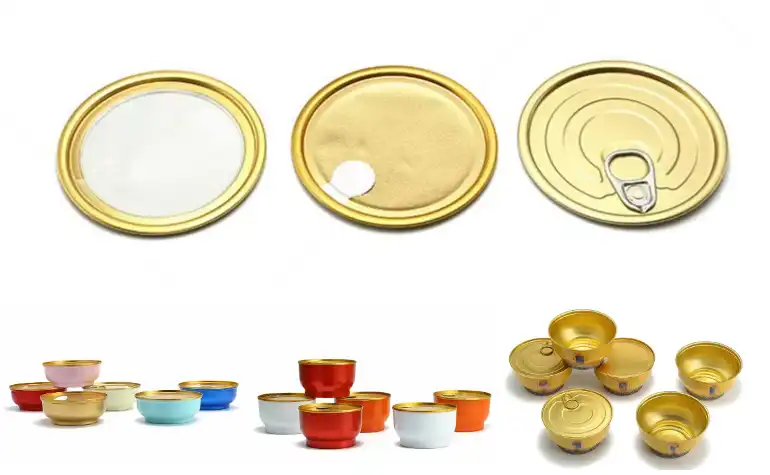
Common Sizes and Dimensions of Ring Pull Lids for Soup Containers
To work with a range of serving sizes and container shapes, the food packaging industry has standardized a number of Ring Pull Lids for Soup diameters. Knowing these standard sizes helps procurement workers make smart decisions about where to buy things that fit their production tools and how they want to place themselves in the market.
Standard Diameter Specifications
The two main sizes we make show the range that is common in soup packaging. Our Item #307 features an 83.3mm diameter, which makes it perfect for single-serve soup containers and smaller family-size portions. This small size goes well with product lines that are designed to be convenient and can be used on the go or to plan meals based on portions. Our Item #401 has a 99mm diameter, which fits bigger family-size containers and gives you plenty of room to pour chunky soups with big chunks of meat and veggies. Aluminum is used as the base material for both sizes, which has many benefits over tinplate options. Aluminum doesn't rust easily, which is especially important when packaging tomato-based soups or broths that are acidic or high in salt. The lighter weight of the cloth also lowers shipping costs, which is important when you order a lot of it. Also, the fact that aluminum is magnetically neutral means that it needs to be taken into account when integrating with filling line equipment. However, modern vacuum and mechanical conveyors can handle aluminum lids well.
Material Composition and Coating Systems
The plain lacquer coating method that is used on both inside and outside objects protects in more than one way. On the inside, the coating keeps the soup from touching the aluminum base directly. This way, there is no chance of a metallic taste transfer or chemical reaction. To make sure there are no tiny flaws, this coating has to pass strict metal exposure tests that are measured in milliamps. We offer plain lacquer on the outside in either a golden or a grey finish, so that different brand identities can be matched visually. People often choose luxury or organic soup lines with a golden finish because it makes the food look warm and high-quality. The color grey has a more modern and mechanical look that fits with simple brand styles. Both finishes are great for custom printing, so you can be sure that the graphics and text will look great.
Customization and Minimum Order Considerations
We have low minimum order amounts, which is a big plus for us and a problem that a lot of small to medium-sized food makers and private label companies have. Most of the time, traditional lid providers have MOQs that are too high and take up too much warehouse room and cash. Our approach is flexible, so businesses can try out new product lines or serve niche markets without having to worry too much about their inventory.We offer free samples so that quality inspection teams can test them thoroughly for compatibility before agreeing to full production orders. Engineers can use these examples to make sure that the coating will fit in current containers, test the settings on sealing equipment, and do shelf-life studies that show how well the coating works with certain types of soup. This testing phase lowers the chance of expensive production delays or quality problems that can happen when pre-production testing isn't done well.
How to Choose the Right Size Ring Pull Lid for Your Soup Packaging
To choose the best Ring Pull Lids for Soup size, you have to look at a lot of linked factors that go beyond just meeting the diameters. To make decisions that are good for both operations and the market, procurement professionals need to think about the whole packaging system, from how well it works with the filling line to how the end user feels about it.
Matching Lid Diameter to Container Opening
Precise dimensional compatibility is the key to making soup packaging work. The diameter of the lid must match the curl dimension of the container, which includes the small flange that sticks out from the body of the can. Even a difference of one millimeter can cause closing problems, making leak paths that threaten the safety and shelf life of the product.When checking if a container lid will work with it, look at the curl width and height measurements that your can seller gives you. In order for the seaming process, which automatically connects the lid curl to the container curl, to work right, the dimensions must match up just right. Our expert team can look at the details of your container and suggest the right lid size. This way, the seaming process can regularly make hermetic seals during high-speed production runs.
Soup Characteristics and Thermal Processing Requirements
Different kinds of soup put different demands on the lid's ability to work. Openings with a bigger width are better for chunky soups with big, chunky ingredients because they let people pour the contents without any problems. A 99mm hole can hold bigger pieces of chicken, beef, or veggies more comfortably than smaller ones, which makes eating more enjoyable.On the other hand, 83.3mm openings may work fine for smooth pureed soups or broths, which lets makers save money on materials while still making entry easy. This choice is also affected by the viscosity of the soup. Creamier, thicker soups flow more slowly and may need bigger openings to make customers happy, while broths that are thinner can pour easily through smaller holes.
Equipment Compatibility and Production Integration
The lids you can choose are limited by the tools you already have for filling and seaming. There are different seam chucks and base plates that can fit different thickness ranges. Changing these parts costs money and takes time. When looking at different lid sizes, make sure that your seamer can handle the diameter you're thinking about, or else you may have to pay to have the equipment changed.Another important thing to think about is th e seeming speed. Larger diameter lids usually need slightly slower seaming speeds to make sure that the curls interlock all the way around the bigger circumference. If your production goals call for certain throughput rates, talk to both your equipment seller and the maker of your lids about these needs to find any possible problems before deciding on a size.
Environmental and Consumer Safety Factors
Concerns about ecology affect buying choices at both the customer and business levels, and modern soup packaging needs to take those into account. Aluminum lids are very easy to recycle because the material stays the same after being recycled over and over again. Businesses that care about the environment like this benefit, and environmentally conscious customers who think more about packing effect when they buy things also like it. Microwave safety is another thing that goes into choosing a lid. Even though our ring pull lids are meant to be taken off before heating, making sure customers know how to use them correctly keeps them safe. The surface of the lid has room for clear cooking directions, and the easy-open design makes people more likely to take off the lid instead of trying to microwave the sealed container, which can cause dangerous pressure buildup.
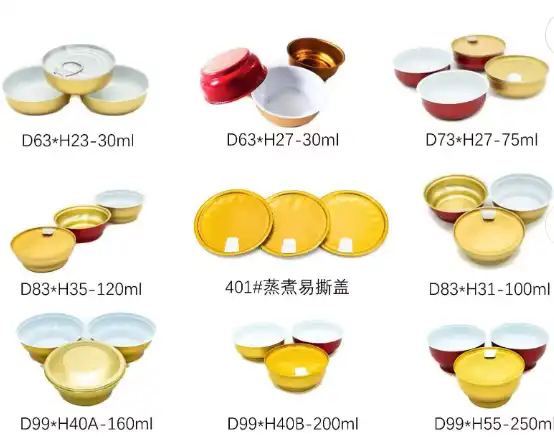
Comparing Ring Pull Lid Sizes: Practical Decision Factors
To compare different Ring Pull Lids for Soup sizes, you have to look at how changes in diameter affect a number of performance factors. Procurement professionals can make better comparisons that take into account the real total cost of ownership instead of just the unit price if they understand these connections.
Sealing Integrity and Leak-Proof Performance
Larger diameter lids are harder to seal because they need to be hermetically closed around the whole edge. A 99mm lid has about 19% more diameter than an 83.3mm lid, which means there is more space along the lines where leaks could happen. Because of this geometric fact, seaming operations need to be more precise, and quality control needs to be stricter. Material progress, on the other hand, has mostly eased these worries. Modern compound formulations, like the sealant material used on the lid curl, stay effective across a wide range of diameters as long as they are used correctly. As part of our production process, automatic vision systems check the application of the compound on each lid. This makes sure that the coverage is the same for all sizes, which makes for reliable seals. The testing protocols you use should be tailored to the needs of your application. In retort simulation testing, sealed containers are put under increased temperature stress. This finds any problems with the sealing before the products reach the market. Hermetic integrity is checked in a water bath by finding air bubbles leaking from seals that aren't working right. These quality control methods become more important as the diameter grows, which is why it's worth spending money on equipment for thorough testing.
Cost Analysis and Volume Pricing Structures
As expected, the cost of materials goes up with diameter. For example, a 99mm lid needs about 42% more material than an 83.3mm lid of the same gauge thickness. This difference in materials leads to higher costs per unit that add up to a lot when high production numbers are used. When you need millions of units every year, even small differences in price per piece have a big effect on your budget. With volume-based prices, you can get the best deals on costs no matter what size you choose. Our pricing system takes into account the fact that longer production runs and less frequent setups mean that larger orders lower the cost of making each unit. When you work with suppliers early on in the development process, you can negotiate better prices that reward loyalty and give the supplier information about how to plan production. Take a look at the bigger picture of the economy, not just the direct price of materials. Larger lids may allow premium price tactics by telling customers that the product is worth more. Because a 99mm opening makes it easier to pour and looks better, higher retail prices can be justified. These higher prices can more than cover the higher cost of packaging, which improves overall margin performance.
Regional Preferences and Market Trends
Market study shows that people in different areas have different tastes that affect the best size choice. The people in the United States really like big portions and things that are easy to get to. This makes larger-diameter lids perfect for mainstream retail channels. People in the convenience culture like quick meal options, and a fully-openable lid that makes heating and fully openable lids right in with these needs. European markets have a wider range of tastes, with large groups of people valuing amount control and reducing waste. These goals are in line with smaller 83.3mm formats, which offer single-serve options that are good for both ease and the environment. Knowing the societal background of your target market will help you choose the right size that will be accepted by that market. New trends show that product lines will have more formats to choose from. Some of the most popular soup brands now offer the same recipe in different package sizes to fit different eating situations and home layouts. Coordinating lid buying across sizes is needed for this approach, so a supplier's ability to provide uniform quality across diameters is a key factor in the selection process.
Procurement Guide: Where and How to Source Ring Pull Lids for Soup
A successful buying process includes more than just negotiating prices. Strategic buying of Ring Pull Lids for Soup applications necessitates assessing possible partners on a number of different criteria, including the supplier's skills, making sure the quality is good, and building relationships that help the business reach its long-term goals.
Supplier Evaluation and Selection Criteria
Manufacturer certification is an important way to make sure that quality management is working well. We keep our ISO9001 certification because it shows that we take a systematic approach to process control, continuous improvement, and making sure customers are happy. This worldwide standard makes sure that factories use the same methods every time, so that the quality of the products they make is always the same. Another important evaluation factor is production capacity. Our yearly production of 2 billion easy-open lids shows that we have a large enough manufacturing scale to meet the needs of our growing customer base without any problems. This level of output also shows that the process is mature, since systems that make billions of pieces a year have usually worked out technical problems and improved efficiency through a lot of experience. Strategic suppliers are different from simple vendors because they offer technical support. Our team has more than 65 skilled technical staff members who can answer questions about applications, fix problems with sealing, and suggest the best lid specs for developing new products. This knowledge is especially useful when introducing new kinds of soup or changing the package to fit the needs of different groups of people.
Lead Times and Supply Chain Planning
Ring pull lids usually have lead times between four and eight weeks, but this depends on the size of the order, any customization needs, and production plans. Standard sizes with plain finishes usually ship the fastest. Custom printed lids, on the other hand, need more time for approval of the artwork, production of the printing plates, and quality checks. By including these dates in the planning of production, you can avoid costly delays or extra charges for speeding up the process. Carrying costs and supply security should be balanced in inventory plans. Many successful soup makers keep enough safety stock to last for four to six weeks of production. This is done in case demand changes or there are unplanned supply problems. As the weather gets warmer, more people eat soup, so this buffer is especially useful for seasonal goods that see big demand spikes during those months. Our position in the Linyi Economic and Technological Development Zone gives us strategic transportation benefits. We are close to rail links and air freight facilities, which give us a variety of shipping choices. This infrastructure supports both air freight for urgent needs and container shipments for large orders. This gives customers a supply chain that can change with their business needs.
Customization Options and Branding Opportunities
Custom printing turns useful seals into strong brand advocates. Full-color images, nutritional strips, and promotional messages that get people's attention at the point of sale are all things that we can print. There is about 50 square centimeters of conversation room on the flat lid surface, which is useful in crowded stores. Design guidelines for printing on lids balance how the design looks with how well it works technically. If you put important text or images within 5 mm of the score line, the opening action could tear the design. This safe zone makes sure that important information stays on the part of the lid that is detached and that consumers keep while they drink. Before they are sent to production, our design team can look over the artwork files, finding problems and offering ways to make them better. Printing minimums depend on how complicated the colors are and how quickly they need to be made, but our flexible approach means that we can handle smaller, more specialized runs that larger suppliers might turn down. This feature is especially helpful for private label companies that are starting new brands or trying them in small areas before going national. Being able to make cheaper ,smaller runs lowers the barriers to entry into a market and lets you respond quickly to customer feedback.
Conclusion
Choosing the right Ring Pull Lids for Soup sizes for soup containers means balancing a lot of technical, economic, and market factors. Different product marketing tactics, serving amounts, and customer tastes can be met by the 83.3mm and 99mm diameter choices. The efficiency and total cost of ownership of packaging are affected by the choice of material, the requirements for the coating, and the supplier's skills. Successful procurement teams know that the choice of lid affects more than just the safety of the product. It also affects how the customer feels about the brand and how they see it. Food businesses can get a competitive edge in markets that are always changing by working with experienced manufacturers who can give technical know-how, flexible minimums, and consistent quality.
FAQ
What lid size works best for hot-fill soup applications?
When properly stated, hot-fill methods can be done with both 83.3mm and 99mm diameter Ring Pull Lids for Soup. Panel design and coating composition, not width, are the most important things to think about. When hot-filling, pressure conditions form during cooling, which puts stress on the lid panel. Lids made for soup use have expansion rings that let you bend them without permanently changing their shape. The lacquer coating system doesn't crack or peel when exposed to sudden changes in temperature, so the barrier stays intact during these times. For the solution to work and the seal to form properly, seaming must happen within certain temperature ranges.
How can I verify lid-container compatibility before large-scale production?
Ask possible suppliers for free samples and do a lot of tests to make sure they are compatible. Physical fit testing shows that the lid and container curls are the right size. By testing the seams on your production tools, you can see if the chuck or base plate needs to be adjusted. Samples that have been filled and sealed should be put through retort modeling testing to make sure they will stay sealed under real processing conditions. After opening, a visual check is done to see how well the score line worked and to make sure the compound seal formed properly.
Are aluminum lids environmentally preferable to tinplate alternatives?
Aluminum has a number of long-term benefits that make it useful for businesses that care about the environment. Recycling takes about 95% less energy than making the material in the first place, which makes recovered content economically appealing. Because aluminum is lighter, it lowers pollution from movement throughout the supply chain. When properly sorted, both materials can be recycled very well, but aluminum has higher scrap values that encourage recovery. Which material best fits with your company's environmental goals will depend on your individual sustainability standards and life cycle assessment method.
Partner with Three for Your Ring Pull Lid Requirements
Shandong Three Iron-Printing & Tin-Making Co., Ltd is the Ring Pull Lids for Soup source that top soup makers trust. Our 270,000-square-meter building has high-tech production tools from Germany, Japan, Switzerland, and Italy. These tools are worth over $50 million in investments in industrial technology. Through expert advice and high-quality products, we have helped over 200 food companies improve the way they package soup. Whether you need lids with a diameter of 83.3mm or 99mm, our team can help you find solutions that meet strict food safety standards and make your products look better. Get in touch with us right away at info@threefoodcan.com to talk about your unique needs and get free samples to try.
References
1. Smith, J.R. & Thompson, M.K. (2021). Advances in Food Packaging Technology for Retortable Products. International Journal of Food Science and Engineering, 15(3), 234-251.
2. Williams, P.D. (2020). Metal Packaging for Shelf-Stable Foods: Design, Materials and Performance Standards. Food Packaging Institute Technical Manual, 8th Edition.
3. Martinez, L.A. & Chen, W. (2022). Consumer Preferences in Convenience Food Packaging: A Multi-Regional Analysis. Journal of Packaging Research, 9(2), 112-128.
4. Anderson, R.T. (2019). Easy Open End Technology: Engineering Principles and Quality Assurance Protocols. Packaging Machinery Technical Association Standards Documentation.
5. Roberts, K.M., Singh, P. & Yoshida, H. (2023). Sustainable Materials in Food Contact Applications: Aluminum versus Steel Life Cycle Comparisons. Environmental Packaging Review, 18(1), 45-67.
6. European Organisation for Packaging and the Environment. (2021). Ring Pull Closure Systems: Performance Standards and Testing Methodologies for Liquid Food Products. Technical Guideline Document EP-412.
YOU MAY LIKE