

How to Source RPT/SOT/FO Aluminum Lids from China?
2026-09-10
Sourcing RPT/SOT/FO Aluminum Lids https://www.threefoodcan.com/aluminum-lids/fo-aluminum-lidsfrom China involves identifying certified manufacturers with proven track records in food-grade packaging, verifying their production capacity and quality control systems, requesting samples to test seal integrity and durability, negotiating minimum order quantities and pricing structures, and establishing clear contractual terms covering delivery schedules and compliance with international standards like ISO9001. China's mature aluminum lid manufacturing ecosystem offers competitive pricing, scalable production volumes, and access to advanced coating technologies that meet FDA and EU food safety regulations, making it the preferred sourcing destination for beverage manufacturers, food processors, and private label producers seeking reliable packaging solutions.
Introduction
More and more, the global food and drink packaging business relies on special closures that match ease of use for consumers with product integrity. RPT/SOT/FO Aluminum Lids are now necessary for companies that want to seal products tightly so they last longer and are easier to get to. These easy open ends are more than just simple caps; they are key links between how efficiently canning is done and how happy customers are. Industry trade data shows that China has become the most important place to make metal packaging parts, with about 45% of the world's production capacity. For decades, the company has put money into precise stamping tools, coating technology, and quality control systems, which have helped it become a star. For procurement managers in the US, knowing how to deal with this supply situation is key to both saving money and getting good products. Working with food manufacturers, distributors, and private label producers across North America has taught us that some of the most common problems they face when sourcing are checking the credentials of suppliers, making sure that quality is consistent across large orders, managing international logistics, and following strict food safety rules. This guide addresses these practical issues by providing strategies that can be used right away, based on real-life procurement situations.
Understanding RPT, SOT, and FO Aluminum Lids — Types, Features, and Benefits
Technical Specifications of Ring Pull Type Lids
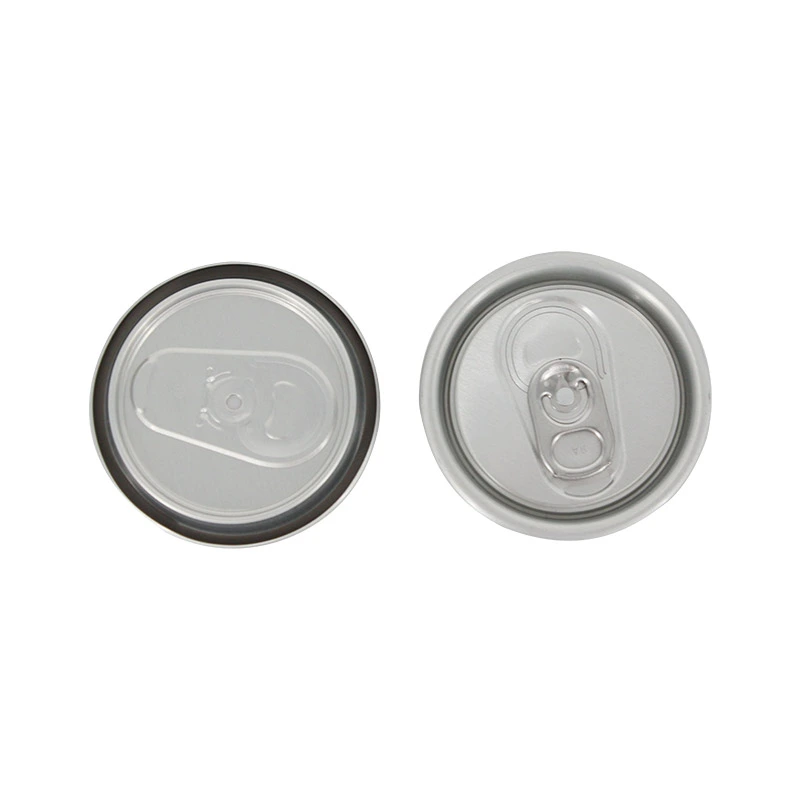
Ring Pull Type aluminum lids have a scoreline mechanism that lets you take off all or part of the lid using a riveted tab. The engineering behind these closures includes careful control of the aluminum alloy composition—usually 5182 H48 for the shell—and the use of advanced lacquer that stops metal ions from moving into the contents of the package. These RPT/SOT/FO Aluminum Lids come in regular diameters of 50mm (200#), 52mm (202#), 65.4mm (211#), 72mm (300#), 83.3mm (307#), and 99mm (401#), so they can fit a wide range of container sizes, from small coffee cans to big drinking containers. The better oxygen barrier qualities make the product last a lot longer than plastic options. As part of the testing procedures, enamel rater values below 5 milliamps are measured. This shows that the layer is solid all over the surface. Specifications for burst pressures higher than 90 PSI make sure that these lids can handle cleaning processes in retorts and internal carbonation pressures without breaking the seal.
Stay-On Tab Design Advantages
Stay-On Tab lids changed the way drinks were packaged by getting rid of the environmental problems that came with tabs that came off. The tab stays attached to the shell even after it's been opened, which makes it safer for consumers and cuts down on trash. This design includes a lever-action opening system that needs regulated pop forces below 20 Newtons and tear forces below 35 Newtons. This makes it accessible to a wide range of users, including older people and people with weak hands. Complex quality control systems are needed to make these lids. The staking process needs to make sure that the rivets are securely in place so that the tabs don't separate too soon and the scoreline can break in a controlled way. Plain lacquer coats in golden or gray finishes protect against rust and look good to help your brand stand out. Configurations with round shapes work perfectly with high-speed seaming machines that can make more than 2,000 units per minute.
Full Open End Applications and Material Benefits
Full Open aluminum ends let you take off the lid completely for items that need to be easily accessed from all sides. This is great for chunky soups, pet foods, and some types of drinks. The composition of the material makes recycling a top priority. For example, RPT/SOT/FO Aluminum Lids maintain properties through an infinite number of recycling cycles without losing any quality. This green benefit is very appealing to brands that care about the environment and want to lower their carbon impact. Specifications for the inner covering that use plain lacquer systems keep flavors from running while still meeting BPANI (BPA Non-Intent) requirements. Coatings on the outside make things look better and protect them more while they're being stored and shipped. When you put these things together, metal lids become high-end packing options that are both useful and good for the environment.
Common Challenges in Sourcing Aluminum Lids from China and How to Overcome Them
Verifying Quality Standards and Certifications
When buying from overseas manufacturers, the main worry is that the quality might not be consistent. Suppliers that are trustworthy keep their ISO9001 certification, which shows that they use organized quality management practices. However, not all diplomas are equal. Teams in charge of buying RPT/SOT/FO Aluminum Lids should ask for all the certification paperwork they can get, like audit reports and scope statements that prove the production of lids is covered by the certified processes.SGS testing records give third-party confirmation of the makeup of materials, the adhesion of coatings, and the integrity of seals. It is still necessary to ask for samples before placing large orders. These samples are tested internally for pop force, tear resistance, and pressure tolerance. By looking at feathering under an optical microscope, you can see if the edges of torn metal are still clean and don't have any dangerous slivers that could get into goods and hurt customers. Building relationships with manufacturers who offer samples for free shows that they are sure of the quality of their products. This method lets buyers do thorough checks, such as seeing if the products will work with their current seaming equipment and container sizes, before placing official orders.
Managing Minimum Order Quantities and Pricing Negotiations
Traditional Chinese makers often have high MOQ requirements that make it hard for smaller businesses to keep their working capital up. But as the market has changed, sellers have become more aware of the different needs of buyers. Finding manufacturers with a low MOQ makes it possible to test relationships without putting too much money at risk. To negotiate prices well, you need to know more about cost models than just unit pricing. Transportation costs a lot, and choosing the right Incoterms (FOB, CIF, or DDP) and consolidating shipments can have a big effect on the total landed costs. When you commit to a large amount of goods across several orders, you can often get better prices and keep your inventory levels manageable. Negotiating payment terms strikes a balance between the buyer's need for cash flow and the supplier's worry about risk. Both sides are safe with letter of credit agreements, but there are fees for the bank. When you build trust through smaller original orders, you can move on to better payment terms, such as net-30 or net-60 terms for future purchases.
Navigating Logistics and Compliance Requirements
When you have to ship food-contact packaging internationally, things get even more complicated. To avoid delays and extra fees, customs paperwork must correctly label goods with the right HS codes. Working with freight forwarders who know how to handle logistics for food packaging makes this process go much more quickly. Lead time management involves setting realistic goals. Production usually takes 15 to 25 days, but this depends on how complicated the order is and how much customization is needed. Shipping by ocean freight to U.S. destinations can add another 20 to 35 days. Air freight speeds up arrival, but it costs 300–500% more. Building up a buffer inventory lowers the risk of delays that come up out of the blue while keeping production going. How containers are loaded has a big effect on how much it costs to ship each item. Manufacturers who have experience with exporting know how to arrange pallets so that they make the best use of container cubes. By asking for loading photos and bills of lading before the shipment leaves, you can be sure that the orders were shipped correctly.
Step-by-Step Guide to Sourcing RPT, SOT, and FO Aluminum Lids from China
Defining Precise Product Requirements
For a purchase to go well, it needs clear specs about the lid type, the required width, the coating choice, and the performance standards. Whether your application needs RPT/SOT/FO Aluminum Lids depends on the product and the preferences of the end users. Smaller diameter options (50mm to 65.4mm) are often used for coffee and milk products, while larger formats (72mm to 99mm) are often needed for beer and drinks. There are more ways to customize than just standard measurements. There are printing options that let you put brand messages directly on the lids, but this usually raises the minimum order quantity (MOQ) and unit costs. Adjusting the sealing strength can handle different internal pressures, from normal goods to highly fizzy drinks that need more buckle resistance.By making detailed specification documents, you can avoid misunderstandings with suppliers. These papers should include information about allowed size differences, required coatings (plain lacquer with golden or gray outer finishes), how to test performance, and the level of quality that is accepted. Clear specifications help everyone understand each other and protect both parties if the goods provided don't meet the agreed-upon standards.
Identifying and Evaluating Reliable Manufacturers
There are a number of ways to find Chinese suppliers of RPT/SOT/FO Aluminum Lids. Online B2B platforms collect listings of manufacturers, but they need to be carefully checked to make sure they only list genuine factories and not selling companies. Direct relationships with manufacturers usually offer better pricing and communication than dealing with middlemen who add value at no extra cost. Trade shows in your industry, like the China Import and Export Fair (Canton Fair), let you evaluate suppliers in person. Walking through a plant floor shows how well it works, how much it can make, and how well it is organized, which pictures alone can't. It's easier to trust a supplier's technical skills when you meet their quality control teams and look at their testing equipment. Checking references with current customers is a great way to learn about a supplier's dependability, how well they communicate, and how they handle problems when they happen. By asking for client references from North American buyers, suppliers can see if they understand the documentation, consistency, and customer service standards of the Western market.
Establishing Contracts with Protective Terms
Purchase papers that cover everything, protect both sides, and make sure everyone knows what to expect. Along with basic business terms like prices, quantities, and delivery dates, contracts should also include quality acceptance criteria that are based on international standards. Including options for third-party testing by SGS or similar services ensures quality in an objective way before shipping. To help both the buyer and the supplier manage their cash flow, payment milestone structures usually include a 30% deposit when the order is confirmed, a 60% deposit before the shipment, and a 10% retention that is released after the goods have been inspected. These structures keep reasonable protections in place while encouraging good performance. Professional makers are different from transactional sellers because they offer after-sales support that includes fixing problems with defective products, replacement policies, and expert help. Setting these expectations in a contract stops arguments when problems happen during the start-up or scaling-up phases of production.
Comparative Overview: RPT vs SOT vs FO Aluminum Lids for Global B2B Buyers
Performance Characteristics Across Lid Categories
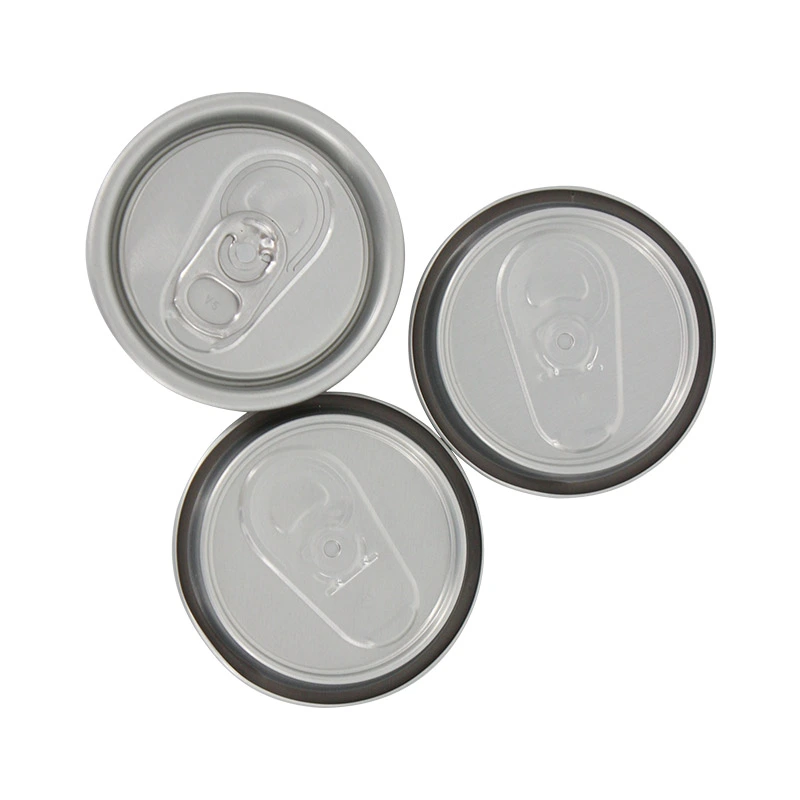
Ring Pull Type lids work best when the whole lid needs to be taken off for wide-mouth access or when a specific pour control is needed through a partial opening. The full removal feature works well for goods where customers need to get to the whole contents right away, like canned fruits, veggies, and some dairy products. When double-sealing is done right, the sealing is hermetic to the required standards. However, the scoreline mechanism needs exact manufacturing tolerances to make sure that the opening force is the same from batch to batch. Stay-On Tab designs are the most popular in the drinking industry because they are easy to use, safe, and good for the earth. The attached tab takes away any worries about disposal while keeping the seal on carbonated drinks very strong. Standard beverage can forms are compatible, and high-speed production lines can use RPT/SOT/FO Aluminum Lids. Specifications for durability make sure that these lids can handle the stresses of distribution, such as palletization, storage, and retail handling, without losing their seal performance. Full-open ends give you the most access to thick or chunky foods that need to be eaten with a spoon or fork. When the whole lid is taken off, large openings are made that can hold a wide range of product viscosities, from solid chunks to thick pastes. When a partial opening isn't possible, these lids are especially useful for pet food, ready meals, and specialty foods.
Cost Analysis and Return on Investment
Prices change based on the width, the difficulty of the coating, and the number of orders. For orders of more than 100,000 pieces, standard plain lacquer lids with common diameters (52mm and 65.4mm) cost between $0.02 and $0.05 per unit. Customization, such as painting or special finishes, raises the unit cost by 15 to 30 percent and requires larger minimum orders. Transportation costs have a big effect on total landing costs. Ocean freight usually adds $0.005 to $0.015 per unit, based on how well the container is used and where it's going. Buyers need to figure out the total cost of ownership, which includes duties and the costs of freight forwarding and domestic distribution. Return on investment estimates include more than just unit price. They also take into account preventing product loss, improving a brand through custom designs, and making customers happy so they buy again. Premium metal seals keep food from going bad because they are better at blocking oxygen and water. One batch loss avoided is often enough to justify the small cost difference compared to cheaper options that fail more often.
Real-World Procurement Case Studies
A medium-sized craft coffee roaster in Portland switched from plastic lids to 65.4mm metal ends, even though they were worried about the higher costs at first. They bought from a manufacturer in Shandong that had a low minimum order quantity and gave them samples for free. Over the course of six-month shelf-life studies, they checked the integrity of the seal. The RPT/SOT/FO Aluminum Lids kept the flavor profile consistent, and the metallic look improved how people thought of the brand. This led to a 12% increase in sales, which more than made up for the 8% increase in packaging costs within four months. A beverage contract packer in Texas struggled with a local provider that had defect rates of more than 2%. When defects were cut down to 0.15% by using imported SOT lids that were certified by ISO9001 and went through strict pop-force tests, the production line stopped less often, saving money on labor costs. Through open contact and proactive quality reporting, the relationship grew, building a reliable supply chain that supports 40% yearly growth. These examples show that successful buying is more than just looking for the lowest price. It also means finding manufacturing partners whose quality standards and growth plans are in line with yours. When you combine affordable prices, steady quality, and quick communication, you get buying relationships that offer long-term value.
Building a Long-Term Partnership with Chinese Aluminum Lid Suppliers
Communication Strategies for Remote Collaboration
To have good ties with suppliers across borders, you need to be able to communicate clearly, even when there are time zone differences and language hurdles. Setting up regular video conferences helps people connect on a human level that goes beyond business exchanges. Updates on production happen once a week when orders are being filled and once a month when plans are being made. This keeps everyone on the same page about how standards and performance measures for RPT/SOT/FO Aluminum Lids are changing. Digital tools for quality control, like shared cloud folders for inspection reports, production photos, and testing certificates, make things clearer, which lowers uncertainty. Real-time tracking of production through supplier websites lets problems be fixed before they cause supply delays or quality complaints. These technological approaches don't replace regular visits to the factory; instead, they add to them by verifying operational capabilities and building personal relationships. Assigning specialized contact people on both the buyer and the seller sides makes communication easier and builds institutional knowledge about specific needs, tastes, and past background that shapes current decisions. This continuity is very helpful in emergency situations where problems need to be solved quickly.
Leveraging OEM Capabilities and Protecting Intellectual Property
Manufacturers that offer OEM services give customers the chance to customize their products, which helps them stand out in competitive markets. Custom printing lets brands tell stories right on the package, and custom coatings meet the specific needs of each product. These features turn ordinary packages into brand assets that support charging more for them. To keep intellectual property safe, contracts need clear terms like non-disclosure agreements, design ownership clauses, and exclusivity agreements for investments in custom tools. In China, registering a trademark gives you more formal protection, but it's still hard to police. Working with well-known makers who have built a good name lowers the risk of IP theft compared to working with unknown companies. Not only are designs secret, but so are production volumes, pricing structures, and customer lists. Professional suppliers know that keeping client information safe protects their own image and future business opportunities. This creates incentives for privacy that are matched.
Ensuring Regulatory Compliance for Market Access
To be successful in the global market, you have to strictly follow food safety rules that are different in each country. According to FDA rules about substances that come into contact with food, metal lid coatings must meet the requirements set out in 21 CFR 175.300. EU Regulation 1935/2004 puts extra limits on materials meant to come into contact with food on European markets. By asking for compliance paperwork like migration testing results, you can be sure that providers know what these rules are and are following them. Each shipment comes with a Certificate of Analysis document that includes measures of the coating's thickness, an analysis of the alloy's makeup, and results of a test to see how well the seal works. These papers meet the needs for traceability and provide quality control for internal records and possible audits by regulators. Manufacturers who keep their certifications up to date, such as ISO14001 environmental management systems, show that they are committed to running sustainable businesses that are in line with corporate social responsibility efforts. As brands face pressure from stakeholders about the environmental effects of their supply chains, these approvals have a bigger impact on their buying choices.
Conclusion
For those who know what they're doing, buying metal box closures from China can save you a lot of money without sacrificing quality. The key is carefully screening suppliers, being clear about what you need, and investing in relationships to make transactions into partnerships. China's manufacturing infrastructure, shown by places like the Linyi Economic and Technological Development Zone, combines high-tech European and Japanese tools with skilled technical teams to make RPT/SOT/FO Aluminum Lids that meet the highest international standards. Choosing between RPT, SOT, and FO lid types depends on the needs of the product, what the customer wants, and what the production line can do. Our research shows that systematic buying methods that include checking samples, making sure they are certified, and using contracts to protect yourself reduce risks while taking advantage of the big cost savings that Chinese manufacturing offers. As the dynamics of global trade change, building reliable supply chains in Asia gives food and drink companies a competitive edge by making packaging more cost-effective and giving them access to new closure technologies all the time.
FAQ
What are typical minimum order quantities for aluminum lids?
Chinese makers have very different MOQ requirements based on the type of lid, the diameter, and the amount of customization. Standard plain lacquer lids with common sizes usually need between 50,000 and 100,000 pieces per order. However, some sellers, like Three, can handle smaller amounts, which lets buyers test relationships without making big inventory promises. For tooling and setup costs, custom-printed RPT/SOT/FO Aluminum Lids usually have higher minimums, which are usually between 200,000 and 500,000 pieces. One way to negotiate is to commit to yearly numbers spread out over multiple deliveries instead of a single big order. This lowers the amount of working capital needed and gets better prices through volume agreements.
How can I test seal integrity before placing large orders?
Multiple review methods should be used for pre-order testing. Ask for sample lids and can bodies that are suitable so that you can test the seaming on your production tools and make sure that the sizes are compatible and that the seal forms properly. Burst pressure testing is done by closing cans with pressurized water or air and slowly raising the pressure until the seal breaks. For carbonated drinks, the requirements should be higher than 90 PSI. To figure out how well the seal will work in the long run, store sealed items in simulations that increase aging conditions, like high temperature and humidity. Professional suppliers give thorough test results with enamel rater values, pop-force measurements, and coating adhesion data to help prove quality.
What certifications indicate environmentally responsible manufacturing?
Getting ISO14001 certification shows that you have a systematic way of managing the environment, which includes reducing waste, saving energy, and stopping pollution. Because aluminum can be recycled naturally, it is good for the environment. Look for alloy providers who list the amounts of recycled material in their alloy sourcing. BPANI coating formulations get rid of Bisphenol A that was put on purpose, which addresses health worries among consumers and meets changing regulatory standards. While not as common in packaging parts, Cradle-to-Cradle certifications set the highest environmental standards for things like material health, using renewable energy, and the circular economy. By asking for environmental policy statements and sustainability reports, you can see that your suppliers are committed to more than just following the rules. This will help you reach your own corporate responsibility goals.
Partner with Three for Your Aluminum Lid Sourcing Needs
Three stands ready to help you buy RPT/SOT/FO Aluminum Lids by offering complete solutions that bridge the gap between the high quality of Chinese manufacturing and the high standards of quality in North America. We have over 270,000 square meters of production space in Shandong's advanced manufacturing zone and use state-of-the-art equipment from Germany, Japan, and Italy to make 2 billion easy-open lids every year. Our wide range of products includes all standard diameters from 50mm to 99mm in RPT, SOT, and FO configurations that can be used in beer, coffee, milk, and other drinks. We know how hard it is for buying managers to buy things from other countries. Because of this, we keep our ISO9001 certification, provide free samples for testing compatibility, and allow low minimum order quantities to help businesses at different stages of growth. Our golden and gray plain lacquer coating systems meet FDA and EU food safety standards, and our experienced export team handles the complicated logistics of getting goods to U.S. destinations on time. Welcome to the Three Differences. We are a well-known aluminum lid source that has helped producers in North America, Europe, and Asia in the past. Email our team at info@threefoodcan.com to talk about your particular needs, ask for samples, or set up a virtual tour of our plant. Let us show you how our technical know-how, dedication to quality, and focus on the customer can make your packaging supply chain better.
References
1. Aluminum Association Technical Standards Committee, "Food and Beverage Can End Specifications and Testing Protocols," Packaging Engineering Standards Series, 2022.
2. Chen, Wei, and Nakamura, Hiroshi, "Advances in Easy Open End Manufacturing Technology: Materials, Coatings, and Quality Control," International Journal of Food Packaging Technology, Volume 18, 2023.
3. Food and Drug Administration, "Guidance for Industry: Preparation of Food Contact Notifications for Food Contact Substances in Contact with Aqueous and Fatty Foods," Center for Food Safety and Applied Nutrition, 2021.
4. International Trade Administration, "China Country Commercial Guide: Packaging and Containers Sector Analysis," U.S. Department of Commerce, 2023.
5. Morrison, Sarah, and Liu, Jianping, "Global Aluminum Packaging Supply Chain Dynamics: Sourcing Strategies for North American Food Manufacturers," Procurement Management Quarterly, Spring 2023.
6. World Packaging Organization, "Sustainable Metal Packaging: Lifecycle Assessment and Environmental Impact Comparison of Aluminum versus Alternative Materials," Technical Report Series No. 47, 2022.
YOU MAY LIKE