

What Makes Tin Plate Sheet Metal Superior for Corrosive Environments?
2026-07-07
In industrial facilities where moisture, chemicals, and harsh atmospheric conditions are constant threats, metal corrosion can cost businesses thousands in equipment replacement and production downtime. Tin plate sheet metalhttps://www.threefoodcan.com/tinplate-sheets/tin-plate-steels offers exceptional protection through its tin coating, which forms a protective oxide barrier that prevents steel from contacting moisture, oxygen, and acidic substances. This comprehensive guide explores why tin plate sheet metal has become the preferred choice for manufacturers facing corrosive challenges, from food processing plants to chemical storage facilities.
Understanding the Corrosion-Resistant Properties of Tin Plate Sheet Metal
Tin plate sheet metal combines the mechanical strength of steel with the corrosion resistance of tin, creating a composite material that performs exceptionally well in harsh environments. The electrolytic tinning process deposits a uniform layer of commercially pure tin onto cold-rolled low-carbon steel sheets, typically ranging from 0.4 to 2.5 microns in thickness. This seemingly thin coating provides remarkable protection that far exceeds what its minimal thickness might suggest. The tin coating works through multiple protective mechanisms simultaneously. When exposed to atmospheric conditions, fresh water, or even seawater environments, the tin layer immediately begins forming a dense oxide film on its surface. This self-healing characteristic means that even minor surface scratches trigger the formation of new protective layers, maintaining the integrity of the underlying steel substrate. Unlike bare steel, which rapidly develops rust when exposed to moisture, tin plate sheet metal can withstand prolonged exposure to humid conditions without significant degradation. The thickness of the tin plating layer directly correlates with corrosion resistance performance—thicker coatings provide enhanced protection, though manufacturers must balance this against production costs. Standard commercial tin plate sheet metal typically features coating weights between 2.8 and 11.2 grams per square meter on each side, providing adequate protection for most industrial applications while maintaining cost-effectiveness. For extreme corrosive environments, heavier coating weights can be specified to ensure maximum longevity.
How Tin Coating Creates a Protective Barrier?
The protective mechanism of tin plate sheet metal operates on both physical and electrochemical principles. The tin layer acts as a physical barrier that separates the steel substrate from corrosive elements in the environment. This barrier function prevents direct contact between moisture, oxygen, dissolved salts, and acidic compounds with the reactive steel surface beneath. Without this protective layer, these elements would initiate rapid oxidation reactions that lead to rust formation and structural degradation. Beyond simple physical separation, tin exhibits excellent chemical stability across a wide pH range. It resists attack from many organic acids, weak mineral acids, and alkaline solutions that would quickly corrode unprotected steel. The tin coating can resist chemical and acid corrosion effectively, and even damaged areas benefit from the protective layer surrounding them. This chemical inertness makes tin plate sheet metal particularly valuable in food processing environments where acidic ingredients are common, as well as in chemical storage applications where containers must resist interaction with their contents. The electrochemical behavior of tin also contributes to its protective qualities. While tin is actually cathodic to steel—meaning it would theoretically accelerate corrosion if the coating were breached—the practical reality is different. The tin coating is applied so uniformly and with such high coverage that pores and defects are minimal. Manufacturing processes including passivation treatments further enhance coating integrity, creating an effectively pore-free surface that prevents electrochemical corrosion mechanisms from initiating.
Comparative Advantages Over Alternative Materials
When evaluating materials for corrosive environments, tin plate sheet metal consistently demonstrates superior performance characteristics compared to alternatives. Galvanized steel, which uses zinc coating for protection, offers cathodic protection that can continue even after coating damage. However, zinc coatings are more reactive in acidic environments and may introduce unwanted chemical interactions in food contact applications. Aluminum and stainless steel provide excellent corrosion resistance but come with significantly higher material costs that can make large-scale projects economically unfeasible. Tin plate sheet metal achieves an optimal balance between protection, performance, and cost. The material delivers corrosion resistance approaching that of much more expensive metals while maintaining the strength and formability of steel. This combination enables manufacturers to design products that meet stringent durability requirements without the budget constraints imposed by premium materials. Additionally, the excellent printability and surface finish of tin plate sheet metal provide aesthetic advantages that matter in consumer-facing applications.
Key Performance Characteristics in Harsh Environments
The real-world performance of tin plate sheet metal in corrosive conditions has been validated through decades of industrial use across diverse applications. From coastal marine environments with salt spray exposure to chemical processing facilities with acidic atmospheres, properly specified tin plate sheet metal consistently provides long-term protection and reliability.
Atmospheric Corrosion Resistance
When exposed to rainwater for short periods, the tin layer on tin plate sheet metal effectively prevents rust formation. Industrial facilities often face intermittent moisture exposure from weather, humidity fluctuations, and process condensation. In these scenarios, tin plate sheet metal maintains its protective function through repeated wet-dry cycles. The tin oxide film that forms on the surface is stable in normal atmospheric conditions and requires minimal maintenance to preserve its protective qualities. Temperature variations present additional challenges in many industrial settings. Tin plate sheet metal demonstrates excellent stability across typical operating temperature ranges encountered in manufacturing environments. The tin coating maintains adhesion to the steel substrate through thermal cycling, and the material's coefficient of thermal expansion compatibility prevents stress-induced failures. This thermal stability ensures consistent protection whether equipment operates in refrigerated cold storage facilities or elevated-temperature processing areas. Polluted industrial atmospheres containing sulfur compounds, nitrogen oxides, and particulate matter can accelerate corrosion of many metals. Tin plate sheet metal shows good resistance to these atmospheric contaminants, particularly when combined with appropriate protective coatings or maintenance practices. The dense tin oxide layer resists penetration by gaseous pollutants, maintaining barrier function even in heavily industrialized zones. For applications in particularly aggressive atmospheric conditions, additional protective treatments can be applied to tin plate sheet metal to further enhance durability.
Chemical and Acid Resistance Applications
The tin layer forms a dense protective film that effectively blocks contact between air, moisture, and various chemicals with the steel plate, making it adaptable to humidity, acid, and alkali environments. This versatility enables tin plate sheet metal to function effectively in chemical processing, food manufacturing, and pharmaceutical production facilities where exposure to reactive substances is routine. The material demonstrates particular strength in resisting organic acids commonly found in food products, including citric acid, acetic acid, and lactic acid that would rapidly attack bare steel. In chemical storage applications, tin plate sheet metal containers have proven reliable for decades. The material safely contains products ranging from mild cleaning solutions to more aggressive formulations, provided proper material selection and coating specifications are followed. The non-reactive nature of the tin surface prevents contamination of stored chemicals while protecting the structural integrity of containers. This dual functionality—protecting both the container and its contents—makes tin plate sheet metal economically advantageous for chemical packaging operations. Food processing environments present unique corrosion challenges combining moisture, organic acids, salts, and biological activity. Tin plate sheet metal has become the standard material for food canning precisely because it handles these multiple corrosive factors simultaneously. The tin coating resists attack from acidic foods like tomatoes and fruits, maintains stability during high-temperature sterilization processes, and provides a sanitary surface that complies with food safety regulations. Billions of food cans manufactured from tin plate sheet metal are produced annually, demonstrating the material's proven track record in one of the most demanding corrosive environments.
Industrial Applications Demanding Corrosion Protection
The widespread adoption of tin plate sheet metal across multiple industries reflects its versatility and reliability in corrosive environments. Understanding these application areas helps illustrate the material's practical advantages and guides appropriate material selection for new projects.
Food and Beverage Packaging Excellence
Tinplate provides superior protective qualities against gases, water vapor, light, and odors, and can be produced economically in large quantities. The food and beverage industry represents the largest consumer of tin plate sheet metal globally, with applications ranging from canned vegetables and fruits to beverage containers and aerosol cans. This dominance reflects the material's unique ability to meet stringent food safety requirements while providing the corrosion resistance necessary for long shelf life. Canned food products must withstand extended storage periods, often measured in years, without any degradation of container integrity or product quality. The tin coating on tin plate sheet metal provides an inert barrier that prevents metal ions from migrating into food contents, eliminating metallic taste and ensuring product safety. During heat sterilization processes that may reach temperatures above 120°C, the tin layer maintains its protective properties and prevents corrosion from acidic food contents under these extreme conditions. This thermal and chemical stability is essential for the retort processing that gives canned foods their extended shelf life. Beverage cans, particularly for carbonated drinks, face additional challenges from internal pressure and acidic contents. Modern two-piece beverage cans manufactured from tin plate sheet metal demonstrate exceptional durability, maintaining seal integrity and preventing corrosion throughout product distribution and storage. The smooth surface of tin plate sheet metal also provides an ideal substrate for high-quality printing, enabling attractive graphics that support brand marketing while delivering corrosion protection. With global production exceeding 400 billion metal containers annually, tin plate sheet metal has proven itself as the reliable choice for beverage packaging.
Automotive and Industrial Components
Automotive applications for tin plate sheet metal extend beyond simple protective coatings to include critical functional components operating in corrosive environments. Fuel systems, battery casings, and exhaust components utilize tin plate sheet metal's corrosion resistance to ensure reliable operation despite exposure to gasoline, battery acids, and combustion byproducts. The material's formability allows complex shapes to be stamped efficiently, while its weldability enables cost-effective assembly of multi-piece components. HVAC systems in both automotive and building applications benefit from tin plate sheet metal's resistance to condensation-related corrosion. Air conditioning ducts, heat exchanger housings, and ventilation components face constant exposure to moisture-laden air and temperature gradients that would quickly corrode untreated steel. Tin plate sheet metal maintains structural integrity and appearance throughout years of service in these demanding conditions. The material's light weight compared to heavier-gauge alternatives also contributes to energy efficiency in automotive applications where weight reduction improves fuel economy. Industrial machinery operating in humid or chemically exposed environments increasingly specifies tin plate sheet metal for enclosures, guards, and mounting panels. The material provides adequate structural strength for these applications while offering superior corrosion resistance compared to painted mild steel. Maintenance intervals can be extended, and equipment appearance remains professional throughout extended service life. For manufacturers seeking to differentiate products through enhanced durability, tin plate sheet metal components deliver measurable advantages.
Chemical and Pharmaceutical Packaging
Chemical products ranging from paints and solvents to cleaning compounds require packaging materials that resist interaction with aggressive contents while preventing environmental contamination. After proper protective treatment, tin plate sheet metal meets the anti-corrosion requirements of chemical products and ensures safety during storage and transportation. The material's chemical inertness prevents unwanted reactions between containers and contents, maintaining product integrity and safety throughout the supply chain. Pharmaceutical packaging represents an even more demanding application where material purity and corrosion resistance must meet rigorous regulatory standards. Tin plate sheet metal can be manufactured to pharmaceutical grades with strict controls on coating composition and surface cleanliness. The non-toxic nature of tin makes it inherently suitable for applications where material safety is paramount. Containers manufactured from pharmaceutical-grade tin plate sheet metal protect sensitive drug formulations from environmental exposure while preventing any material migration that could compromise product efficacy. Aerosol containers constitute a specialized application where tin plate sheet metal's properties prove essential. These pressurized containers must resist internal corrosion from propellants and active ingredients while maintaining structural integrity under pressure. The tin coating prevents corrosive attack on the steel substrate, even when containers are stored for extended periods before use. Modern aerosol production lines can process tin plate sheet metal at high speeds, combining manufacturing efficiency with the material reliability required for pressurized products.
Manufacturing and Quality Advantages
The production process for tin plate sheet metal has been refined over decades to deliver consistent quality and performance characteristics. Understanding these manufacturing aspects helps explain why the material performs so reliably in corrosive environments while remaining cost-effective for large-scale applications.
Electrolytic Tinning Process Benefits
The electrolytic tinning process involves cleaning rolled and annealed steel sheets with acid to remove contaminants, then electrodepositing pure tin on the prepared surface. This controlled electrochemical process enables precise control over coating thickness and uniformity, ensuring consistent protection across every sheet produced. Unlike older hot-dip tinning methods, electrolytic deposition applies thin, uniform coatings with minimal material waste and excellent adherence to the steel substrate. The process begins with steel strip preparation including cold rolling to achieve desired thickness and surface finish, followed by annealing to optimize mechanical properties. After thorough surface cleaning to remove any oxides, oils, or contaminants, the steel passes through electrolytic tinning baths where tin ions are deposited onto both surfaces simultaneously. Current density, bath chemistry, and line speed are carefully controlled to achieve target coating weights with minimal variation. This precision manufacturing ensures that every square meter of tin plate sheet metal meets specified corrosion resistance requirements. Following electrodeposition, additional processing steps enhance the protective qualities of tin plate sheet metal. Flow brightening or reflow treatments involve briefly heating the coated strip near tin's melting point, creating a lustrous surface finish while promoting tin-iron alloy formation at the interface. This alloying improves coating adhesion and enhances certain corrosion resistance mechanisms. Passivation treatments apply ultra-thin chromium or chromium oxide layers that further improve storage stability and prevent surface oxidation. Finally, light oil coatings protect the finished material during handling and storage, preventing surface damage before fabrication.
Quality Control and Certification Standards
At Shandong Three Iron-Printing & Tin-Making Co., Ltd., rigorous quality control processes ensure every sheet of tin plate sheet metal meets the highest performance standards. Our state-of-the-art production facility, spanning over 270,000 square meters in Linyi Economic and Technological Development Zone, operates advanced testing equipment that monitors coating weight, surface quality, mechanical properties, and corrosion resistance throughout production. This comprehensive quality assurance program guarantees consistent material performance for the most demanding corrosive environment applications. Our manufacturing certifications demonstrate our commitment to quality and environmental responsibility. ISO 9001:2015 certification verifies our quality management systems meet international standards for consistent product delivery and continuous improvement. ISO 14001:2015 environmental management certification confirms our sustainable manufacturing practices minimize environmental impact while maintaining production efficiency. These certifications, combined with SGS verification, BPA-free certification, and CE compliance, provide customers confidence that our tin plate sheet metal meets global standards for safety and performance. Product specifications for our tin plate sheet metal reflect decades of manufacturing expertise. Thickness ranges from 0.15 to 0.30 mm provide options for various application requirements, from lightweight food packaging to more robust industrial components. Width availability from 600 to 1000 mm accommodates standard manufacturing equipment, while customizable lengths enable efficient production runs. Tin coating weights from 2.8/2.8 to 11.2/11.2 grams per square meter offer graduated corrosion protection levels matched to specific environmental challenges. Temper grades from T1 through T5 deliver mechanical properties optimized for stamping, drawing, and forming operations.
Selecting and Specifying Tin Plate Sheet Metal
Proper material selection ensures optimal performance in corrosive environments while managing project costs effectively. Several factors influence the appropriate specification for tin plate sheet metal in any given application, and understanding these variables enables informed decision-making.
Coating Weight and Thickness Considerations
Coating weight selection represents the primary decision point when specifying tin plate sheet metal for corrosive applications. Heavier coatings provide enhanced protection and extended service life in aggressive environments, while lighter coatings offer cost advantages for less demanding applications. For food packaging applications with acidic contents and extended shelf life requirements, coating weights in the 5.6/5.6 to 11.2/11.2 gram range are typically specified. Industrial applications may utilize lighter coatings when additional protective treatments or regular maintenance regimens are planned. Base steel thickness selection depends on structural requirements, forming operations, and expected service conditions. Thinner gauges provide cost and weight advantages for applications where material strength is adequate, while heavier gauges deliver increased rigidity and impact resistance. The interaction between base steel thickness and coating weight affects overall corrosion protection—adequate base metal thickness ensures coating integrity is maintained during forming operations, preventing coating fracture that could initiate corrosion. Our technical team assists customers in optimizing these specifications for their specific requirements. Temper grade specification influences formability and final mechanical properties of fabricated components. Softer tempers like T1 and T2 enable severe drawing operations for deep containers, while harder tempers T4 and T5 provide increased strength for flat or gently formed parts. The tempering process is controlled during manufacturing to deliver specified hardness and ductility combinations. For applications in corrosive environments requiring complex forming, proper temper selection prevents work hardening failures while maintaining coating integrity throughout fabrication.
Surface Treatment and Protective Coatings
While tin plate sheet metal provides inherent corrosion resistance, additional protective treatments enhance performance in extreme conditions. Organic coatings including epoxies, polyesters, and vinyl systems can be applied to one or both surfaces, providing supplementary chemical resistance and extending service life in harsh environments. These coatings prove particularly valuable for applications involving prolonged exposure to aggressive chemicals or elevated temperatures beyond tin's optimal performance range. For food contact applications, specialized coatings prevent interaction between tin plate sheet metal and highly acidic or corrosive food products. Modern food-safe coatings enable tin plate sheet metal to safely contain products that would attack even the protective tin layer if left uncoated. These coatings undergo rigorous testing to verify compliance with food safety regulations and ensure no migration of coating components into food contents. The combination of tin plate sheet metal's baseline corrosion resistance with advanced organic coatings delivers the ultimate protection for the most challenging food packaging applications. Surface treatments also address aesthetic and functional requirements. Lacquering provides color options and enhanced graphics capabilities for consumer-facing applications, while maintaining underlying corrosion protection. Anti-fingerprint treatments maintain appearance during handling and assembly operations. Specialized lubricants facilitate high-speed forming operations without compromising coating integrity. These supplementary treatments demonstrate the versatility of tin plate sheet metal as a platform material that can be customized for virtually any corrosive environment application.
Shandong Three Iron-Printing & Tin-Making Co., Ltd.: Your Trusted Tin Plate Sheet Metal Partner
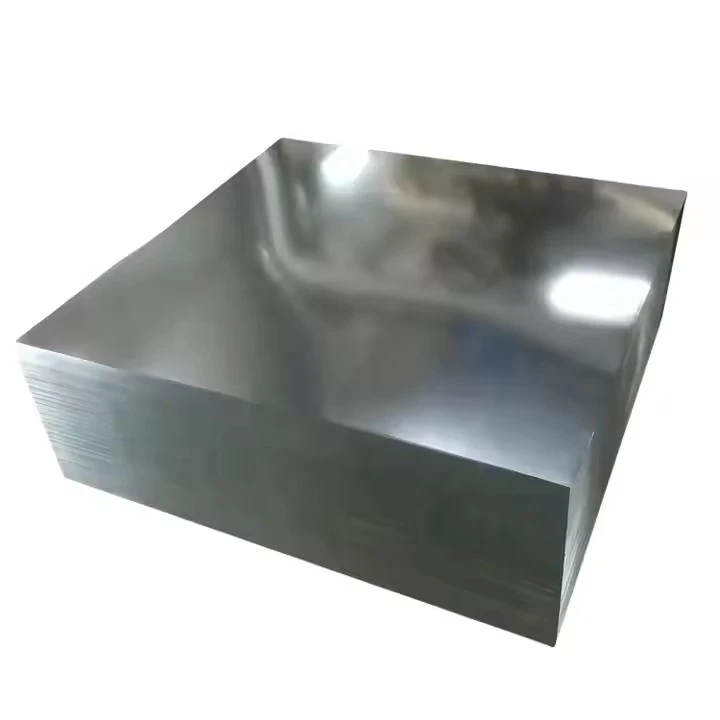
At Shandong Three Iron-Printing & Tin-Making Co., Ltd., we deliver world-class tin plate sheet metal specifically engineered for corrosive environment applications. Our extensive manufacturing capabilities include six production lines from Germany, six from Japan, four from Fuji printing equipment, and six from Taiwan, ensuring consistent quality and reliable supply for customers worldwide. Advanced equipment including eight high-speed aerosol tank production lines from Switzerland's Soudronic and eight BMV top cover stamping systems from Italy demonstrate our commitment to manufacturing excellence. Our annual production capacity of 50,000 tons of printing iron, 600 million cans, and 2 billion easy-pull covers positions us as a leading China tin plate sheet metal manufacturer capable of meeting large-volume requirements with consistent quality. Our mature R&D team continuously develops improved formulations and processes that enhance corrosion resistance and expand application possibilities for tin plate sheet metal. With over 300 dedicated employees including more than 50 management professionals and 65 technical specialists, we provide the expertise and support our customers need to succeed in demanding applications. Product excellence begins with superior materials and continues through every manufacturing step. Our tin plate sheet metal showcases a brilliant mirror-like finish reflecting precision manufacturing and quality control. Uniform coating distribution ensures consistent corrosion protection across every sheet, while excellent formability enables complex forming operations without coating damage. Whether your application requires food packaging, automotive components, electrical appliances, construction materials, battery casings, or HVAC systems, our products deliver the performance and reliability your operations demand.
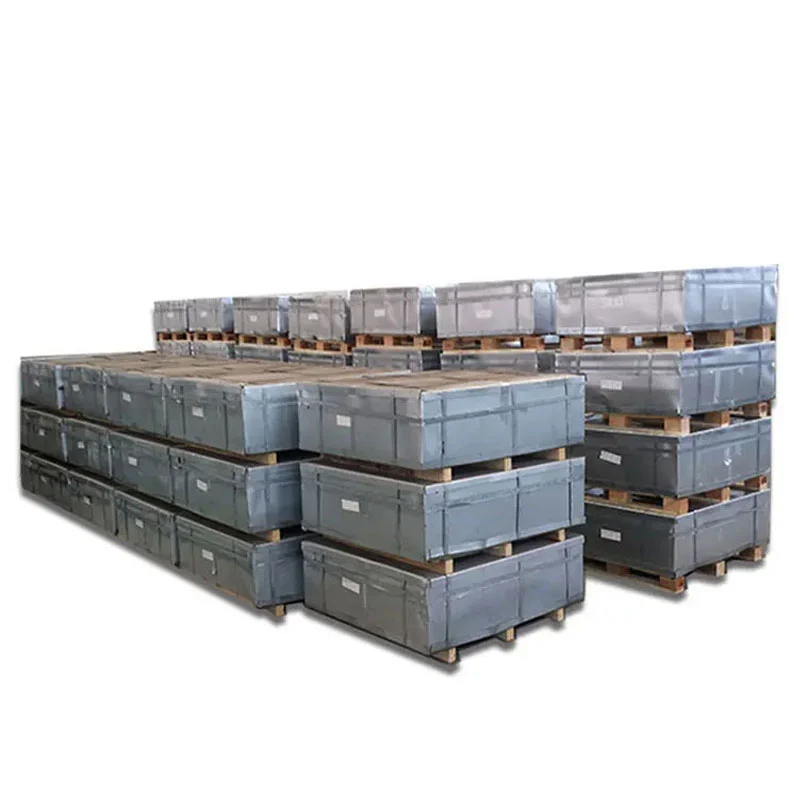
Our commitment to customer success extends beyond product supply. We offer comprehensive technical support helping customers optimize material specifications for their specific corrosive environment challenges. Our team assists with coating weight selection, temper grade recommendations, and additional treatment options to ensure optimal performance. Flexible production capabilities accommodate custom lengths, special coating configurations, and unique quality requirements that distinguish your products in competitive markets. Quality certifications including ISO 9001:2008, ISO 14001:2004, SGS, BPA-free, and CE compliance verify our manufacturing standards meet or exceed international requirements. These certifications assure customers our tin plate sheet metal consistently delivers specified performance while meeting environmental and safety regulations in markets worldwide. Our products have been successfully exported to USA, Germany, Poland, Russia, Vietnam, Indonesia, Thailand, Mongolia, Cambodia, and numerous other countries, demonstrating proven international quality acceptance. As a leading China tin plate sheet metal supplier and China tin plate sheet metal factory, we maintain substantial inventory enabling rapid delivery for urgent requirements. Our logistics capabilities ensure proper packaging protecting materials during transit, with flexible shipping options accommodating customer preferences. Whether you need container loads for high-volume production or smaller quantities for prototyping, we deliver tin plate sheet metal when and where you need it.
We support OEM partnerships and offer customizable exterior finishing for brand messaging on tin plate sheet metal products. Our advanced printing capabilities enable high-quality graphics that enhance product marketability while delivering the corrosion protection performance your applications require. Seamless construction techniques for leak prevention, recyclable materials for eco-conscious consumers, and stackable designs for efficient storage demonstrate our comprehensive approach to packaging solutions. High Quality tin plate sheet metal for sale at competitive tin plate sheet metal price points makes us your preferred China tin plate sheet metal wholesale partner. Contact us today at info@threefoodcan.com to discuss your corrosive environment material requirements. Our team stands ready to provide technical guidance, material samples, and quotations for your specific applications. Whether you're developing new products requiring superior corrosion protection or seeking to improve existing designs, Shandong Three Iron-Printing & Tin-Making Co., Ltd. delivers the materials, expertise, and support that drive your success.
Conclusion
Tin plate sheet metal superiority in corrosive environments stems from its protective tin coating, which forms dense oxide barriers preventing steel substrate contact with moisture, acids, and corrosive compounds.
Cooperate with Shandong Three Iron-Printing & Tin-Making Co., Ltd.
Located in Linyi Economic and Technological Development Zone with over 270,000 square meters of advanced manufacturing facilities, Shandong Three Iron-Printing & Tin-Making Co., Ltd. operates cutting-edge production lines from Germany, Japan, Switzerland, and Italy. Our annual capacity of 50,000 tons printing iron, 600 million cans, and 2 billion easy-pull covers, combined with ISO 9001:2008, ISO 14001:2004, SGS, BPA, and CE certifications, positions us as your trusted China tin plate sheet metal manufacturer. Our mature R&D team, exceptional technical support, strong financial foundation, and large inventory ensure fast delivery with strict packaging standards. We offer seamless construction for leak prevention, customizable exteriors for brand messaging, recyclable materials, and stackable designs. Partner with a leading China tin plate sheet metal factory and China tin plate sheet metal supplier offering High Quality tin plate sheet metal at competitive tin plate sheet metal price through China tin plate sheet metal wholesale programs. Contact us at info@threefoodcan.com for tin plate sheet metal for sale inquiries.
References
1. Blunden, S., & Wallace, T. (2003). Tin in Canned Food: A Review and Understanding of Occurrence and Effect. Food and Chemical Toxicology, Volume 41, Issue 12.
2. Morselli, D., Campagnoli, E., & Orlandi, M. (2021). Advanced Packaging Materials for Food Preservation: Metallic Substrates and Coating Technologies. Journal of Food Engineering and Technology.
3. Page, M. (2012). Evolution of Metal Packaging: From Traditional Tinplate to Modern Applications. International Journal of Materials Science and Manufacturing.
4. Iversen, K., Hansen, L., & Petersen, M. (2022). Food Packaging Innovation and Shelf Life Extension: Current Technologies and Future Perspectives. Food Science Review Quarterly.
5. Bureau of International Standards (2015). Quality Management Systems for Metal Coating Industries: ISO 9001:2015 Implementation Guidelines. International Standards Organization Technical Report.
YOU MAY LIKE