

Tin Plated Steel Sheet Benefits for Food, Beverage & Industrial Use
2026-07-08
Are you struggling with packaging materials that compromise product freshness, corrode quickly, or fail safety standards? For manufacturers in food, beverage, and industrial sectors, choosing the wrong packaging material leads to contaminated products, costly recalls, and damaged brand reputation. The tin plated steel sheet https://www.threefoodcan.com/tinplate-sheets/tin-plate-steelsoffers a proven solution—combining superior corrosion resistance with food-safe properties and exceptional durability. This comprehensive guide explores how tin plated steel sheet technology transforms packaging challenges into competitive advantages while meeting stringent global quality standards.
Understanding Tin Plated Steel Sheet Properties and Manufacturing Excellence
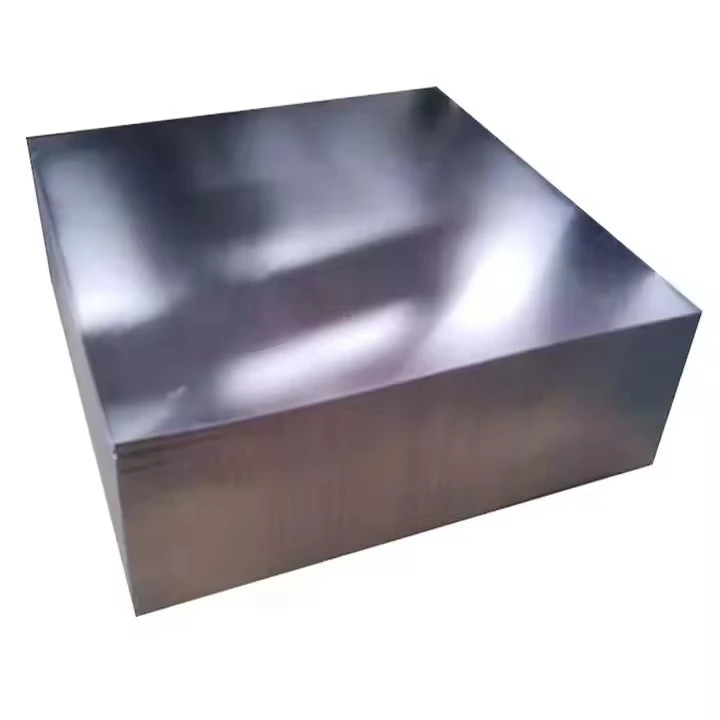
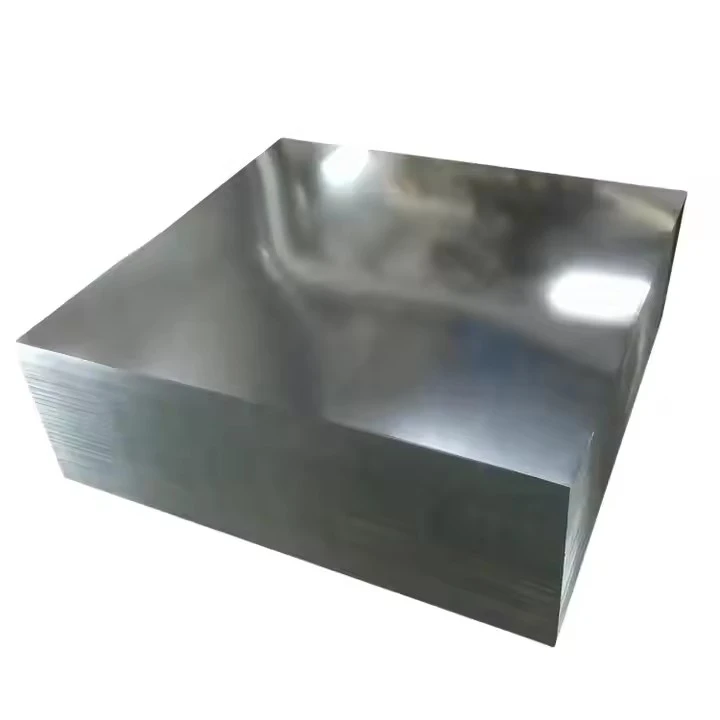
The tin plated steel sheet represents a sophisticated engineering solution where low-carbon steel receives a precise electrolytic tin coating, creating a composite material that delivers both structural strength and exceptional corrosion protection. This manufacturing process involves multiple critical stages including steel preparation, surface cleaning and activation, electrolytic tin plating, optional reflow treatment, passivation, and rigorous quality inspection. The electrolytic process ensures uniform tin distribution across the steel substrate, typically ranging from 0.15mm to 0.5mm in thickness with widths spanning 600mm to 1250mm, accommodating diverse industrial requirements. The tin coating acts as a protective barrier against moisture, oxygen, and chemical reactions while maintaining complete food-safety compliance—a critical factor distinguishing this material from alternatives. Modern production facilities employ advanced quality control measures including X-ray fluorescence for coating thickness measurement, visual inspections for surface defects, and mechanical testing for strength and formability, ensuring every tin plated steel sheet meets exacting international standards.
Superior Corrosion Resistance Mechanisms
The tin plated steel sheet achieves remarkable corrosion resistance through multiple protection layers working synergistically. The tin coating provides an effective barrier preventing direct contact between the steel base and corrosive elements such as moisture, acidic foods, or industrial chemicals. Unlike bare steel which oxidizes rapidly when exposed to air and water, the tin layer remains chemically stable and forms a passive oxide layer that self-heals minor surface damage. This protective mechanism proves particularly valuable in food and beverage applications where products may contain organic acids, carbonation, or high moisture content. The electrolytic tin plating process creates a uniform coating density without weak spots or gaps, ensuring comprehensive coverage across the entire steel surface. Advanced passivation treatments applied during manufacturing further enhance this corrosion resistance by creating an ultra-thin chromate or chromium oxide layer that provides additional atmospheric protection during storage and transportation. This multi-layered defense system extends product shelf life significantly, with properly packaged goods maintaining freshness and nutritional integrity for extended periods.
Exceptional Formability and Processing Advantages
One of the most valuable characteristics of tin plated steel sheet is its outstanding formability, allowing manufacturers to create complex shapes and designs without material failure or coating damage. The steel substrate maintains excellent ductility through the T1 to T5 temper range, enabling deep drawing operations for can bodies, easy shaping for closures, and precise stamping for specialized components. This formability stems from the carefully controlled cold-rolling and annealing processes that optimize grain structure within the steel base while the thin tin coating flexes without cracking or delaminating during fabrication. Manufacturers benefit from this versatility when producing two-piece cans, three-piece welded containers, crown caps, easy-open ends, and specialty packaging configurations. The material's superior solderability further expands processing options, allowing traditional side-seam soldering for three-piece cans while maintaining hermetic seals that protect contents from external contamination. Modern high-speed production lines can process tin plated steel sheet at remarkable throughputs, with advanced equipment capable of forming, sealing, and quality-checking thousands of units per hour without compromising structural integrity or coating performance.
Comprehensive Applications Across Food and Beverage Industries
The tin plated steel sheet has established itself as the preferred packaging material for food and beverage industries due to its unique combination of food-safety compliance, barrier properties, and manufacturing versatility. Canned food products ranging from vegetables and fruits to meat and seafood rely on tin plated steel sheet containers that maintain product quality throughout extended shelf lives without refrigeration. The material's non-toxic nature ensures no harmful substances leach into food contents, even when storing acidic products like tomatoes, citrus juices, or pickled vegetables. For beverage packaging, tin plated steel sheet cans effectively contain carbonated soft drinks, beer, energy drinks, and ready-to-drink coffee products while preventing flavor degradation and maintaining carbonation levels. The excellent gas barrier properties prevent carbon dioxide from escaping while blocking oxygen ingress that would otherwise cause oxidation and spoilage. Infant formula manufacturers specifically choose tin plated steel sheet packaging for its superior moisture barrier that protects sensitive milk powder products from humidity damage and maintains nutritional integrity. The material's strength-to-weight ratio also proves advantageous for distribution efficiency, with containers capable of withstanding stacking pressures during warehousing and transportation while minimizing overall package weight.
Industrial and Technical Applications Beyond Packaging
Beyond traditional food and beverage packaging, tin plated steel sheet serves numerous industrial and technical applications that capitalize on its corrosion resistance and electrical properties. The automotive industry incorporates this material in fuel tank construction where corrosion resistance proves essential for long-term durability and safety compliance. Electronic component housings benefit from tin plated steel sheet's electromagnetic shielding capabilities, protecting sensitive circuits from interference while providing structural support and environmental protection. Battery casings manufactured from tin plated steel sheet offer both electrical conductivity and corrosion resistance in demanding operational environments. Chemical industries use tin plated steel sheet containers for packaging paints, coatings, solvents, and specialty chemicals where container integrity and product compatibility are paramount. The construction sector employs tin plated steel sheet in roofing materials, protective coatings for structural steel, and cladding applications where weather resistance and aesthetic appeal combine. Aerosol products ranging from household cleaners to personal care items rely on tin plated steel sheet containers that safely contain pressurized contents while resisting corrosion from product formulations. Industrial containers for specialty chemicals, pharmaceutical intermediates, and agricultural products utilize this material's chemical stability and mechanical strength.
Quality Assurance and International Certification Standards
Quality control represents a fundamental commitment for leading tin plated steel sheet manufacturers who implement comprehensive testing protocols throughout production processes. Advanced inspection equipment including X-ray fluorescence analyzers precisely measures tin coating thickness at multiple points, ensuring uniform coverage that meets specification requirements. Visual inspection systems detect surface imperfections such as scratches, dents, or coating irregularities that could compromise performance or aesthetics. Mechanical testing evaluates tensile strength, elongation properties, hardness levels, and formability characteristics against established standards. Chemical composition analysis verifies steel substrate purity and tin coating consistency, while corrosion resistance testing simulates extended exposure conditions to validate long-term performance. International certifications provide customers with confidence in material quality and manufacturing processes. ISO 9001:2015 certification demonstrates systematic quality management implementation across all operational aspects. IATF 16949 automotive quality standards ensure materials meet stringent automotive industry requirements for suppliers. ISO 14001:2004 International Environmental Management System certification confirms environmental responsibility throughout manufacturing operations. RoHS Compliance verification guarantees materials meet restrictions on hazardous substances regulations protecting human health and environment. SGS, BPA-free, and CE certifications provide additional third-party validation of product safety and regulatory compliance for international markets.
Research and Development Innovations
Continuous innovation drives tin plated steel sheet technology forward as manufacturers invest in research and development programs addressing evolving market demands and sustainability objectives. Advanced coating technologies explore alternative application methods that reduce environmental impact while maintaining or improving performance characteristics. Alloy development research investigates tin-based compositions incorporating elements like cobalt for enhanced hardness or nickel for improved solderability without compromising food-safety requirements. Surface treatment innovations focus on developing more effective passivation layers using environmentally friendly alternatives to traditional chromate treatments. Production efficiency improvements target energy consumption reduction, water usage optimization, and waste stream minimization throughout manufacturing processes. Material scientists work to optimize steel substrate compositions that enhance formability while reducing material thickness and weight without sacrificing strength or barrier properties. Digital quality control systems integrate artificial intelligence and machine learning algorithms that detect subtle defects and process variations invisible to traditional inspection methods. These ongoing research efforts ensure tin plated steel sheet technology continues meeting future challenges while supporting circular economy principles through enhanced recyclability and reduced environmental footprint.
Sustainable Packaging Solutions and Environmental Responsibility
The tin plated steel sheet exemplifies sustainable packaging principles through exceptional recyclability and resource efficiency throughout its lifecycle. Steel ranks among the world's most recycled materials with recycling rates exceeding 80% in many developed markets, and tin coating adds no complications to standard steel recycling processes. When tin plated steel sheet containers reach end-of-life, magnetic separation easily recovers steel content for remelting and reprocessing into new products including fresh packaging materials, construction components, or automotive parts. This closed-loop recycling system conserves natural resources by reducing primary ore mining requirements while lowering energy consumption compared to virgin material production. The tin coating layer, though thin, maintains value through recovery processes that separate and reclaim tin for subsequent reuse in new plating operations or other tin-based applications. Manufacturing facilities increasingly adopt environmental management systems that monitor and minimize ecological impacts through waste reduction initiatives, energy efficiency improvements, and water conservation programs. Product design optimization focuses on reducing material thickness where possible without compromising performance, decreasing overall resource consumption per package unit. Lifecycle assessments demonstrate tin plated steel sheet packaging often outperforms alternatives when evaluating total environmental impact including production, transportation, use phase, and end-of-life disposal or recycling.
Conclusion
The tin plated steel sheet delivers unmatched benefits for food, beverage, and industrial packaging applications through its superior corrosion resistance, food-safety compliance, exceptional formability, and complete recyclability. This versatile material addresses critical manufacturing challenges while supporting sustainability objectives and regulatory compliance across global markets. Modern production technologies and rigorous quality standards ensure consistent performance that protects products and brand reputation.
Cooperate with Shandong Three Iron-Printing & Tin-Making Co.,Ltd.
Partner with Shandong Three Iron-Printing & Tin-Making Co.,Ltd., your trusted China tin plated steel sheet manufacturer, China tin plated steel sheet supplier, and China tin plated steel sheet factory offering competitive tin plated steel sheet price and High Quality tin plated steel sheet for sale. Our China tin plated steel sheet wholesale operations serve global markets with proven expertise. Located in Linyi Economic and Technological Development Zone spanning over 270,000 square meters, we employ more than 300 skilled workers including 50+ management personnel and 65 specialized technical professionals. Our advanced production capabilities feature 6 German lines, 6 Japanese lines, 4 Fuji printing lines, 6 Taiwan lines, 8 Swiss Soudronic high-speed aerosol tank production lines, and 10 Italian BMV cover stamping equipment units, generating 50,000 tons printing iron, 600 million cans, and 2 billion easy-pull covers annually. We support OEM requirements with fast delivery and strict packaging protocols. Our mature R&D team provides exceptional technical support backed by strong financial stability, large inventory, and complete certifications including ISO9001:2008, ISO14001:2004, SGS, BPA, and CE. Our products feature seamless construction preventing leaks, customizable exteriors for brand messaging, recyclable materials supporting eco-conscious consumers, and stackable designs enabling efficient storage and transportation. Our advanced facilities and experienced team deliver top-notch packaging solutions meeting global standards while elevating brand presence. Contact us at info@threefoodcan.com to discuss your tin plated steel sheet requirements and discover how our expertise transforms packaging challenges into competitive advantages for your business success.
References
1. Morselli, D., et al. "Metal Packaging Materials: Food Safety and Environmental Considerations in Modern Can Production." Food Packaging Technology Journal, 2021.
2. Iversen, K.N., et al. "Innovation in Food Packaging: Extending Shelf Life through Advanced Materials." Molecules, Volume 27, Issue 17, 2022.
3. Hari Kumar, K.C., et al. "Thermodynamic Assessment of the Iron-Tin Phase System: Intermetallic Formation and Stability." Journal of Alloy Phase Diagrams, Materials Science Division, 1996.
4. "Tinplate Manufacturing and Applications in Food Preservation." Encyclopedia of Physical Science and Technology, Third Edition, Academic Press, 2003.
5. Kim, J.K., and Tong, X.Y. "Forming and Failure Behaviour of Coated Sheet Metals in Manufacturing Processes." Journal of Materials Processing Technology, Volume 63, Issues 1-3, 1997.
YOU MAY LIKE