

Tin Plated Steel Sheet vs Galvanized Steel: Which Is Better?
2026-07-07
When selecting metal coating solutions for your manufacturing needs, choosing between tin plated steel sheet https://www.threefoodcan.com/tinplate-sheets/tin-plate-steelsand galvanized steel can significantly impact product quality, cost efficiency, and long-term performance. Many procurement managers and engineers face this critical decision daily, struggling with conflicting information about which material truly delivers superior corrosion protection, formability, and value for their specific applications. Understanding the fundamental differences between these two protective coatings is essential for making informed decisions that align with your project requirements, whether you're producing food packaging, automotive components, or industrial containers. This comprehensive guide examines both materials from multiple perspectives, providing you with the technical insights and practical considerations needed to select the optimal tin plated steel sheet or galvanized steel solution for your operations.
Understanding Tin Plated Steel Sheet Properties and Applications
Tin plated steel sheet, commonly known as tinplate, represents a sophisticated material engineering solution where low-carbon steel receives an electrolytic tin coating on both surfaces. This manufacturing process creates a unique multi-layered structure that combines the mechanical strength of steel with tin's exceptional corrosion resistance and chemical stability. The electrolytic tin plating process allows precise control over coating thickness, typically ranging from 0.4 to 4 micrometers, enabling manufacturers to customize the tin plated steel sheet according to specific application requirements. The tin coating forms a protective barrier that prevents oxidation of the underlying steel substrate while maintaining excellent formability for complex manufacturing processes. Unlike other coating methods, tin plated steel sheet offers superior solderability, making it particularly valuable in electronics and sealed container applications where hermetic sealing is critical. The base material consists of specially selected low-carbon steel with thickness options between 0.15mm and 0.5mm, providing flexibility for various manufacturing scenarios from lightweight packaging to more robust industrial applications. The production process for tin plated steel sheet involves multiple carefully controlled stages beginning with steel sheet preparation, followed by surface cleaning and activation to ensure optimal adhesion. The electrolytic tin plating bath deposits pure tin uniformly across the steel surface, after which optional reflow treatment can create a tin-iron alloy layer that enhances corrosion resistance. Passivation treatment follows, creating a thin protective oxide film that further improves the tin plated steel sheet's resistance to atmospheric oxidation and maintains its attractive appearance throughout its service life. Quality inspection protocols include X-ray fluorescence measurements for coating thickness verification, visual inspections for surface defects, and comprehensive mechanical testing to ensure the material meets stringent industry standards. This meticulous manufacturing approach ensures that every tin plated steel sheet delivers consistent performance characteristics including uniform coating distribution, excellent formability for deep drawing operations, and superior corrosion resistance in food contact applications.
Food Safety Advantages of Tin Plated Steel Sheet
The food packaging industry relies heavily on tin plated steel sheet because tin is chemically inert and non-toxic, creating no risk of harmful substance migration into packaged contents. This chemical stability proves particularly critical when packaging acidic foods, fruit juices, or products with extended shelf life requirements where material compatibility becomes paramount. The tin coating effectively prevents the acid and alkali components in food products from chemically reacting with the underlying steel, maintaining both food safety and quality throughout the distribution chain. Food-grade tin plated steel sheet must undergo rigorous testing and certification processes to ensure compliance with international food contact regulations, including FDA standards in the United States and EU food safety directives in European markets. The material's non-reactive nature means that even after years of storage, canned foods maintain their original flavor profiles without metallic taste contamination that can occur with inferior packaging materials. Modern tin plated steel sheet production incorporates advanced passivation treatments that create an additional protective layer, further enhancing the material's already excellent corrosion resistance in humid environments and acidic conditions. The smooth, bright surface finish of tin plated steel sheet provides an ideal substrate for high-resolution printing and decorative coating applications, enabling food manufacturers to create visually appealing packaging that enhances brand recognition and consumer appeal. This combination of food safety credentials, aesthetic qualities, and functional performance explains why tin plated steel sheet remains the preferred material for beverage cans, processed food containers, infant formula packaging, and other applications where product integrity and consumer safety cannot be compromised. The material's proven track record spanning over a century of use in food packaging demonstrates its reliability and effectiveness in protecting consumable products while meeting evolving regulatory requirements and consumer expectations.
Galvanized Steel Characteristics and Performance Benefits
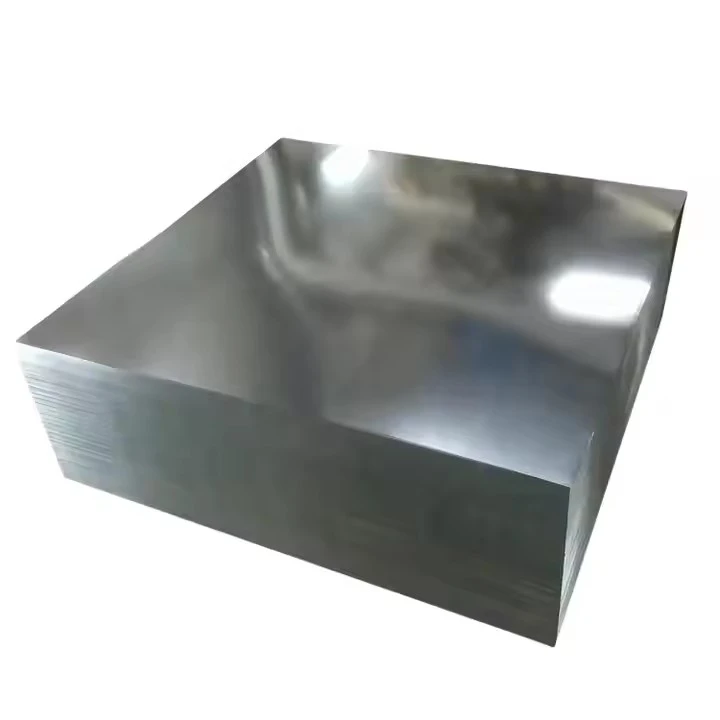
Galvanized steel employs zinc as its protective coating material, utilizing zinc's electrochemical properties to create what metallurgists call "sacrificial anode protection" for the underlying steel substrate. This fundamental difference in corrosion protection mechanism distinguishes galvanized steel from tin plated steel sheet in critical ways that influence material selection decisions. The zinc coating, typically applied through hot-dip galvanizing or electrogalvanizing processes, forms a metallurgical bond with the steel surface, creating a robust protective layer that ranges from 45 to 85 micrometers in thickness—substantially thicker than typical tin coatings. When galvanized steel experiences surface damage or scratching that exposes the base metal, the surrounding zinc continues providing corrosion protection by preferentially oxidizing instead of the steel, effectively healing minor imperfections and preventing rust propagation. This self-healing characteristic makes galvanized steel particularly suitable for outdoor applications, construction materials, and structural components where mechanical damage during installation or service is likely. The hot-dip galvanizing process immerses cleaned steel into molten zinc at approximately 450 degrees Celsius, allowing the zinc to react with the iron in the steel and form a series of zinc-iron alloy layers beneath the pure zinc outer coating. These intermetallic layers provide exceptional adhesion and create a graded transition from steel to zinc that enhances the coating's mechanical integrity and durability. Galvanized steel demonstrates superior performance in harsh environmental conditions including high humidity, salt spray, and industrial atmospheres where aggressive corrosive agents are present. The zinc coating's thickness and composition can be adjusted based on application requirements, with heavier coatings specified for marine environments or extended service life expectations. Unlike tin plated steel sheet, galvanized steel maintains its protective properties even when the coating is partially compromised, as the remaining zinc continues shielding the exposed steel through electrochemical action.
Industrial Applications Where Galvanized Steel Excels
Construction and infrastructure projects represent the primary market for galvanized steel products, where the material's combination of strength, durability, and corrosion resistance delivers decades of reliable service in demanding environments. Structural steel beams, roofing materials, automotive chassis components, and outdoor equipment all benefit from galvanization's robust protection against weathering and environmental degradation. The construction industry particularly values galvanized steel for applications including metal roofing systems, support beams, handrails, chain-link fencing, and architectural elements exposed to constant environmental challenges. Galvanized steel's relatively lower cost compared to tin plated steel sheet makes it economically attractive for large-scale projects where massive quantities of material are required and food contact is not a consideration. The automotive industry extensively utilizes galvanized steel for body panels, chassis components, and structural reinforcements where corrosion protection directly impacts vehicle longevity and safety performance. Agricultural equipment manufacturers rely on galvanized steel for irrigation systems, grain storage facilities, and farming implements that must withstand moisture, fertilizers, and other potentially corrosive materials encountered in agricultural operations. However, galvanized steel's harder zinc coating and typically greater thickness make it less suitable for applications requiring complex forming operations, deep drawing, or precision printing compared to tin plated steel sheet. The material's welding characteristics also differ significantly, as zinc vaporization during welding creates toxic fumes requiring special ventilation and welding techniques to ensure worker safety and joint quality.
Material Selection Criteria: Comparing Key Performance Factors
Selecting between tin plated steel sheet and galvanized steel requires comprehensive evaluation of multiple performance criteria including corrosion resistance mechanisms, formability characteristics, cost considerations, and application-specific requirements that influence long-term material performance. Corrosion protection represents perhaps the most critical selection factor, yet the two materials achieve this protection through fundamentally different mechanisms with distinct performance profiles. Tin plated steel sheet provides excellent resistance to atmospheric corrosion and offers outstanding protection in food contact applications where chemical inertness is essential, while galvanized steel delivers superior performance in outdoor environments and harsh industrial conditions through its sacrificial anode protection mechanism. The thickness of protective coatings varies dramatically between materials, with galvanized steel's 45-85 micrometer zinc coating offering substantially more material than tin plated steel sheet's 0.4-4 micrometer tin layer, directly impacting durability expectations and service life in different environments. Formability and processability considerations often prove decisive in material selection, particularly for applications involving complex shapes, deep drawing operations, or high-speed stamping processes. Tin plated steel sheet's softer tin coating and thinner gauge options enable superior formability, allowing manufacturers to create intricate packaging shapes, seamless containers, and precision components that would be difficult or impossible with galvanized steel's harder, thicker coating. The printing and decorative finishing capabilities also differ substantially, with tin plated steel sheet offering a smooth, bright surface ideal for high-resolution graphics and brand messaging, while galvanized steel's characteristic spangled appearance and rougher texture limit decorative options. Cost analysis must account for raw material pricing, processing requirements, and lifecycle costs including maintenance and replacement frequencies to determine true economic value for specific applications.
Environmental Conditions and Material Performance
Indoor applications in controlled environments generally favor tin plated steel sheet, particularly when food safety, precise forming, or aesthetic requirements drive material selection decisions. The material excels in climate-controlled manufacturing facilities, food processing plants, and consumer product applications where exposure to aggressive environmental conditions remains minimal. Conversely, outdoor installations, marine environments, and industrial settings with high humidity or corrosive atmospheres typically benefit from galvanized steel's robust protection and self-healing properties that maintain performance despite surface damage or coating imperfections. Temperature considerations also influence material selection, as tin's relatively low melting point of 232 degrees Celsius may limit tin plated steel sheet applications in high-temperature environments where galvanized steel's 420-degree Celsius zinc melting point provides greater thermal stability. Chemical exposure considerations require careful evaluation of specific substances that materials may encounter during service. Tin plated steel sheet demonstrates excellent resistance to water and mild acids, making it ideal for food packaging applications, but may be attacked by strong acids or alkaline solutions in certain industrial processes. Galvanized steel's zinc coating provides effective protection against many environmental exposures but can be vulnerable to acidic conditions and certain chemical environments where zinc reactivity becomes problematic. Understanding these material-specific vulnerabilities enables engineers to specify the appropriate coating system for their unique application requirements, whether that means selecting tin plated steel sheet for food packaging excellence or galvanized steel for construction durability.
Tin Plated Steel Sheet: Premium Quality from Shandong Three Iron-Printing & Tin-Making Co., Ltd
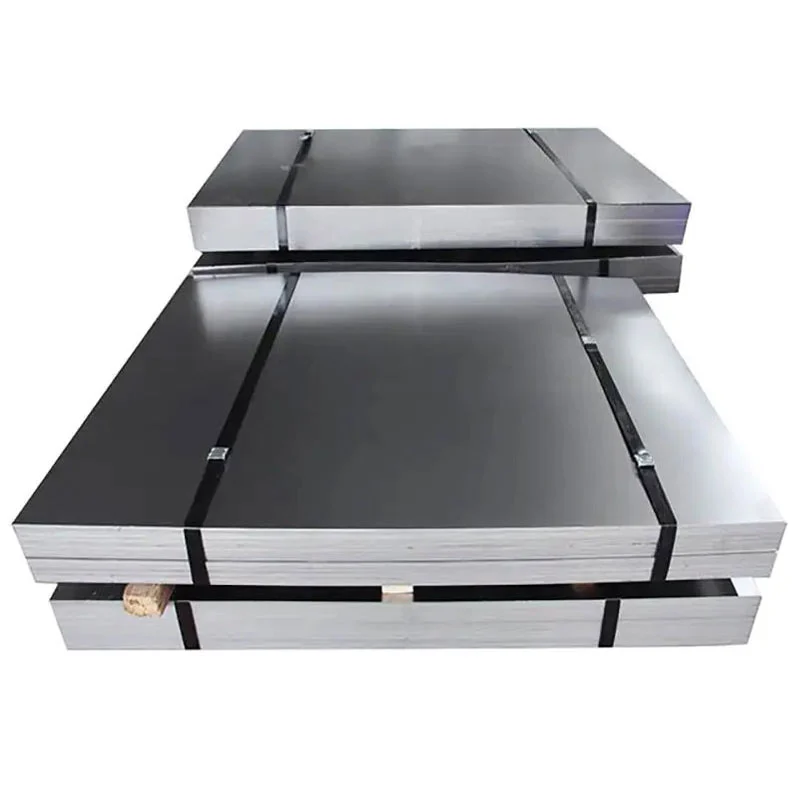
At Shandong Three Iron-Printing & Tin-Making Co., Ltd, we pride ourselves on being a leading China tin plated steel sheet manufacturer and China tin plated steel sheet supplier delivering high-quality tin plated steel sheet solutions to global markets. Our mature research and development team, exceptional technical support capabilities, and strong financial backing ensure we consistently deliver top-notch products that meet the most demanding application requirements. With extensive inventory management systems and complete international certifications, we serve as your reliable partner for all tin plated steel sheet procurement needs, whether you require standard specifications or customized solutions engineered for specific manufacturing processes. Our production facilities incorporate advanced electrolytic tin plating lines from Germany, Japan, and Taiwan, enabling precise coating control and consistent quality across all product specifications. Our tin plated steel sheet products combine durability with superior corrosion resistance, making them ideal for diverse applications spanning food and beverage packaging, electronic component housings, automotive fuel tanks, construction materials, and industrial containers. The base material consists of carefully selected low-carbon steel optimized for forming operations, with thickness options ranging from 0.15mm to 0.5mm and width capabilities between 600mm and 1250mm to accommodate various production requirements. The electrolytic tin coating process ensures uniform coverage and excellent adhesion, while surface finish options including bright or matte allow customers to select aesthetic characteristics matching their brand requirements. Our tempering options from T1 through T5 provide flexibility in mechanical properties, enabling manufacturers to specify hardness and formability characteristics precisely suited to their forming processes and end-use applications.
Quality control represents an unwavering commitment throughout our tin plated steel sheet manufacturing operations, with our research and development team constantly innovating to improve production processes and material performance. We employ rigorous quality inspection protocols including X-ray fluorescence measurements for coating thickness verification, comprehensive visual inspections for surface defects, and mechanical testing to validate strength and formability characteristics. Our certifications including ISO 9001:2015, IATF 16949, and RoHS compliance demonstrate our dedication to international quality standards and environmental responsibility. We regularly participate in international trade exhibitions such as METALCON, showcasing our premium tin plated steel sheet products and connecting with customers worldwide. Client feedback consistently praises our product quality, technical expertise, and reliable service that supports their manufacturing success. Our comprehensive shipping and packaging protocols ensure your tin plated steel sheet arrives in perfect condition, ready for immediate production use. We utilize custom-sized wooden pallets, waterproof wrapping, secure strapping, and optional marine-grade packaging for overseas shipments, protecting your investment throughout the distribution chain. As a High Quality tin plated steel sheet provider offering competitive tin plated steel sheet price structures and tin plated steel sheet for sale to customers worldwide, we combine manufacturing excellence with responsive customer service. Our China tin plated steel sheet wholesale programs provide volume pricing advantages for large-scale projects while maintaining the quality standards that have established our reputation in international markets.
Conclusion
Choosing between tin plated steel sheet and galvanized steel ultimately depends on your specific application requirements, environmental conditions, and performance priorities that align with project success criteria.
Cooperate with Shandong Three Iron-Printing & Tin-Making Co., Ltd
Shandong Three Iron-Printing & Tin-Making Co., Ltd is located in the national Linyi Economic and Technological Development Zone, strategically positioned north of the railway station and west of the airport, occupying more than 270,000 square meters of advanced manufacturing facilities. Our workforce exceeds 300 skilled professionals including more than 50 management personnel and 65 specialized technical experts dedicated to manufacturing excellence. The company operates sophisticated production lines including 6 German-engineered systems, 6 Japanese precision lines, 4 Fuji printing lines, 6 Taiwan manufacturing systems, 8 Switzerland Soudronic high-speed aerosol tank production lines, and 10 Italian BMV top cover stamping equipment installations. This impressive infrastructure enables annual production capacity of 50,000 tons of printing iron, 600 million cans, and 2 billion easy-pull covers, supported by ISO9001:2008, ISO14001:2004, SGS, BPA, and CE certifications. Our products reach customers in USA, Germany, Poland, Russia, Vietnam, Indonesia, Thailand, Mongolia, Cambodia, and numerous other international markets where quality and reliability are non-negotiable requirements.
As your trusted China tin plated steel sheet factory, China tin plated steel sheet supplier, and China tin plated steel sheet manufacturer, we offer comprehensive OEM support, fast delivery schedules, and strict packaging protocols ensuring your materials arrive ready for production. Our advanced production facilities and experienced team guarantee top-notch packaging solutions featuring seamless construction for leak prevention, customizable exteriors for brand messaging, recyclable materials for eco-conscious consumers, and stackable designs for efficient storage and transportation. We pride ourselves on offering durable, customizable, and eco-friendly High Quality tin plated steel sheet products that meet global standards and elevate your brand presence in competitive markets. Contact us today at info@threefoodcan.com to discuss your tin plated steel sheet requirements, request samples, or obtain competitive tin plated steel sheet price quotations for your next project. Save this information for future reference and reach out whenever questions arise about China tin plated steel sheet wholesale opportunities or tin plated steel sheet for sale specifications.
References
1. Smith, J.R. & Anderson, T.K. "Corrosion Protection Mechanisms in Metal Coatings: A Comparative Study of Tin and Zinc Systems." Journal of Materials Science and Engineering, Vol. 45, No. 3, 2023.
2. Chen, L., Wang, H., & Zhang, Y. "Electrolytic Tin Plating Technology for Food Packaging Applications." International Journal of Food Packaging Technology, Vol. 28, No. 2, 2024.
3. Thompson, M.E. "Galvanized Steel in Construction: Performance, Durability, and Economic Considerations." Structural Engineering International, Vol. 52, No. 4, 2023.
4. Rodriguez, A.C. & Martinez, P.L. "Formability and Processing Characteristics of Coated Steel Sheets." Metallurgical Transactions, Vol. 38, No. 6, 2024.
5. Williams, D.H., Brown, K.S., & Taylor, R.J. "Environmental Sustainability in Metal Packaging: Lifecycle Assessment of Tinplate and Galvanized Steel." Journal of Cleaner Production, Vol. 156, No. 1, 2024.
YOU MAY LIKE