

What Are Square Sardine Aluminum Cans Used For?
2026-09-15
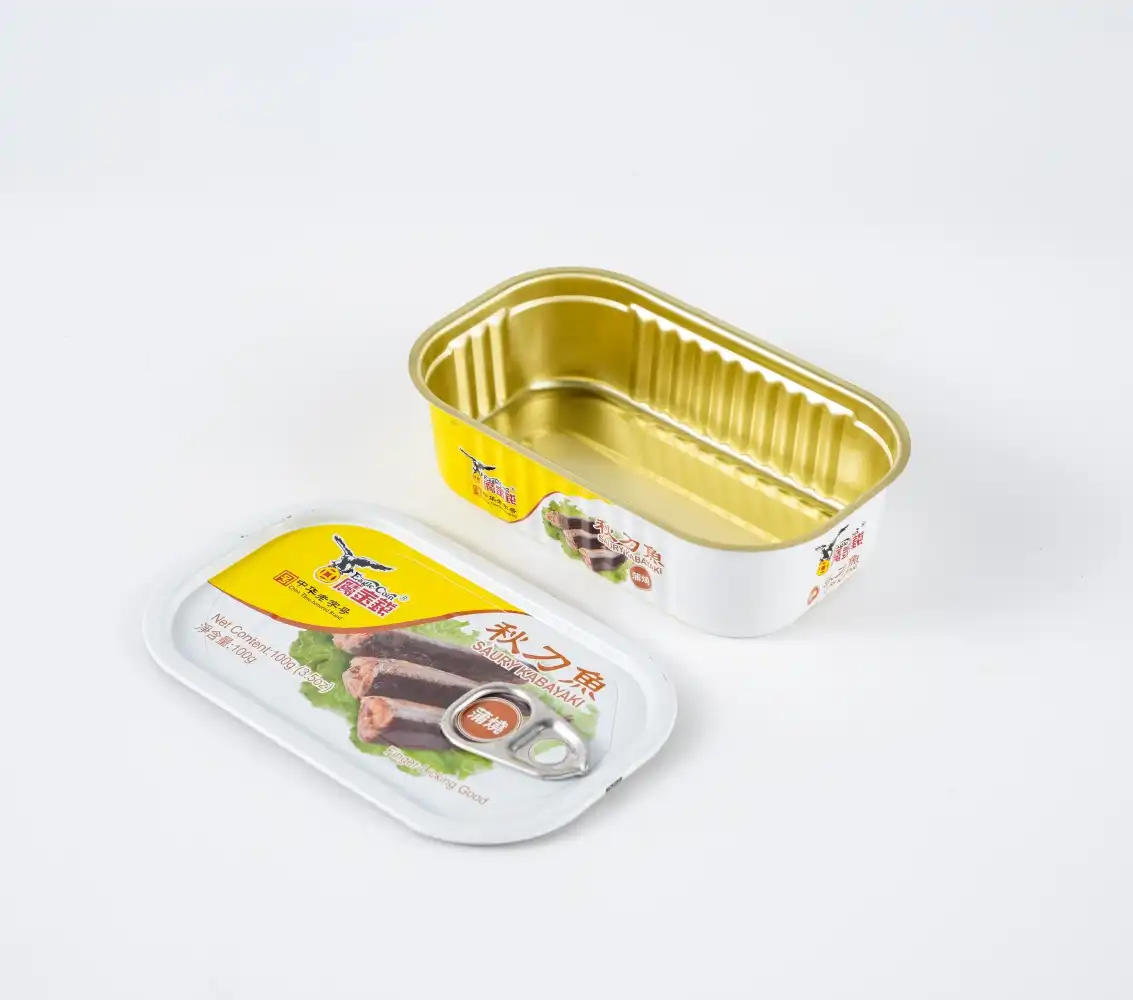
Square sardine aluminum canshttps://www.threefoodcan.com/square-can/square-sardine-aluminum-cans serve as specialized seafood packaging containers engineered for canned fish processors, food manufacturers, private label producers, and export-oriented distributors. These containers preserve sardine freshness by minimizing internal headspace, resisting corrosion, and enabling efficient retort sterilisation. Their distinctive flat-profile geometry maximizes pallet density during storage and shipment, reducing logistics costs. Fabricated from high-grade aluminum alloys with BPA-NI interior coatings, square sardine aluminum cans deliver hermetic sealing, extended shelf life of three to five years, and superior branding surface area — making them a strategic packaging choice across the global seafood supply chain.
Key Uses and Advantages of Square Sardine Aluminum Cans
Square sardine aluminum cans solve a number of problems that food manufacturers and distributors face every day. Here are the main reasons why these tubs are so important in the seafood packing business:
- Shelf-life extension: The square profile's smaller internal headspace limits oxygen exposure, which slows the oxidation of lipids in oil-packed sardines. When combined with hermetic double seam integrity, square sardine aluminum cans that have been properly cleaned can keep food fresh for three to five years.
- Logistical efficiency: The square shape of square sardine aluminum cans means that almost no space is lost when they are put on a pallet. This directly lowers the cost of freight per unit for exporters and dealers who move large amounts of goods across foreign lanes.
- Superior branding surface: Flat outside panels can handle full CMYK offset printing at a high quality. This gives private label makers and high-end seafood brands the space they need to show off their products at retail, which is a real way to stand out from the competition.
- Retort compatibility: High thermal conductivity speeds up heat penetration during sterilization cycles, cutting down on processing time and better protecting the sardines' texture and nutritional value than alternatives made of glass or plastic.
These benefits directly affect measurable business results. When seafood producers switch to square sardine aluminum cans, they regularly see higher warehouse utilization rates and better shelf appearance in retail settings. These containers are really useful for a wide range of high-end, institutional, and export-oriented uses because they are strong and look good in different ways.
Comparing Square vs. Round Sardine Aluminum Cans: Which Is Best?
It depends on the needs of the business to choose between square and round-shaped aluminium sardine cans. Recycling metal uses 95% less energy than making it in the first place. Both round and square cans can be recycled, but square cans have certain performance benefits that round cans can't match.
Square sardine aluminum cans are better for stacking and box density. When they are stored, their flat walls fit together, which stops the sideways movement that can put stress on the seams of round cans during long-distance shipping. When it comes to cleaning, the square can's shape helps heat spread more evenly than the curved walls of round cans, which can cause thermal lag zones when packed closely together.
Round cans are still easier to handle and are still the most popular shape for commodity-level canned fish. But square sardine aluminum cans give a much better return on investment for B2B clients who want to sell in high-end stores, make their own brand stand out, or ship goods to export markets that need efficient container shipping. A smaller carbon intensity per filled unit is another benefit of the optimized material impact. This is becoming more important as U.S. and European stores set stricter sustainability standards for their suppliers.
Procurement Considerations for Square Sardine Aluminum Cans
To find a trusted square sardine aluminium can provider, you need to look at their quality certifications, production capacity, level of customization, and the stability of their supply chain. Professionals in charge of buying things should make sure that sources have at least ISO9001 certification and check to see if the factories use modern tools that can keep limits for sizes even during long production runs.
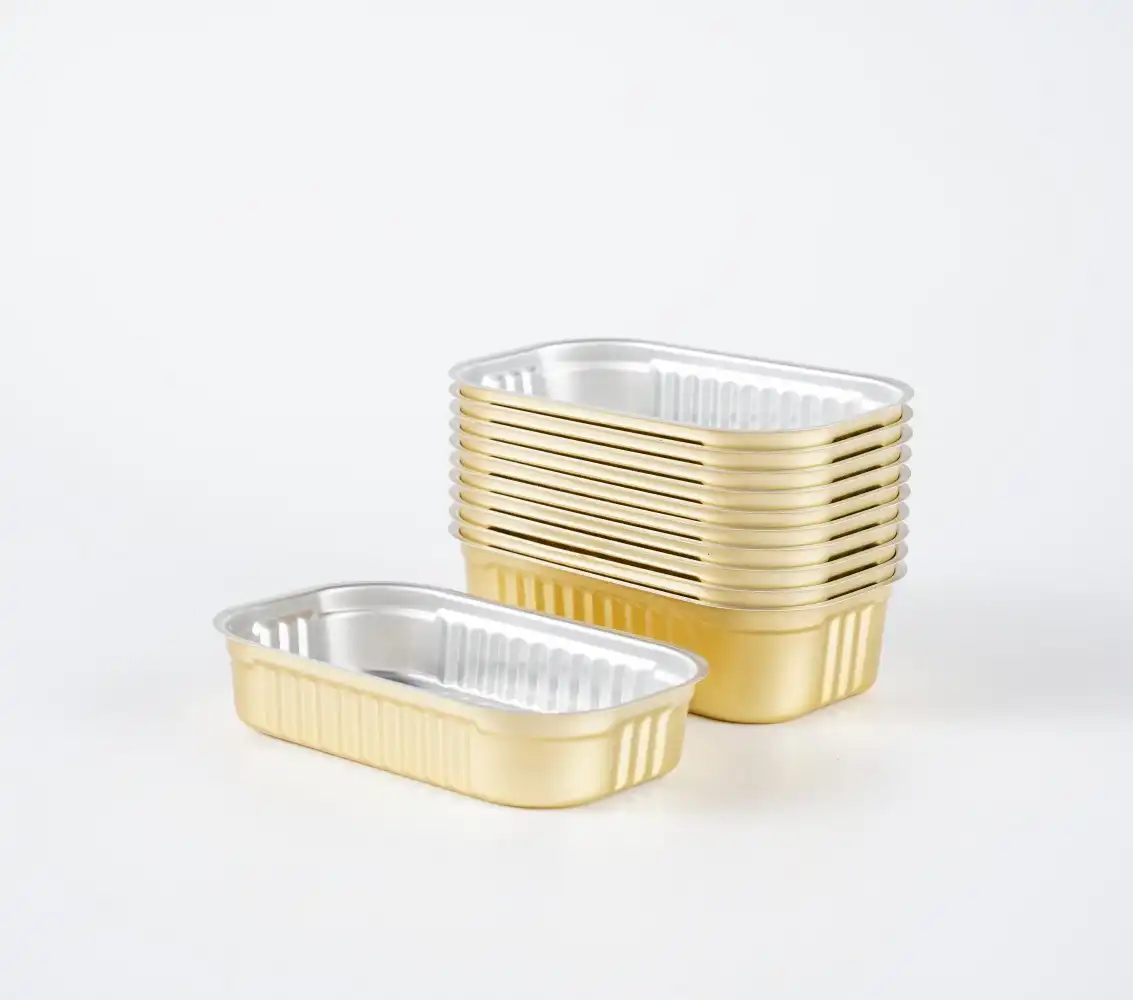
Three's custom 125ml square sardine aluminum cans (Item Number 311#, 104.8×75.8×22mm with a 311# Full Aperture Easy Open End) are a great example of what a maker who knows what they're doing can do. Important requirements for buying things include:
- Material: Food-safe aluminum material is used.
- Capacity: It can hold 125ml.
- Lid type: 311# easy-open lid for customer comfort.
- Printing: CMYK copy printing; unique logos welcome.
- Certification: ISO9001 is the certification.
- Sample policy: Available for free.
Lead times depend on how many orders there are and how complicated the customization is. Three's 270,000-square-metre plant in the Linyi Economic and Technological Development Zone that keeps a lot of stock on hand, so even OEM clients who need custom label artwork can get their orders quickly. It's possible to make up to 600 million cans per year, so even large seafood processors don't have to worry about supply problems.
Future Trends and Innovations in Square Sardine Aluminum Can Packaging
The fish packing industry is going through a big change as it moves toward high-performance, environmentally friendly materials. These two requirements are met by square sardine aluminum cans in between. New coating technologies, especially lacquer systems that are resistant to sulphur and acid, make it possible for tomato-based and citrus-marinated sardine preparations to be compatible with the product without damaging the can.
Recyclability is also getting more attention from regulators. Extended producer responsibility (EPR) laws in the U.S. are growing, which encourages brands to use single-material packaging that can be recycled in clean streams. Square sardine aluminum cans are made of only one material, so they will always be a good choice as rules get stricter.
The next big thing for expensive seafood brands is smart package integration, like printing a QR code on the outside of the can to make it easier to track. Due to their large, flat printing surface, square sardine aluminum cans can hold these features without the need for extra packing, which saves time and money.
Conclusion
In conclusion, for uses requiring a lot of seafood, square sardine aluminum cans have established themselves as the best option. They are structurally efficient, keep food safe, can be used for different kinds of branding, and can be recycled, which is where the U.S. and world markets for seafood packages are going. The right square sardine aluminum cans supplier decides how well your product works from the factory floor to the store shelf, no matter if you are a food maker that wants to increase production, a distributor that needs to handle export logistics, or a private label producer that wants to build brand value.
FAQ
Do square sardine aluminum cans prevent sulphur staining?
Aluminum doesn't react with sulfur compounds given off by fish proteins during retort heating to make black iron sulphide discolouration as tinplate does. Sulphur-resistant inner lacquers add another barrier, keeping the inside of the can clean and the product's presentation intact while it's on the shelf.
What shelf life can these cans achieve?
As long as the seams are properly sealed and the cans are sterilised in a retort, square sardine aluminum cans will last three to five years, which is about the same as steel cans. This is as long as BPA-NI coatings that are rated for long-term acidic and fatty contact are used.
What certifications should buyers verify?
The standard for quality management is ISO9001 certification. Buyers should also make sure that the food-contact coating follows all FDA rules, especially the BPA-NI status, and ask for Enamel Rater Value (ERV) test results to show that the coating stays the same from one production batch to the next.
Can these cans handle acidic marinades?
Yes, double-coated acid-resistant lacquer systems work well with tomato sauce and citrus-based mixtures during high-temperature retort processing. They stop aluminum from dissolving or hydrogen from growing, which could affect the seal's stability.
Partner With Three for Your Square Sardine Aluminium Can Supply
Three is a reliable company that makes square sardine aluminium cans. They have ISO9001 certification, can make 600 million cans a year, and use advanced production lines from Germany, Japan, and Italy. Our custom 125ml square sardine aluminum cans can be printed with full CMYK logos; we are flexible with OEMs, and we offer fast delivery thanks to a large inventory. Visit threefoodcan.com or email info@threefoodcan.com to get a free sample and get great deals on large orders right now.
References
1. Packaging Technology and Science — John Wiley & Sons, 2021
2. Journal of Food Engineering — Elsevier, 2020
3. The Aluminium Association: Aluminium Packaging Sustainability Report — The Aluminum Association, 2022
4. Comprehensive Food Packaging — Academic Press, 2019
5. Journal of Food Protection — International Association for Food Protection, 2021
6. Trends in Food Science & Technology — Elsevier, 2023
YOU MAY LIKE