

Can a Sardines empty can Be Repurposed Sustainably?
2026-09-16
A sardine's empty can https://www.threefoodcan.com/square-can/125-ml-sardines-empty-canabsolutely can be repurposed sustainably. These small but remarkably durable metal containers — typically manufactured from tin-free steel (TFS) or electrolytic tinplate — carry significant post-use potential that most businesses overlook. Whether you are a food manufacturer, private label producer, or sustainability-focused procurement team, understanding how to extend the lifecycle of a sardine's empty can transforms what appears to be industrial waste into a measurable circular economy asset. This shift in perspective is not just environmentally sound; it makes operational and financial sense.
Practical Methods and Ideas for Repurposing Sardine Cans
Any reuse program that you can trust needs to start with safe planning. Before a Sardines empty can can be used for something else in a business setting, it must be cleaned so that all traces of fish oil and organic matter are gone. Industrial cleaning includes rinsing with hot water, using a pH-neutral detergent, and drying completely to keep the inside from oxidizing. When it comes to job safety, you have to take extra care when handling seams with sharp edges.
Once it has been cleaned and inspected, a Sardines empty can can be used again in a number of different ways:
- Corporate gifts and branded goods: The conical shape and CMYK offset-printable exterior of a Sardines empty can make it a good container for gift sets, seed kits, or desk accessories. At trade shows in the Pacific Northwest, companies have used branded tin cans as eco-friendly promotional items. This has led to measured interaction at a fraction of the cost of traditional gifts.
- Workspace organization and component housing: 125ml Sardines empty cans are perfect for storing small hardware parts, office supplies, USB cables, and materials for sample packaging. They also make it easy to organize your workspace and store components. Teams on Midwest factory floors have started using recycled seafood tins as cheap organizers, which means they don't have to buy as many plastic storage trays.
- Modular planters and green office initiatives: Some European B2B distributors, mainly in Germany and the Netherlands, have teamed up with urban farming cooperatives to use recycled Sardines empty cans as modular planters in offices. These efforts led to a discernible decrease in the use of single-use plastic and were praised by the EU's Green Deal structure.
These cases show that a well-run reuse program for an empty Sardine can save money and the environment.
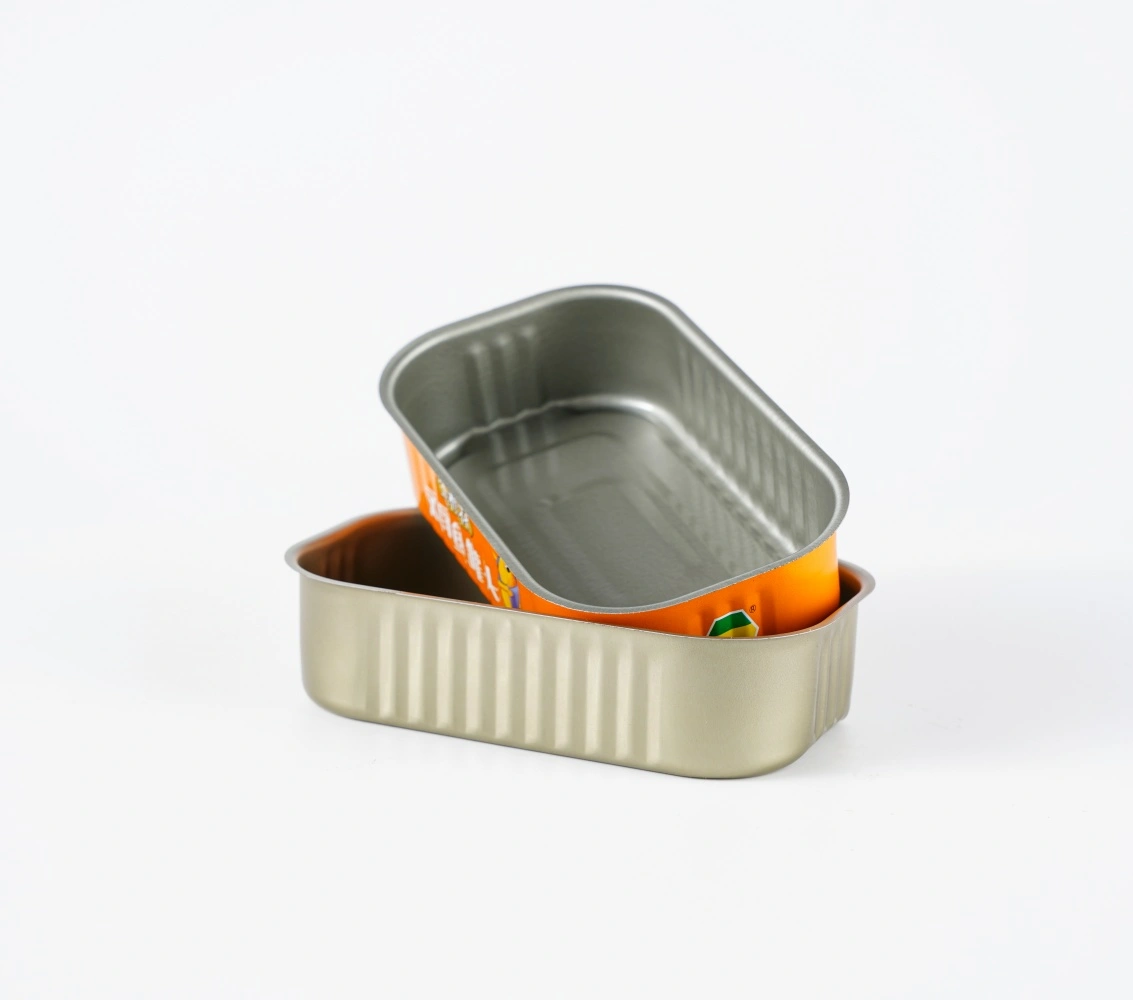
Comparing Sardines Empty Cans and Alternatives for Reuse in B2B Procurement
Material Composition and Durability Differences
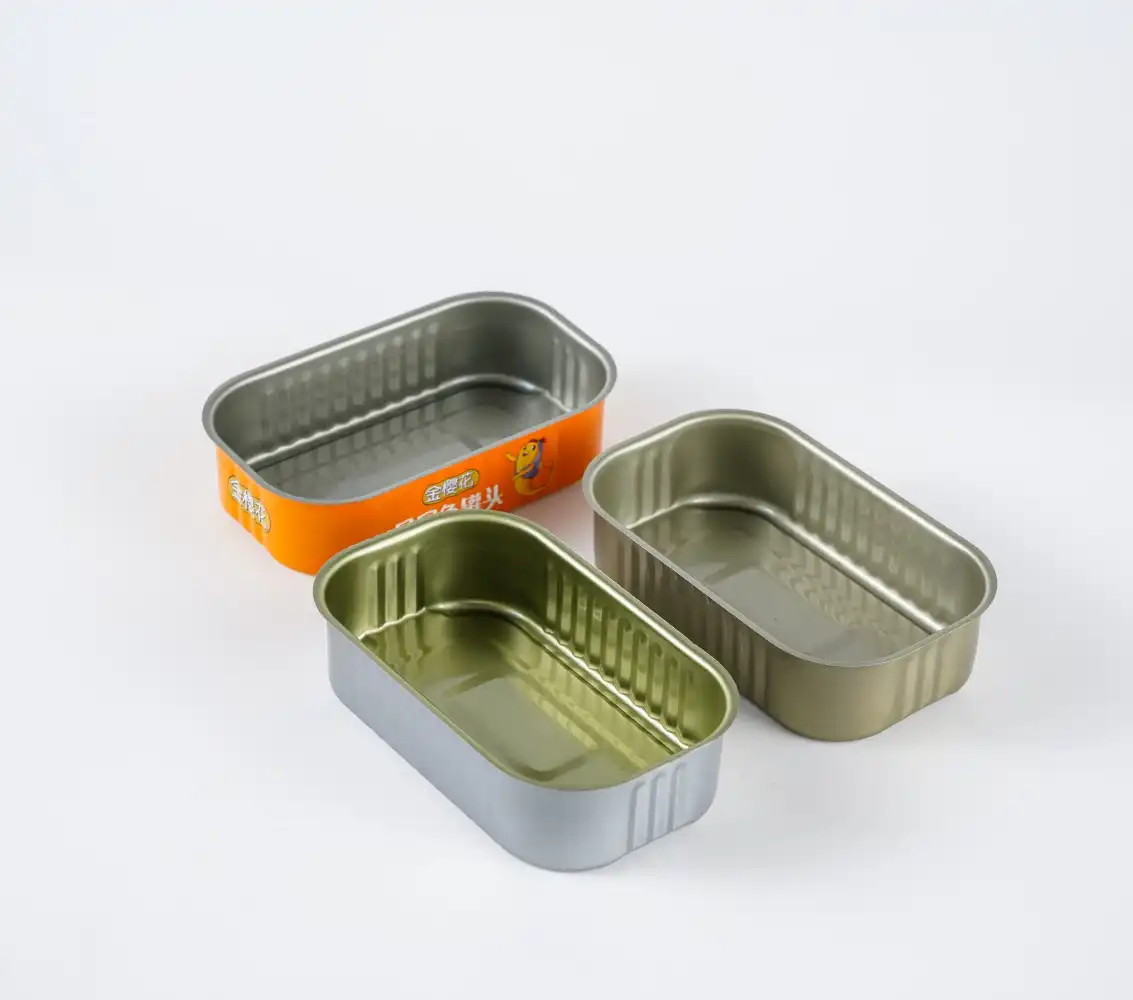
Purchasing managers frequently compare Sardines empty cans to empty tuna cans or other round food tins. The main difference is in the grade of the material and its shape. Sardines empty cans, especially the 1/4 Club format (Item 311#), are made of double-reduced TFS material, which is stronger per unit weight and less likely to rust than regular electrolytic tinplate in outdoor reuse situations. While tuna cans are bigger, they are heavier and less flexible for secondary uses that need to focus on small details.
Evaluating Sustainable Certifications in Can Suppliers
Some Sardines empty can sellers don't keep up with the licenses that procurement compliance officers need. The ISO 9001 quality control certification proves that the way things are made is consistent. The ISO 14001 environmental management certification shows that a company is producing goods in a responsible way. SGS and BPA-NI compliance deal with safety when food comes into touch with it and making sure that regulations are in line with EU EFSA standards and California Proposition 65. When looking for a Sardines empty can supplier for a sustainability-linked procurement deal, these qualities are must-haves, not nice-to-haves.
Procurement Strategies for Bulk Buying Sardines Empty Cans
Sardines empty cans need to be sourced in a way that is both cost-effective and resilient in order to be sourced on a large scale. When it comes to price stability and the ability to make changes, direct manufacturer relationships always do better than online marketplaces.
Here are the most important things to talk about with suppliers when negotiating:
- Volume pricing and contract flexibility: Sardines' empty cans can't go up or down in price on the spot market when you lock in tiered pricing for quarterly sales. Suppliers with a lot of extra inventory, like makers with 270,000-square-meter or larger factories, can fill urgent extra orders without affecting main contracts.
- Sustainable shipping packaging: Ask your Sardines empty can supplier to use recyclable outer packaging and the best pallet configurations to cut down on the carbon output caused by logistics. This detail comes up a lot in sustainability audits, but it's not usually dealt with on its own.
- Customization options: CMYK offset printing on the outside of the can lets you add your own name without having to pay a third party to decorate it. With confirmed OEM support and free samples, procurement teams can make sure the specs are correct before placing large orders.
These goals are dealt with in a planned way; they lead to relationships that can withstand audits and save money in the long run.
Future Outlook and Trends in Sardines Empty Can Reuse and Recycling
In both the U.S. and Europe, rules are moving faster toward systems for extended producer responsibility (EPR). Businesses that deal with metal food packaging are under a lot of pressure to follow the rules set by California's SB 54 and the EU's Packaging and Packaging Waste Regulation (PPWR) changes. Companies that already incorporate recycling and reuse of Sardines empty cans into their buying processes will be better able to meet these needs without having to make costly changes at the last minute.
More than one Sardines empty can can be safely used again after its main purpose. This is possible thanks to improvements in can design, such as lighter DR material gauges and BPA-NI polyester internal coats. Food brands in the U.S. that want to tell believable stories about sustainability to both individual buyers and institutional investors are turning more and more to manufacturers who spend in research and development for post-consumer can applications.
Conclusion
It is not the end of a product's lifecycle when a Sardines empty can is reached; rather, it is a turning point. The useful and business-related uses of these long-lasting metal cases are many, ranging from organizing the workplace to giving branded gifts, modular planting, and saving time when buying in bulk. Businesses that use Sardines empty can refill as part of their sustainable plans get clear benefits in their CSR marketing, lowering the cost of trash, and being ready for regulations. A well-sourced Sardines empty can is a really forward-thinking part of any circular procurement program because of the high quality of the materials, the high standards for certification, and the precision with which it is made.
FAQ
Can an empty can be safely used for planting?
Yes, as long as you're ready. An empty can of sardines can serve as a small modular planter after being thoroughly cleaned to get rid of fish oil and organic matter. To stop root rot, holes should be drilled in the base to let water drain away. Under normal conditions, the TFS material doesn't release any dangerous chemicals into the soil. This means it's safe to use for decorative and small-herb growing in offices and stores.
What safety precautions are necessary when handling used sardine cans?
When handled, sharp seam edges on Sardines' empty can cut you. Procurement teams should ask for cut-edge deburring or wear safe gloves when handling.. A quick edge-safety check should be a part of every preparation step in commercial reuse programs before cans are used for a second time.
How do I verify a sardine empty can supplier's eco-certifications?
Ask the supplier for copies of their ISO 9001, ISO 14001, SGS reports, and BPA-NI compliance paperwork. Compare these to the public registry of the issuing certification body. Suppliers who have current, valid certifications will gladly show you their paperwork. Most fake papers lack registration numbers that would allow you to track them down.
Are 125 ml sardine empty cans suitable for food reuse applications?
The 125 ml club size is best for basic food packing. If you want to use it again for food contact, make sure that the internal lacquer system is still intact and that there is no rust or covering damage from the first use.
Partner With Three for Premium Sardine Empty Can Solutions
Every order from Three comes with full OEM customisation, coatings that are BPA-NI compliant, and manufacturing that is ISO 9001-certified. You can buy in bulk from us because we are a reliable sardine empty can manufacturer and offer low prices, free samples, and quick shipping. To get a price and take the next step toward eco-friendly, high-performance seafood packing, email our team at info@threefoodcan.com or go to threefoodcan.com.
References
1. U.S. Environmental Protection Agency. Advancing Sustainable Materials Management: Facts and Figures Report. EPA, 2023.
2. Sustainable Packaging Coalition. How2Recycle Label Program: Metal Packaging Guidelines. GreenBlue, 2022.
3. European Food Safety Authority (EFSA). Scientific Opinion on the Safety of Bisphenol A in Food Contact Materials. EFSA Journal, 2023.
4. Ellen MacArthur Foundation. The New Plastics Economy: Rethinking the Future of Packaging. Ellen MacArthur Foundation, 2022.
5. California Department of Resources Recycling and Recovery (CalRecycle). Extended Producer Responsibility for Packaging: SB 54 Implementation Overview. CalRecycle, 2023.
6. European Commission. Proposal for a Regulation on Packaging and Packaging Waste (PPWR). Official Journal of the European Union, 2022.
YOU MAY LIKE