

Tin Plate Sheet Metal in Electronics: Uses & Advantages
2026-07-08
In today's rapidly evolving electronics industry, manufacturers face a critical challenge: finding materials that deliver superior electromagnetic shielding, reliable solderability, and long-term corrosion protection without compromising cost-effectiveness. Tin plate sheet metal https://www.threefoodcan.com/tinplate-sheets/tin-plate-sheet-metalemerges as the solution to these pressing concerns, offering unmatched performance characteristics that address the complex demands of modern electronic component manufacturing. This comprehensive guide explores how tin plate sheet metal revolutionizes electronics applications, providing manufacturers with the technical insights and practical advantages needed to make informed material selection decisions.
Understanding Tin Plate Sheet Metal Properties for Electronics Manufacturing
Tin plate sheet metal represents a sophisticated composite material engineered specifically to meet the rigorous demands of industrial applications, particularly in electronics manufacturing. This material consists of low-carbon steel substrate coated with a precisely controlled layer of pure tin through electrolytic deposition processes. The resulting product combines the mechanical strength and structural integrity of steel with tin's exceptional surface properties, creating an ideal material for electronic component production. The steel base provides dimensional stability and resistance to mechanical stress, while the tin coating delivers critical functional benefits including excellent electrical conductivity, superior solderability, and robust protection against environmental degradation.
Material Composition and Manufacturing Excellence
The production of high-quality tin plate sheet metal involves sophisticated metallurgical processes that ensure consistent performance across every application. Modern manufacturing facilities employ advanced electrolytic tin plating technology, where carefully prepared steel sheets undergo surface treatment before receiving uniform tin coatings ranging from 2.8 to 11.2 grams per square meter on each side. This precise coating control allows manufacturers to specify exact material properties based on their specific application requirements. The steel substrate itself consists of specially formulated low-carbon steel with thickness options from 0.15 to 0.30 millimeters, providing flexibility for diverse electronic component designs. Following the tin deposition process, the material undergoes reflow treatment, creating an iron-tin alloy interface layer that enhances coating adhesion and provides additional barrier protection. Subsequent passivation and oiling treatments further improve the material's resistance to oxidation and facilitate easier handling during manufacturing operations.
Critical Performance Characteristics for Electronic Applications
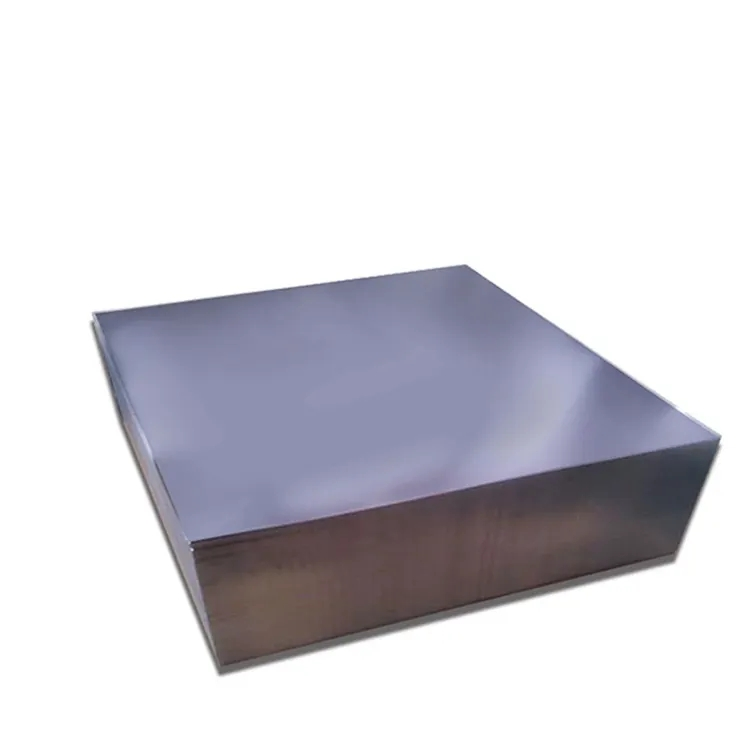
Tin plate sheet metal delivers a unique combination of properties that make it indispensable in electronics manufacturing. The material exhibits outstanding electromagnetic interference shielding capabilities, effectively protecting sensitive electronic circuits from external electromagnetic radiation that could disrupt signal integrity and device performance. Electronic equipment manufacturers utilize the deep drawing capacity of this material for shielding applications in computers, televisions, and video game systems. The tin coating provides naturally low contact resistance, minimizing signal loss in high-frequency applications and ensuring reliable electrical connections throughout the component's operational life. Additionally, tin plate sheet metal demonstrates exceptional formability characteristics, allowing manufacturers to create complex three-dimensional shapes through stamping, deep drawing, and bending operations without compromising material integrity or coating adhesion. This formability proves particularly valuable when producing electronic enclosures, battery casings, and component shields that require precise geometric configurations.
Primary Electronics Applications of Tin Plate Sheet Metal
The electronics industry leverages tin plate sheet metal across numerous critical applications, taking advantage of its versatile properties and reliable performance characteristics. Component manufacturers rely on this material to produce high-quality parts that meet stringent industry standards while maintaining cost-effectiveness in high-volume production environments.
Electromagnetic Shielding Solutions for Modern Devices
Electronic manufacturers utilize tin plate sheet metal for producing casings and shielding covers that effectively prevent electromagnetic interference, ensuring reliable operation of sensitive electronic equipment in increasingly complex electromagnetic environments. Modern consumer electronics, from smartphones to laptop computers, contain numerous high-frequency circuits operating in close proximity, creating potential for signal interference and crosstalk between components. Tin plate sheet metal shielding compartmentalizes these circuits, preventing unwanted electromagnetic coupling while maintaining lightweight construction and cost-effective manufacturing. The material's excellent formability enables production of precisely fitted shields with complex geometries, including snap-fit features and mounting tabs that facilitate efficient assembly processes. Furthermore, the tin coating ensures consistent electrical conductivity across the shield surface, providing uniform electromagnetic attenuation characteristics essential for reliable device performance.
Electronic Component Housing and Enclosure Manufacturing
Tin plate sheet metal serves as an ideal material for manufacturing durable electronic component housings that provide both physical protection and electromagnetic shielding. Manufacturers utilize this material for battery casings, small electronic enclosures, and fuse boxes, where the tin coating protects against electromagnetic interference while enabling proper bonding and soldering. The material's corrosion resistance proves particularly valuable in electronic housings exposed to varying environmental conditions, from humid indoor environments to outdoor installations subject to temperature fluctuations and moisture exposure. Component designers appreciate the material's versatility, which allows integration of multiple functional features including ventilation slots, mounting bosses, and cable entry points through standard metalworking operations. The tin coating's solderable surface facilitates attachment of ground straps, mounting hardware, and other metal components, ensuring proper electrical grounding throughout the assembly. These characteristics make tin plate sheet metal the preferred choice for transformer housings, capacitor cases, and relay enclosures across industrial and consumer electronics applications.
Printed Circuit Board Applications and Connectivity Solutions
The electronics industry extensively employs tin plate sheet metal in printed circuit board production and interconnection systems. Tin coating serves as a surface finish on printed circuit boards, addressing tin whisker concerns while supporting flexible substrate materials. This application proves critical in modern electronics where circuit board reliability directly impacts product performance and longevity. Tin plating on circuit board contact areas ensures reliable solderability during component assembly operations, creating strong mechanical bonds and excellent electrical connections between electronic components and circuit traces. The material also finds widespread use in connector manufacturing, where tin-plated contacts provide low resistance electrical interfaces capable of withstanding repeated mating cycles without significant performance degradation. Terminal blocks, edge connectors, and internal interconnection systems all benefit from tin plate sheet metal's combination of conductivity, corrosion resistance, and mechanical durability.
Key Advantages of Tin Plate Sheet Metal in Electronics
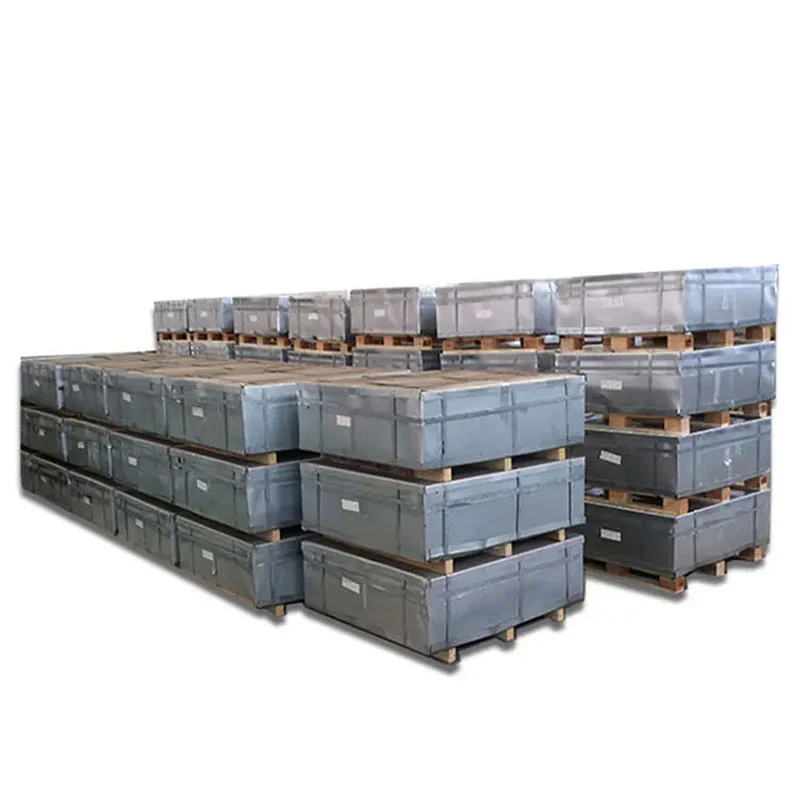
The widespread adoption of tin plate sheet metal in electronics manufacturing stems from numerous technical and economic advantages that address critical industry requirements. Understanding these benefits helps manufacturers optimize their material selection strategies and achieve superior product performance.
Superior Electrical Conductivity and Signal Integrity
Tin plate sheet metal exhibits exceptional electrical conductivity properties essential for reliable electronics operation. The pure tin coating provides naturally low electrical resistance, minimizing voltage drops across connections and reducing power dissipation in current-carrying applications. This conductivity characteristic proves particularly important in power distribution systems, ground planes, and electromagnetic shielding applications where efficient current flow maintains signal integrity and prevents electromagnetic interference. The tin surface remains stable under normal operating conditions, resisting oxidation that could increase contact resistance over time. The soft metal properties create optimal low constriction-resistance contact surfaces for conducting electrical currents effectively. This stability ensures consistent electrical performance throughout the product lifecycle, reducing warranty concerns and enhancing customer satisfaction. Furthermore, the material's conductivity supports effective electromagnetic shielding by providing continuous conductive paths that redirect electromagnetic energy away from sensitive circuits.
Outstanding Solderability for Reliable Component Assembly
Manufacturing efficiency in electronics production depends heavily on rapid, reliable soldering processes that create robust mechanical and electrical connections between components. Tin plate sheet metal delivers exceptional solderability characteristics that streamline assembly operations while ensuring joint quality and long-term reliability. The tin surface readily wets with standard lead-free and tin-lead solder alloys, forming strong metallurgical bonds at typical soldering temperatures. This property eliminates the need for aggressive flux formulations or extended heating cycles that could damage sensitive electronic components or substrates. Component leads, connector pins, and mounting tabs fabricated from tin plate sheet metal accept solder quickly and uniformly, supporting automated assembly processes and high-throughput manufacturing operations. The material maintains its solderability even after extended storage periods, reducing concerns about surface oxidation that plagues other metallic materials. Quality-conscious manufacturers appreciate how tin plate sheet metal's consistent solderability reduces defect rates and eliminates costly rework operations.
Cost-Effective Solution for High-Volume Manufacturing
Economic considerations play crucial roles in material selection decisions for electronics manufacturing, where competitive pricing and efficient production processes determine market success. Tin plate sheet metal offers compelling cost advantages that make it the preferred choice for high-volume electronic component production. The material's lower cost compared to alternative solutions like copper, nickel-plated steel, or specialty alloys directly impacts product pricing and profit margins. Raw material costs remain stable and predictable, facilitating accurate cost forecasting and budget management for large-scale manufacturing operations. Processing costs also favor tin plate sheet metal, as the material readily accepts standard metalworking operations including stamping, forming, and welding using conventional equipment without specialized tooling or processing parameters. This compatibility with existing manufacturing infrastructure eliminates capital investment requirements and reduces production setup times. The material's combination of formability and strength minimizes scrap rates during fabrication operations, further enhancing cost-effectiveness. For manufacturers balancing performance requirements against budget constraints, tin plate sheet metal delivers optimal value proposition.
Environmental Durability and Corrosion Protection
Electronic components frequently operate in challenging environmental conditions that accelerate material degradation and compromise device reliability. Tin plate sheet metal provides robust corrosion protection that extends product lifespan and maintains performance integrity across diverse operating environments. The tin coating acts as a sacrificial barrier, protecting the underlying steel substrate from moisture, atmospheric contaminants, and chemical exposure that could otherwise cause rust and structural deterioration. This protection proves essential in consumer electronics subject to varying humidity levels, temperature fluctuations, and handling-related contamination. Industrial electronics benefit similarly, particularly in applications exposed to harsh environments including automotive under-hood locations, outdoor installations, and factory floor equipment. The tin coating provides a protective shield against moisture, preventing rust and corrosion while maintaining non-reactive and non-toxic properties. The passivation treatment applied during manufacturing enhances this corrosion resistance, creating a stable surface oxide layer that resists further oxidation without compromising electrical conductivity or solderability. This environmental durability reduces maintenance requirements, extends service intervals, and lowers total cost of ownership for end users.
Selecting Quality Tin Plate Sheet Metal: Critical Specifications
Successful electronics manufacturing requires careful attention to material specifications that ensure consistent performance and reliable product quality. Understanding key specification parameters helps manufacturers source appropriate tin plate sheet metal for their specific applications.
Thickness and Coating Weight Specifications
Tin plate sheet metal specifications begin with precise control of substrate thickness and tin coating weight, parameters that directly influence material performance and application suitability. Electronics manufacturers typically specify substrate thickness ranging from 0.15 to 0.30 millimeters, selecting appropriate values based on structural requirements, formability needs, and electromagnetic shielding effectiveness. Thinner gauges support complex forming operations and minimize component weight, while heavier gauges provide enhanced mechanical strength and improved electromagnetic attenuation. Tin coating weights similarly require careful specification, with standard options ranging from equal coating (same weight on both sides) to differential coating (different weights on each surface) configurations. Common coating specifications include 2.8/2.8, 5.6/5.6, and 11.2/11.2 grams per square meter designations, where higher coating weights provide enhanced corrosion protection and improved solderability retention. Application requirements dictate appropriate coating selection: light coatings suffice for internal components with minimal environmental exposure, while heavier coatings benefit parts subject to handling, environmental stress, or extended storage periods.
Temper Grade Selection for Optimal Formability
The temper designation of tin plate sheet metal significantly impacts its formability characteristics and suitability for specific manufacturing processes. Standard temper grades range from T1 through T5, representing increasing degrees of hardness and reduced ductility. T1 temper provides maximum formability, supporting severe deep drawing operations and complex three-dimensional shapes required for intricate electronic housings and component shields. This softer temper proves ideal when manufacturing requires multiple forming stages or particularly tight bend radii that would crack harder materials. T3 and T4 tempers offer balanced properties suitable for moderate forming operations while providing improved dimensional stability and spring-back resistance. These intermediate tempers support typical electronics applications including battery cans, connector housings, and electromagnetic shields with conventional geometries. T5 temper delivers maximum strength and stiffness, appropriate for flat or minimally formed components where structural rigidity outweighs formability requirements. Proper temper selection based on specific manufacturing processes and end-use requirements ensures optimal material utilization and minimizes production complications.
Surface Finish and Quality Standards
Surface finish characteristics significantly influence tin plate sheet metal performance in electronics applications, affecting both functional properties and aesthetic appearance. Bright finish tin plate features highly reflective surface with excellent visual appeal, commonly specified for visible components where appearance contributes to product value perception. The smooth, lustrous surface also facilitates lithographic printing when decorative graphics or identification markings are required. Matte finish provides non-reflective appearance suitable for internal components where glare reduction or specific aesthetic requirements exist. Both finish types deliver equivalent functional performance regarding conductivity, solderability, and corrosion resistance. Quality standards ensure consistent material properties across production lots, with certifications including ISO 9001:2015 quality management systems, ISO 14001:2015 environmental management compliance, and industry-specific standards like IATF 16949 for automotive applications. Material testing verification confirms coating weight uniformity, adhesion strength, and surface cleanliness meeting specified requirements. Manufacturers should verify supplier certifications and request material test reports confirming compliance with applicable standards and specifications.
Shandong Three Iron-Printing & Tin-Making Co.,Ltd: Your Trusted Tin Plate Sheet Metal Partner
At Shandong Three Iron-Printing & Tin-Making Co.,Ltd, we manufacture premium tin plate sheet metal specifically engineered for demanding electronics applications. Our state-of-the-art production facility spans over 270,000 square meters in Linyi Economic and Technological Development Zone, strategically positioned near transportation infrastructure for efficient logistics and customer service. Our experienced team of more than 300 employees, including 50 management professionals and 65 specialized technical personnel, combines extensive industry knowledge with advanced manufacturing capabilities to deliver consistent quality and reliable performance. Our comprehensive production capabilities include six German production lines, six Japanese lines, four Fuji printing lines, six Taiwan lines, eight high-speed Swiss Soudronic aerosol tank production lines, and eight Italian BMV top cover stamping equipment installations. This world-class infrastructure supports annual production capacity exceeding 50,000 tons of printing iron, 600 million cans, and 2 billion easy-pull covers. Recent additions of two BMV cover stamping equipment units from Italy significantly enhanced our productivity and expanded our capability to serve growing customer demands. Our commitment to quality assurance is demonstrated through comprehensive certifications including ISO 9001:2008, ISO 14001:2004 International Environmental Management System, SGS, BPA, and CE compliance. These certifications verify our adherence to international quality standards and environmental responsibility commitments.
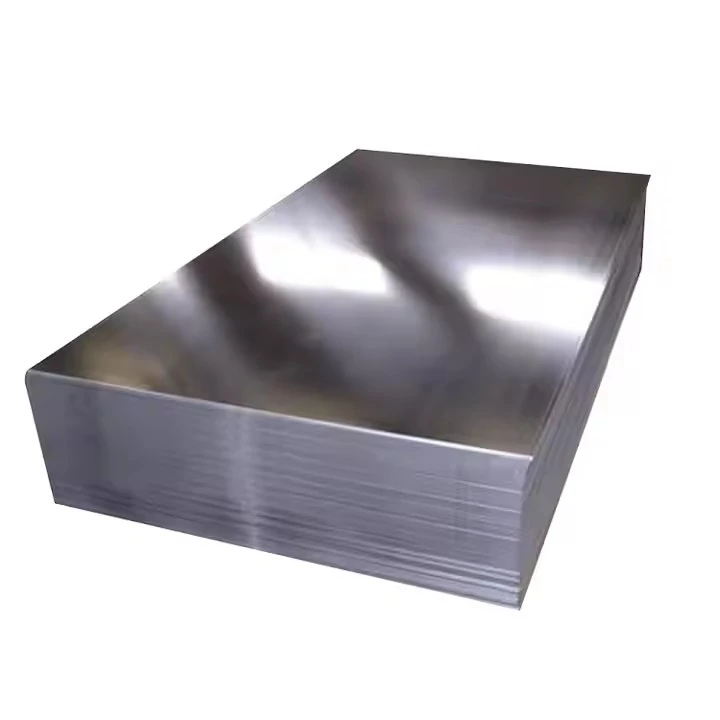
Our premium tin plate sheet metal products deliver superior performance across electronics applications, featuring thickness options from 0.15 to 0.30 millimeters, width specifications from 600 to 1000 millimeters, and customizable length configurations to match your specific requirements. Tin coating weights range from 2.8/2.8 to 11.2/11.2 grams per square meter, applied to low-carbon steel base metal through precision electrolytic plating processes. Available temper grades from T1 through T5 ensure optimal formability for your manufacturing operations. Our products showcase brilliant mirror-like finish with uniform coating distribution, supporting easy forming, welding, and printing operations essential for diverse electronics applications. Our rigorous process flow maintains consistent quality throughout production, beginning with steel sheet preparation and surface cleaning, followed by electrolytic tin plating and reflow processing. Subsequent passivation and oiling treatments enhance corrosion resistance and handling characteristics, while precision cutting and shaping operations deliver material to your exact specifications. Comprehensive quality control inspection at each production stage ensures every sheet meets our exacting standards and your performance requirements. Our dedicated research and development team continuously innovates, developing enhanced alloys and coating techniques that improve performance and sustainability.
We understand the critical importance of reliable supply chains for electronics manufacturing success. Our substantial inventory capacity ensures material availability when you need it, supporting just-in-time manufacturing strategies and minimizing production interruptions. Our flexible shipping options accommodate various logistical requirements, with careful packaging preventing transit damage and ensuring materials arrive in perfect condition. Our global export experience includes successful partnerships with customers in USA, Germany, Poland, Russia, Vietnam, Indonesia, Thailand, Mongolia, Cambodia, and other markets worldwide. Customer feedback consistently praises our product quality, on-time delivery performance, and responsive technical support services. As a leading China tin plate sheet metal manufacturer, China tin plate sheet metal supplier, and China tin plate sheet metal factory, we offer competitive China tin plate sheet metal wholesale pricing without compromising quality standards. Our tin plate sheet metal for sale provides exceptional value for electronics manufacturers seeking reliable materials at competitive tin plate sheet metal price points. We maintain our commitment to delivering high quality tin plate sheet metal that meets international standards and exceeds customer expectations. Partner with Shandong Three Iron-Printing & Tin-Making Co.,Ltd for your tin plate sheet metal requirements and experience the advantages of working with a trusted industry leader. Our mature R&D team provides exceptional technical support for material selection and application optimization. Strong financial backing ensures business stability and long-term partnership reliability. Contact our team today at info@threefoodcan.com to discuss your specific requirements, request technical specifications, or obtain quotations for your upcoming projects. We welcome the opportunity to demonstrate how our products and services can enhance your manufacturing operations and contribute to your business success.
Conclusion
Tin plate sheet metal delivers unmatched advantages for electronics manufacturing through superior electromagnetic shielding, excellent electrical conductivity, outstanding solderability, and cost-effective production capabilities. Material selection significantly impacts product performance, manufacturing efficiency, and long-term reliability across diverse electronics applications.
Cooperate with Shandong Three Iron-Printing & Tin-Making Co.,Ltd
Transform your electronics manufacturing with premium materials from a trusted industry leader. Shandong Three Iron-Printing & Tin-Making Co.,Ltd combines advanced production facilities featuring German, Japanese, Swiss, and Italian equipment with comprehensive quality certifications and global export experience. Our seamless construction ensures performance reliability, customizable specifications match your exact requirements, recyclable materials support sustainability goals, and efficient logistics enable rapid delivery. Our experienced team delivers durable, customizable, and eco-friendly tin plate sheet metal meeting international standards while elevating your product quality. Contact us at info@threefoodcan.com to request samples, discuss technical requirements, or receive competitive quotations. Save this resource for future reference and reach out whenever you need expert guidance on material selection or application optimization.
References
1. Tin Plate Materials and Applications in Modern Industry, Materials Science Research Institute, Journal of Applied Metallurgy, 2024
2. Electromagnetic Shielding Properties of Tin-Coated Steel Substrates, Electronics Materials Quarterly, International Electronics Manufacturing Association, 2023
3. Corrosion Protection Mechanisms in Electrolytic Tin Plate Systems, Corrosion Engineering Review, American Society for Materials Testing, 2024
4. Solderability and Surface Finish Requirements for Electronic Assembly, Electronic Assembly Standards Board, Technical Publication Series, 2023
5. Cost Analysis of Metallic Materials in High-Volume Electronics Manufacturing, Industrial Economics Research, Manufacturing Technology Institute, 2024
YOU MAY LIKE