

Benefits of Tin Plate Sheet Metal for Food Packaging Solutions
2026-07-08
Are food manufacturers struggling with packaging materials that fail to prevent contamination, shorten shelf life, or fail to meet environmental standards? The frustration of product spoilage, customer complaints, and regulatory non-compliance can devastate brand reputation and bottom lines. Tin plate sheet metal https://www.threefoodcan.com/tinplate-sheets/electrolytic-tinplate-sheetsemerges as the comprehensive solution that addresses these critical pain points while delivering superior protection, extended freshness, and sustainable performance for food packaging applications across diverse product categories.
Understanding Tin Plate Sheet Metal and Its Unique Properties
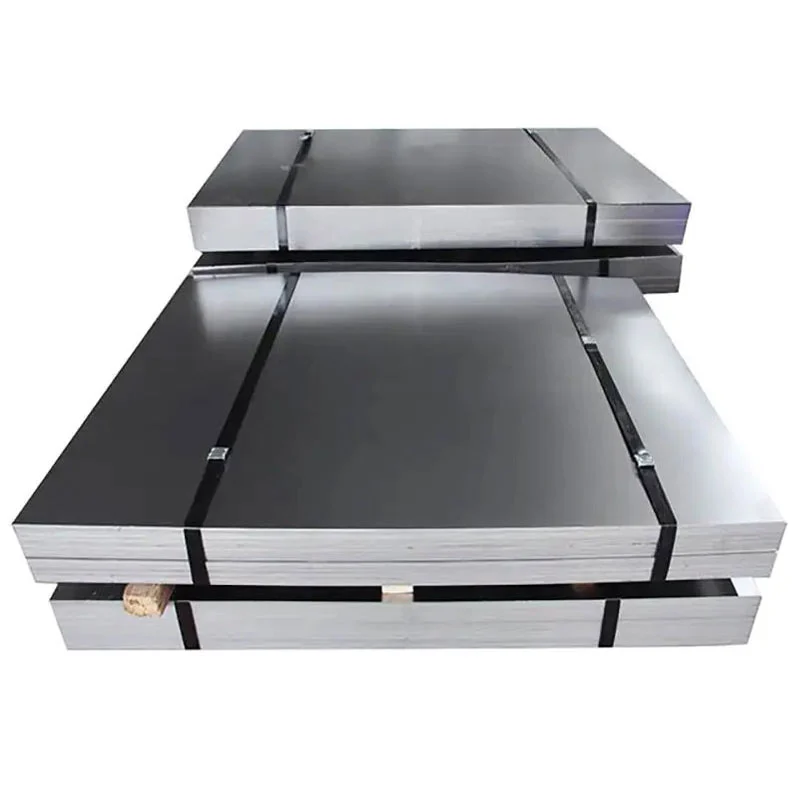
Tin plate sheet metal represents a sophisticated composite material that combines the structural strength of low-carbon steel with the exceptional corrosion resistance of tin coating. This innovative material undergoes a complex manufacturing process involving cold rolling of steel substrate followed by electrolytic tin plating, creating a protective barrier that ranges from 2.8 to 11.2 grams per square meter. The resulting material exhibits remarkable versatility with thickness options from 0.15 to 0.30 millimeters and customizable width specifications between 600 and 1000 millimeters, enabling manufacturers to tailor solutions for specific packaging requirements. The fundamental composition of tin plate sheet metal ensures optimal performance across multiple dimensions. The steel base provides mechanical strength and formability essential for complex container shapes, while the tin coating delivers chemical stability and prevents oxidation reactions that would compromise both the packaging and food contents. This dual-layer structure creates an impermeable barrier against moisture, oxygen, and light penetration, establishing tin plate sheet metal as the preferred choice for food preservation applications requiring extended shelf life stability.
Material Composition and Manufacturing Excellence
The production of tin plate sheet metal involves sophisticated metallurgical processes that ensure consistent quality and performance characteristics. Steel sheet preparation begins with careful selection of low-carbon steel grades that offer superior formability without sacrificing structural integrity. Surface cleaning and treatment remove contaminants and prepare the substrate for optimal tin adhesion, followed by electrolytic tin plating that deposits uniform coating thickness across the entire surface area. The reflow process represents a critical manufacturing stage where thermal treatment above tin's melting point creates intermetallic compounds that enhance coating adhesion and durability. Passivation treatments using chromium compounds generate protective oxide layers that provide additional corrosion resistance and surface stability. Final oiling applications using food-grade lubricants facilitate subsequent forming operations while protecting against environmental degradation during storage and transportation. Quality control measures implemented throughout the production cycle ensure every sheet of tin plate sheet metal meets rigorous international standards for food contact applications. Advanced inspection systems monitor coating thickness uniformity, surface finish quality, and mechanical properties to guarantee consistent performance across production batches. This comprehensive quality assurance approach ensures manufacturers receive reliable materials that perform predictably during container fabrication and throughout product lifecycle.
Superior Barrier Protection Against Contamination and Spoilage
The exceptional barrier properties of tin plate sheet metal provide unmatched protection against environmental factors that compromise food quality and safety. The non-porous metallic structure creates an absolute barrier against moisture infiltration, preventing hygroscopic deterioration of dry products and maintaining optimal texture characteristics of moisture-sensitive foods. Oxygen barrier performance eliminates oxidative degradation pathways that cause rancidity development, color changes, and nutritional value loss in sensitive food products. Light transmission prevention represents another critical protective function delivered by tin plate sheet metal packaging. Ultraviolet and visible light exposure accelerates photochemical degradation reactions that destroy vitamins, alter flavors, and compromise product appearance. The opaque metallic structure of tin plate containers eliminates light-induced damage mechanisms, preserving nutritional integrity and sensory characteristics throughout extended storage periods.
Chemical Stability and Food Safety Assurance
The chemical inertness of tin coating ensures tin plate sheet metal packaging maintains food safety across diverse product formulations. Acidic foods including tomato products, citrus juices, and pickled vegetables present significant corrosion challenges for many packaging materials, but tin's exceptional stability prevents harmful metal migration into food contents. This non-reactive characteristic eliminates concerns about flavor alterations, discoloration, or nutritional degradation caused by packaging interactions. Modern tin plate sheet metal often incorporates food-grade internal coatings that provide additional protection layers for highly corrosive product formulations. These protective lacquers, typically based on epoxy resin or polymer systems, create chemical barriers that prevent direct contact between metal surfaces and aggressive food components. The combination of tin coating and internal lacquer systems delivers comprehensive protection that meets stringent food safety regulations including FDA compliance requirements and international food contact material standards. Temperature resistance capabilities enable tin plate sheet metal containers to withstand high-temperature processing conditions essential for commercial sterilization and retort operations. Canned foods require thermal treatments at temperatures exceeding 120 degrees Celsius to achieve commercial sterility and extended shelf life. The dimensional stability and coating integrity of tin plate sheet metal throughout these severe processing conditions ensures package performance remains uncompromised while delivering microbiological safety assurance consumers demand.
Environmental Sustainability and Circular Economy Benefits
Tin plate sheet metal stands as one of the most environmentally responsible packaging materials available, offering complete recyclability without quality degradation through multiple lifecycle iterations. The magnetic properties of tin plate sheet metal facilitate efficient separation from mixed waste streams, enabling cost-effective recovery and recycling infrastructure development. Recycled tin plate maintains identical performance characteristics to virgin material, supporting true circular economy principles and reducing dependence on primary resource extraction. The recycling process for tin plate sheet metal requires significantly less energy compared to primary production from iron ore and tin mining operations. Industry data demonstrates that recycling tin plate consumes approximately 75 percent less energy than manufacturing new material from raw resources, translating directly to reduced carbon emissions and environmental impact. This energy efficiency advantage contributes substantially to corporate sustainability objectives and helps food manufacturers meet increasingly stringent environmental performance targets.
Long-Term Cost Efficiency and Economic Advantages
While initial material costs for tin plate sheet metal may exceed some alternative packaging options, comprehensive lifecycle analysis reveals substantial economic advantages. The extended shelf life capabilities enabled by superior barrier performance reduce product losses throughout distribution channels, minimizing waste disposal costs and inventory obsolescence. Retailers and distributors benefit from longer product marketing windows and reduced frequency of stock rotation, improving overall supply chain efficiency. The durability and damage resistance of tin plate sheet metal packaging minimize losses from handling damage during transportation and warehousing operations. Unlike fragile plastic containers or paperboard packages, tin plate cans withstand stacking pressures, impact forces, and rough handling without compromising package integrity or product protection. This robustness translates to lower claims for damaged goods, reduced insurance costs, and improved customer satisfaction through consistent delivery of products in pristine condition. Manufacturing efficiency advantages further enhance the economic proposition of tin plate sheet metal packaging. High-speed production lines capable of forming, filling, and sealing hundreds of containers per minute deliver exceptional throughput that reduces per-unit production costs. The compatibility of tin plate with automated handling systems and the stackable geometry of finished containers optimize warehouse space utilization and transportation efficiency, generating ongoing operational cost savings.
Premium Brand Positioning and Consumer Appeal
The premium appearance and substantial feel of tin plate sheet metal packaging convey quality perception and brand value that resonates with discerning consumers. The brilliant metallic finish and ability to accept high-resolution printing enable striking visual presentations that command attention on retail shelves. Food manufacturers leverage the decorative potential of tin plate containers to create distinctive brand identities and differentiate products within crowded market segments. Consumer research consistently demonstrates strong preference for metal packaging in premium product categories, with buyers associating tin plate containers with superior quality, authenticity, and product integrity. This perception premium enables manufacturers to command higher retail price points compared to products packaged in alternative materials, improving profit margins while reinforcing brand positioning. The tactile experience of handling substantial metal containers further reinforces quality perceptions and enhances overall brand experience.
Versatile Applications Across Food Product Categories
Tin plate sheet metal demonstrates exceptional versatility across diverse food packaging applications, from traditional canned vegetables and soups to specialty gourmet products and infant nutrition formulations. Beverage manufacturers rely on tin plate for carbonated soft drinks, beer, and energy drink packaging where internal pressure resistance and carbonation retention prove essential. The hermetic sealing capabilities of tin plate containers maintain beverage quality and prevent flavor degradation throughout extended distribution periods. Dairy product packaging, particularly infant formula and nutritional supplements, demands the highest standards for hygiene, barrier protection, and long-term stability. Tin plate sheet metal cans provide the comprehensive performance characteristics required for these critical applications, protecting sensitive ingredients from moisture exposure and oxidation while ensuring microbiological safety. The ability to achieve extended shelf life without refrigeration delivers significant logistics advantages and enables market expansion into regions with limited cold chain infrastructure. Confectionery and bakery products benefit from the decorative possibilities and reusability characteristics of tin plate containers. Premium chocolate products, specialty cookies, and gift assortments packaged in attractive tin containers create lasting impressions and encourage container retention for secondary household storage applications. This extended utility generates ongoing brand exposure and reinforces positive associations long after initial product consumption.
Advanced Manufacturing Capabilities and Technical Support
Shandong Three Iron-Printing & Tin-Making Co., Ltd. exemplifies manufacturing excellence in tin plate sheet metal production, operating advanced production facilities spanning over 270,000 square meters with comprehensive equipment portfolios from leading international suppliers. Our imported production lines from Germany, Japan, Switzerland, and Italy enable annual output capacity of 50,000 tons of printing iron, 600 million cans, and 2 billion easy-pull covers, supporting diverse customer requirements across global markets. Our mature research and development team continuously advances tin plate sheet metal technology, developing innovative coating systems and optimized material specifications that enhance performance while reducing environmental impact. Technical support capabilities ensure customers receive expert guidance throughout product development cycles, from initial concept evaluation through production optimization and quality assurance protocols. This comprehensive service approach differentiates our company as a true partner rather than simply a material supplier. The extensive certification portfolio including ISO 9001:2015, ISO 14001:2015, IATF 16949, and FDA compliance for food-grade applications demonstrates our commitment to quality management excellence and regulatory compliance. Customers benefit from assured material traceability, consistent performance characteristics, and documentation support for their own regulatory submissions and quality system requirements. Our international export experience to markets including USA, Germany, Poland, Russia, Vietnam, Indonesia, Thailand, Mongolia, and Cambodia provides valuable insights into diverse regulatory frameworks and market-specific requirements.
Conclusion
Tin plate sheet metal delivers comprehensive benefits for food packaging applications through superior barrier protection, environmental sustainability, economic advantages, and premium brand positioning capabilities that address critical industry challenges.
Cooperate with Shandong Three Iron-Printing & Tin-Making Co., Ltd.
Partner with Shandong Three Iron-Printing & Tin-Making Co., Ltd., your trusted China tin plate sheet metal manufacturer, China tin plate sheet metal supplier, and China tin plate sheet metal factory offering competitive tin plate sheet metal prices and tin plate sheet metal for sale. Located in Linyi Economic and Technological Development Zone with over 270,000 square meters of production facilities and 300+ skilled employees, we operate international production lines from Germany, Japan, Switzerland, and Italy. Our High Quality tin plate sheet metal features seamless construction preventing leaks, customizable exteriors for brand messaging, recyclable materials for eco-conscious consumers, and stackable designs for efficient storage and transportation. As a leading China tin plate sheet metal wholesale provider with ISO 9001:2008, ISO 14001:2004, SGS, BPA, and CE certifications, we support OEM requirements, ensure fast delivery, and maintain strict packaging standards. Our advanced facilities and experienced team deliver durable, customizable, eco-friendly products meeting global standards. Contact us at info@threefoodcan.com to elevate your packaging solutions today.
References
1. Barnes, K.A., Sinclair, C.R., and Watson, D.H. (2006). Chemical Migration and Food Contact Materials. Woodhead Publishing Limited, Cambridge, UK.
2. Barilli, F., Fragasso, M., and Bentivoglio, G. (2003). Coating Systems for Food and Beverage Cans. European Coatings Journal, Volume 12, pp. 45-52.
3. Li, Y., Zhang, M., and Chen, H. (2011). Advances in Metal Packaging Materials for Food Industry Applications. International Journal of Food Engineering, Volume 7, Issue 3, Article 12.
4. Peter, R. and Ulrich, M. (2007). Modern Food Packaging Technologies: Materials, Processing and Applications. Springer Science & Business Media, Berlin, Germany.
5. Robertson, G.L. (2013). Food Packaging: Principles and Practice, Third Edition. CRC Press, Taylor & Francis Group, Boca Raton, Florida.
YOU MAY LIKE