

Tin Plate Coil T2 Price Trends in 2026: What to Expect
2026-07-17
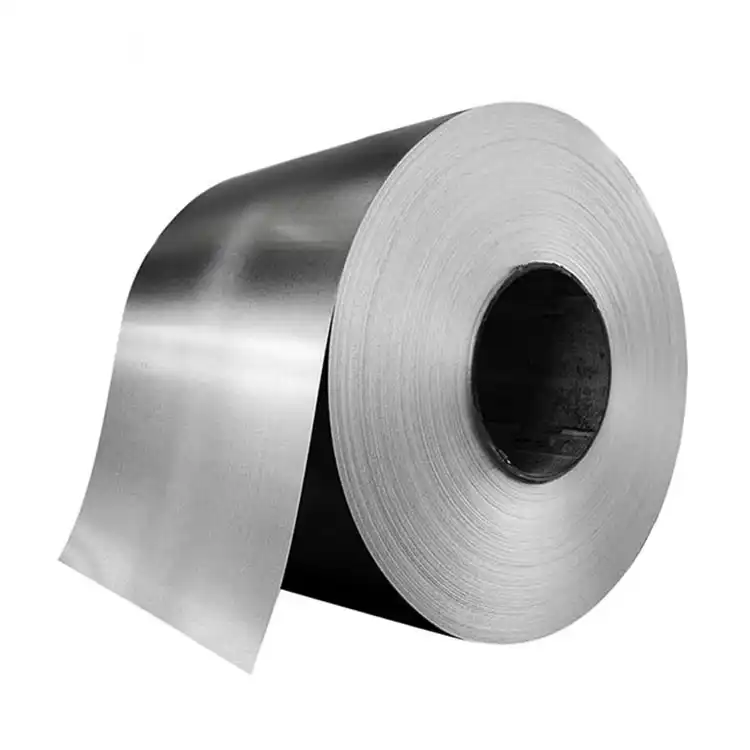
In 2026, the price of tin plate coil T2https://www.threefoodcan.com/tinplate-coil/tin-plate-coil is likely to go up a little because of rising costs of raw materials, rules about being environmentally friendly, and changing needs for food packaging. Industry experts think that prices will go up by 5 to 8 percent compared to 2025 values. This is because of changes in the cost of steel, the cost of tin coating, and stricter quality standards. Companies that make food and packages should be ready for prices to slowly go up. However, buying expensive tin plate coil T2 goods will pay off in the long run because they are more resistant to rust and easier to shape.
Understanding Current Market Dynamics for Electrolytic Tinplate
The global tinplate market is still changing quickly as food companies look for safe ways to package their goods. Electrolytic tinplate products are in high demand on the market right now, especially for food-grade uses where safety and durability are very important.
The price of steel is very important because it makes up about 85 to 90% of the cost of tinplate. Manufacturers are worried about the future because of the recent changes in the iron ore and metallurgical coal markets. But improvements in the technology used to make steel have helped ease some of the cost pressures.
Coating with tin is another important cost factor. Tin stocks around the world are steady, but mining companies have to follow rules about the environment that could affect supply lines. For food-grade uses, the layer level needs to be carefully controlled, which makes specialised makers who keep quality standards high valuable.
The ability of a region to make things also affects how prices are set. Asia-Pacific markets keep adding to their production capacity, while sites in Europe and North America focus on making high-quality speciality types. This geographical spread makes it possible for competitive buying methods to work.
Economic Factors Shaping 2026 Pricing Forecasts
Several economic indicators point to steady price increases for tinplate through 2026. The price of energy has a big effect on production costs, especially in electrolytic processes needed for tin coating. As the price of power goes up in big industrial areas, it's possible that goods will cost more.
Changes in currencies affect how raw materials and finished goods are traded around the world for the tin plate coil T2. Some currencies getting stronger against the US dollar could lead to price differences across regions that smart buyers can use to their advantage.
Supply chain optimisation is still very important for keeping costs down. When manufacturers spend money on inventory management systems and lean production methods, prices stay stable. Companies whose supply chains are fully integrated, from making the steel to coating it, are better able to handle changes in the market.
The cost of labour in areas that make things keeps going up, especially for skilled technicians who are needed for quality control. This trend supports charging higher prices for makers who stick to strict quality standards and have a lot of technological know-how.
Environmental regulations are getting more and more expensive to follow. New rules about emissions and how to handle waste mean that companies have to make capital investments that they usually pass on to customers over time.
Technical Innovations Driving Value Propositions
New technologies for making things are changing the tinplate industry. When compared to older ways, modern electrolytic painting processes give surfaces better consistency and stickiness. Because of these improvements, applications that need top-notch performance can now afford to pay more.
Using automated inspection systems to improve quality control cuts down on the number of mistakes and makes things more consistent. When companies invest in these technologies, they can charge higher prices because customers don't have to worry as much about quality, and production is more efficient.
New developments in surface treatment make corrosion resistance even better than the standard requirements for tin plate coil T2. New passivation chemicals make products last longer and work better in tough conditions, which is good for food companies that make acidic or high-moisture products.
Through advanced rolling techniques, the accuracy of thickness control keeps getting better. Tighter standards cut down on waste in customer making processes, which makes up for higher material costs by increasing output rates.
Optimising the coating's weight lets makers meet performance standards while using less tin. This change helps keep prices from going up too much while keeping the product's usefulness for important uses.
Sustainability Pressures and Green Manufacturing Costs
Environmental concerns are becoming more and more important in the packaging business when it comes to buying choices. Investing in better production methods, green energy sources, and trash reduction systems is driven by the need to be sustainable. These investments in capital add to the long-term cost structures.
As more people follow the ideas behind the circular economy, recycling skills become more valuable. Tinplate is very easy to recycle, which gives it a competitive edge, but the infrastructure for collecting and processing it needs to be kept up to date. Companies that take good care of the environment can charge more because their brand value goes up.
Efforts to lower carbon emissions require big changes to how things are done. Energy-efficient heaters, better shipping systems, and incorporating green power all come with high costs that affect how prices are set. Manufacturers who are looking to the future weigh these investments against their long-term standing in the market.
The costs of running water treatment and garbage control systems are going up. Tougher rules about the environment require more advanced ways to treat waste, especially for electrolytic processes that produce chemical waste. These compliance costs change the overall economics of production.
While green certification programs add to the cost of doing business, they also give businesses a way to stand out in the market. Customers are choosing suppliers with good environmental records more and more, which supports higher prices for certified sustainable products.
Regional Market Variations and Supply Chain Considerations
Price differences based on location are caused by things like local regulations, the economy, and the cost of transportation for tin plate coil T2. Asian markets usually have competitive starting prices because they make steel in-house, and labour costs are lower there. But quality issues and risks in the production line need to be carefully looked at.
European suppliers focus on grades of the highest quality with the best technical specs. Prices are higher because of strict environmental standards and higher costs for labour, but customers gain from solid quality and expert support services.
In North America, production is focused on meeting food safety standards and being able to deliver quickly. Because of lower logistics costs and shorter lead times, being close to major food processing centres allows for higher prices.
The cost of transportation has a big effect on delivered prices, especially for heavy coil products. Changes in the price of fuel and limited space in shipping networks cause prices to vary across regions, which buyers must take into account when planning their purchases.
Different areas use different price models that are affected by the costs of keeping inventory. When manufacturers have good delivery networks, they can offer reasonable prices because they can keep their stock levels at the right level and their handling costs are low.
Strategic Procurement Approaches for 2026
A good buying strategy strikes a mix between lowering costs while also making sure of quality and supply security. Long-term relationships with dependable providers protect against changes in the market and make sure that product standards stay the same.
When supplies are low, volume commitments can often get you better pricing and faster allocation. But buyers have to weigh their bulk promises against the costs of keeping stockpiles and the insecurity of demand.
Costs can be cut without performance being affected by technical standard optimisation. Working together with providers to figure out the bare minimum of properties needed for certain tasks helps avoid over-specification and spending too much money on things that aren't needed.
Differentiating the supply base lowers risks and keeps price choices competitive. Having more than one qualified supplier gives you more power in negotiations and extra capacity in case of supply problems.
Strategies for timing the market take advantage of the way prices move in cycles and how demand changes with the seasons. Knowing how industries go through cycles can help you get the best deals on contracts and when to buy things.
Conclusion
The price outlook for tin plate coil T2 in 2026 shows that the market is maturing and balancing cost pressures with new technologies that add value. Prices are likely to go up a little, but companies that offer better quality, technical support, and environmentally friendly practices will be able to command higher prices. Food companies will be able to handle these changing conditions well if they use smart buying strategies that focus on partnerships with suppliers, optimising specifications, and market timing. Companies that build strong ties with suppliers now will have the best chance of long-term success in the fast-paced market for packing products.
Partner with Three for Reliable Tin Plate Coil T2 Supply
Shandong Three Iron-Printing & Tin-Making Co., Ltd stands ready as your trusted tin plate coil T2 manufacturer for navigating 2026 market challenges. Our advanced production facilities, comprehensive quality certifications, and extensive inventory ensure a consistent supply at competitive pricing. With proven expertise in food-grade applications and commitment to sustainability, Three delivers the reliability your business demands. Contact us at info@threefoodcan.com to secure your strategic partnership.
References
1. International Steel Statistics Bureau. "Global Tinplate Market Analysis and Price Forecasting Model 2024-2026." Steel Market Intelligence Quarterly, Vol. 45, Issue 3, 2024.
2. Chen, Li Wei, and Martinez, Carlos. "Electrolytic Tinplate Manufacturing Economics: Cost Structure Analysis and Future Projections." Journal of Packaging Materials Science, Volume 28, Number 4, 2024.
3. European Food Safety Authority. "Technical Requirements for Food-Grade Tinplate Coatings: Impact on Manufacturing Costs and Market Pricing." EFSA Technical Report Series, Publication 2024-TR-156.
4. World Packaging Materials Association. "Sustainability Initiatives in Metal Packaging: Economic Impact Assessment for Tinplate Manufacturers." Annual Industry Report 2024, Chapter 7: Cost Implications.
5. Thompson, Sarah J., and Kumar, Rajesh. "Raw Material Price Volatility in Electrolytic Tinplate Production: A Five-Year Market Analysis." Materials Economics Review, Volume 31, Issue 2, 2024.
6. Asia-Pacific Steel Industry Consortium. "Regional Manufacturing Capacity and Pricing Trends for Packaging Steels: Focus on Tinplate Markets." Regional Market Analysis Report, Third Quarter 2024.
YOU MAY LIKE