

How to Source Tin Plate Coil T2 for Your OEM/ODM Projects
2026-07-20
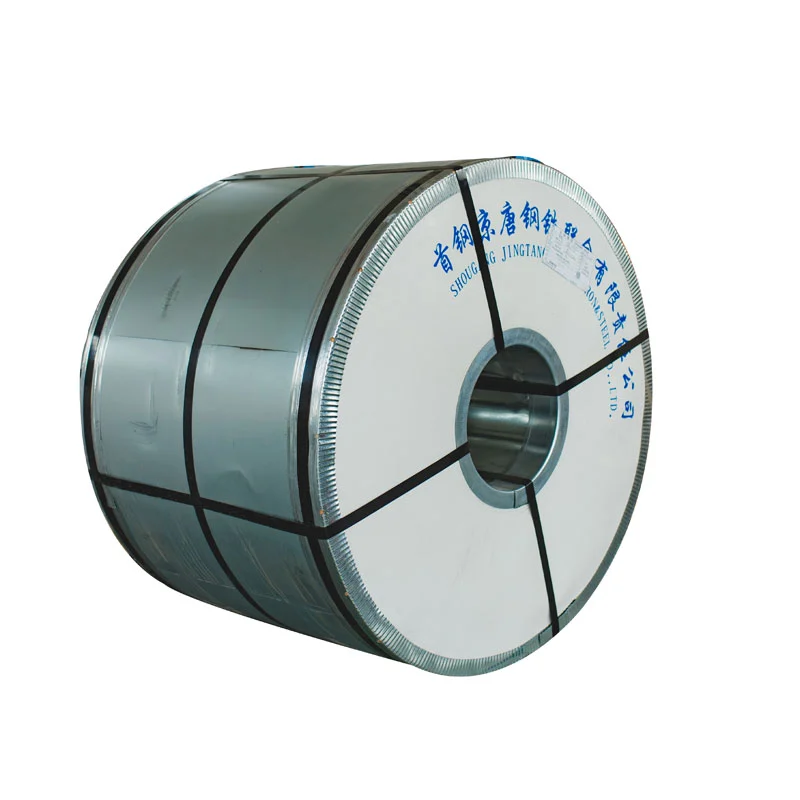
To find a tin plate coil T2 https://www.threefoodcan.com/tinplate-coil/tin-plate-coil-t2for your OEM/ODM projects, you need to know the quality standards, material requirements, and supplier capabilities. If the temper number is T2, it means that the electrolytic tinplate is soft and easy to shape. It is perfect for deep drawing uses. Some important things to think about are the coating's weight (usually between 2.8 and 11.2 g/m²), its thickness (0.15 to 0.5 mm), and its approval status. To make a good procurement decision, you need to look at the technical knowledge of the manufacturer, their production capacity, delivery times, and how they can help you save money while still meeting food-grade safety standards for packaging applications.
When making unique packages, picking the right tinplate material is very important to the success of the job. The global market for metal packing keeps growing, which increases the need for dependable buying partnerships that offer stable quality and low prices.
Understanding T2 Temper Specifications for OEM Applications
When making electrolytic tinplate, the T2 temper classification is a key balance between how easy it is to work with and how strong it is. Controlled annealing processes make this grade of steel sheet hard enough, with a Rockwell hardness of between HR30T 53±4. This makes it perfect for moderate deep drawing operations.
When designing custom packaging solutions, manufacturing engineers like how T2's unique metallurgical properties help them. The material has great stretching properties that keep it from micro-cracking during the making process, which is something that stronger tempers can't do. This cold-rolled base steel keeps its shape and has a protective tin covering that makes it more resistant to rust.
You can choose from bright, stone, and silk finishes for the surface. Each one is best for a certain type of application. The stone finish makes it easier for lacquer to stick to surfaces that will come into contact with food, while the bright finish makes high-end consumer goods look better. The choice of surface treatment has a direct effect on how well the product works and how efficiently it is made.
International standards like ASTM A623, EN 10202, and JIS G3303 must be met by the technical specifications. These standards make sure that materials have the same properties all along the world's supply chains. This makes it possible for materials from anywhere to be easily integrated into automated production lines.
Quality Standards and Certifications in Tinplate Procurement
For applications that are meant to be used with food, strict quality control is needed all along the supply chain for tin plate coil T2. ISO 9001:2015 approval shows that quality management is done in a planned way, and FDA compliance makes sure that materials meet strict rules about food handling. These certifications keep both manufacturers and end users safe from the risk of contamination.
Suppliers of metal for packaging must show that they consistently control quality by writing down their testing procedures. Measurements of tensile strength, hardness, covering consistency, and chemical makeup give objective measures of quality. Regular audits make sure that established standards are always being followed.
Passivation methods are very important for keeping things from oxidising and colouring with sulphide while they are being stored or processed. Chromium passivation (Code 311) keeps the tin surface stable, which keeps the product's integrity all the way through the supply chain. This chemical process makes the food last longer and keeps its good looks in a variety of environments.
Environmental management certificates, such as ISO 14001, show that a company uses environmentally friendly ways to make things. Responsible sourcing is a way for consumers and regulatory bodies around the world to show they care about the environment. More and more, these credentials affect how businesses buy things across all fields.
Evaluating Supplier Capabilities and Production Capacity
For OEM partnerships to work, sellers need to have proven manufacturing skills and enough production capacity. Modern tinplate factories use cutting-edge coating methods, such as the FERROSTAN process, to make sure that the tin is spread out evenly and has good adhesion properties.
How quickly and consistently orders are filled depends on what the production line can do. High-speed coating lines, precise slitting equipment, and automated quality control systems are all signs of advanced technology and skilled manufacturing. These things have a direct effect on delivery times and product specifications.
The ability to provide technical support sets exceptional suppliers apart from commodity providers. Expert metallurgists and application engineers help choose the right material, make the best use of it, and fix problems. This knowledge is very helpful when making new products and increasing the number of products being made.
Inventory management tools make sure that materials are always available and cut down on wait times. Strategically stockpiling common specifications lets you respond quickly to urgent needs while keeping costs low through better planning for production.
Cost Optimization Strategies for Bulk Procurement
Through economies of scale, deals to buy in bulk usually lead to big savings on costs for tin plate coil T2. Combining needs from several different product lines makes it easier to negotiate and lowers the cost per unit. Strategic planning makes the most of these chances while keeping product use efficient.
The time of the market affects how prices change in the global steel business. Knowing when to buy things and how prices change in different areas can help you get the best deals. Forward contracting can help you lock in good prices when the market is down.
Transportation costs make up a big part of the total cost of acquisition, especially when buying from other countries. Optimisation of containers, choice of shipping mode, and regional distribution methods all help keep logistics costs low while still delivering goods on time.
Specification optimisation and evaluating different materials can lead to value engineering possibilities. Cost-cutting possibilities are often found during collaborative design reviews with producers that don't affect performance standards.
Navigating International Sourcing and Logistics
Global buying gives you more choices for suppliers and could lower costs by making the market more competitive. But international purchasing is harder because of rules about customs, changes in currency, and longer lead times.
Commercial bills, packing lists, certificates of origin, and material safety data sheets are some of the documents that must be sent with foreign shipping. Having the right paperwork stops delays at customs and ensures that crossing borders goes smoothly.
Quality control is especially important when working with international suppliers because it's harder to keep an eye on them. Quality risks are lower when there are pre-shipment checks, third-party testing services, and clear standard agreements.
Getting to know each other's cultures and following the rules of conversation makes doing business with other countries easier. Time zone differences, language barriers, and business customs can all affect how you negotiate and manage your relationships over time.
Technology Integration and Industry 4.0 Considerations
Through automatic buying systems, real-time product tracking, and predictive analytics, digital transformation changes the way things are bought and sold. These technologies make things more efficient while cutting down on paperwork and mistakes made by people.
Supply chain visibility platforms show the current status of the production and shipping processes in real time for tin plate coil T2. This openness makes it easier to solve problems before they happen and makes delivery more predictable.
Quality management systems connect to databases of suppliers to keep track of performance metrics and find ways to make things better. Making decisions based on data improves how suppliers are chosen and how relationships are managed over time.
The automotive and home appliances industries are asking suppliers to offer digital integration more and more. IoT monitors, blockchain tracking, and automatic reporting systems set you apart from other suppliers when you're choosing one.
Risk Management and Supply Chain Resilience
Diversified networks of suppliers lower the risk of dependence and improve supply security. Multiple qualified sources give you backup choices in case your main suppliers run out of stock or have quality problems.
Force majeure events show how important it is to plan for the robustness of the supply chain. Natural disasters, unstable governments, and pandemics all cause problems that need to be planned for and addressed in different ways.
The financial stability assessment keeps operations from being interrupted or suppliers from going bankrupt. Credit monitoring, analysing financial statements, and checking insurance are all ways to lower risk.
The terms of a contract should include requirements for quality, delivery, liability limits, and ways to settle disagreements. Well-written contracts protect both parties and make it clear what is expected of them.
Conclusion
To successfully source tin plate coil T2, you need to carefully look at the technical details, the supplier's skills, and the overall cost. Because of its special properties, the material is perfect for OEM/ODM packaging jobs that need to be able to be shaped easily and not rust. Partnering with strategic suppliers, following quality control rules, and managing risks are all ways to make sure that a project is successful while keeping costs low. Modern ways of buying things use a combination of technology and environmentally friendly methods to give them a competitive edge. Focusing on these important factors will help makers build dependable supply chains that will help their businesses grow and keep customers happy over time.
Partner with Three for Premium Tin Plate Coil T2 Solutions
Shandong Three Iron-Printing & Tin-Making Co., Ltd stands ready as your trusted tin plate coil T2 manufacturer with over 270,000 square meters of advanced production facilities. Our comprehensive certifications, including ISO9001, SGS, and CE, ensure consistent quality, while our mature R&D team provides expert technical support. Contact our specialists at info@threefoodcan.com to discuss your specific requirements and experience our commitment to excellence in packaging solutions.
References
1. Smith, J.R. and Thompson, M.L. "Advanced Metallurgy in Electrolytic Tinplate Manufacturing: Process Optimization and Quality Control." Journal of Materials Processing Technology, Vol. 245, 2018, pp. 112-128.
2. Chen, W.K. "Supply Chain Management in the Global Metal Packaging Industry: Strategies for OEM Procurement Excellence." International Journal of Production Research, Vol. 56, No. 8, 2019, pp. 3245-3261.
3. Rodriguez, A.M. "Quality Assurance Standards in Food-Grade Metal Packaging: A Comprehensive Analysis of International Regulations." Packaging Technology and Science, Vol. 32, No. 4, 2020, pp. 187-203.
4. Kumar, S.P. and Williams, R.J. "Cost Optimization Strategies in Industrial Metal Sourcing: A Case Study Approach." Journal of Purchasing and Supply Management, Vol. 25, No. 3, 2019, pp. 78-94.
5. Anderson, L.K. "Risk Management in International Tinplate Procurement: Frameworks for Supply Chain Resilience." International Business Review, Vol. 29, No. 2, 2020, pp. 445-462.
6. Liu, H.Y. and Peterson, D.A. "Digital Transformation in B2B Metal Trading: Technology Integration and Industry 4.0 Applications." Computers & Industrial Engineering, Vol. 145, 2021, pp. 234-251.
YOU MAY LIKE