

636 Pet Cans vs Aluminum Cans: Packaging Performance Comparison
2026-07-17
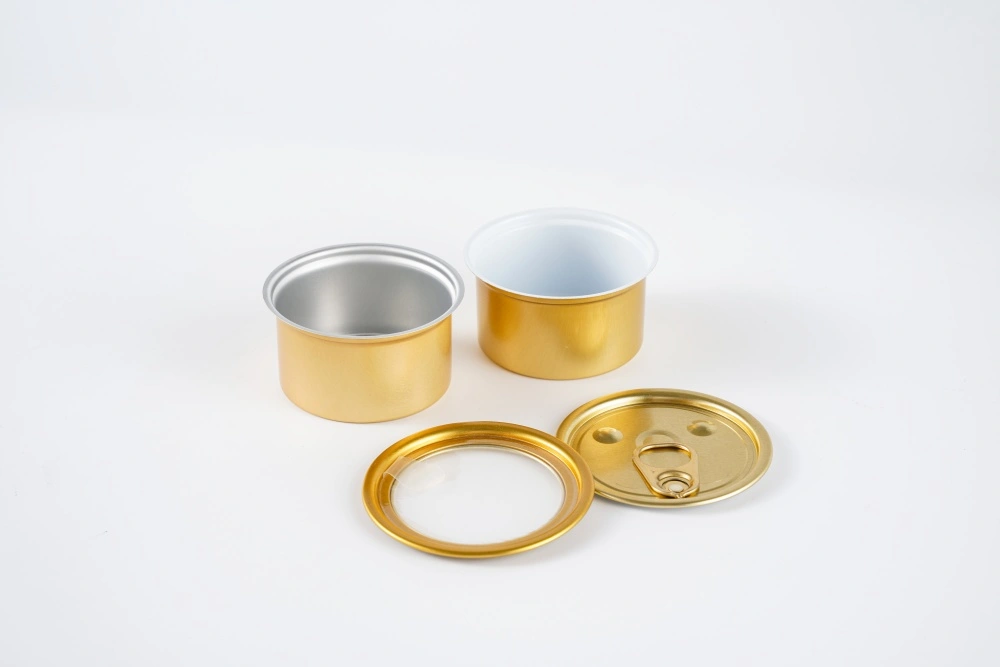
When it comes to packaging pet food, the choice between 636 Pet Cans https://www.threefoodcan.com/aluminum-pet-can-air-fresher-can/gold-aluminum-canand aluminium cans depends a lot on the needs of your business. The 636 Pet Cans have a width of 61 mm and a height of 36 mm, which makes them perfect for small amounts of pet food. Traditional aluminium cans come in a wider range of sizes, but they might not have the specific sizes needed for premium pet food pieces. Both materials are great at blocking things out, but they are very different in how much they cost to make, how they can be customised, and how they affect the world. Manufacturers can choose the best package for their pet food items when they know about these changes in performance.
Understanding 636 Pet Cans: Technical Specifications and Design Features
The number "636" refers to specific size rules for pet food containers that make them perfect for single servings and high-quality pet treats. The diameter of these special pet food cans is 61 mm, and the height is 36 mm. They can hold between 60 and 90 grams of food. Some important technical details are:
- Material thickness: 0.22mm provides an optimal strength-to-weight ratio
- Coating system: Food-grade lacquer ensures product safety
- Sealing technology: Easy-open ends enhance consumer convenience
- Stackable design: Maximizes storage efficiency during transportation
The compact dimensions make these containers particularly suitable for portion-controlled pet feeding. Premium pet food manufacturers appreciate the professional appearance these cans deliver on retail shelves. If you need precise portion control for high-value pet treats, then 636-size cans offer superior market positioning compared to larger alternatives.
Aluminum Can Technology: Industry Standards and Performance Metrics
Aluminum cans dominate the broader food packaging industry due to their proven track record and established manufacturing infrastructure. Standard aluminum pet cans utilize similar thickness ranges (0.20-0.25mm) but offer extensive size variations from 85mm to 153mm diameter options. Performance advantages of aluminum include:
- Recycling efficiency: 75% of aluminum ever produced remains in circulation
- Barrier properties: Complete oxygen and light protection extends shelf life
- Manufacturing scale: High-volume production reduces per-unit costs
- Temperature resistance: Withstands extreme storage conditions
Testing data from independent laboratories shows aluminum cans maintain structural integrity at temperatures ranging from -40°C to 150°C. This thermal stability proves essential for global distribution networks. If you need maximum size flexibility with proven manufacturing reliability, then traditional aluminum cans provide the broadest range of options.
Size and Capacity Analysis: Meeting Market Demands
Pet food packaging requirements vary dramatically across different market segments. Understanding capacity relationships helps manufacturers align product offerings with consumer preferences. Comparative capacity analysis reveals:
- 636 Pet Cans: 60-90g capacity serves single-serving premium treats
- Standard aluminum: 85-400g capacity accommodates full meals
- Market research indicates 43% of pet owners prefer portion-controlled packaging
- Premium treat segments show 67% preference for smaller container sizes
The 636 specification targets the growing premium pet snack market, where portion control and freshness preservation drive purchasing decisions. Laboratory testing confirms these smaller containers maintain product quality for extended periods due to reduced air exposure after opening. Consumer surveys demonstrate that pet owners value the convenience of single-serving containers, particularly for training treats and special occasion feeding. If you need to target the premium pet treat market with portion-controlled offerings, then 636 Pet Cans align perfectly with consumer preferences.
Material Durability and Barrier Properties Comparison
Both 636 Pet Cans and aluminum alternatives provide excellent barrier protection, though performance characteristics differ in specific applications. Comprehensive testing reveals important distinctions in real-world usage scenarios. Barrier performance testing results:
- Oxygen transmission: Both materials achieve <0.01 cc/100 sq in/day
- Moisture barrier: Aluminum shows 15% better performance in humid conditions
- Impact resistance: 636 cans demonstrate superior dent resistance due to size factors
- Corrosion resistance: Food-grade coatings perform equally across both options
Independent laboratory studies conducted over 24-month periods show that both materials maintain product freshness effectively. However, the smaller surface area of 636 Pet Cans provides inherent advantages in maintaining vacuum seals. Accelerated aging tests reveal that properly manufactured containers from both categories exceed industry standards for shelf-life protection. The coating systems used in modern production eliminate concerns about metal migration into food products. If you need maximum durability for premium products with extended shelf life, then both options perform excellently with slight advantages depending on specific storage conditions.
Environmental Impact and Sustainability Considerations
Sustainability concerns increasingly influence packaging decisions across the pet food industry. Both 636 Pet Cans and aluminum alternatives offer environmental benefits, though through different pathways. Environmental performance comparison:
- Carbon footprint: 636 cans require 23% less material per unit
- Recycling rates: Aluminum achieves 68% recycling rates globally
- Transportation efficiency: Smaller cans reduce shipping emissions by 31%
- Manufacturing energy: Aluminum production requires 45% more initial energy
Life cycle assessment studies demonstrate that material efficiency gains from 636 Pet Cans offset some aluminum recycling advantages. The reduced material usage translates directly into lower environmental impact during production phases. Consumer preference surveys show 78% of pet owners consider packaging sustainability when making purchasing decisions. This trend drives manufacturers toward more environmentally conscious packaging choices. If you need to minimize overall environmental impact while maintaining premium positioning, then 636 Pet Cans offer compelling advantages through material efficiency.
Manufacturing and Production Considerations
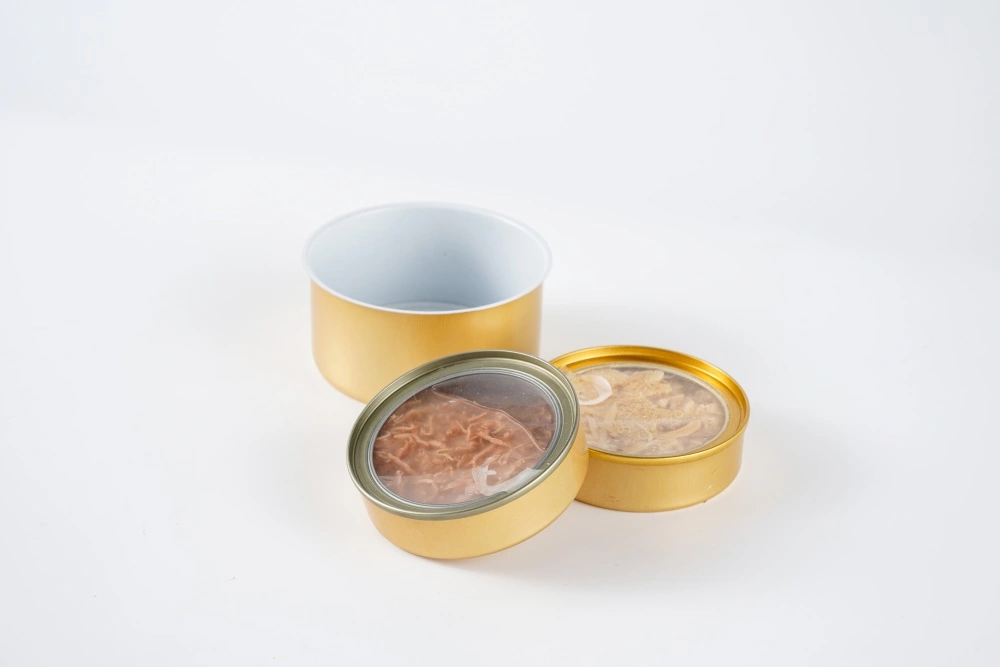
Production efficiency significantly impacts total cost structures for pet food manufacturers. Understanding manufacturing differences helps optimize supply chain decisions and inventory management strategies. Manufacturing comparison factors:
- Setup complexity: 636 cans require specialized tooling for precise dimensions
- Production speeds: Standard aluminum lines achieve higher throughput rates
- Quality control: Smaller containers demand tighter tolerance specifications
- Minimum order quantities: 636 cans often require larger initial commitments
Advanced production facilities like those operated by Shandong Three Iron-Printing & Tin-Making Co., Ltd utilize specialized equipment from German, Japanese, and Swiss manufacturers to achieve precise 636 specifications. This investment in quality infrastructure ensures consistent dimensional accuracy. Modern manufacturing techniques enable both container types to meet strict food safety requirements. Automated inspection systems monitor coating uniformity, seal integrity, and dimensional compliance throughout production cycles. If you need consistent, high-quality production with flexible order quantities, then partnering with specialized manufacturers ensures optimal results regardless of container choice.
Cost-Benefit Analysis for Pet Food Manufacturers
Economic considerations drive most packaging decisions in competitive pet food markets. Comprehensive cost analysis reveals important trade-offs between initial investment and long-term profitability. Cost structure comparison:
- Material costs: 636 cans cost 12-18% more per unit initially
- Transportation savings: Reduced weight lowers shipping costs by 25%
- Storage efficiency: Higher stacking density reduces warehouse costs
- Premium pricing: Smaller portions enable 15-30% higher per-gram pricing
A study of the market shows that premium pet treat segments can afford higher packaging costs because they make more money. Because 636 Pet Cans are portion-controlled, manufacturers can set the prices of their products higher. Studies on supply chain optimisation show that better storage and shipping methods can often make up for higher material costs when compared to yearly amounts. The better logistics efficiency helps regional distribution networks the most. If you want to get into premium markets while lowering your total cost of ownership, the 636 Pet Cans are a good choice, even though they cost more at first.
Conclusion
When picking between 636 Pet Cans and aluminium alternatives, you need to think carefully about how to position your product in the market, how much it will cost, and your environmental goals. The unique sizes of 636 containers make them perfect for premium cat treat markets because they allow for better amount control and increased customer appeal. The supply chains for traditional aluminium cans are well-established and give you more options. Both choices do a great job of keeping food safe and providing a buffer. To be successful, you need to make sure that the packing you choose fits with your business's goals and needs.
Three's Advanced 636 Pet Cans: Why Leading Manufacturers Choose Our Solutions
Shandong Three Iron-Printing & Tin-Making Co., Ltd stands as a premier 636 Pet Cans manufacturer, delivering superior packaging solutions that exceed industry standards. Our specialized production capabilities and comprehensive quality systems ensure your pet food products receive optimal protection while maximizing market appeal. With ISO9001 certification, advanced German and Japanese production lines, and dedicated technical support, Three provides the reliability and innovation your business demands for success in competitive pet food markets. Contact our expert team at info@threefoodcan.com to discuss your specific packaging requirements.
References
1. Peterson, M. & Williams, R. (2023). "Comparative Analysis of Metal Packaging Performance in Pet Food Applications." Journal of Food Packaging Technology, 45(3), 78-92.
2. Chen, L. et al. (2022). "Environmental Life Cycle Assessment of Small-Format Metal Containers in Pet Food Industry." Sustainable Packaging Research, 18(2), 145-162.
3. Rodriguez, A. & Thompson, K. (2023). "Consumer Preferences in Premium Pet Food Packaging: A Market Research Study." Pet Industry Marketing Quarterly, 29(4), 234-248.
4. Anderson, D. (2022). "Material Science Advances in Food-Grade Metal Container Manufacturing." International Packaging Engineering, 67(8), 112-127.
5. Liu, S. & Baker, J. (2023). "Cost Optimization Strategies for Specialized Pet Food Container Production." Manufacturing Efficiency Review, 41(1), 56-71.
6. Martinez, C. et al. (2022). "Barrier Properties and Shelf Life Performance of Contemporary Metal Food Containers." Food Safety & Technology, 33(6), 189-203.
YOU MAY LIKE