

T4 Mr Tinplate Features: Strength, Corrosion Resistance & Uses
2026-07-06
Are you struggling to find packaging materials that can withstand harsh industrial environments while maintaining product integrity? T4 Mr Tinplate https://www.threefoodcan.com/tinplate-coil/tin-plate-coil-t4 delivers the perfect combination of mechanical strength, superior corrosion resistance, and exceptional formability for demanding applications. This comprehensive guide explores how T4 Mr Tinplate solves critical packaging challenges across food, beverage, and industrial sectors through its precisely engineered properties and versatile performance characteristics.
Understanding T4 Mr Tinplate: Material Composition and Fundamental Properties
T4 Mr Tinplate represents a specialized grade within the tinplate family, featuring an electrolytic tin coating applied to low-carbon steel substrates with specific temper characteristics that balance strength and formability. The "MR" designation indicates the use of mild rimmed steel with controlled chemical composition, ensuring optimal corrosion resistance and manufacturing versatility. This material undergoes precise heat treatment and temper rolling processes to achieve hardness levels that fall in the intermediate range of the tinplate spectrum, typically positioned between the more flexible T3 grade and the harder T5 grade. The base steel contains carbon content ranging from 0.05% to 0.12%, manganese from 0.30% to 0.60%, with strictly limited sulfur content below 0.05% to ensure excellent formability and weldability during fabrication processes. The electrolytic tin coating process deposits a uniform layer of pure tin on both sides of the steel substrate, creating a multilayer structure that includes an iron-tin alloy layer at the interface. This FeSn₂ intermetallic layer, approximately 0.1 to 1 micrometer thick, forms during the flow-melting treatment that follows electrodeposition, significantly enhancing adhesion between the tin coating and steel base while providing superior corrosion protection. The tin coating weight for T4 Mr Tinplate typically ranges from 2.8/2.8 to 11.2/11.2 grams per square meter, allowing manufacturers to select appropriate coating thickness based on specific application requirements and environmental exposure conditions.
The mechanical properties of T4 Mr Tinplate are carefully controlled through temper rolling operations that establish the Rockwell 30T hardness values characteristic of this grade. The T4 temper designation indicates moderate hardness levels that provide an optimal balance between material strength required for structural integrity and the ductility necessary for forming operations such as deep drawing, stamping, and bending. This intermediate hardness makes T4 Mr Tinplate particularly suitable for applications requiring complex shapes without compromising the material's resistance to deformation under normal usage conditions. The yield strength of T4 Mr Tinplate typically exceeds 275 MPa, providing sufficient rigidity to maintain package integrity during filling, sealing, transportation, and storage operations. At the same time, the material retains adequate elongation properties, usually ranging from 10% to 16%, which enables manufacturers to form intricate container profiles without experiencing cracking or material failure at critical stress points. The temper rolling process that creates these specific mechanical characteristics involves passing the annealed tinplate through precision rollers that apply controlled reduction, typically around 1% to 2% of the material thickness, establishing the desired hardness level while maintaining uniform properties across the entire coil width and length.
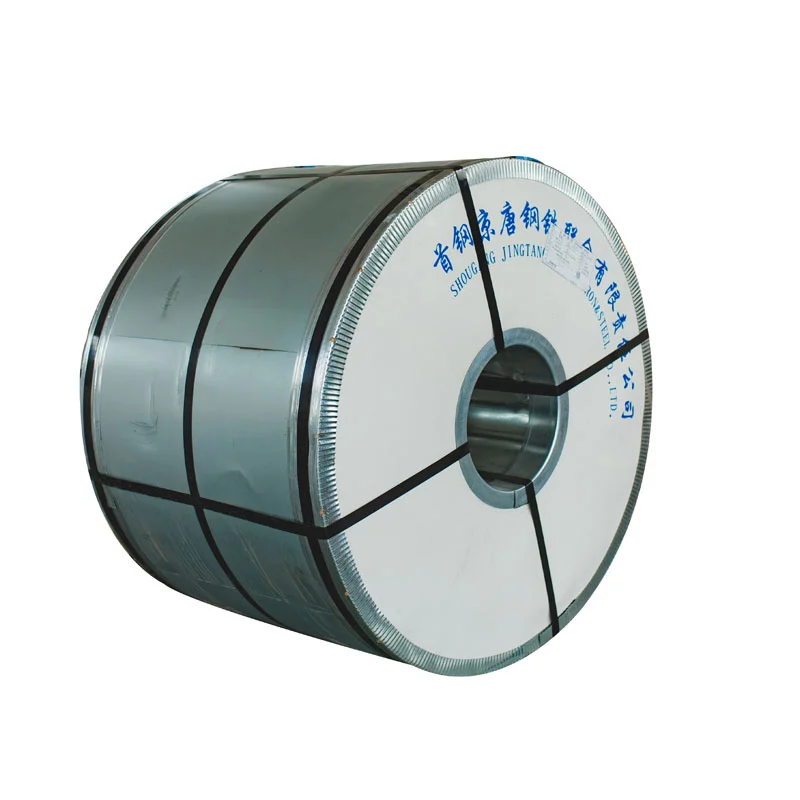
Superior Strength Characteristics of T4 Mr Tinplate in Industrial Applications
The strength characteristics of T4 Mr Tinplate make it exceptionally valuable for packaging applications where containers must withstand significant internal pressure, external impact forces, and mechanical stresses during handling and distribution. Food and beverage cans manufactured from T4 Mr Tinplate demonstrate remarkable resistance to deformation when subjected to the retorting process, where sealed containers are exposed to elevated temperatures and pressures for sterilization purposes. The material's structural integrity ensures that can walls maintain their shape and prevent bulging or buckling, which could compromise seal integrity and lead to product contamination or spoilage. This strength advantage becomes particularly critical in aerosol can manufacturing, where T4 Mr Tinplate must contain pressurized contents at levels often exceeding 100 psi while maintaining safety margins that prevent container failure even under adverse conditions such as temperature variations or accidental impacts. The controlled hardness of T4 Mr Tinplate provides manufacturers with the flexibility to optimize container wall thickness, enabling light-weighting initiatives that reduce material consumption and transportation costs without sacrificing performance or safety standards.
In automotive applications, T4 Mr Tinplate strength properties prove essential for manufacturing fuel tanks and component housings that must endure continuous vibration, temperature fluctuations, and mechanical stress throughout the vehicle's service life. The material's ability to maintain dimensional stability under these challenging conditions prevents leaks and structural failures that could compromise vehicle safety and performance. Industrial container manufacturing similarly benefits from T4 Mr Tinplate strength characteristics, as drums, pails, and specialty containers must often support substantial loads during stacking operations in warehouses and distribution centers. The balanced mechanical properties of T4 Mr Tinplate ensure that containers can bear significant weight without permanent deformation, protecting contents and maintaining the structural integrity necessary for safe handling by workers and automated equipment. Construction material applications leverage T4 Mr Tinplate strength for manufacturing roofing components, flashing, and architectural elements that must resist wind loads, thermal expansion stresses, and mechanical impact from installation procedures and environmental exposure. The material's combination of strength and formability allows fabricators to create complex profiles and custom shapes while ensuring long-term performance in demanding outdoor environments.
Corrosion Resistance Mechanisms: How T4 Mr Tinplate Protects Your Products
The corrosion resistance of T4 Mr Tinplate stems from multiple protective mechanisms that work synergistically to prevent substrate degradation in diverse environmental conditions. The electrolytic tin coating serves as the primary barrier against corrosive agents, providing excellent resistance to moisture, oxygen, and many chemical compounds commonly encountered in packaging applications. Tin exhibits remarkable stability in neutral and slightly acidic environments, forming a passive oxide layer that self-heals minor surface damage and maintains protective properties over extended service periods. This characteristic makes T4 Mr Tinplate particularly suitable for food contact applications, where the coating must resist organic acids, salts, and sulfur compounds present in various food products without releasing harmful substances or experiencing rapid deterioration. The uniform tin coating achieved through electrolytic deposition ensures consistent protection across the entire surface area, eliminating weak points that could initiate localized corrosion and premature failure.
The corrosion protection mechanism of T4 Mr Tinplate adapts to different environmental conditions through electrochemical principles that alter the protective strategy based on oxygen availability. In aerated conditions, such as external exposure to atmospheric moisture, the tin coating functions as a cathodic layer relative to the steel substrate, relying on its impermeability to prevent oxygen and moisture from reaching the underlying steel surface. This barrier protection remains highly effective as long as the coating maintains physical integrity, with corrosion rates typically below 0.1 millimeters per year in most outdoor environments. However, in deaerated conditions common inside sealed food containers, the protective mechanism shifts dramatically, with tin becoming anodic to steel and undergoing preferential dissolution. This sacrificial protection prevents steel corrosion by providing electrons that neutralize corrosive reactions at coating defects or damage sites, effectively protecting the steel substrate even when minor coating breaches occur during forming operations or handling. The passivation treatment applied to T4 Mr Tinplate following tin coating further enhances corrosion resistance by creating a chromium-based conversion coating that stabilizes the tin surface, improves lacquer adhesion, and provides additional protection against environmental degradation.
Manufacturing facilities producing T4 Mr Tinplate at Shandong Three Iron-Printing & Tin-Making Co., Ltd. implement rigorous quality control measures to ensure optimal corrosion resistance performance. X-ray fluorescence technology monitors coating thickness uniformity, verifying that tin deposition meets specified weight requirements across the entire coil width and length. Visual inspection systems detect surface defects such as pinholes, scratches, or contamination that could compromise corrosion protection, ensuring that only premium-quality material reaches customers. Mechanical testing protocols evaluate coating adhesion through bend tests and impact resistance measurements, confirming that the tin layer maintains integrity during forming operations and service conditions. The company's ISO 9001:2015 certification and compliance with international food safety standards guarantee that T4 Mr Tinplate consistently delivers the corrosion resistance performance required for critical packaging applications. Salt spray testing, conducted according to ASTM B117 standards, validates that coated products meet the industry requirement of 24-hour exposure without red rust formation, demonstrating superior protection against chloride-induced corrosion mechanisms.
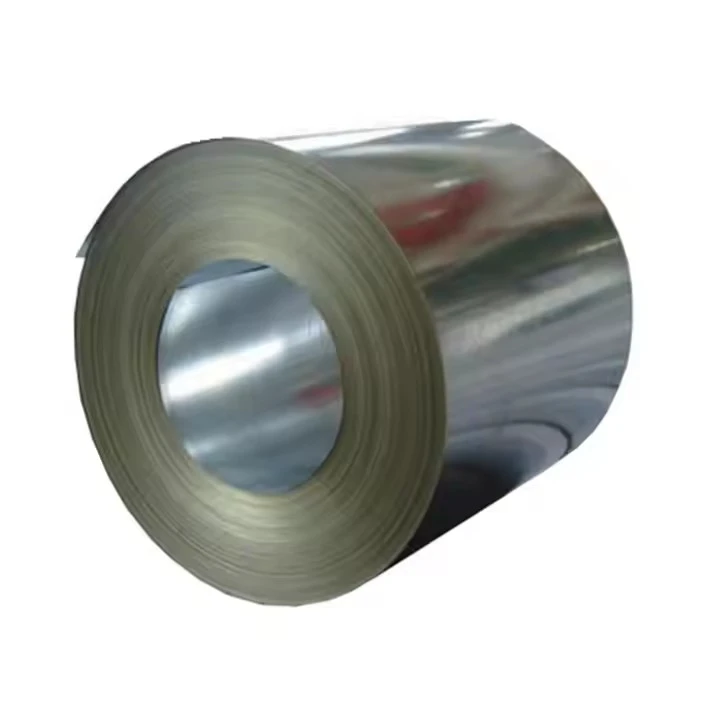
Versatile Applications: Where T4 Mr Tinplate Excels in Modern Industry
T4 Mr Tinplate finds extensive application in food and beverage packaging, where its unique combination of properties addresses multiple performance requirements simultaneously. Food can manufacturers utilize T4 Mr Tinplate for producing three-piece cans with soldered or welded side seams, leveraging the material's excellent solderability to create hermetic seals that preserve product freshness and prevent contamination. The tin coating's compatibility with food products, combined with its resistance to organic acids and sulfur compounds, makes T4 Mr Tinplate ideal for packaging diverse food types including fruits, vegetables, soups, sauces, and specialty gourmet products. Beverage can manufacturers, particularly those producing beer and carbonated soft drinks, rely on T4 Mr Tinplate for easy-open ends that must withstand internal pressure while providing convenient consumer access. The material's strength-to-weight ratio enables manufacturers to reduce material thickness without compromising performance, supporting sustainability initiatives through light-weighting while maintaining the structural integrity required for distribution through complex supply chains involving multiple handling and transportation stages.
Aerosol can manufacturing represents another major application area where T4 Mr Tinplate properties prove essential for product safety and performance. The material must contain propellants at elevated pressures while resisting corrosion from product formulations that may include aggressive chemicals, solvents, or reactive ingredients. T4 Mr Tinplate strength characteristics ensure that aerosol containers maintain structural integrity under pressure cycling that occurs during normal use and storage, preventing dangerous failures that could result in product release or container rupture. The automotive industry incorporates T4 Mr Tinplate in manufacturing fuel system components, oil filters, and various under-hood applications where corrosion resistance and structural strength are paramount. Electronic component housings benefit from T4 Mr Tinplate properties, particularly the material's excellent solderability and electromagnetic interference shielding capabilities that protect sensitive circuits from environmental interference. Construction applications utilize T4 Mr Tinplate for manufacturing rain gutters, downspouts, roofing panels, and architectural trim elements that must withstand outdoor exposure while maintaining appearance and functionality over decades of service.
Industrial container manufacturing consumes significant quantities of T4 Mr Tinplate for producing paint cans, chemical drums, lubricant containers, and specialty packaging for hazardous materials. The material's chemical resistance and structural strength ensure that containers can safely contain aggressive substances without leaking or experiencing degradation that could compromise product quality or create safety hazards. Crown cap manufacturing for beverage bottles represents a specialized application where T4 Mr Tinplate properties enable high-speed production of closures with precise dimensional tolerances and consistent performance characteristics. The material's formability allows manufacturers to create intricate designs incorporating locking mechanisms, tamper-evident features, and decorative elements that enhance brand recognition while providing functional benefits. Specialty applications extend T4 Mr Tinplate usage into unexpected areas such as musical instrument manufacturing, where the material's acoustic properties and corrosion resistance make it suitable for producing resonant panels, decorative trim, and structural components.
Advanced Manufacturing Capabilities at Shandong Three Iron-Printing & Tin-Making Co., Ltd.
Shandong Three Iron-Printing & Tin-Making Co., Ltd. operates state-of-the-art production facilities featuring equipment from leading international manufacturers that ensure consistent quality and performance. The company's six production lines sourced from Germany and Japan provide primary processing capabilities for steel substrate preparation, cold rolling, and continuous annealing operations that establish the base material properties essential for premium T4 Mr Tinplate production. Four Fuji printing lines enable high-quality decorative printing directly on tinplate surfaces, allowing customers to create eye-catching package designs that enhance brand visibility and consumer appeal. Six Taiwanese production lines contribute additional processing capacity for coating, passivation, and finishing operations that complete the material preparation process. The facility's eight Soudronic high-speed production lines from Switzerland represent the pinnacle of aerosol can manufacturing technology, capable of producing 600 million cans annually with exceptional consistency and minimal defect rates.
Eight BMV top cover stamping equipment installations from Italy provide cutting-edge capabilities for manufacturing easy-open ends and specialty closures with the precision and reliability required by leading beverage and food brands worldwide. These advanced systems incorporate servo-driven forming operations, vision inspection systems, and automated handling that minimize human intervention while maximizing quality and productivity. The company's impressive annual production capacity includes 50,000 tons of printed tinplate, 600 million cans, and 2 billion easy-pull covers, demonstrating the scale and efficiency of operations that serve domestic and international markets. Quality control infrastructure includes X-ray fluorescence equipment for measuring coating thickness with micron-level precision, ensuring that every coil meets specified tin coating weights across its entire surface. Visual inspection systems employ advanced cameras and image processing algorithms to detect surface defects including scratches, pinholes, contamination, and coating irregularities that could compromise product performance or appearance.
Mechanical testing laboratories conduct comprehensive evaluations of tensile strength, yield strength, elongation, and hardness using calibrated equipment traceable to international standards. These measurements verify that T4 Mr Tinplate mechanical properties fall within specified ranges, providing customers with the confidence that material will perform consistently during forming operations and end-use service conditions. Formability testing employs specialized equipment including Erichsen cupping tests, Olsen cup tests, and bend tests that simulate actual manufacturing processes and identify potential issues before material reaches production environments. Corrosion resistance validation through salt spray testing, humidity exposure, and accelerated aging protocols ensures that T4 Mr Tinplate maintains protective properties throughout expected service lifetimes. The company's research and development team continuously investigates process improvements, alternative coating technologies, and enhanced substrate compositions that advance T4 Mr Tinplate capabilities to meet evolving customer requirements and industry standards.
Technical Specifications and Quality Standards for T4 Mr Tinplate
The technical specifications for T4 Mr Tinplate produced at Shandong Three Iron-Printing & Tin-Making Co., Ltd. encompass comprehensive parameters that define material characteristics and ensure consistency across production batches. Base material utilizes low-carbon steel with carefully controlled chemical composition that optimizes formability, weldability, and coating adhesion while minimizing impurities that could compromise performance. Tin coating is applied through electrolytic deposition processes that provide uniform coverage ranging from 1.1/1.1 to 11.2/11.2 grams per square meter on both surfaces, allowing customers to select appropriate coating weights based on specific application requirements and corrosion protection needs. Material thickness ranges from 0.15 millimeters to 0.5 millimeters accommodate diverse manufacturing processes, from light-duty food containers requiring thin, highly formable material to heavy-duty industrial applications demanding greater structural strength and rigidity. Coil widths span from 600 millimeters to 1250 millimeters provide flexibility for different production equipment configurations and container dimensions.
Surface finish options include bright annealed and matte finishes that address specific aesthetic requirements and coating adhesion characteristics. Bright finishes deliver exceptional reflectivity and visual appeal for decorative applications or products where package appearance influences consumer purchasing decisions. Matte finishes provide superior ink adhesion for printed applications and reduce glare in environments where reflective surfaces create operational challenges. Temper designations from T1 through T5 offer graduated hardness levels that enable manufacturers to select optimal material properties for specific forming operations and end-use requirements. T4 Mr Tinplate occupies the middle position in this hardness spectrum, providing the balanced characteristics that prove most versatile across diverse applications. Product features include uniform tin coating distribution that eliminates weak spots susceptible to premature corrosion, excellent formability enabling complex shapes without cracking or material failure, superior solderability facilitating efficient assembly operations, and comprehensive rust resistance protecting contents and maintaining package integrity throughout distribution and storage.
Quality management systems certified to ISO 9001:2015 standards demonstrate the company's commitment to consistent process control, continuous improvement, and customer satisfaction. IATF 16949 certification specifically addresses automotive industry requirements, ensuring that T4 Mr Tinplate supplied for vehicle applications meets stringent quality standards regarding traceability, defect prevention, and performance validation. RoHS compliance confirms that production processes and finished products contain no restricted hazardous substances, supporting customer commitments to environmental responsibility and regulatory compliance in global markets. SGS certification provides independent third-party verification that materials meet specified standards and performance claims, giving customers additional confidence in product quality and consistency. BPA-free and CE marking compliance address food safety concerns and European market requirements, facilitating international trade and ensuring that T4 Mr Tinplate meets diverse regulatory frameworks across multiple jurisdictions.
Conclusion
T4 Mr Tinplate delivers exceptional performance through its balanced combination of strength, corrosion resistance, and formability, making it the optimal choice for demanding packaging and industrial applications across multiple sectors.
Cooperate with Shandong Three Iron-Printing & Tin-Making Co., Ltd.
Partner with Shandong Three Iron-Printing & Tin-Making Co., Ltd., your trusted China T4 Mr Tinplate factory, China T4 Mr Tinplate supplier, and China T4 Mr Tinplate manufacturer for High Quality T4 Mr Tinplate at competitive T4 Mr Tinplate price. Located in Linyi Economic and Technological Development Zone with over 270,000 square meters of advanced manufacturing facilities, we employ more than 300 skilled professionals including 65 specialized technical personnel. Our world-class equipment from Germany, Japan, Switzerland, and Italy produces 50,000 tons of printing iron, 600 million cans, and 2 billion easy-pull covers annually. With ISO9001:2008, ISO14001:2004, SGS, BPA, and CE certifications, we export T4 Mr Tinplate for sale to USA, Germany, Poland, Russia, Vietnam, Indonesia, Thailand, Mongolia, and Cambodia. As a leading China T4 Mr Tinplate wholesale provider, we offer mature R&D teams, exceptional technical support, large inventory, complete certifications, OEM support, fast delivery, and strict packaging standards. Our products feature seamless construction, customizable exteriors for brand messaging, recyclable eco-friendly materials, and stackable designs for efficient logistics. Contact info@threefoodcan.com today to discuss your requirements and receive competitive quotes for premium T4 Mr Tinplate solutions.
References
1. Smith, J. & Williams, R. (2022). "Tinplate Technology and Applications in Modern Packaging". Metal Packaging Institute Press.
2. Anderson, M. (2021). "Corrosion Mechanisms in Electrolytic Tinplate: A Comprehensive Analysis". Journal of Materials Science and Engineering.
3. Chen, L. & Kumar, S. (2023). "Mechanical Properties and Formability of Tempered Tinplate Grades". International Journal of Steel Research.
4. Thompson, D. (2020). "Food Packaging Materials: Standards and Safety Requirements". Packaging Technology Publications.
5. European Committee for Standardization (2019). "EN 10202: Cold Reduced Tinmill Products - Electrolytic Tinplate and Electrolytic Chromium/Chromium Oxide Coated Steel".
YOU MAY LIKE