

T4 Mr Tinplate: Composition, Benefits & Industrial Uses
2026-07-06
Are you struggling to find packaging materials that can withstand harsh industrial conditions while maintaining product integrity? T4 Mr Tinplate https://www.threefoodcan.com/tinplate-coil/tin-plate-coil-t4 offers the perfect solution, combining optimal hardness with superior formability to meet demanding manufacturing requirements. This comprehensive guide explores how T4 Mr Tinplate delivers unmatched performance across diverse industrial applications, from food packaging to automotive components, ensuring your products remain protected throughout their lifecycle.
Understanding T4 Mr Tinplate Composition
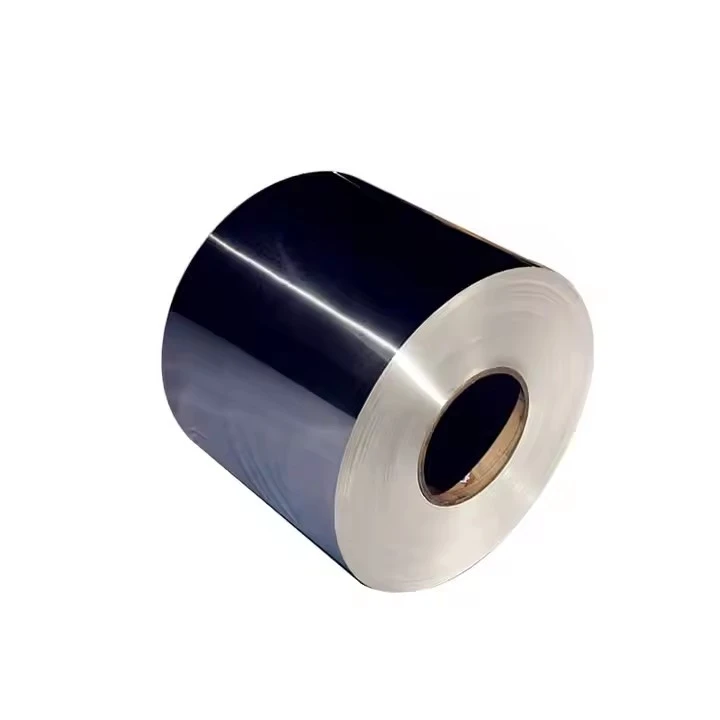
T4 Mr Tinplate represents a sophisticated engineering material that combines low-carbon steel substrate with electrolytic tin coating to create a versatile packaging solution. The designation "MR" stands for Material Regular, indicating a steel base with minimal residual elements and metalloids, which contributes to excellent corrosion resistance properties. The T4 temper classification places this material in the mid-range hardness category, offering a balanced combination of strength and formability that makes it particularly suitable for moderate drawing and forming operations. The composition begins with high-quality low-carbon steel as the foundation, which undergoes multiple processing stages to achieve the desired mechanical properties. This base material contains carefully controlled amounts of carbon, manganese, phosphorus, and sulfur, with aluminum typically added as a deoxidizing agent during steelmaking. The steel substrate provides the structural strength necessary for container applications, while maintaining sufficient ductility to withstand complex forming operations without cracking or failure.
The electrolytic tin coating applied to both surfaces of the steel sheet serves multiple critical functions in T4 Mr Tinplate performance. Through the electroplating process, a uniform layer of pure tin adheres to the steel substrate, typically ranging from 2.8 grams per square meter to 11.2 grams per square meter depending on the application requirements. This tin coating provides exceptional corrosion resistance by acting as a sacrificial barrier that protects the underlying steel from oxidation and chemical attack. The coating also delivers superior solderability, enabling efficient seam welding during can manufacturing, and creates an attractive, printable surface that accepts decorative coatings and lithographic printing with excellent adhesion. Following the tin coating application, T4 Mr Tinplate undergoes a passivation treatment that forms a thin chromium oxide film on the surface. This passivation layer enhances the material's resistance to sulfur staining, improves paint and lacquer adhesion, and stabilizes the tin surface during storage and transportation. The final processing step involves applying a light oil film that facilitates handling and fabrication while preventing surface scratches during shipping and conversion operations.
Mechanical Properties and Temper Characteristics of T4 Mr Tinplate
The T4 temper designation indicates specific mechanical properties that define T4 Mr Tinplate's performance characteristics in manufacturing applications. According to the Rockwell Hardness Test measurement system, T4 temper typically exhibits hardness values between 52 and 57 on the HR30T scale, positioning it between the softer T3 grade and the harder T5 grade. This intermediate hardness level provides manufacturers with material that can accommodate moderate deep drawing operations while maintaining adequate rigidity for structural integrity in finished containers. The mechanical properties of T4 Mr Tinplate result from carefully controlled rolling, annealing, and temper rolling processes that determine the final grain structure and work hardening characteristics of the material. T4 Mr Tinplate demonstrates excellent formability characteristics that enable efficient conversion into various container shapes and configurations. The material exhibits good elongation properties, typically ranging from fifteen to twenty-five percent depending on the specific steel composition and processing parameters. This elongation capacity allows T4 Mr Tinplate to undergo significant deformation during stamping, drawing, and forming operations without experiencing premature failure or surface defects. The balanced combination of strength and ductility makes T4 Mr Tinplate particularly well-suited for producing three-piece cans, aerosol containers, and general line packaging that requires moderate forming severity. The material's directional properties remain relatively uniform compared to double-reduced grades, providing consistent performance regardless of orientation relative to the rolling direction.
The work hardening behavior of T4 Mr Tinplate contributes to its versatility in manufacturing environments. During forming operations, the material undergoes strain hardening that increases its strength in areas subjected to deformation, enhancing the structural integrity of corners, radii, and seam areas in finished containers. This work hardening characteristic, combined with the material's initial temper properties, enables manufacturers to produce containers with optimized wall thickness distribution that maximizes material utilization while maintaining required strength specifications. The yield strength and tensile strength values of T4 Mr Tinplate provide adequate resistance to internal pressure in aerosol applications and stacking loads in food can applications, ensuring reliable performance throughout the product distribution chain.
Industrial Applications and Benefits of T4 Mr Tinplate
T4 Mr Tinplate serves as the material of choice for numerous industrial applications where its unique combination of properties delivers superior performance and cost-effectiveness. In the food and beverage packaging sector, T4 Mr Tinplate excels in producing cans for fruits, vegetables, soups, sauces, and ready-to-eat meals that require moderate processing conditions. The material's excellent solderability facilitates efficient side seam welding, while its tin coating provides the necessary corrosion resistance to protect contents from metal interaction and maintain product quality throughout extended shelf life periods. The T4 temper's formability characteristics enable manufacturers to produce containers with complex profiles, including necked-in ends and specialized body configurations that optimize material usage and enhance shelf appeal through distinctive packaging shapes. The aerosol packaging industry relies heavily on T4 Mr Tinplate for producing containers that must withstand internal pressures while maintaining dimensional stability and aesthetic appearance. The material's combination of adequate strength and good formability enables efficient production of drawn and wall-ironed aerosol cans that minimize wall thickness while maximizing internal volume. T4 Mr Tinplate's superior surface finish accepts high-quality lithographic printing and decorative coatings that create eye-catching package designs essential for consumer product marketing. The material's consistent mechanical properties ensure reliable performance during filling operations and throughout the product's service life, preventing failures that could compromise safety or product integrity.
Beyond traditional packaging applications, T4 Mr Tinplate finds extensive use in industrial containers for paints, chemicals, lubricants, and specialty products requiring durable, leak-proof packaging. The material's resistance to chemical attack and its ability to accept interior protective coatings make it suitable for containing aggressive substances that would corrode unprotected steel. The T4 temper's processing characteristics enable efficient production of various container sizes and configurations, from small paint cans to large industrial pails, providing manufacturers with flexible solutions for diverse product lines. In the construction sector, T4 Mr Tinplate serves specialized applications in roofing materials and cladding components where its corrosion resistance and aesthetic properties deliver long-term performance in exterior environments. The automotive industry utilizes T4 Mr Tinplate in specific applications where its combination of formability, weldability, and corrosion resistance provides advantages over alternative materials. Fuel system components, including certain fuel tank designs and fuel filler tubes, benefit from the material's ability to resist corrosion from gasoline and ethanol-blend fuels while maintaining structural integrity under automotive operating conditions. Electronic component housings and battery cases also employ T4 Mr Tinplate where its protective tin coating prevents oxidation and provides excellent electrical conductivity for grounding and shielding applications. The material's consistent thickness tolerances and surface quality enable efficient automated assembly processes that reduce manufacturing costs and improve production reliability.
Quality Standards and Manufacturing Excellence in T4 Mr Tinplate Production
Production of high-quality T4 Mr Tinplate requires adherence to rigorous international standards that specify material composition, coating parameters, mechanical properties, and surface quality requirements. The manufacturing process begins with careful selection of base steel chemistry that meets specifications for carbon content, manganese levels, and residual element limitations characteristic of MR-type steel. Continuous casting and hot rolling operations produce steel slabs that undergo multiple cold rolling passes to achieve the desired thickness range, typically between 0.15 millimeters and 0.50 millimeters for most T4 Mr Tinplate applications. The cold-rolled steel then receives continuous annealing treatment that recrystallizes the grain structure and produces the soft, ductile material necessary for subsequent forming operations. Following annealing, the steel receives temper rolling to achieve the specific hardness and surface finish characteristics that define T4 temper material. This controlled reduction pass, typically less than one percent thickness reduction, work hardens the material to the target hardness range while simultaneously improving flatness and surface smoothness. The tempered steel then proceeds to the electrolytic tinning line where it undergoes thorough surface cleaning and activation before entering the tin plating cells. The electroplating process deposits a uniform tin coating on both surfaces through precisely controlled current density and line speed parameters that ensure consistent coating weight distribution across the entire strip width and along the coil length.
Post-plating processing includes reflow treatment that melts the tin coating to create a bright, lustrous surface finish and ensures complete tin coverage over any minor surface irregularities in the steel substrate. The reflowed material receives chemical passivation treatment that forms the protective chromium oxide layer essential for long-term corrosion resistance and paint adhesion. Final oiling application provides temporary corrosion protection and facilitates material handling during shipping and conversion. Throughout the entire production sequence, comprehensive quality control measures monitor coating weight distribution, surface defects, mechanical properties, and dimensional accuracy to ensure every coil of T4 Mr Tinplate meets exacting specifications. Advanced inspection technologies including X-ray fluorescence coating measurement, automated optical surface inspection systems, and statistical process control methods maintain consistent product quality that enables reliable high-speed can manufacturing operations.
Conclusion
T4 Mr Tinplate delivers optimal performance through its balanced combination of formability, strength, and corrosion resistance, making it indispensable for diverse industrial applications from food packaging to automotive components.
Cooperate with Shandong Three Iron-Printing & Tin-Making Co.,Ltd.
As a leading China T4 Mr Tinplate manufacturer, China T4 Mr Tinplate supplier, and China T4 Mr Tinplate factory, Shandong Three Iron-Printing & Tin-Making Co.,Ltd offers High Quality T4 Mr Tinplate at competitive T4 Mr Tinplate price with China T4 Mr Tinplate wholesale options and T4 Mr Tinplate for sale to global markets. Located in Linyi Economic and Technological Development Zone with over 270,000 square meters of production facilities, we employ more than 300 skilled professionals including 65 technical specialists who ensure exceptional quality control. Our mature R&D team, strong financial backing, and large inventory guarantee fast delivery with strict packaging standards. We operate advanced production lines imported from Germany, Japan, Taiwan, Switzerland, and Italy, achieving annual capacity of 50,000 tons of printing iron, 600 million cans, and 2 billion easy-to-pull covers. With certifications including ISO9001:2008, ISO14001:2004, SGS, BPA, and CE, our products feature seamless construction for leak prevention, customizable exteriors for brand messaging, recyclable materials for eco-conscious consumers, and stackable design for efficient storage and transportation. We support OEM requirements and deliver durable, customizable, eco-friendly packaging solutions that meet global standards and elevate your brand presence. Our products have been exported to USA, Germany, Poland, Russia, Vietnam, Indonesia, Thailand, Mongolia, and Cambodia. Contact us today at info@threefoodcan.com for inquiries and discover how our expertise can transform your packaging needs.
References
1. International Tin Research Institute. "Tinplate and Modern Canmaking Technology." ITRI Publication Series, 2023.
2. Paine, Frank A., and Heather Y. Paine. "A Handbook of Food Packaging." Springer Science & Business Media, 2012.
3. Robertson, Gordon L. "Food Packaging: Principles and Practice." CRC Press, Taylor & Francis Group, 2016.
4. The Association of European Producers of Steel for Packaging (APEAL). "Guide to Tinplate." Technical Documentation, 2019.
5. Tata Steel Packaging. "Tinplate Product Specifications and Technical Manual." Tata Steel Europe Limited, 2021.
YOU MAY LIKE