

Sardines empty can recycling: Is It Worth Selling?
2026-09-17
Sardines empty canhttps://www.threefoodcan.com/square-can/125-ml-sardines-empty-metal-can recycling is genuinely worth exploring — both as a revenue channel and a sustainability strategy. These metal containers, typically manufactured from tinplate steel or tin-free steel (TFS), carry measurable scrap value in commodity markets. According to the Steel Recycling Institute, steel is the most recycled material in North America, with recovery rates exceeding 70%. Whether you are a food processor, distributor, or private label producer, understanding the recycling economics of your sardine tin packaging can unlock hidden value in your supply chain and support circular economy commitments.
Is Selling Sardines in Empty Cans for Recycling Profitable?
How profitable it is to sell sardine empty cans rests on a number of factors that are all linked to each other. Tinplate scrap prices around the world change with steel commodity values. In the US, prices usually range from $180 to $320 per metric ton, but they can change with taxes and changes in industrial demand. Tinplate has a lower per-unit price than aluminum cans, but food processors that make thousands of units every day make up for it in volume.
Before going into this market, buying managers should look at these main factors that affect profitability:
- Can cleanliness and contamination level: Recyclers use strict standards for scoring. Cans that still have food in them receive lower grades, which reduces payout rates and may lead to rejection at sorting sites.
- Sorting quality and material segregation: batches of mixed metal lower the value per ton. Separating tinplate sardine empty cans from aluminum or bi-metal packaging in a clean way improves the accuracy of labeling and pricing.
- Volume thresholds and logistics costs: Sellers of small amounts rarely make good profits once they account for travel costs. It is usually more than five metric tons per shipment for wholesale and industrial businesses to get the best scrap rates from qualified recyclers.
All of these things affect whether your recycling program makes you money or just covers the costs of getting rid of trash. When supply chain coordination is a top priority, organized vendor partnerships, like those set up in well-documented European circular economy pilot programs, always show a measurable return on investment.
Alternative Uses and Value-Added Opportunities for Sardines Empty Cans
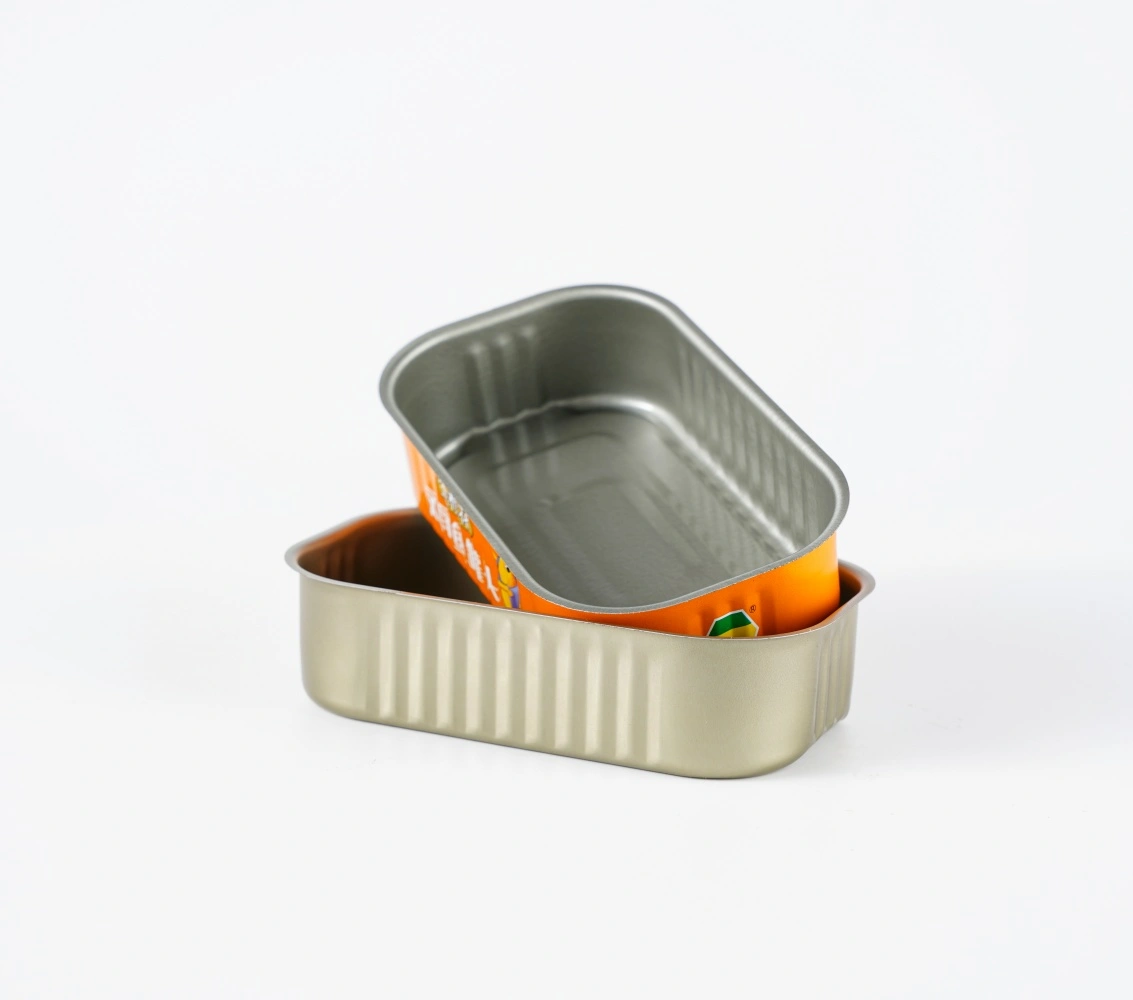
Recycling isn't the only way to get money back. A sardine's empty can has small dimensions, rigid metal walls, and a clear rim that make it suitable for artistic and commercial reuse. In the US, artisanal markets and small-batch food producers have used these tins for different things, like storing craft supplies, giving gifts, and storing spices. The 1/4 Club shape, like Three's 104.8×75.8×22mm conical tin-free steel design, has a shallower profile than normal tuna cans, making it better for reuse cases that are meant to be on show.
For business-to-business buyers, reuse programs lower the cost of buying extra packaging and improve brand placement in stores that care about the environment. Supplier scorecards and ESG reporting measures often get better for businesses that record reuse projects within formal CSR frameworks. Eco-friendly package choices, like those with ISO14001 or BPA-NI compliance paperwork, make the case for reusing even stronger in controlled markets.
Procurement Guide: Where and How to Source Sardines in Empty Cans in Bulk?
To find a lot of empty Sardine cans, you need to do more than just compare prices. In the US and Europe, procurement workers usually work with direct producers, area distributors, or business-to-business (B2B) sites for wholesale. Direct relationships with manufacturers give you the most control over customization, lead times, and prices, especially when you need to make dedicated production runs for large orders.
Most of the time, industry buyers use these factors to judge suppliers:
- Certifications and compliance documentation: For regulated food packaging markets, you need at least ISO9001 certification for quality management, food-grade coating compliance (including BPA-NI options), and ISO14001 certification for environmental management.
- Customisation capability: Reliable manufacturers offer CMYK offset printing, can place logos on products in any way you choose, and can change the sizes of items. This freedom is very important for private label makers who have to handle many SKUs.
- Production scale and inventory depth: For long-term supply deals, suppliers with yearly capacities of hundreds of millions of units and multi-line production facilities are more stable than smaller regional vendors.
These factors can successfully solve the most common problems with buying, such as inconsistent quality, late deliveries, and coatings that don't meet standards, which leave companies open to responsibility.
Risks and Best Practices in Recycling and Repurposing Sardine Empty Cans
When recycling programmes do not follow standard procedures, their industrial clients face real operational risks. The main reason why recycling batches are turned down in US sorting facilities is contamination from leftover oil or salt. In warehouses, handling dangers like sharp seam edges on empty tinplate cans means that workers need to wear the right safety gear and follow the right handling rules.
Aligning regulations is also very important. Different areas have different EPA rules on how to handle solid garbage, and different states have different recycling laws. Not following these rules can lead to legal trouble and damage to your image. Teams in charge of buying things should make sure that the recycling companies they work with have the right facility certifications and keep accurate records of the materials' movements.
Checking out suppliers makes the whole recycling process stronger. Working with certified sardine empty can manufacturers who have strict internal quality control standards, such as checking the raw materials, the coatings on the inside and outside, and the quality of the goods before they are shipped, lowers the chance of getting low-quality goods that make recycling or reusing them harder.
Conclusion
Recycling sardine empty can packaging is good for both the economy and the environment, as long as operations are well-organized, enough containers are recycled, and the quality of the suppliers is always high. Well-known networks provide the best returns for recycled tinplate when it is clean and well-sorted. Reusing and repurposing strategies help businesses that care about the environment in more ways than just the value of the waste they collect. For any scheme to buy or recycle metal seafood packaging, it is best to start by getting it from verified producers that meet international standards for food safety and the environment.
FAQ
Can empty sardine cans be recycled alongside regular metal scrap?
Yes, most metal recycle centers in the US will take tinplate Sardines empty cans. However, to keep the accuracy of the material grade, they should be handled separately from aluminium scrap. The best classification and pricing are given to clean, dry cans that don't still have any food in them.
Why are sardine tins preferred for crafting over other food cans?
The shallow, rectangular Club shape, which is popular in Sardines empty can packing, has more surface area than depth. This makes it better for display-oriented uses like storing trays, gift tins, and decorative cases than for cylindrical cans for tuna or vegetables.
Where can businesses source empty sardine tins in bulk within the US and European markets?
When it comes to price, customization, and lead time, working directly with a manufacturer is the most reliable option. Suppliers like Shandong Three Iron-Printing & Tin-Making Co., Ltd serve markets in the US and Europe with high-volume goods and output that is ISO9001-certified. If you want to buy Sardines empty cans, email info@threefoodcan.com or go to threefoodcan.com.
Are BPA-free coatings available for empty sardine cans?
Yes. As required by EU EFSA rules and California Proposition 65, reputable makers now offer BPA-NI recycling polyester-based interior lacquers for Sardines empty cans.
Partner with Three for Premium Sardines Empty Can Solutions
Three gives buying teams what they really need: quality that they can count on, customization options that are no longer, and cheap bulk prices. Our 311# Sardines empty can (104.8×75.8×22mm, TFS material, ISO9001 certified) is designed to seal tightly, be sterilized inSardines't, and work with high-speed cannery lines. We work with private label printing, offer free samples, and have long-term supply partnerships as a top sardine empty can manufacturer. You can email our team at info@threefoodcan.com or visit threefoodcan.com to see our whole collection.
References
1. American Iron and Steel Institute (AISI). Steel Recycling Fact Sheet. 2023.
2. Steel Recycling Institute. Annual Metals Recycling Report. 2022.
3. U.S. Environmental Protection Agency (EPA). Advancing Sustainable Materials Management: Facts and Figures Report. 2022.
4. European Food Safety Authority (EFSA). Assessment of BPA in Food Contact Materials. 2023.
5. Packaging Digest. Tinplate Trends and Sustainability in Food Packaging. 2023.
6. Metal Bulletin / Fastmarkets. Global Tinplate and Steel Scrap Pricing Index Report. 2023.
YOU MAY LIKE