

How to Choose the Best Empty Aluminum Pet Can for Your Brand?
2026-09-18
Choosing the right empty aluminum pet canhttps://www.threefoodcan.com/aluminum-pet-can-air-fresher-can/empty-aluminum-pet-can is one of the most consequential decisions a pet food manufacturer or private label producer will make. The packaging you select directly affects shelf life, brand perception, production line efficiency, and compliance with FDA food-safety regulations. An aluminum pet can constructed from food-grade alloy, fitted with a BPA-NI interior lacquer, and engineered for retort sterilization delivers a 100% barrier against oxygen and moisture — extending product stability to 24–36 months without refrigeration. This guide walks you through every criterion that matters, so you can procure with confidence.
Understanding the Basics of Empty Aluminum Pet Cans
What Exactly Is an Aluminium Pet Can?
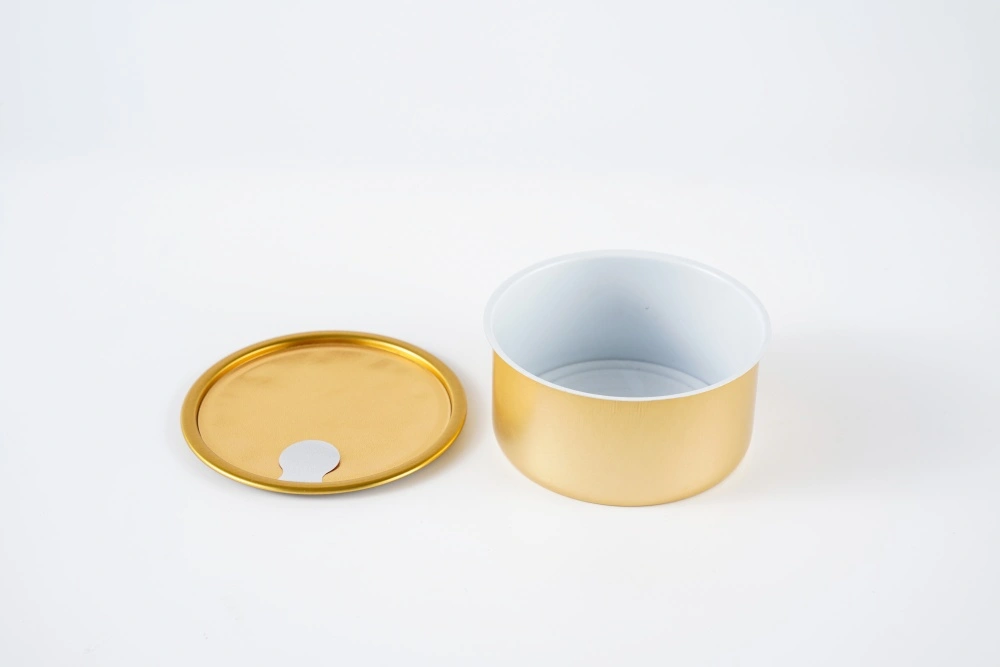
A rigid, two-piece container made especially for wet pet food, treats, dietary supplements, and specialty care items is known as an Empty Aluminum Pet Can. The cans are made by Shandong Three Iron-Printing & Tin-Making Co., Ltd. from a food-grade aluminum alloy with a wall thickness of 0.22 mm. This alloy is light enough to cut freight costs by about 40–50% compared to tinplate steel, but strong enough to withstand 121°C (250°F) sterilization cycles without paneling or seam failure.
The seamless body is made using a process called Drawn and Wall Ironed (DWI) or Drawn and Redrawn (DRD). This process gets rid of the risk of bottom-seam leakage, which is a common problem with welded steel containers. Either a regular lacquer or a white lacquer layer covers the inside. Both are FDA 21 CFR 175.300-approved for high-protein and high-fat contact.
Key Performance Advantages Worth Knowing
Aluminum is a much better thermal conductor than steel, so it cools down faster after sterilization and keeps the texture and nutritional value of sensitive meat-based formulations better. Here are the main structural benefits of this type of packaging:
- Absolute barrier properties: Aluminum completely blocks light, oxygen, and moisture, which are the three main things that make wet pet food go bad: lipid oxidation, bacterial spoilage, and wetness. This directly results in a proven shelf life of 24 to 36 months at room temperature.
- Lightweight logistics advantage: Empty Aluminum Pet Cans, with a gauge of 0.22 mm, weigh a lot less than steel containers of the same size. This lowers the cost of shipping on pallets and the amount of carbon dioxide released per unit shipped.
- Recyclability at scale: Aluminum can be recycled over and over again without losing any of its quality. According to the Aluminum Association (2023), using recycled aluminum only takes 5% of the energy needed to make new aluminum. This is a strong case for brands that care about the environment.
- Stackable geometry: The engineered bottom dome profile and reinforced sidewall make it safe to stack and unload pallets without crushing them while they are being stored in a warehouse.
These benefits take care of the three biggest problems with pet food packaging: the risk of corrosion from sulfur compounds in meat proteins, the inefficiency of shipping heavy containers, and the need for recyclable materials from customers.
Core Criteria to Consider When Choosing Aluminum Pet Cans?
Packaging Performance and Interior Coating Compatibility
The covering on the inside can't be changed. When you cook liver, fish, or meat proteins, sulfur compounds are released that react violently with bare metal, leaving behind sulfide stains and bad smells. Empty Aluminum Pet Cans made by reputable companies use polyester- or ZnO-based lacquers that catch these chemicals before they hit the metal. Ask for a WACO enamel rater test result; a number below 5–10 mA means the layer is still intact and won't rust.
Sustainability Credentials and Customisation Scope
Brands that care about the environment should make sure that their supplier's line of empty aluminium pet cans has documented claims that they can be recycled and supports custom printing on the outside. Aluminum with high-definition lithography has shelf impact that plastic pouches can't match. Easy Open Ends (EOE), resealable lids, and stamped sides are all options that help product makers make their products stand out.
Cost Structure and Minimum Order Quantities
MOQ is one of the most useful limits for buying things. Three's Empty Aluminum Pet Cans have a low minimum order quantity (MOQ), which means that new private label makers can use the style without having to commit to huge amounts of inventory. When suppliers give free samples, quality engineers can test for compatibility and seaming issues before placing a production order. This is how ISO 9001-certified businesses should act.
Comparing Aluminium Pet Cans with Other Packaging Materials
If procurement experts compare empty aluminium pet cans to other forms, they always choose aluminum in three areas: weight, barrier performance, and recycling at the end of its life.
Steel cans carry about twice as much weight per unit, which makes high-volume export shipments more expensive. While plastic trays and bags are lighter, they let air in over long periods of time, which means that most of them only last 12 to 18 months, which is much less than aluminum's 24 to 36-month standard. Glass jars keep chemicals from reacting, but they are more likely to break during shipping and reaction, and they're also heavier, which makes transport less efficient.
The way people think about metal also supports it. Nielsen study has shown over and over that North American pet owners associate aluminum cans with high-quality products and the ability to recycle, both of which are becoming more important at the point of sale.
How to Source and Procure Quality Aluminium Pet Cans?
To find a trustworthy Empty Aluminum Pet Can supplier, you need to look at four things that can be checked: certifications, technical ability, OEM flexibility, and supply chain resilience.
Shandong Three Iron-Printing & Tin-Making Co., Ltd. has a 270,000-square-meter building in the Linyi Economic and Technological Development Zone. It has 65 technical experts working there, and production lines from Germany, Japan, Switzerland, and Italy help it do its job. Every year, the company produces 600 million cans, giving B2B buyers the scale and stability they need for uninterrupted production schedules.
The company is ISO 9001 certified and has sent metal and tin boxes to the US, Germany, Poland, Russia, Vietnam, Indonesia, and other places. This shows that they are good at cross-border logistics. OEM support, unique printing on the outside, and working together to create packages are all normal services that don't cost extra.
When discussing terms, you should put shipping lead times and unit prices at the top of your list. A low price with a 90-day lead time means there is a risk of running out of stock. Large in-house inventory and fast shipping systems help reduce that risk.
Practical Tips for Using and Maintaining Aluminum Pet Cans on Your Production Line
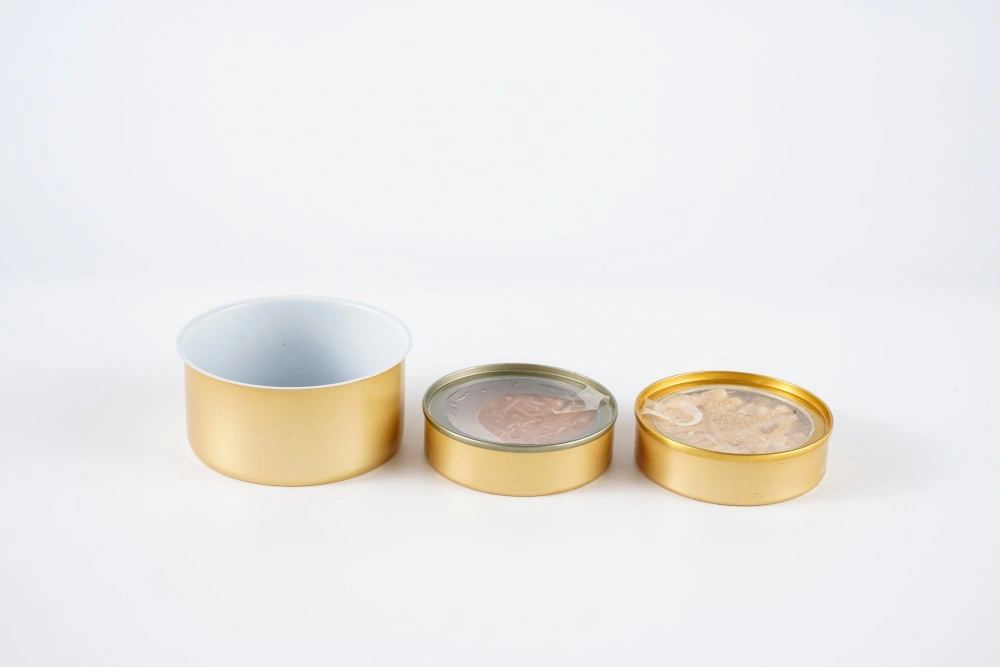
When changing a seaming line from tinplate to aluminium, the tools need to be carefully calibrated. Because aluminum is a softer metal and has a different spring-back behavior, the settings for seaming chucks, rolls, and the base plate pressure must be changed to keep the flanges from breaking or the seals from coming loose. Before the first production run, work with the tool supplier to get it back in line.
Empty Aluminum Pet Cans should be stored in low-humidity areas to protect the coating inside before being filled. Check the size of the flanges; any differences bigger than microns can hurt the double-seam overlap, which needs to be more than 50% to meet food safety standards.
In addition to regular wet food, this format works well in therapeutic veterinary diet packaging, single-serve premium cat food lines, and high-protein loaf products that are put through harsh retort cycles. Investing in good metal packaging pays off in every use, with measured shelf-life returns.
Conclusion
Choosing the right empty aluminium pet can is a smart purchase choice that affects all of these areas at the same time: production efficiency, brand value, regulatory compliance, and environmental performance. There are clear benefits to this structure over steel, plastic, and glass, especially when it comes to stability over time, lower shipping costs, and the ability to be recycled. Three's Item 209.5# Empty Aluminum Pet Can (61mm diameter × 36mm height, 0.22 mm aluminum, plain lacquer interior, ISO 9001 certified) is a well-thought-out solution backed by years of experience exporting around the world and a low minimum order quantity. Please get in touch with Three before your next production run.
FAQ
Are aluminium pet cans genuinely more eco-friendly than plastic alternatives?
Aluminium can be recycled over and over again and again, and it keeps its full quality throughout. About 95% less energy is used to make recovered aluminum than raw aluminum. Plastic trays, on the other hand, don't recycle well in city streams and can release chemicals into landfills over time.
How long does wet pet food remain stable in an aluminum can?
If the double seam overlaps more than 50% and the inner enamel passes WACO tests, the shelf life at room temperature is usually 24 to 36 months. The main reason for this stability is that aluminium completely blocks oxygen and water.
What customisation options are available for the exterior?
Three can do high-definition printing on the outside, custom labels, and simple lacquer finishes. Depending on the amount and use, Easy Open Ends and resealable lid configurations are possible.
Can I request samples before placing a bulk order?
Three gives away samples for free so that quality engineers and line workers can test seaming and make sure the products work well together before committing to large amounts.
Partner with Three for Your Aluminium Pet Can Supply
With a yearly production of 600 million cans and confirmed exports to North America and Europe, Three is a reliable empty aluminium pet can maker and provider. Our empty aluminium pet cans are ISO 9001-certified and have a low minimum order quantity (MOQ), and free samples are available. They are made for brands that care about quality, compliance, and speed. To get a price and start the buying process, email us at info@threefoodcan.com or go to threefoodcan.com right now.
References
1. Aluminium Association. Aluminum Recycling & Sustainability Report. 2023.
2. U.S. Food and Drug Administration. Indirect Food Additives: Adhesives and Components of Coatings, 21 CFR 175.300. 2022.
3. Can Manufacturers Institute. Steel vs. Aluminium: A Comparative Packaging Analysis. 2021.
4. Nielsen. North American Pet Owner Packaging Perception Survey. 2022.
5. Packaging Technology and Science. Retort Processing Effects on Aluminum Can Integrity in High-Protein Food Applications. 2020.
6. Food Packaging Forum. BPA-Free Coatings in Metal Food Packaging: Current Status and Trends. 2023.
YOU MAY LIKE