

How to Choose 400g Tin Cans for Food for OEM Brands?
2026-06-24
Selecting the right 400g Tin Cans for Food can make or break your product line's success in the competitive food packaging market. Many OEM brand managers struggle with balancing cost-efficiency, food safety compliance, and maintaining product freshness during long distribution cycles. Without proper can selection, you risk product spoilage, failed regulatory inspections, and damaged brand reputation. This comprehensive guide walks you through the essential factors for choosing reliable 400g Tin Cans for Food that protect your products while enhancing your brand's market position.
Understanding Material Specifications for 400g Tin Cans for Food
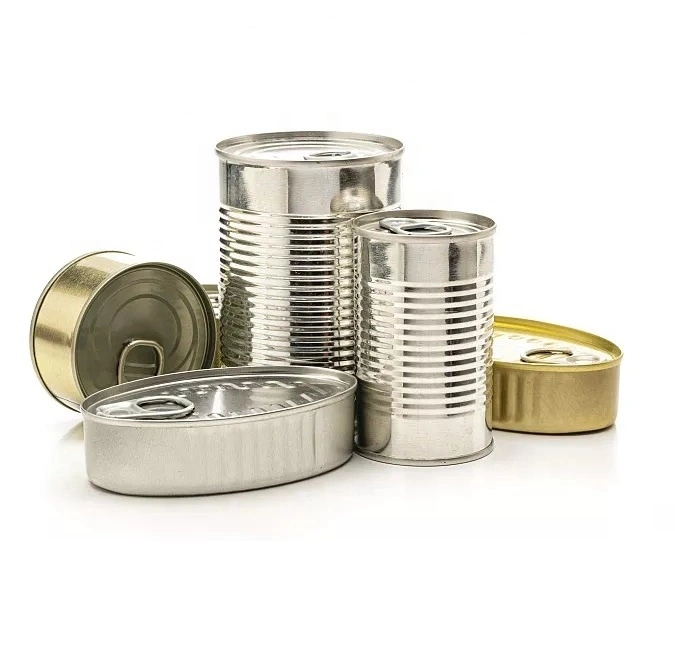
When choosing 400g Tin Cans for Food for your OEM brand, the material specification forms the foundation of product safety and longevity. The most common materials used in food-grade tin can manufacturing include tinplate steel and tin-free steel, commonly known as TFS. Tinplate consists of a thin sheet of steel coated with tin, offering exceptional corrosion resistance and a non-reactive surface that prevents metallic taste transfer to food products. Modern 400g Tin Cans for Food typically use material thickness ranging from 0.18mm to 0.22mm, providing the optimal balance between durability and cost-effectiveness for medium-capacity food packaging applications. The material thickness you choose directly impacts the can's ability to withstand the rigors of filling, sealing, thermal processing, and transportation. For OEM brands packaging products that undergo retort sterilization processes such as canned vegetables, meats, or ready-to-eat meals, a slightly thicker gauge material ensures the structural integrity remains intact under high-temperature and high-pressure conditions. The TFS material option has gained popularity among manufacturers seeking to reduce costs while maintaining food safety standards, as it eliminates the tin coating layer while providing comparable corrosion resistance through advanced coating technologies. Understanding these material nuances helps OEM brands make informed decisions that align with both their product requirements and budget constraints.
Evaluating Coating Technologies and Food Safety Standards
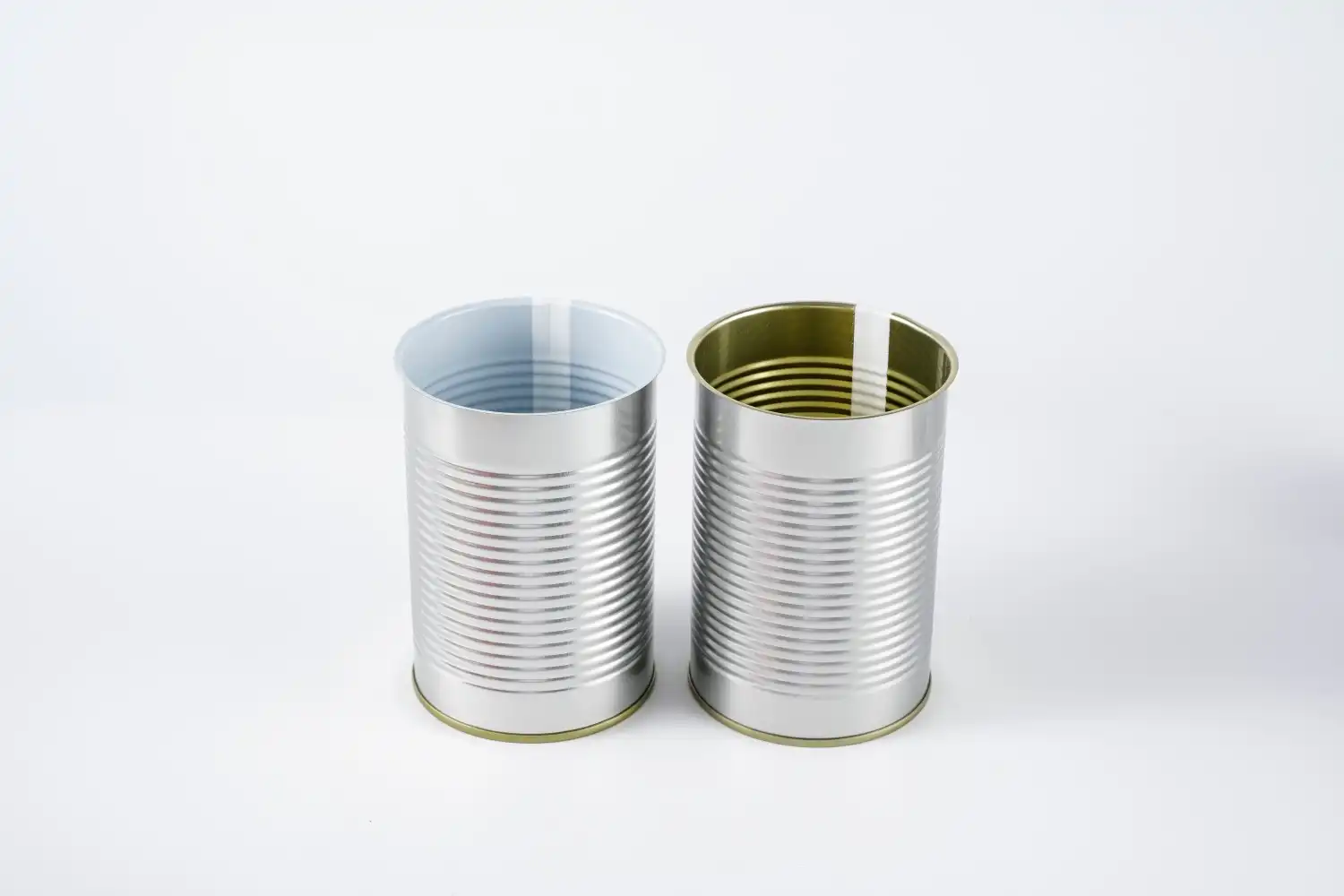
The interior coating of 400g Tin Cans for Food represents one of the most critical selection factors for OEM brands committed to food safety and quality preservation. Traditional epoxy-based coatings have been widely used for decades, but growing consumer awareness about BPA (bisphenol A) exposure has driven manufacturers toward BPA-free coating alternatives. Modern 400g Tin Cans for Food now feature advanced coating formulations such as golden and aluminum coatings available in both single and double coating applications, each designed to accommodate different food types and pH levels while ensuring complete protection against metal leaching and flavor contamination. When selecting coatings for your 400g Tin Cans for Food, consider the specific characteristics of your product. Acidic foods such as tomato-based sauces, fruits, and pickled vegetables require specialized acid-resistant coatings that prevent the food's acidity from degrading the can's interior surface over time. Protein-rich products like meat and seafood benefit from sulfur-resistant coatings that prevent discoloration caused by natural sulfur compounds in these foods. The double coating option provides enhanced protection for products with extended shelf life requirements or those exposed to particularly challenging storage conditions. OEM brands should work closely with manufacturers like Shandong Three Iron-Printing & Tin-Making Co., Ltd., who possess the technical expertise to recommend appropriate coating systems based on comprehensive product testing and compliance with international food safety standards including FDA approval, ISO 9001:2015 certification, HACCP certification, and BRC Global Standard for Packaging Materials.
Dimensional Accuracy and Customization Options
Precision in dimensional specifications distinguishes professional-grade 400g Tin Cans for Food from generic alternatives in the marketplace. The standard 400g capacity tin can features specific diameter and height measurements that must align perfectly with automated filling and sealing equipment to ensure production efficiency. Common dimensional specifications for 400g Tin Cans for Food include diameters of 72.9mm and heights ranging from 104mm, 106mm, 110mm, 113mm, to 116mm, allowing OEM brands to select the proportions that best suit their product characteristics and label design requirements. The ability to customize dimensions offers OEM brands significant competitive advantages in product differentiation and shelf presence. Taller, narrower cans create a premium visual impression suitable for specialty food products, while shorter, wider configurations maximize label space for detailed product information and eye-catching graphics. Beyond basic dimensional customization, 400g Tin Cans for Food can be tailored with various can-end options including standard three-piece construction with separate lids and bottoms, or more economical two-piece drawn configurations where the body and bottom form a single piece. The choice between round, square, or rectangular shapes further expands customization possibilities, though round cans remain the most cost-effective option due to simpler manufacturing processes and compatibility with standard production equipment. Working with experienced manufacturers ensures that dimensional customization maintains structural integrity, seal reliability, and compatibility with downstream filling operations.
Printing Capabilities and Branding Opportunities
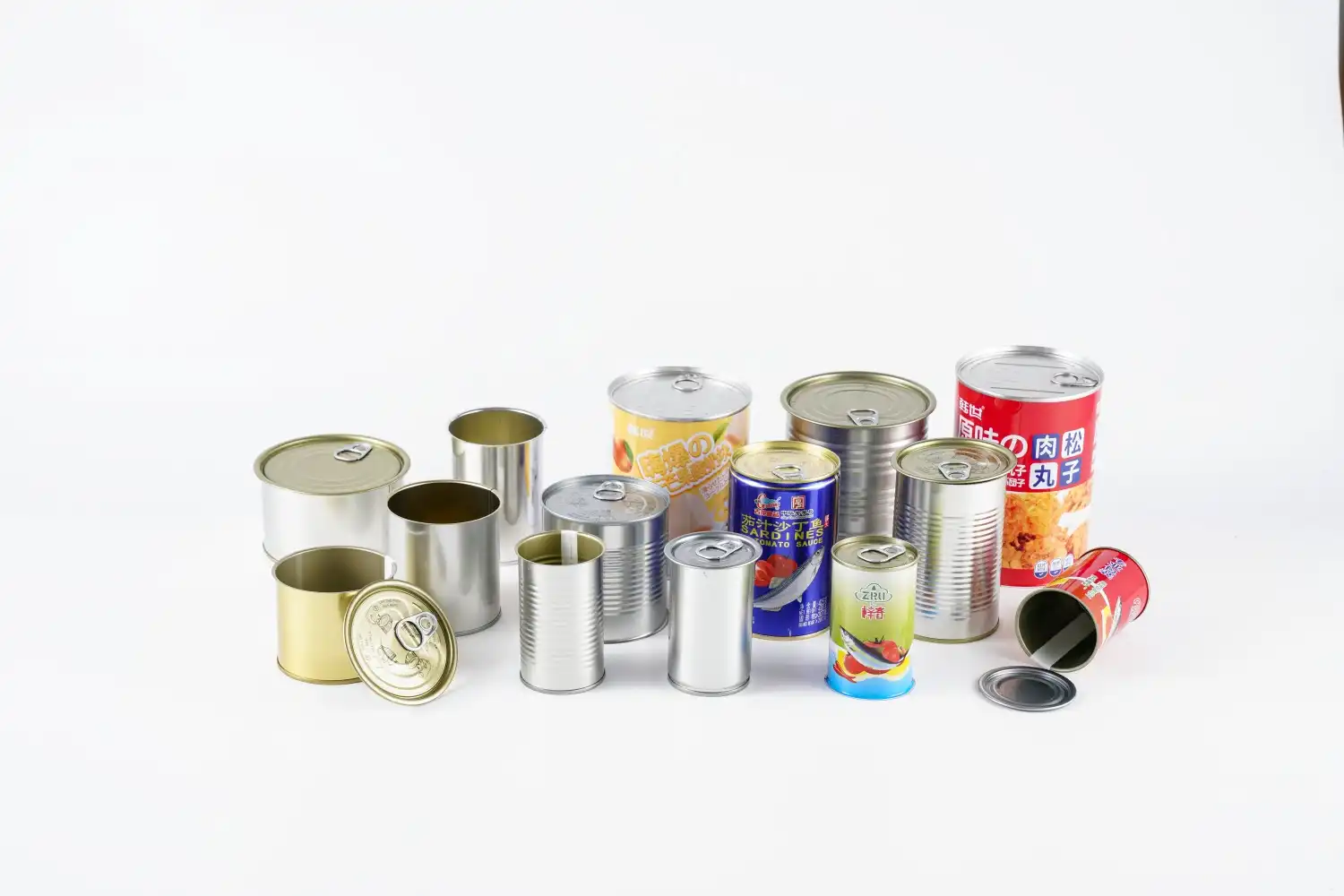
Visual appeal plays an indispensable role in consumer purchasing decisions, making printing quality a crucial consideration when selecting 400g Tin Cans for Food for OEM applications. Modern offset printing technology enables manufacturers to apply vibrant, high-resolution graphics directly onto the can exterior using CMYK printing processes that deliver exceptional color accuracy and consistency across large production runs. The smooth, cylindrical surface of 400g Tin Cans for Food provides an ideal canvas for 360-degree branding that captures consumer attention on crowded retail shelves and communicates brand values through sophisticated design elements. OEM brands should evaluate potential suppliers based on their lithographic printing capabilities, color management systems, and ability to reproduce complex designs with fine details and gradients. Advanced printing facilities equipped with German, Japanese, or Taiwanese offset printing lines, such as those operated by Shandong Three Iron-Printing & Tin-Making Co., Ltd., deliver superior print quality with precise registration and color consistency that maintains brand integrity across millions of cans. Beyond basic four-color process printing, premium customization options include specialty finishes such as matte or gloss varnishes, tactile textures, metallic inks, and embossed or debossed elements that create multi-sensory brand experiences. These enhanced printing capabilities enable OEM brands to differentiate their products in competitive markets, communicate premium positioning, and create collectible packaging that extends brand engagement beyond the initial purchase. The investment in high-quality printing transforms 400g Tin Cans for Food from mere functional containers into powerful marketing assets that drive brand recognition and customer loyalty.
Production Capacity and Supply Chain Reliability
For OEM brands scaling their operations or launching new product lines, the manufacturer's production capacity and supply chain reliability represent critical selection factors that directly impact business continuity and market responsiveness. Evaluating potential suppliers requires thorough assessment of their manufacturing infrastructure, including the number and sophistication of production lines, annual output capabilities, and inventory management systems. Established manufacturers with substantial production capacity, such as facilities producing 50,000 tons of printing iron, 600 million cans, and 2 billion easy-pull covers annually, demonstrate the scale necessary to support growing OEM brands without compromising delivery schedules or product quality. Beyond raw production numbers, OEM brands must evaluate the manufacturer's equipment quality and technological advancement. Suppliers investing in state-of-the-art machinery from renowned manufacturers in Germany, Japan, Switzerland, and Italy signal commitment to quality, efficiency, and continuous improvement. Advanced high-speed aerosol tank production lines and precision cover stamping equipment ensure consistent product quality, reduced defect rates, and the flexibility to accommodate various can specifications within the same production facility. Additionally, manufacturers maintaining large raw material and finished goods inventories provide crucial buffer capacity that protects OEM brands against supply chain disruptions, seasonal demand fluctuations, and urgent order requirements. The geographic location of manufacturing facilities also influences supply chain efficiency, with well-positioned factories near transportation hubs reducing logistics costs and delivery times. OEM brands should seek manufacturing partners who demonstrate proven track records of on-time delivery, quality consistency, and responsive customer support that facilitates seamless collaboration throughout the product development and production lifecycle.
Quality Control Processes and Certification Standards
Rigorous quality control systems separate reputable manufacturers of 400g Tin Cans for Food from suppliers offering substandard products that may compromise food safety and brand reputation. Comprehensive quality assurance programs begin with incoming raw material inspection, ensuring that tinplate or TFS materials meet specified thickness tolerances, coating integrity standards, and mechanical property requirements before entering production. Throughout the manufacturing process, multiple quality checkpoints verify dimensional accuracy, seam quality, coating adhesion, and visual appearance, identifying and eliminating defects before they reach customers. OEM brands should prioritize manufacturers holding internationally recognized certifications that validate their quality management systems and food safety protocols. Essential certifications for 400g Tin Cans for Food suppliers include ISO 9001 for quality management systems, ISO 14001 for environmental management, and food safety-specific standards such as HACCP, BRC Global Standard for Packaging Materials, and FDA approval for food contact materials. These certifications demonstrate that manufacturers have implemented systematic approaches to quality control, continuous improvement, and regulatory compliance that protect OEM brands from costly recalls, regulatory penalties, and reputational damage. Advanced manufacturers operate dedicated Research and Development teams that conduct ongoing product testing, material innovation, and performance optimization to enhance the functionality and sustainability of 400g Tin Cans for Food. This commitment to quality and innovation ensures that OEM brands receive packaging solutions that meet current regulatory requirements while anticipating future industry trends and consumer expectations.
Cost Considerations and Minimum Order Quantities
Financial considerations play a decisive role in selecting 400g Tin Cans for Food suppliers, requiring OEM brands to balance unit costs against quality, customization, and service levels. Tin can pricing varies significantly based on material specifications, coating technologies, printing complexity, and order volumes, with typical ranges for standard 400g food cans spanning from twenty to sixty cents per unit. Understanding these cost drivers enables OEM brands to optimize their packaging investments through strategic decision-making regarding material selection, printing specifications, and order quantities that align with budget constraints and market positioning. Minimum order quantities represent another crucial financial consideration that impacts inventory management, cash flow, and supply chain flexibility. Standard MOQs for custom-printed 400g Tin Cans for Food typically range from 5,000 to 10,000 units for round cans, though some manufacturers may require higher volumes for specialty shapes or complex printing requirements. OEM brands launching new products or testing market response may find these minimums challenging, making it essential to identify suppliers offering flexible ordering options, stock programs for standard designs, or willingness to accommodate smaller initial orders with premium pricing. Negotiating favorable payment terms, volume-based pricing structures, and annual supply agreements can yield significant cost savings while ensuring consistent supply availability. Additionally, considering total landed costs including shipping, customs duties for international suppliers, and inventory carrying costs provides more accurate financial analysis than focusing solely on unit prices. Strategic supplier selection based on comprehensive cost-benefit analysis rather than lowest unit price typically delivers superior long-term value through reduced quality issues, supply disruptions, and customer service problems.
Conclusion
Choosing appropriate 400g Tin Cans for Food requires careful evaluation of material quality, coating technology, printing capabilities, production capacity, quality certifications, and cost structures to ensure your OEM brand receives packaging that protects products while enhancing market competitiveness.
Cooperate with Shandong Three Iron-Printing & Tin-Making Co.,Ltd.
Partner with Shandong Three Iron-Printing & Tin-Making Co., Ltd., a leading China 400g Tin Cans for Food manufacturer, China 400g Tin Cans for Food supplier, and China 400g Tin Cans for Food factory offering High Quality 400g Tin Cans for Food at competitive 400g Tin Cans for Food price. Located in Linyi Economic and Technological Development Zone with over 270,000 square meters of advanced production facilities, our team of 300+ professionals operates cutting-edge equipment from Germany, Japan, Taiwan, Switzerland, and Italy, ensuring superior quality in every China 400g Tin Cans for Food wholesale order. With ISO9001:2008, ISO14001:2004, SGS, BPA, and CE certifications, our 400g Tin Cans for Food for sale meet global standards for food safety and environmental sustainability. We provide comprehensive OEM support, fast delivery, strict packaging protocols, mature R&D teams, technical expertise, strong financial backing, and extensive inventory to meet your urgent requirements. Our seamless construction prevents leaks, customizable exteriors enhance brand messaging, recyclable materials appeal to eco-conscious consumers, and stackable designs optimize storage and transportation. Contact us at info@threefoodcan.com to request free samples and discover how our advanced production capabilities can elevate your brand presence in competitive markets worldwide.
References
1. Smith, J.A., and Williams, R.B. (2023). "Food Packaging Technology: Principles and Applications in Metal Container Manufacturing." Journal of Food Science and Technology, Volume 45, Issue 3, pp. 234-251.
2. Chen, L., Zhang, Y., and Kumar, P. (2024). "Advances in BPA-Free Coating Technologies for Food Contact Materials." International Journal of Food Engineering, Volume 12, Issue 2, pp. 112-129.
3. Thompson, M.D. (2023). "Quality Control Standards for Metal Food Containers: A Comprehensive Guide for OEM Manufacturers." Food Packaging Review, Volume 28, Issue 4, pp. 445-467.
4. Rodriguez, E.F., and Patel, S.K. (2024). "Sustainable Packaging Solutions: The Role of Recyclable Metal Containers in Modern Food Distribution." Environmental Packaging Science, Volume 19, Issue 1, pp. 67-85.
5. Anderson, K.L., Brown, T.J., and Lee, H.S. (2023). "Material Selection and Performance Testing for Medium-Capacity Food Cans." Packaging Technology International, Volume 33, Issue 6, pp. 789-812.
YOU MAY LIKE