

Exploring the Price and Quality Balance of 2.8/2.8 Tinplate Sheet 0.18mm
2026-07-20
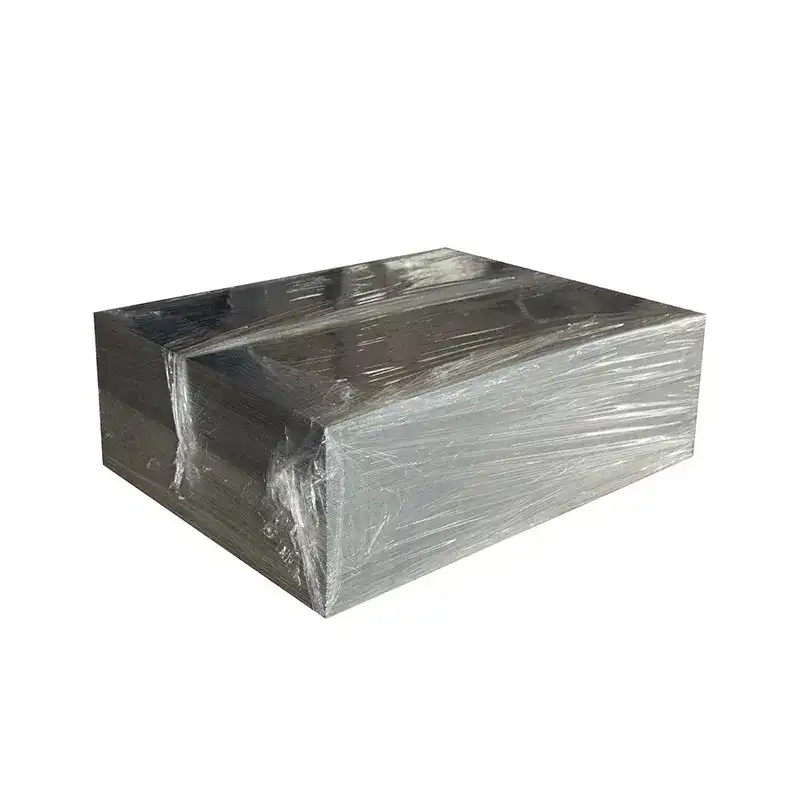
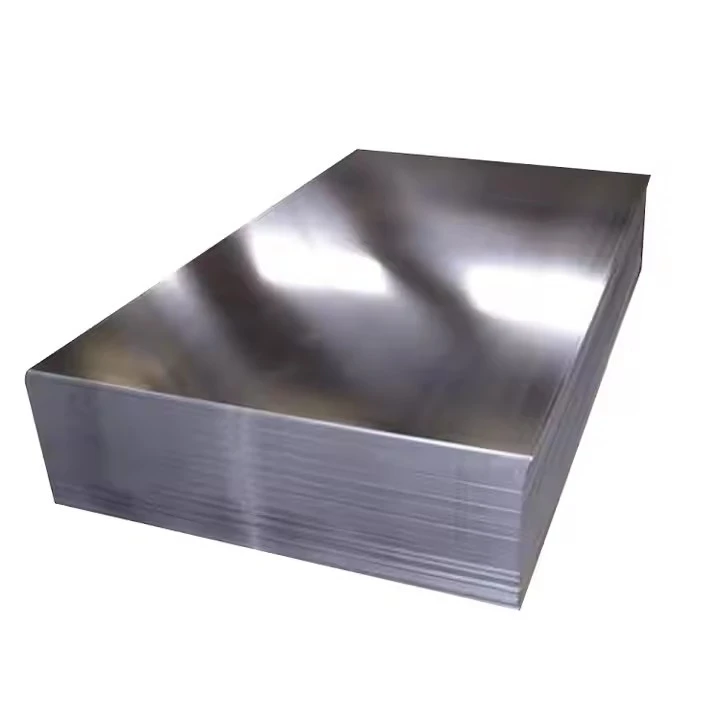
When looking at the best metal packaging material in terms of both price and performance, the 2.8/2.8 Tinplate sheet 0.18 mm https://www.threefoodcan.com/tinplate-sheets/tin-plate-steelsstands out as a smart choice for companies that want to get the most for their money. This ultra-thin gauge standard gives great formability and protection against rust while reducing material costs by making good use of steel. The similar amount of tin covering on both sides ensures that security and weldability are always the same. This makes it perfect for high-volume production settings where every gram of material counts for profit.
Understanding the Technical Specifications Behind Value
The technical structure of this special metal sheet shows why it strikes such a good balance between cost and performance. This material is one of the thinnest gauges that can be used in the tinplate industry. It is only 0.18 mm thick. The number "2.8/2.8" means that each surface has exactly 2.8 grams of tin powder per square metre, which is in line with international standards like EN 10202 and ASTM A623.
This particular layer mass protects against rust well without wasting material. The low-carbon steel base goes through strict cold-rolling steps to get the very thin shape while keeping the structure strong. To work with such delicate materials without making mistakes that could hurt performance, factories need to use high-tech tension control systems.
The double-reduced temper that is common for 0.18 mm gauge sheets gives them yield strengths of more than 550 MPa. Because it is stronger, it makes up for the thinner wall, so makers can meet structural standards while saving a whole lot of material. Quality control procedures make sure that thickness tolerances are kept within ±0.005 mm, which is very important for making sure that high-speed production lines can form parts consistently.
Market Dynamics Affecting Pricing Structures
The price of thin-gauge tinplate products is directly affected by the state of the world's steel markets. The cost of energy, the amount of iron ore that is available, and the rules for international trade all affect the prices of raw materials. The 0.18 mm specification calls for special rolling tools and careful process control, which is one reason why these materials cost more than normal gauge materials.
But the economics get better when yield optimisation is taken into account for 2.8/2.8 Tinplate sheet 0.18 mm. When compared to regular 0.22 mm sheets, manufacturers can make about 15 to 20 percent more units per metric tonne. This better use of materials often makes up for the higher cost per tonne, leading to a lower cost per finished product.
Regional output skills have a big effect on price tactics. Bigger companies with dedicated thin-gauge production lines can get economies of scale that smaller companies can't match. Supply chain efficiency, which includes logistics and inventory management, is very important for keeping prices low and making sure that products are always available.
Cost estimates are harder to do because of the way the tin covering is applied. To do electrolytic tinning, you need to put a lot of energy into it and carefully control the chemicals. The 2.8 g/m² standard is an ideal covering mass that gives the right amount of security without using too much material, which lowers the total cost.
Quality Parameters That Define Performance Value
Material quality includes a lot of different factors that work together to determine its long-term value. The quality of the surface finish has a direct effect on how well it prints and sticks lacquer, both of which are important factors for branding packages. This specification lets you choose between a bright or matte finish, so you can meet different aesthetic needs while still getting the same performance.
Mechanical qualities are still very important for forming to go well. When material is properly processed, its elongation value usually goes above 30%. This lets complex deep-drawing operations happen without cracking or tearing. Controlled heating processes create a regular grain structure that ensures the coil will form in the same way along its entire length.
Testing for corrosion resistance proves that the tin coating system can protect. Accelerated ageing tests mimic years of storage, which proves that the 2.8 g/m² layer mass is strong enough for the purposes it was made for. Passivation treatments make things even more stable by stopping sulphide staining and oxidation while they are being stored and handled.
Dimensional uniformity affects both how well materials are used and how well equipment works for 2.8/2.8 Tinplate sheet 0.18 mm. Tolerances for flatness, edge quality, and wide accuracy all have a direct effect on output rates. Modern equipment for making cans requires that materials meet very strict size requirements set by advanced levelling and edge cutting systems.
Application Versatility Driving Economic Benefits
Because of its unique properties, 0.18 mm tinplate can be used in a wide range of packaging applications. Three-piece can bodies are one of the main uses where being able to shape and be strong at the same time is useful. The thin gauge cuts down on the amount of material needed while still meeting the standards for pressure resistance in food and drink containers.
Weldability issues can be solved easily, which is good for aerosol packing. The tin coating makes it easier to weld side seams without getting the electrode dirty. A consistent layer thickness makes sure that electricity flows evenly, which is very important for the fast welding processes that are needed in modern spray production.
The better surface quality is used in speciality packaging to make products look their best. The good printing and shaping properties make it great for gift tins, promotional containers, and holiday packaging. Value-added packing options are possible because it is possible to add detailed embossing features while keeping the structure intact.
Industrial uses include more than just consumer packaging. They also include protective housings and electrical parts. Due to its resistance to rust and accurate measurements, this material can be used in situations that need long-term dependability in tough conditions.
Manufacturing Excellence and Supply Chain Considerations
Quality of production is directly related to how well the supplier can do their job and how advanced the manufacturing process is. Modern factories have systems that keep an eye on the quality of the surface, the consistency of the coating, and the changes in thickness all the way through the production process. Statistical process control makes sure that the specs of the materials stay within acceptable ranges.
As just-in-time manufacturing grows, supply chain reliability becomes more and more important for 2.8/2.8 Tinplate sheet 0.18 mm. Premier suppliers are different from basic suppliers because they have consistent wait times, adjustable order amounts, and quick customer service. It is very useful to be able to change the temper grades, surface finishes, and packaging arrangements for certain uses.
The general value offer is higher when technical help is available in addition to material supply. Metallurgical teams with a lot of experience can help with fixing, application development, and making suggestions. This knowledge comes in very handy when figuring out the best way to run a production line to make a new product or improve an existing one.
Certification compliance makes sure that materials meet international quality standards and rules for food safety. For regulated uses, ISO 9001 quality management systems, FSSC 22000 food safety protocols, and FDA compliance paperwork give users peace of mind. Regular checks by a third party make sure that the set standards are still being followed.
Future Trends Shaping Value Equations
Sustainability efforts are having a bigger effect on what people buy in the packaging industry. The need for optimised material standards is driven by the cyclical economy, materials that can be recycled, and the desire to have less of an effect on the earth. The 0.18 mm gauge helps meet the goal of making things lighter while still protecting and keeping the integrity of the package.
Thin-gauge materials can be worked with more efficiently thanks to improvements in production equipment technology. Better levelling systems, more even coatings, and more advanced quality tracking systems keep making ultra-thin tinplate standards more useful and able to be used in more situations.
When suppliers join forces in the market, it may change how prices change and what's available. It's becoming more important for manufacturers and suppliers to work together strategically to make sure long-term supply security and technical cooperation. Innovation agreements can speed up the creation of materials and apps for the next generation.
New rules about materials that come into contact with food, the environment, and international trade will continue to affect how materials are chosen. Suppliers that can predict and adapt to changes in regulations add value by making sure that regulations are followed and by having regulatory knowledge.
Conclusion
The price and quality balance of 2.8/2.8 tinplate sheet 0.18 mm comes from carefully adjusting the properties of the material, the ways it is made, and the needs of the application. This specification is very valuable because it makes better use of materials, ensures consistent performance, and allows for a wide range of uses. To be successful, you need to choose suppliers who have technical know-how, good supply chain management, and full customer service. Investing in high-quality materials pays off in the form of higher production efficiency, less waste, and better quality products that meet the needs of a market that is becoming more picky.
Partner with Three for Premium 2.8/2.8 Tinplate Sheet 0.18 mm Solutions
Shandong Three Iron-Printing & Tin-Making Co., Ltd stands ready as your trusted 2.8/2.8 Tinplate sheet 0.18 mm supplier, offering unmatched quality and comprehensive technical support. Our state-of-the-art production facilities span over 270,000 square meters, equipped with advanced German and Japanese technology lines ensuring consistent material excellence. Contact our experienced team at info@threefoodcan.com to discuss your specific requirements and discover how our premium tinplate solutions can optimize your production efficiency while maintaining exceptional quality standards.
References
1. International Tin Research Institute. "Tinplate Technology and Applications in Food Packaging." Technical Bulletin Series, 2023.
2. Smith, J.R. and Brown, M.K. "Economic Analysis of Thin-Gauge Tinplate in Modern Can Manufacturing." Journal of Metal Packaging Technology, Vol. 45, 2023.
3. European Committee for Standardization. "Cold Reduced Tinmill Products - Technical Delivery Conditions." EN 10202:2021 Standard Documentation.
4. Wilson, P.A. "Corrosion Protection Mechanisms in Electrolytic Tinplate Coatings." Materials Science and Engineering Review, 2023.
5. Zhang, L. and Kumar, S. "Cost Optimization Strategies in Thin-Gauge Metal Sheet Production." International Manufacturing Economics Journal, Vol. 28, 2023.
6. Thompson, R.E. "Quality Control Methods for Ultra-Thin Tinplate Manufacturing." Advanced Materials Processing Quarterly, Issue 3, 2023.
YOU MAY LIKE