

How to Source Ring Pull Lids for Soup from China?
2026-08-28
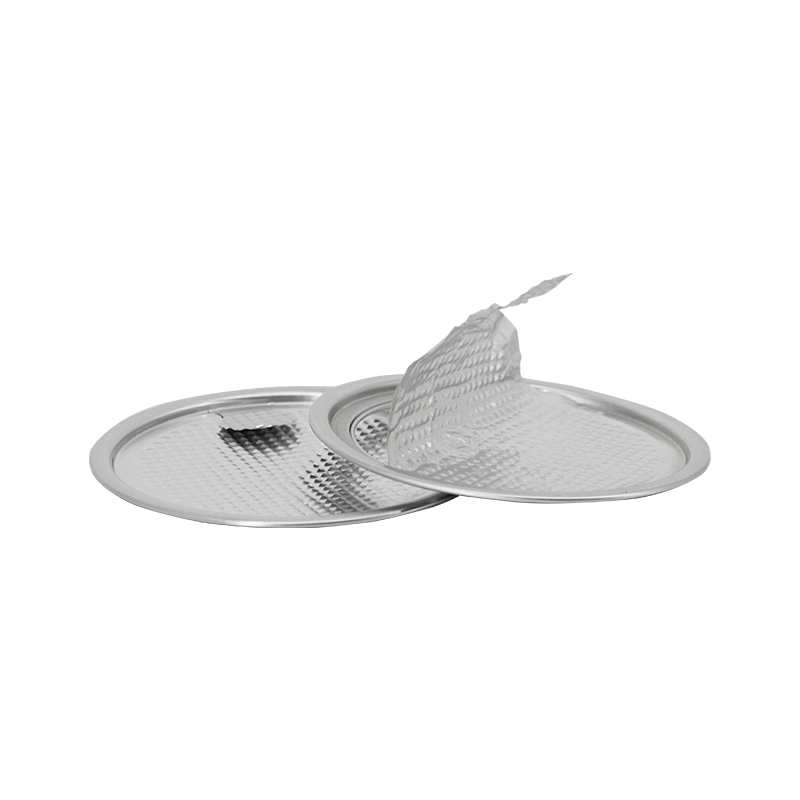
Sourcing high-quality easy-open ends from China requires understanding technical specifications, supplier capabilities, and quality standards. Ring Pull Lids for Souphttps://icms.aixdb.cn/?is_gl_geo=0&is_geo=0#/home?ID=3e3f864043a811ecad99dfc708ac3ee5 represent a specialized category within food-grade aluminum packaging, engineered specifically for retortable products like soups, bird's nest, and porridge. These full-aperture closures combine consumer convenience with hermetic sealing integrity, designed to withstand thermal processing up to 121°C while maintaining ease of opening. When sourcing from China, buyers gain access to competitive pricing, advanced manufacturing technologies, and flexible MOQ options that support both large-scale production and market-testing initiatives. Successful procurement hinges on partnering with ISO-certified manufacturers who understand FDA compliance, lacquer coating standards, and the nuances of international logistics—elements we'll explore throughout this practical guide.
Common Challenges and Considerations When Sourcing from China
Navigating Certification Requirements
Multiple sets of rules must be followed when international food packing is done. Systematic quality management is shown by ISO9001 certification, but buyers should check for other food-contact approvals. Some sellers say they are registered with the FDA, but it's important to know what this really means so there are no mistakes. The FDA doesn't "approve" packing materials; it just makes sure they follow the rules under 21 CFR for food contact substances. LFGB certification is often needed for European buyers to get into the German market. It takes longer to get copies of certificates and have them verified by the organizations that issued them, but it saves money by avoiding costly rejections at customs.
Assessing Supplier Credibility Beyond Certifications
Audits of factories show skills that certificates alone can't show. Consistency is affected by production capability, the age of the tools, and the technical staff's knowledge. There are some exceptions, but in general, manufacturers with German or Japanese production lines are more precise than those with only domestic equipment. Customer references from well-known Western brands can tell you a lot about how quickly you are to contact, how you solve problems, and how reliable your service is. When talking about Ring Pull Lids for Soup production, lacquer formulations, and score line calibration, it's easy to tell the difference between a supplier who sees quality as a cost and one who sees it as a competitive advantage.
Understanding MOQ Structures and Pricing Models
Depending on the customization needs, the minimum order quantity for specialty closures like soup lids is usually between 50,000 and 200,000 pieces. Most of the time, standard setups with plain coatings have lower MOQs than custom-printed patterns. Prices are based on the cost of raw materials (aluminum prices change with the price of other commodities), the cost of amortizing tools for custom sizes, and the coating requirements. When you buy more than 500,000 pieces, you can get big deals, sometimes as much as 15-20% off. But the cheapest price isn't always the best deal. In the long run, it's better to balance cost against defect rates, shipping consistency, and expert help.
Step-by-Step Process to Source Ring Pull Lids for Soup from China
Defining Your Specifications Clearly
A good way to buy something starts with detailed specification sheets that list the diameter needs, coating choices, opening force limits, and compatibility with existing seaming equipment. Whether you need full-aperture designs or partial-opening versions depends on the viscosity of the soup and the size of the particles. Coating aggression needs are based on shelf life goals. For example, a two-year shelf life for tomato-based soup calls for a different lacquer chemistry than a one-year shelf life for cream-based soup. Concerns about the environment related to BPA-NI (Bisphenol A Non-Intent) formulations show rising governmental pressures and customer tastes, mostly in the North American and European markets.
Identifying and Vetting Potential Suppliers
Online business-to-business (B2B) sites like Alibaba and Global Sources help people find suppliers, but how well they work depends on how well they can sort results. When you search for manufacturers, using technical terms like "retortable aluminum lids" or "full aperture easy open ends" can help you find more specialized ones. Verified suppliers with trade guarantee programs offer some safety, but you should still do more research. Ask for detailed business profiles that list the specs of their production tools, how much they can produce each year, and how their clients are spread out across different areas. When companies send more than 40% of their products to developed markets, they usually have to keep quality standards higher because that's what customers want.
Sample Evaluation and Technical Documentation
Asking for samples is an important step in making sure you're sure before you commit. Reliable sellers, like Three, offer free samples to show that they are sure of the quality of their goods. Check samples in three different walowestally check for even coating, physically test opening force with calibrated tools, and make sure they work with your filling and seaming machines. Technical data sheets should list the types of materials used, the thickness of the coating, the measurements of the score residue, and the results of tests for metal exposure. Documentation gaps are often a sign of low manufacturing sophistication, which shows up as inconsistent production.
Negotiation Tactics and Contract Finalization
When you negotiate a price, you should include the total landing cost, which includes the unit price, tooling fees (for special sizes), coating setup fees, shipping terms, and packing requirements. With FOB pricing, buyers are responsible for setting up foreign freight, but with CIF pricing, sellers are in charge of shipping. There are usually 30% payments and 70% due before shipping, but if you have a history of doing business with the company, you may be able to get better terms. OEM and custom branding options let you stand out by putting your name on things or using different coating colors. Contracts must clearly spell out the criteria for quality acceptance, the steps for inspections, the acceptable defect rate, and the steps to take to fix shipments that don't meet the standards.
Comparing Ring Pull Lid Options: Making the Right Choice
Functional Differences Between Closure Types
Easy-open ends and twist-off caps are very different in how they work and how easy they are to make. Pull-tab designs can only be used with one move, which makes them perfect for people who have trouble with their hand strength or dexterity. Twist-off choices need rotational force and repeated threading contact, which can be hard for older people or people with arthritis. In terms of manufacturing, easy-open technology needs more advanced tools and tighter tolerances, which means that each unit costs more but customers are happier with the product. For high-end soup brands that are aimed at people who value ease, the higher price is worth it for the better user experience.
Aluminum Versus Tinplate Material Considerations
Electrolytic tinplate is magnetic, which can be useful for some filling line configurations. Ring Pull Lids for Soup made from aluminum, on the other hand, are better suited for soup applications. Better corrosion resistance against acidic and high-salt ingredients lowers the chance of cracking or taste contamination over a longer shelf life. Shipping costs are lower with aluminum because it is lighter, which is important for high-volume marketing. But because metal isn't magnetic, vacuum or mechanical conveyors are needed instead of magnetic devices. The choice of materials should be in line with the capabilities of the existing infrastructure and the chemistry of the product formulation.
Sustainability and Eco-Friendly Alternatives
As regulations get stricter and people become more concerned about the environment, the ability of packaging to be recycled becomes more important. Aluminum can be recycled over and over again without losing any of its quality, which makes it a better choice than mixed materials. As coating technologies move toward water-based formulations, VOC emissions go down during production, which addresses environmental concerns at the production stage. Some manufacturers now offer options with post-consumer recycled (PCR) aluminum content, but it's still hard to find and costs 10–15 percent more than new aluminum. Even tho they cost more, buyers who want to reach environmentally conscious customers should look into these new choices.
Trusted Ring Pull Lid Suppliers and Manufacturers in China
Recognizing Quality Indicators in Manufacturer Selection
Production potential verification looks at more than just the claimed capacity. It also looks at how well the equipment is maintained and how complex it is. Companies that use high-speed production lines from Germany and Japan or BMV cover pressing equipment from Italy show that they are dedicated to making precise products. Annual output capacity gives you an idea of scale. Facilities that make 2 billion or more easy-open ends a year usually keep better consistency thru improved processes. The skills of technical staff are very important. For example, makers who hire engineers with international training or experience at global packaging companies can help with problem-solving and customizing projects in a big way.
Understanding Customization and OEM Capabilities
When you customize the branding, you can turn plain packaging into brand assets. OEM services include writing logos, choosing custom coating colors, and setting your own width requirements. How advanced these capabilities are varies a lot from one supplier to the next. Modern companies have their own printing facilities with color-matching systems that make sure the brand stays the same from one production run to the next. Others outsource the printing, which can make things more complicated and cause quality differences. Customization options have a direct effect on how private label producers stand out on the shelf and how well people remember their brand. When you look at the minimum quantities for custom runs and the time it takes to customize samples, you can see how flexible the business is.
Why Three Stands Out Among Chinese Manufacturers
The Linyi Economic and Technological Development Zone is home to Shandong Three Iron-Printing & Tin-Making Co., Ltd, which has 270,000 square meters of production space. The company has six German production lines, six Japanese lines, four Fuji printing systems, and eight Italian BMV cover pressing machines. Together, these machines are worth about $50 million in industrial technology investments. This variety of tools makes it possible to produce things that meet a wide range of requirements while still meeting high standards for accuracy. It can handle up to 600 million cans and 2 billion easy-open ends every year, which means it can handle both big contracts and smaller, more specific orders with a low MOQ. The 65-person technical team provides engineering help throughout the whole buying process, from fine-tuning specifications to making sure that the seaming equipment works with the contract. Systematic quality management is ensured by ISO9001 certification and SGS validation. International client distribution in the US, Germany, Poland, Russia, and Southeast Asia shows that the company is capable of exporting. The company keeps a large stock of standard setups, which lets them quickly meet urgent needs. This gives them a competitive edge when production plans get tight or demand suddenly rises.
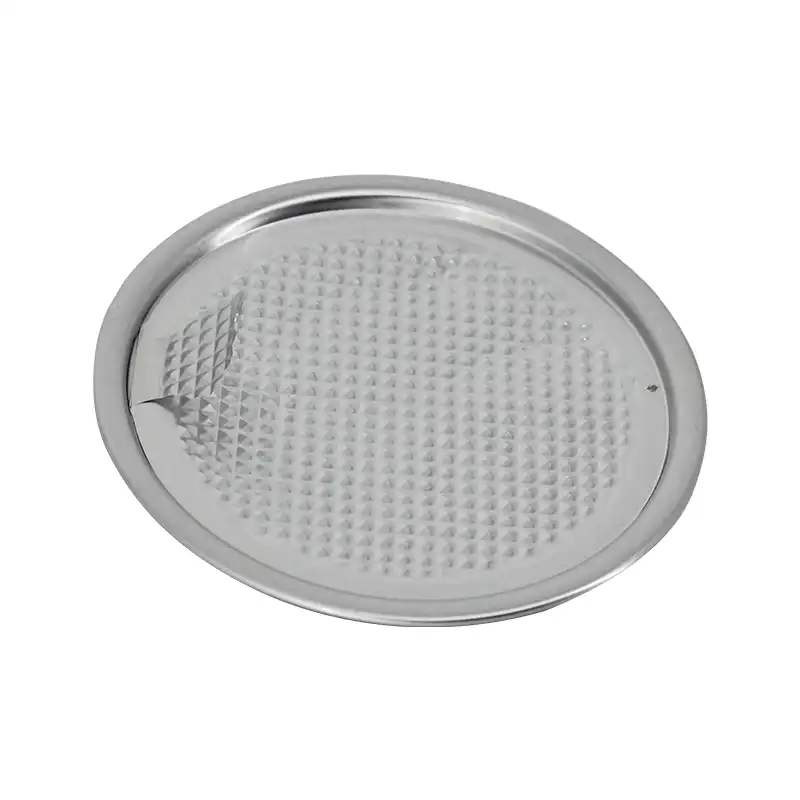
The product details show how useful they are for soup makers, especially for Ring Pull Lids for Soup applications: item numbers 307# and 401# cover the most popular soup can sizes, at 83.3mm and 99mm, respectively. The aluminum construction with a plain lacquer coating on the inside and a choice of a golden or gray exterior gives you both practical protection and a variety of looks. Three offers low MOQ terms and free samples, which take away some of the usual hurdles to evaluating suppliers. This is especially helpful for market testing or new names. These business traits make the company a great choice for North American buyers looking for dependable buying partners who don't want to give up quality or freedom.
Conclusion
Buying easy-open metal covers from China has strong economic benefits when done in a planned way. To be successful, you need to find a balance between cost and quality checks, certification validation, and building relationships with suppliers. Because retortable soup packaging is so technical, you need partners who understand score line engineering, coating chemistry, and thermal processing needs, not just traders of commodities. Western buyers can get the best balance of risk and profit from manufacturers who have invested a lot in equipment, have a lot of foreign clients, and have flexible MOQ policies for products such as Ring Pull Lids for Soup. Procurement teams can build reliable supply chains that protect product quality and brand image by using structured evaluation methods and giving more weight to suppliers who show technical knowledge and competitive pricing.
FAQ
How Do Coating Types Affect Soup Lid Performance?
Interior lacquer systems make barriers that stop metal and product from interacting. Soups with a normal pH work well with plain lacquer, but recipes with tomatoes or vinegar need more aggressive-resistant formulas. The coating has to be able to handle the high temperatures in the retort without blistering or coming apart. Exterior paints do two things: they protect against rust while the car is being stored, and they can also be used to promote a brand by making the colors stand out. To choose the right covering chemical, you need to know the pH levels, salt contents, and shelf life goals of your product.
What Lead Times Should Buyers Expect?
Standard configuration orders usually take 25 to 35 days from the time the deposit is received until they are ready to be shipped. This time includes planning production, making the goods, inspecting them for quality, and packing them. Custom specs with different diameters or printed images make lead times 40 to 50 days longer because of the time needed to prepare tools and make sure they are set up correctly. Freight sent by ocean to ports in North America takes an extra 25 to 40 days, depending on the route. Planning purchases around these times keeps supplies from going down, especially during busy production times when Chinese factories get a lot of orders.
Can Small Brands Access These Suppliers?
A long time ago, making metal closures required large minimum orders (MOQs), which kept smaller names out. As companies become more aware of how markets are fragmenting and brands are spreading, things have changed. When suppliers offer MOQs of less than 100,000 pieces, they can test the market and launch products in a few regions without taking on too much inventory risk. Sample plans for supply show that suppliers are willing to work with new brands. Smaller sales are welcome at companies like Three, which knows that today's boutique brand could become tomorrow's regional winner.
Partner with Three for Your Ring Pull Lids for Soup Supplier Needs
For packaging relationships to be reliable, producers must first show that they are technically skilled and able to adapt to changing circumstances. Three uses cutting-edge production technology, such as Italian BMV pressing equipment and foreign production lines, along with useful features, such as low minimum orders and free sample delivery. Our 65-person technical team helps with developing specifications and making sure that the closing you choose fits perfectly with the needs of the product preparation and processing. With ISO9001 certification and established export relationships with American and European brands, you can be sure that the quality will stay the same and that you will be able to communicate clearly.Our team is ready to talk about your unique needs, whether you're starting a new soup line, switching from terrible sources, or looking for ways to cut costs. You can look at our products at threefoodcan.com or email us at info@threefoodcan.com to get samples and technical information that are specific to your needs. As an experienced Ring Pull Lids for Soup manufacturer, we know that choices about packaging affect the quality of the product, how happy customers are with it, and how people think of the brand. We're committed to helping your business succeed by providing you with reliable, high-quality closure solutions.
References
1. Robertson, G.L. (2016). Food Packaging: Principles and Practice, Third Edition. CRC Press, Boca Raton.
2. Hanlon, J.F., Kelsey, R.J., & Forcinio, H.E. (2018). Handbook of Package Engineering, Fourth Edition. CRC Press, New York.
3. Coles, R., McDowell, D., & Kirwan, M.J. (2013). Food Packaging Technology. Blackwell Publishing, Oxford.
4. Marsh, K. & Bugusu, B. (2017). "Food Packaging—Roles, Materials, and Environmental Issues." Journal of Food Science, 72(3), R39-R55.
5. Yam, K.L. (2015). The Wiley Encyclopedia of Packaging Technology, Third Edition. John Wiley & Sons, Hoboken.
6. Theobald, N. & Winder, B. (2019). Packaging Closures and Sealing Systems. Blackwell Science, London.
YOU MAY LIKE