

Gold aluminum can Factory Guide: How to Select a Top Supplier
2026-09-30
Choosing the right gold aluminum can https://www.threefoodcan.com/bowl-can/-250ml-golden-aluminum-cans-rose-golden-food-bowlsupplier is one of the most consequential decisions a procurement manager can make. Whether you source premium metallic cans for craft beverages, specialty foods, or luxury cosmetics, the supplier you partner with directly affects product integrity, shelf appeal, and long-term brand reputation. This guide walks you through what sets quality gold aluminum cans apart, the criteria that matter most in supplier evaluation, and how to align your sourcing strategy with real operational needs—so you can move from research to confident inquiry.
Understanding Gold Aluminium Cans: Key Features and Benefits
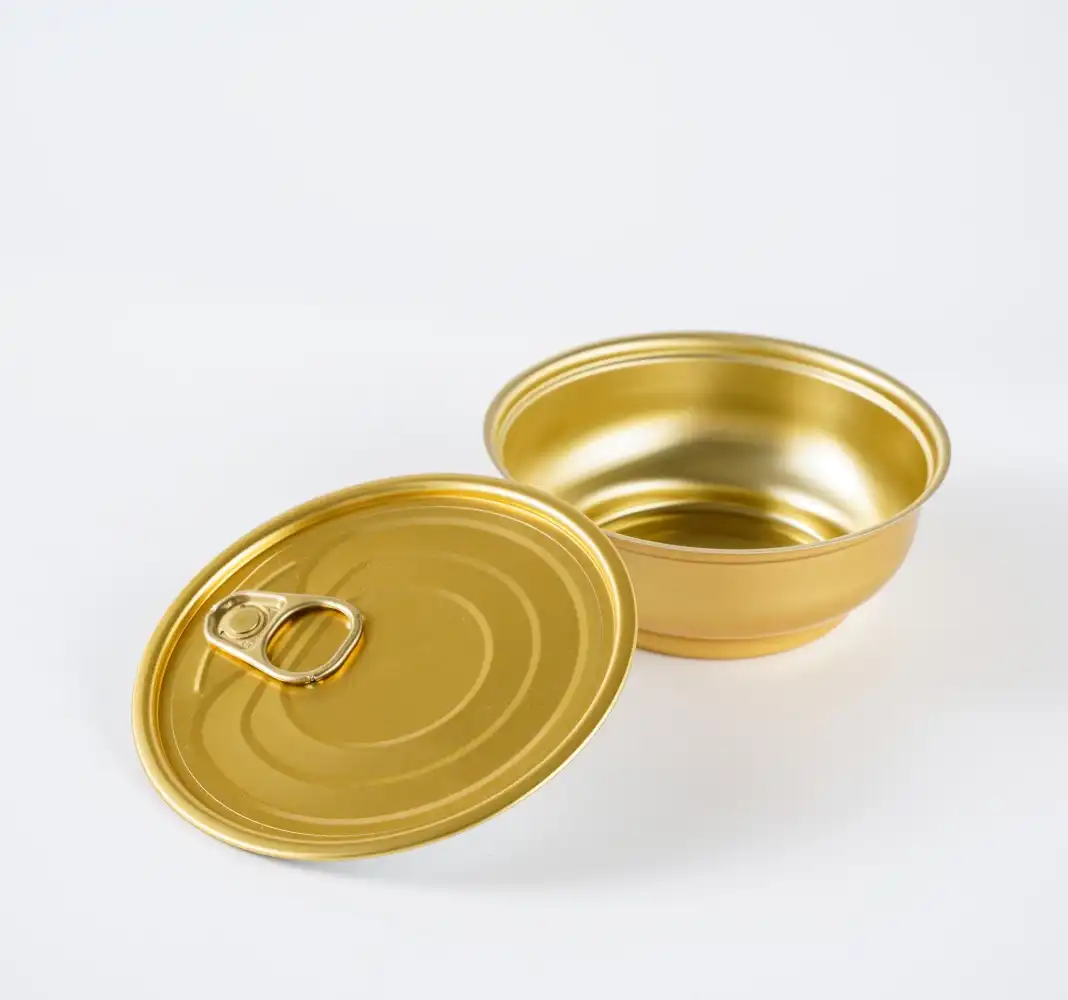
Gold aluminum cans are more than just pretty boxes. A lot of thought went into making this product, which combines material science with brand strategy. Usually, a metallic gold finish is made by putting a clear yellow lacquer directly on top of the aluminum. This lacquer reflects the metal's natural shine, creating a bright, cost-effective gold effect without using metallic pigment prints. UV-cured shiny gold paints, on the other hand, give limited-edition runs a richer look.
What Makes the Material Distinctive?
The can body is usually made of the AA3104-H19 alloy, which has walls that are about 0.09–0.11 mm thick. The lid, on the other hand, is made of AA5182-H48, which is the best material for resistance to buckles. Epoxy-phenolic chemistry is often used for the inside linings of gold aluminium cans. This type of chemistry can handle pH levels as low as 2.5, which is important for carbonated drinks, energy drinks, and acidic foods. A high-performance Gold aluminum can is different from regular packaging because it is structurally precise and chemically resistant.
Sustainability and Weight Advantages
Aluminium can be recycled over and over again. The Aluminum Association says that reusing aluminum can save up to 95% of the energy needed for making it in the first place. The gold inks and varnishes that are used on the outside are turned into mist during re-melting. This means that they don't get into the recovered metal and make it dirty. Gold aluminum cans are a lot lighter than glass or steel cans. This cuts down on freight costs and carbon emissions all along the supply chain.
Core Criteria to Consider When Choosing a Gold Aluminium Can Supplier?
Not every company that says they make Gold aluminum cans consistently offers good quality. Here are the main criteria that buying teams should use for evaluation:
Setting up a structured scoring framework is helpful before looking at specific vendors. Think about how each factor affects your real production needs and order number.
- Certifications and compliance: Check to see if the company meets the requirements for ISO 9001 quality management, ISO 14001 environmental management, FDA 21 CFR 175.300 compliance, and the BRC Global Standard for Packaging Materials. These licenses show that the plant has quality systems that can be checked and are always the same.
- Coating integrity testing: You need enamel rater test results (the average current flow must be less than 5mA) to make sure the internal liner doesn't have any tiny holes that could lead to rust or product contamination.
- Color consistency standards: The symmetry of a gold finish must be less than 2.0 Delta E when compared to a master standard. Color drift between batches is a common risk to brand integrity that strict suppliers take care of.
- Production capacity and lead times: Find out if the provider can increase production to meet your needs without slowing down the turnaround time. Shandong Three Iron-Printing & Tin-Making Co., Ltd., which makes 600 million cans a year, has the infrastructure to handle sudden increases in demand.
- MOQ flexibility: Some buyers need smaller initial orders, like private label makers or sellers trying out new SKUs. During the evaluation phase, the risk of buying is lower when suppliers offer low MOQ choices and free samples.
These factors help purchasing managers tell the difference between reliable middlemen and capable manufacturers. This difference has a big effect on both the quality of the product and the security of the supply chain.
Comparing Top Gold Aluminum Can Suppliers and Manufacturers
North America, Europe, and Asia are all home to gold aluminium can manufacturers. Large international companies like Ball Corporation and Crown Holdings control the high-volume product markets. However, they often set minimum order quantities (MOQ) that keep mid-scale buyers out. When it comes to customisation and easy order terms, regional and specialized manufacturers fill this gap.
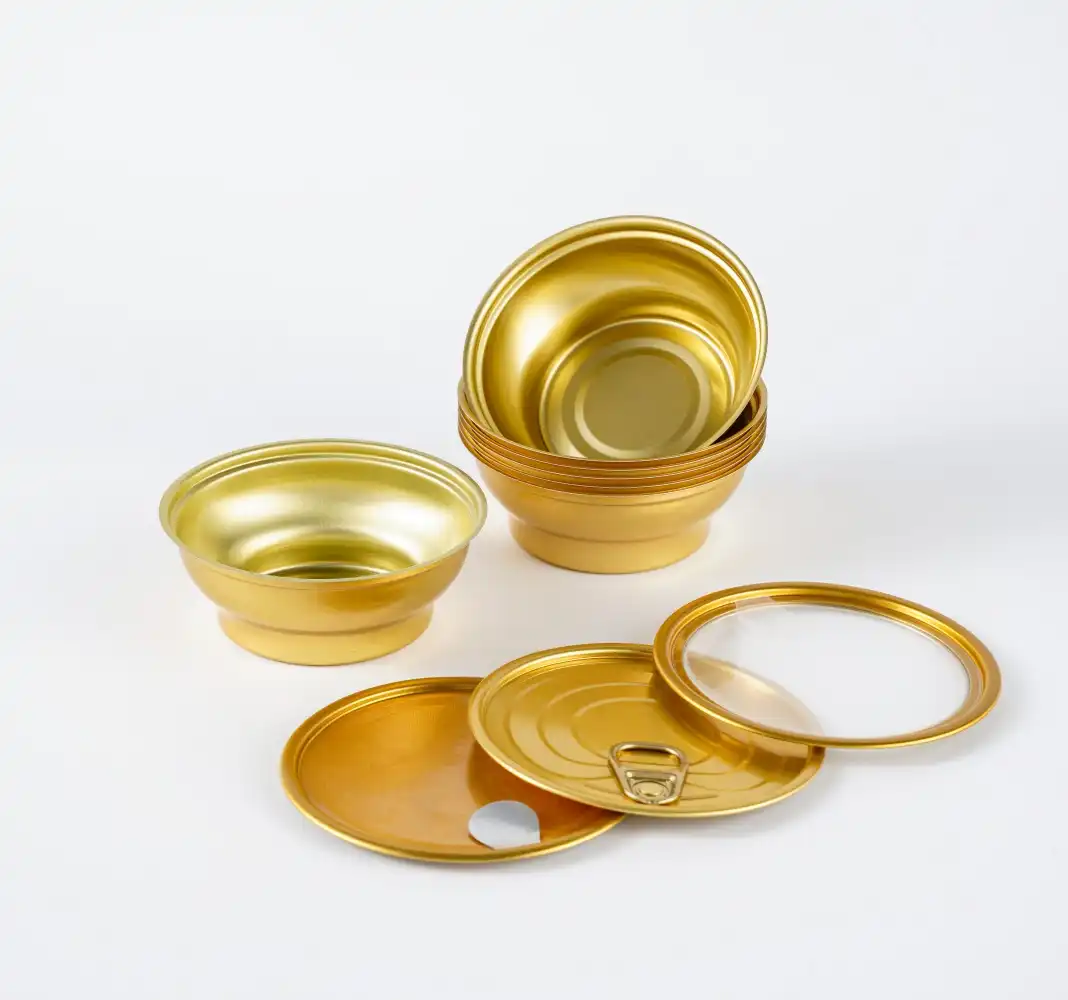
Shandong Three Iron-Printing & Tin-Making Co., Ltd. has a building in the Linyi Economic and Technological Development Zone that is 270,000 square meters and is where they do business. The company has eight Swiss Soudronic spray production lines, six German lines, six Japanese lines, four Fuji printing lines, and a total of eight lines in Japan, Japan, and Germany. Together, these lines can make 600 million cans and 2 billion easy-open lids each year. Their Gold aluminum can line includes item 209.5#, which has a width of 61mm, a height of 36mm, an aluminum wall thickness of 0.22mm, and a round shape. The covers come in black, green, red, yellow, and orange. You can choose between plain lacquer and white for the inner coating. The top coating is plain lacquer. Some of the certifications they have are ISO 9001:2015, ISO 14001:2015, FDA compliance, BRC, and SGS. The United States, Germany, Poland, Russia, Vietnam, Indonesia, Thailand, Mongolia, and Cambodia all buy goods from this company.
To check out a Gold aluminum can supplier, you should ask for facility audit records, customer case studies from similar businesses, and proof that they have exported to the area you want to reach in the past.
How to Align Supplier Selection with Your Procurement Needs?
This is where procurement strategy becomes useful: matching a supplier's skills to your specific needs. A craft brewery that needs to get Gold aluminum cans for a limited-time release has different needs than a cosmetics company that wants to start a permanent premium line.
OEM customers need providers with strong research and development (R&D) teams and the technical freedom to change things like can sizes, coating systems, or printing requirements. Distributors and distributors value reliable lead time promises, large inventory gaps, and steady supply across a wide range of SKUs. Private label makers get the most out of providers who offer full customization, such as printing on the outside, changing the color of the lid, and labeled packaging, with low minimum order quantities (MOQs) and free samples.
Alignment of regulations is also important. FDA 21 CFR 175.300 must be followed at all times for the U.S. market. If your downstream retail partners or distribution agreements say so, make sure that the internal liners meet BPA-NI (Bisphenol A Non-Intent) standards.
Best Practices and Tips for a Successful Gold Aluminium Can Procurement
Procurement teams that have done this before see choosing a provider as the start of a long-term relationship, not just a one-time choice. Set clear rules for how to communicate right away. Before you ask for quotes, write down your technical requirements, such as the grade of the alloy, the type of coating, the size of the can, and the print color standards. Briefs that aren't clear are the main reason samples are turned down and production runs are held up.
Take advantage of your supplier's professional know-how. A knowledgeable Gold aluminum can maker can tell you which internal liner works best for your product's chemistry or whether retort-grade prints are needed for contents that have been heated. This kind of input before production cuts down on expensive shocks afterward.
Stay up to date on new products. Most regulated markets are moving toward standard BPA-NI liner formulations. Suppliers who have already switched their internal coating systems are better able to keep your products compliant as regulations change. Environmentally friendly packaging isn't just a way to stand out anymore; buyers expect it.
Conclusion
Comparing unit prices is not enough to choose a Gold aluminum can source. It needs an organized review of certificates, coating performance, production size, and the ability to make changes. Suppliers with international experience that can be checked, clear quality systems, and highly skilled teams lower your buying risk and boost the market position of your brand. Shandong Three Iron-Printing & Tin-Making Co., Ltd has all of these things and more. They have the infrastructure, certifications, and product line to serve food manufacturers, distributors, and private label producers in the U.S. and other countries.
FAQ
What is the typical lead time for bulk gold aluminum can orders?
Lead times change based on the number of orders and the level of customization. Standard bulk orders from well-known manufacturers usually take 15 to 30 business days after the approval of the artwork and specifications. This window may get bigger if you need custom prints or sizes that aren't common. Make sure you have written confirmation of wait times before you finalize your buy order.
Does the gold exterior finish affect recyclability?
No, aluminum can always be recycled, no matter what finish is on the outside. The gold inks and varnishes on the outside are turned into mist by heat oxidation during re-melting, so they don't get into the aluminum melt. This means that Gold aluminum cans are just as good for the environment as any other aluminium packaging.
Is custom printing available for gold aluminium cans?
Yes, reputable makers let you change the outside by printing in brand-specific colors, putting your name where you want it, and choosing the color of the cap. Covers from Shandong Three come in black, green, red, yellow, and orange, and OEMs can get help with custom designs.
What internal coating should I specify for acidic beverages?
For items with a pH below 4, choose an epoxy-phenolic or organosol liner. These liners don't react chemically with acidic substances and follow FDA 21 CFR 175.300. Ask for retort-grade coating systems for products that have been heated.
Partner With Three for Your Gold Aluminium Can Supply Needs
Three is a reliable company that makes and sells gold aluminium cans to businesses in the US and around the world. Three offers high-quality metal packing made to your exact specs. They have ISO 9001:2015 and ISO 14001:2015 certifications, a low MOQ, free samples, and full OEM support. Get in touch with us right away to get a sample of our gold aluminium cans or to talk about getting a unique price. Contact us at info@threefoodcan.com or visit threefoodcan.com.
References
1. Aluminium Association. Aluminium Recycling and Energy Efficiency Report. 2022.
2. Ball Corporation. Sustainability and Packaging Innovation Annual Report. 2023.
3. Food and Drug Administration (FDA). Guidance for Industry: Packaging Materials Under 21 CFR 175.300. 2021.
4. BRC Global Standards. BRC/IOP Global Standard for Packaging and Packaging Materials, Issue 6. 2019.
5. The Freedonia Group. World Metal Cans: Industry Study with Forecasts. 2023.
6. Packaging Digest. Trends in Premium Aluminium Packaging for Food and Beverage. 2022.
YOU MAY LIKE