

Why Choose Square Sardine Aluminum Cans for Export?
2026-09-30
When it comes to exporting canned seafood, packaging decisions carry real commercial weight. Square sardine aluminum cans https://www.threefoodcan.com/square-can/125ml-food-grade-rectangular-aluminum-canshave emerged as a preferred choice for food manufacturers, private label producers, and exporters who need reliable, cost-efficient, and market-ready solutions. Their structural design addresses the specific pressures of international logistics, regulatory compliance, and brand differentiation. At Shandong Three Iron-Printing & Tin-Making Co., Ltd, our square sardine aluminum cans are engineered to meet the rigorous demands of global export markets, combining durability, customization, and eco-conscious material performance in a single packaging format.
Understanding Square Sardine Aluminum Cans: Features and Benefits
Most buyers don't realize how important the shape of a can is at first. Square sardine aluminum cans fit on rectangle pallets without leaving any empty space. This means that there are more units per shipping container and the cost of freight per unit is lower than for round cans.
Our custom 125ml square sardine aluminum cans carry item number 311# and measure 104.8mm by 75.8mm by 22mm. The bodies are shaped like cones, the lids are easy to open with a 311# seam, and the insides are coated with BPA-NI material that can handle retort sterilization cycles at 116°C–121°C. The aluminum alloy body wall is usually between 0.22 mm and 0.28 mm thick. It is about 40–50% lighter than tinplate cans of the same volume, which is a real benefit when figuring out container loads for thousands of export orders.
Why Aluminum Outperforms Tinplate for Seafood Packaging?
Aluminum doesn't combine with the sulfur compounds that are released by fish proteins when they are heated, so it doesn't get black from iron-sulfide like steel-based options do. This lack of chemical activity keeps the product's appearance spotless, which is a big plus in markets that sell high-end seafood. Aluminum also moves heat around more efficiently, which cuts down on reaction cycle times and keeps the natural structure and nutritional value of sardines.
Sustainability Credentials That Resonate With Global Buyers
It takes about 95% less energy to recover aluminum than to make it from raw rock. Importers and sellers in the U.S. and Europe that care about the environment are more and more required to buy packaging with a verifiable circular economy profile. It is no longer a nice-to-have trait.
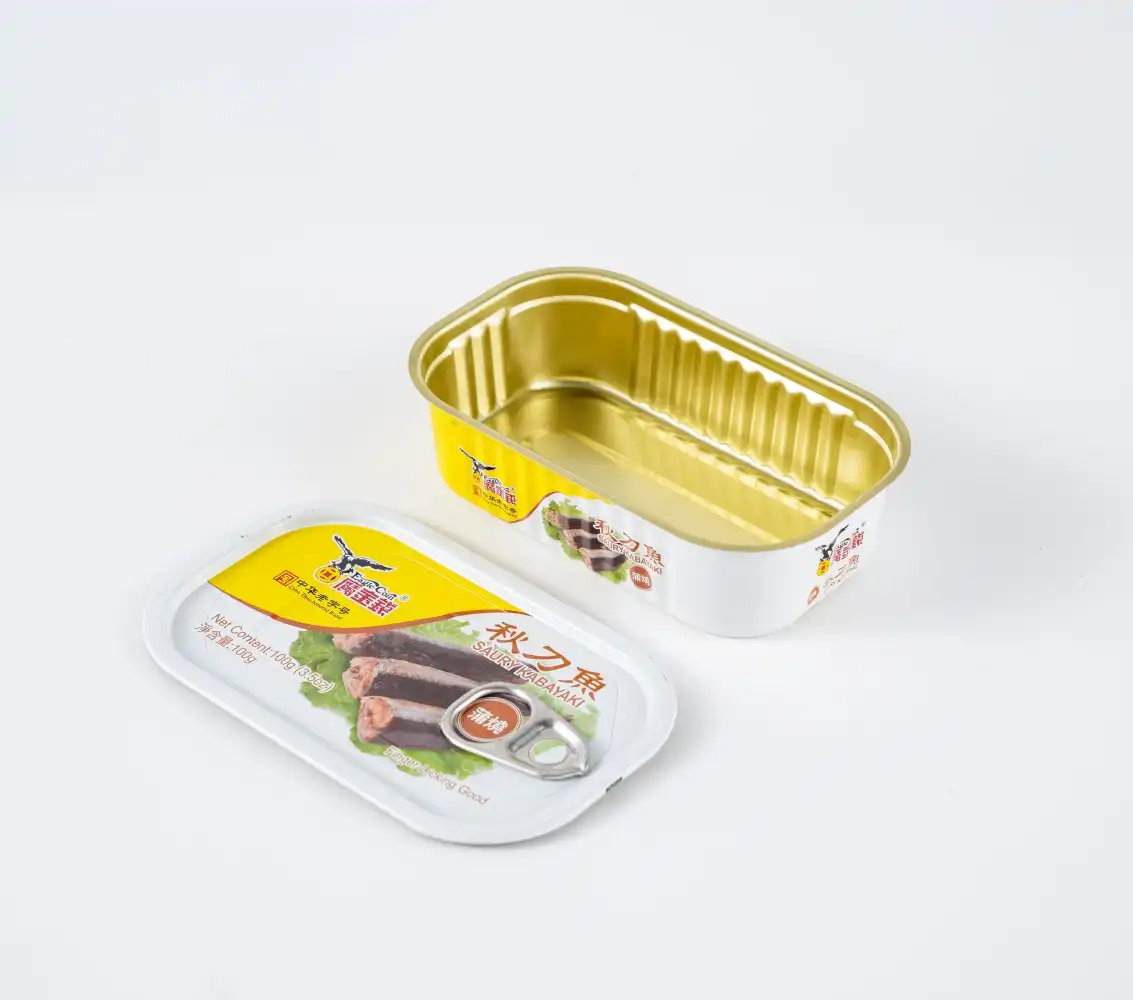
Comparison of Square vs. Round Sardine Aluminum Cans for Export Markets
For more than one hundred years, the seafood business has used round cans, and they still work. But an honest comparison shows that there are some structural gaps when looking at the needs of high-volume export logistics.
Based on the things that procurement managers care about most, here's how the two forms compare:
- Pallet density: square sardine aluminum cans get rid of the sloped room between round containers. When loaded with these units, a single 40-foot container can hold a lot more units, which directly leads to lower freight costs per SKU.
- Stacking stability: The flat sides of square sardine cans make it possible for even vertical load distribution, which lowers the risk of can deformation and product contamination during long-haul sea or rail transport.
- Retort efficiency: In a retort, the shallow, flat shape of these cans helps heat spread evenly during sterilization. This keeps microbial kill rates consistent and lowers the risk of under-processing in thick stacks.
- Consumer handling: The full-aperture easy-open end lets the lid come off completely, giving consumers better and safer access to the product. This feature gets good reviews in export channels that sell to stores.
Some automated filling lines work better with round cans because of their history, and MOQ structures may be different for each format. But the overall savings in freight, reduced spoilage, and improved shelf appeal always more than offset the small changes in tooling or price that come with switching to square forms. Exporters who are going after high-end retail markets in North America, Germany, and Southeast Asia say that switching to square aluminum seafood packaging has made logistics work better.
Manufacturing Process and Customization Options for Export-Ready Square Sardine Aluminum Cans
Shandong Three has a factory that is more than 270,000 square meters and is in the Linyi Economic and Technological Development Zone. It has production lines from Germany, Japan, Taiwan, Switzerland, and Italy. The company is certified by ISO9001:2008 and ISO14001:2004, and it can make up to 600 million cans and 2 billion easy-open ends each year.
Square sardine aluminum cans are made in a very strict order: the raw materials are inspected, the can body is shaped, an internal coating is applied, the outside is printed and varnished, quality control is checked, and the cans are finally packed up and sent out. Each step includes written checks that meet international standards for food safety and export compliance.
Customization Capabilities for OEM and Private Label Clients
The production process allows for a lot of different brand options. CMYK offset printing lets labels cover the whole surface of the can, so shippers and private label makers can put their own logos and designs right on the can. You can print your own logo on them, and you can get free samples before you decide to buy a lot of them. With these features, the buying process is clear and there is little risk for starting new purchase relationships.
Quality Control Standards That Protect Your Supply Chain
Every production batch goes through double seam analysis, Enamel Rater Value (ERV) testing to find tiny holes in the coating on the inside, vacuum and pressure checks after sealing, and axial load tests to make sure the stacking integrity under warehouse compression. These rules are in line with international standards for exporting food, and they protect buyers from being held responsible for faulty goods in other countries.
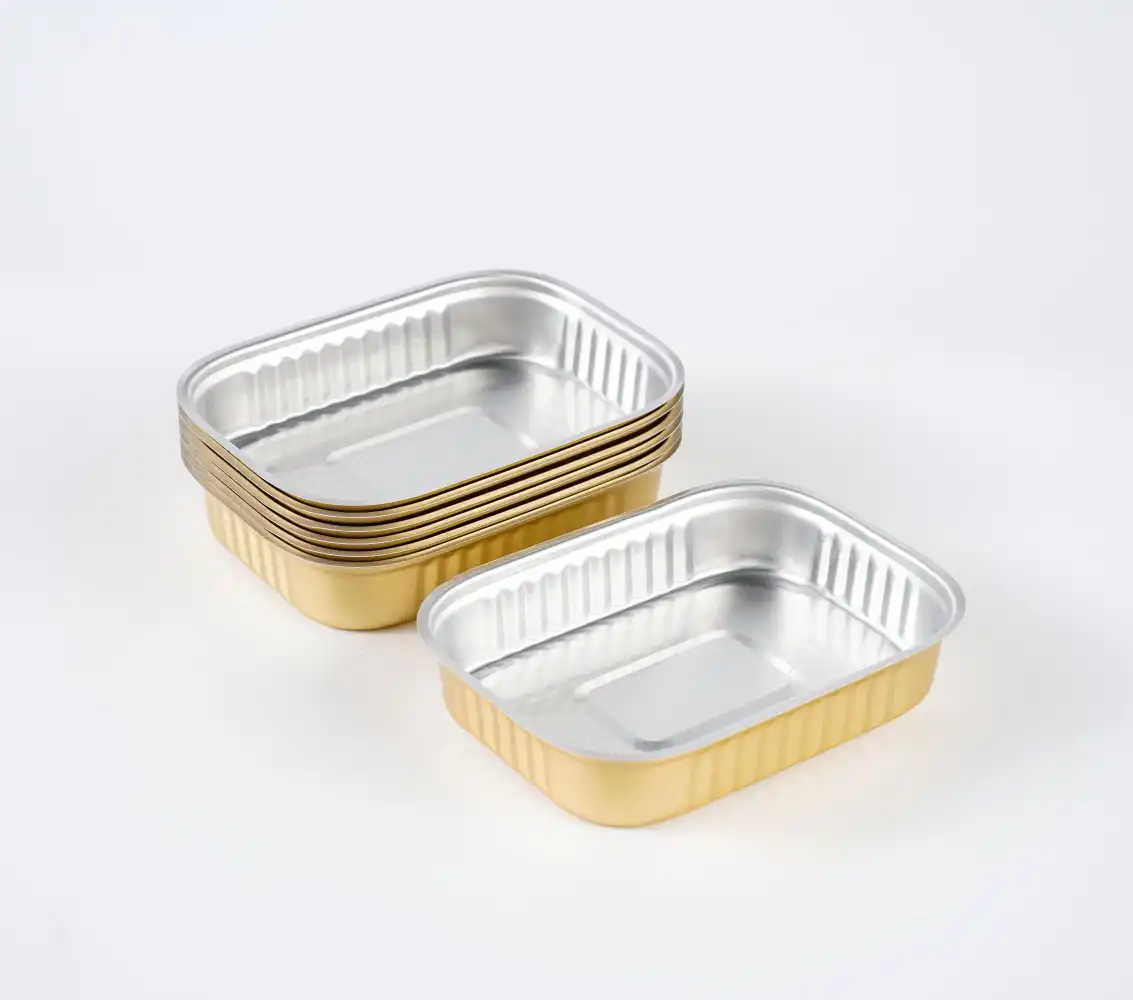
Procurement Guide: How to Source and Evaluate Square Sardine Aluminum Can Suppliers?
There are more factors to consider than just unit price when picking the right square sardine can manufacturer. When buying square sardine aluminum cans for sale, people in charge should use a structured list of practical and compliance criteria to judge sellers.
Here are the main aspects of review that you should give the most weight to:
- Certifications: ISO9001, ISO14001, SGS, BPA, and CE certifications show that a company follows quality and environmental management standards that are known all over the world.
- Production capacity: Suppliers that make more than 500 million units a year have enough inventory and extra equipment to handle large orders without delaying deliveries.
- Customization flexibility: Make sure the seller offers CMYK offset printing, custom sizing, and private label marking at minimum order quantities that can be used for business.
- Material traceability: When suppliers get aluminum alloy from inspected mills, they provide proof that the material meets the requirements, which is important for getting goods into controlled markets like the EU and the US.
- Sampling policy: A seller that gives away free samples before production shows that they are confident in the quality of their work, which lowers the buyer's risk.
All of these factors together show if a relationship with a supplier will last under the operational stress of real export volumes. All of these requirements are met by Shandong Three, which has sent square metal food cans to the US, Germany, Poland, Russia, Vietnam, Indonesia, Thailand, Mongolia, and Cambodia.
Practical Insights: Handling, Storage, and Market Appeal of Square Sardine Aluminum Cans
To keep the covering and marking sticking strong over long periods of time, square sardine aluminum cans should be kept in cool, dry places that are out of direct UV light. A 3mm to 5mm headspace inside sealed units lets food expand during retorting without putting too much stress on the double seam.
Our 311# cans have a full-aperture easy-open lid that comes off fully. This gets rid of the sharp edge risk that comes with partial-pull caps. This design feature really does make the customer experience better and lower the number of returns, which is a business issue that retailers who are looking at new SKUs care about.
When exporters use square aluminum packaging for seafood, they consistently report two measurable results: higher container fill rates and fewer damage claims during transit. Both of these results lower transportation costs and make the end market more competitive, which is very important for distributors who have to deal with low profit margins across multiple foreign channels.
Conclusion
Square sardine aluminum cans offer a combination of structural efficiency, chemical resistance, consumer ease, and brand customization that round formats just can't match at the same cost of transportation. Whether you're a seafood processor, a private label maker, or a distributor who focuses on exports, the type of packaging you choose affects both your costs and how visible your products are on store shelves. Every order comes from Shandong Three, which has a certified production base, a lot of customization options, and a history of exporting. It makes sense to look into square metal cans for your next round of exports, and the process starts with a talk.
FAQ
What shelf life can square sardine aluminum cans achieve?
Square sardine aluminum cans with confirmed double-seam integrity and BPA-NI internal coatings have a shelf life of 3 to 5 years, the same as steel options, for oil-based, brine-based, and tomato sauce fillings.
What sizes and specifications are available?
Our standard export model is 104.8 mm tall, 75.8 mm wide, and 22 mm deep. It can hold 125 ml and has a 311# easy-open lid. If OEM and private label customers ask, they can get custom sizes and prints.
Are these cans compatible with standard retort equipment?
Yes. Overpressure cooling parameters need to be carefully controlled to keep the panels from cracking during the cool-down phase. However, normal industrial retort systems used in seafood processing facilities can fully handle square sardine aluminum cans.
How recyclable are aluminum sardine cans?
Recycling aluminum uses about 95% less energy than making it from scratch. Because these cans are made of a single material, they can be recycled easily in both urban and commercial settings.
What certifications does Shandong Three hold?
The business has certificates for ISO9001:2008, ISO14001:2004, SGS, BPA, and CE, which help it follow the rules in many of the countries it exports to.
Partner With Three — Your Trusted Square Sardine Aluminium Can Manufacturer
Three brings to every relationship more than 270,000 square metres of approved production space, cutting-edge European and Japanese equipment, and a track record of exporting goods around the world. We offer free samples, CMYK custom printing, OEM support, fast shipping, and a large collection because we only sell square sardine aluminum cans. You can get in touch with us at info@threefoodcan.com or visit threefoodcan.com to get a price and talk about how we can help you improve your export packaging plan.
References
1. Canned Foods Alliance. Aluminum Packaging and Food Safety Standards in Export Markets. Food Packaging Technology Review, 2022.
2. The Aluminum Association. The Sustainability Case for Aluminum Food Packaging. Aluminum Association Annual Report, 2023.
3. Institute of Food Technologists (IFT). Thermal Processing and Container Integrity in Canned Seafood Production. Journal of Food Science, 2021.
4. Packaging Digest. Square vs. Round Cans: Logistics Efficiency and Retail Performance. Packaging Digest Industry Report, 2022.
5. Food and Drug Administration (FDA). Guidance for Industry: Packaging Materials for Food Contact Applications. U.S. FDA Technical Bulletin, 2020.
6. European Aluminum Packaging Association (EAPA). Circular Economy Performance of Aluminum Food Cans in Global Supply Chains. EAPA Industry Overview, 2023.
YOU MAY LIKE