

Empty Cans with Blocks: Quality Standards Buyers Should Check
2026-09-29
When sourcing empty cans with blocks https://www.threefoodcan.com/aluminum-pet-can-air-fresher-can/empty-cans-with-blocksfor industrial or food packaging applications, knowing exactly what quality benchmarks to evaluate can be the difference between a reliable supply chain and costly production disruptions. Empty cans with blocks are precision-engineered metal containers pre-integrated with agitation or structural block components, designed to handle high-viscosity formulations and demanding filling environments. This guide walks B2B procurement managers through the critical quality checkpoints, sourcing strategies, and lifecycle considerations that protect both product integrity and brand value.
Understanding Empty Cans with Blocks: Definition and Key Characteristics
What Sets These Containers Apart?
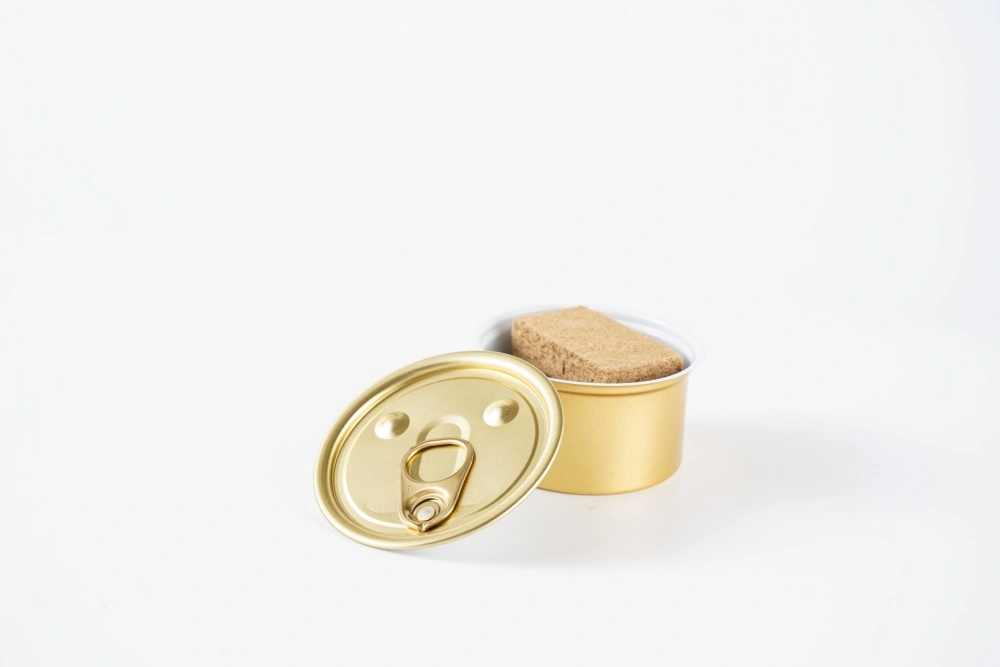
Empty Cans with Blocks are not typically found in retail stores. As a mixing agitator for thick materials or as a structural interface for high-discharge valve systems, the internal block part of these special containers does something useful. This block makes sure that pigments, resins, or compounds that have settled can be resuspended well before they are used, which is important for repairing cars, making industrial coats, and making high-pigment spray paint.
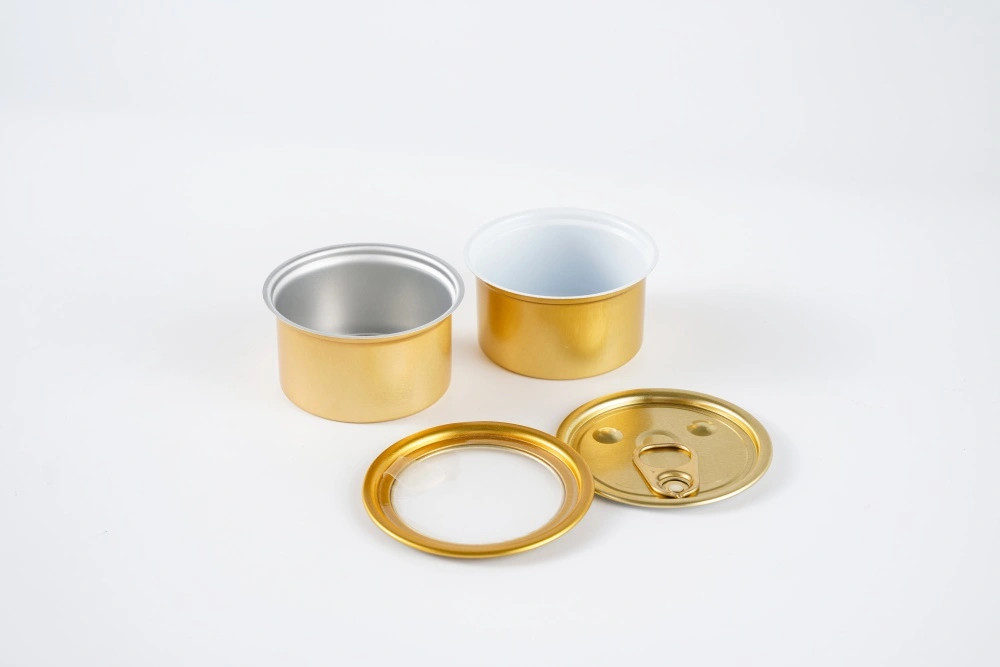
A well-made aluminum can with blocks, like Three's item 209.5#, has a diameter of 61mm, a height of 36mm, an aluminum wall thickness of 0.22mm, plain lacquer coatings on the inside and outside, and a white coating that can be added if desired. These exact requirements make sure that it works with a lot of different kinds of filling line tools and formulations.
Industrial Applications and Sustainability Credentials
Empty Cans with Blocks can be used in many different areas. Auto body shops depend on them for two-part primers. Businesses in forestry and mining depend on them to spray reliably in temperatures below zero. They are used by high-end art supply makers to keep the regularity of the pigments even after each spray stroke.
When it comes to sustainability, aluminium is one of the most reusable materials. According to the Aluminum Association, about 75% of all the metal that has ever been made is still being used today. Using metal cans with blocks helps companies meet their ESG obligations without lowering their performance and supports the goals of the circular economy.
Quality Standards and Criteria Buyers Should Check
Material Quality and Coating Integrity
Specifications for the raw materials are the first step in making solid Empty Cans with Blocks. When it comes to aluminum cans, wall thickness is very important. A 0.22mm metal gage, like the one used in Three's 209.5# line, is the right weight for easy handling while still being strong enough. Buyers should make sure that the grade of alloy meets the safety standards for food contact and that the internal coatings, whether they are lacquer or epoxyphenolic, are applied with a film thickness that is thick enough to protect the blocks from wear and tear during shipping.
The integrity of the coating is especially important. Any tiny hole in the inner coating layer can let germs into the contents, which is not allowed in chemical, medicinal, or food-grade settings.
Certifications, Dimensional Tolerances, and Safety Compliance
People who work in procurement must ask for proof. Before choosing a supplier of Empty Cans with Blocks, buyers should make sure that the following quality standards are met:
- ISO 9001 Certification: If a company has ISO 9001 certification, it means they have a written quality management system with consistent process standards. All of Three's 209.5# cans are certified by ISO 9001.
- ASTM D543 Block Inertness Testing: This test makes sure that the material inside the block doesn't swell or break down after being immersed in strong solvents like MEK or acetone for 72 hours.
- Acoustic Agitation Verification: The block moves freely without sticking to the lacquer seam on the inside, which is a very important functional check.
- Pressure and Burst Resistance: For aerosol-grade propellants to be safe, aluminum cans with blocks should keep their shape at burst pressures above 1.5 MPa.
- Seam Micrometry: Accurately measuring the gap of two seams stops tiny leaks that damage product safety and shelf life.
Together, these steps make a strong framework for entering quality control. If a provider can't give you proof for all of them, you should look into them more.
Comparing Empty Cans with Blocks: Making the Right Choice
To choose the right type of device, you need to be able to honestly compare them across a number of speed factors. Plastic containers are cheaper up front, but they don't work with solvent-based formulas and can't be recycled at all. Tinplate cans with blocks have higher burst pressure ratings (usually above 1.8 MPa), but they are heavier and cost more to ship.
Empty Cans with Blocks made of aluminum are a good compromise between the two. They are light, rustproof, endlessly recyclable, and compatible with both water- and solvent-based formulas when the right internal liner is used. When dealing with thixotropic or high-viscosity contents, the modular block form adds functionality that solid metal cans just can't match.
When purchasing aluminum cans with blocks for cosmetic aerosols, industrial coatings, or food-related uses, purchasing managers consistently find that the lowest tare weight, reliable agitation performance, and branding flexibility through customizable outer coatings give the best return on investment (ROI) for large orders.
Procurement Guide: Where and How to Source Quality Empty Cans with Blocks?
Working directly with a verified manufacturer of Empty Cans with Blocks instead of a middleman distributor lowers the quality risk by a large amount. Shandong Three Iron-Printing & Tin-Making Co., Ltd. has a facility that is more than 270,000 square meters and is located in the Linyi Economic and Technological Development Zone. It has eight high-speed Soudronic aerosol production lines from Switzerland and equipment from Germany, Japan, Italy, and Taiwan. This infrastructure allows the company to consistently produce large amounts of goods.
When buyers look at a source, they should ask for:
- Valid ISO 9001 certification paperwork that confirms the scope of the approval for can making
- References from clients in similar industries
- Sample provision policy: Three gives samples away for free for review.
- Minimum order number (MOQ): Three's low MOQ structure works for both small orders and big purchases.
Planning logistics is just as important as making sure the seller is qualified. Make sure you know the supplier's export history, lead times, and the standards for shipping packaging. Three has shipped to the USA, Germany, Poland, Russia, Vietnam, Indonesia, Thailand, and other places, showing that it can handle effective foreign logistics.
Ensuring Long-Term Value: Maintenance, Reuse, and Recycling
Empty Cans with Blocks that have been stored before they are filled should be kept in dry, temperature-controlled areas to keep the coating on the inside from wearing off. Regular batch checks when they arrive, looking for things like dents, seam issues, and block rattles, keep broken units from getting into the production line.
However, extra empty units can be put to non-essential storage, used for crafts, or sent back to approved recycling streams. Reusing Empty Cans with Blocks is usually not advised for formulated goods due to the risk of contamination. Recycling aluminum uses less than 5% of the energy needed to make it in the first place. This means that proper removal is both cost-effective and good for the earth.
When companies use these rules in their buying and running processes, they cut down on the cost of replacements, make suppliers more responsible, and build a track record of sustainability that retailers and regulators can look at.
Conclusion
It takes more than just comparing prices to find Empty Cans with Blocks. Specifications for the materials, the quality of the coating, the usefulness of the blocks, compliance with certifications, and the openness of the provider are all important factors that affect how well your packaging works at scale. The quality standards listed here give B2B buyers in the food manufacturing, industrial coatings, and private label production industries a useful way to make sure they make the right buying decisions. Your supply chain and brand will both be safer if you choose a manufacturer with official certifications, a history of exporting, and flexible order structures.
FAQ
How do I verify that a supplier of empty cans with blocks meets international standards?
Ask for up-to-date ISO 9001 certificates that clearly state the manufacturing scope. Ask for test results from a third party that cover the burst pressure, the adhesion of the layer on the inside, and the block's inertness. Reliable suppliers of Empty Cans with Blocks keep records that can be checked and accept questions from buyers to confirm these records.
Are empty cans with blocks safe for water-based formulations?
Yes, as long as the internal liner is rated for aqueous solutions. This is usually done with a PET laminate or a special epoxy coating. Make sure the block is made of a non-corrosive material, like clay or food-grade plastic, so that the contents don't get ionic poisoning.
What customisation options are available?
Buyers can usually choose the type of inner coating (simple lacquer or white), the finish of the outer coating, the size of the can, and the artwork that will be on the label. Three supports OEM sales and offers custom branding choices so that packaging can fit the needs of a certain market placement.
Do internal blocks affect filling line calibration?
The tare weight difference caused by the block must be taken into account by the filling lines. These days, tare-weighing stations can automatically zero to make room for this, which makes integration easy for most common filling equipment sets.
Partner with Three for Reliable Empty Cans with Blocks
Three offers high-quality Empty Cans with Blocks to customers in the USA and around the world. They are backed by ISO 9001 approval and decades of manufacturing experience. You can get free samples of our 209.5# metal can, which has exact measurements, long-lasting coatings, and a low MOQ. Get in touch with our team right away at info@threefoodcan.com or visit threefoodcan.com to talk about your buying needs and get a price.
References
1. Aluminium Association. Aluminium Recycling and Sustainability Report. 2022.
2. ASTM International. ASTM D543: Standard Practices for Evaluating the Resistance of Plastics to Chemical Reagents. 2021.
3. ISO. ISO 9001:2015 Quality Management Systems — Requirements. International Organization for Standardisation, 2015.
4. Packaging Digest. Trends in Aerosol Can Design and Material Innovation. 2023.
5. Can Manufacturers Institute. Metal Can Sustainability and Recycling Data Report. 2022.
6. Journal of Packaging Technology and Research. Coating Integrity and Barrier Performance in Aluminium Aerosol Containers. 2021.
YOU MAY LIKE