

What Makes Premium Tin Cans for Fruits Stand Out?
2026-09-28
When procurement professionals evaluate packaging for canned produce, the question always surfaces: what genuinely separates premium tin cans for fruits https://www.threefoodcan.com/empty-food-can/tin-cans-for-fruitsfrom standard alternatives? The answer lies in a combination of material science, food-safe coating technology, structural engineering, and supply chain reliability. Premium fruit tin cans preserve nutritional integrity, withstand aggressive acidic environments, resist breakage during global logistics, and support brand differentiation through customizable design — all while meeting FDA and international food-contact regulations. For B2B buyers sourcing at scale, these attributes translate directly into lower spoilage rates, stronger retail positioning, and measurable return on investment.
Understanding the Value of Premium Tin Cans in Fruit Preservation
People have been putting fruits in Tin Cans for Fruits since the early 1800s, but the materials and technology used to make modern fruit cans have come a long way. The best fruit packaging on the market today uses electrolytic tinplate (ETP) or Tin Free Steel (TFS) substrates, hermetic double-seam closures, and retort-stable internal lacquers to keep the fruit safe during long-term storage and international shipping.
Why Does Tin Remain the Preferred Substrate for Fruit Packaging?
Tin's natural ability to act as a sacrificial anode makes it perfect for low-pH plant settings. When light-colored fruits like peaches or pears are packed without lacquer, the tin reacts with the air that is still in the headspace to stop the fruit meat from turning brown. A food-grade epoxy phenolic or polyester-based BPA-NI (Bisphenol-A Non-Intent) finish keeps fruit acids from getting to the steel substrate. This is important for high-acid fruits like pineapple or citrus pieces (pH often below 4.0). When it comes to cost-effectiveness, no other material can match this dual-mode protection—bare tin for some uses and specific covering for others.
Food Safety Standards and BPA-Free Compliance
Fruit packaging that is keen to join the U.S. and European markets has to follow FDA 21 CFR and EU Regulation 2018/213. Premium cans have BPA-NI coatings, which means that bisphenol-A is not knowingly added to the coating. This meets the standards of California Prop 65 and reassures health-conscious store buyers. Every production batch at Shandong Three Iron-Printing & Tin-Making Co., Ltd. goes through Enamel Rater Testing (ERT) to make sure the coating stays continuous. This way, we can find any lacquer flaws or microscopic pores before the cans leave the factory.
Key Features That Set Premium Fruit Tin Cans Apart
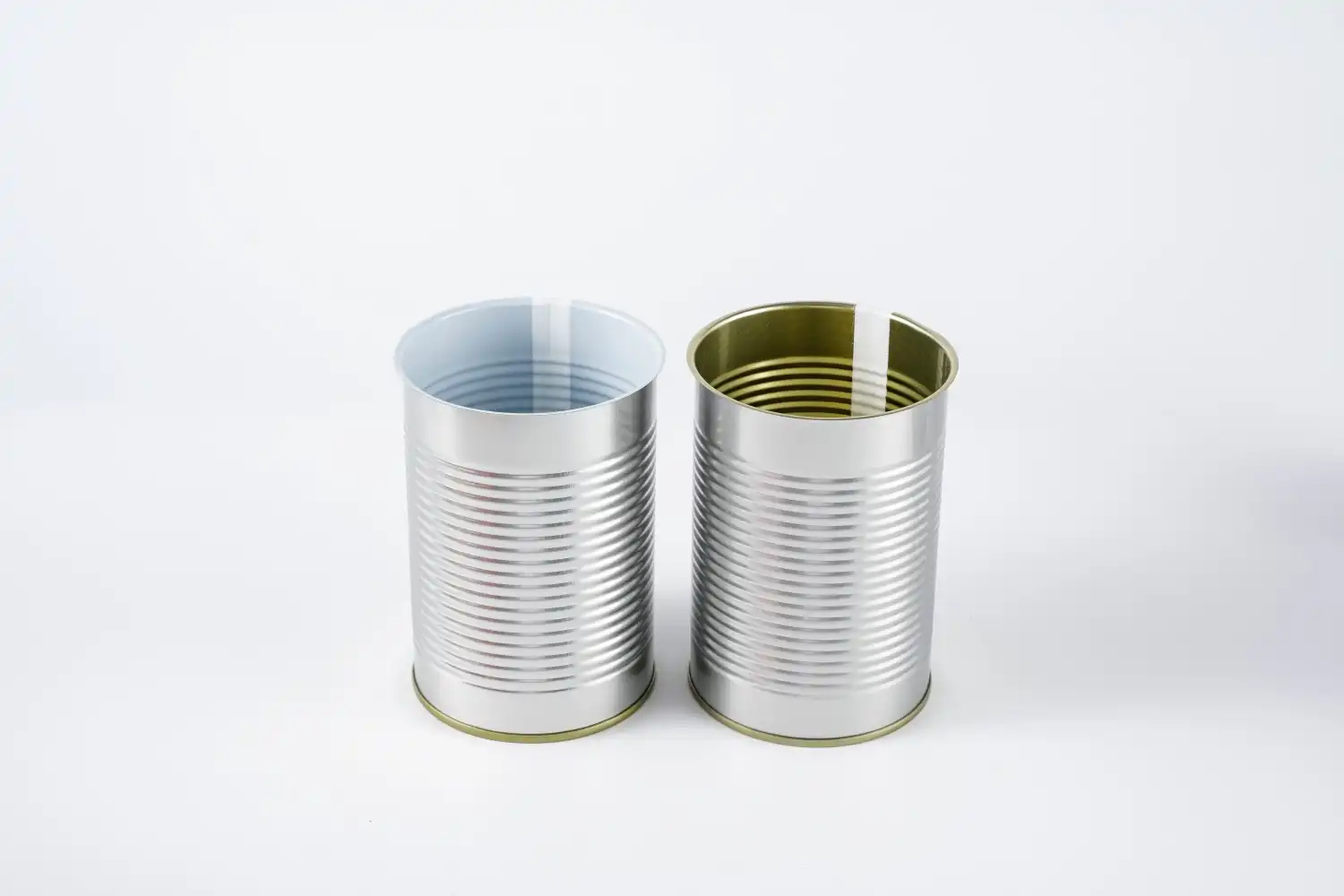
The things that make a fruit stand out can go far beyond the choice of raw materials. The reliability of a can over a 2–5 year shelf life depends on its structural design, how well it seals, and how the surface is customized. Here are the main technical and business features that set luxury Tin Cans for Fruits apart:
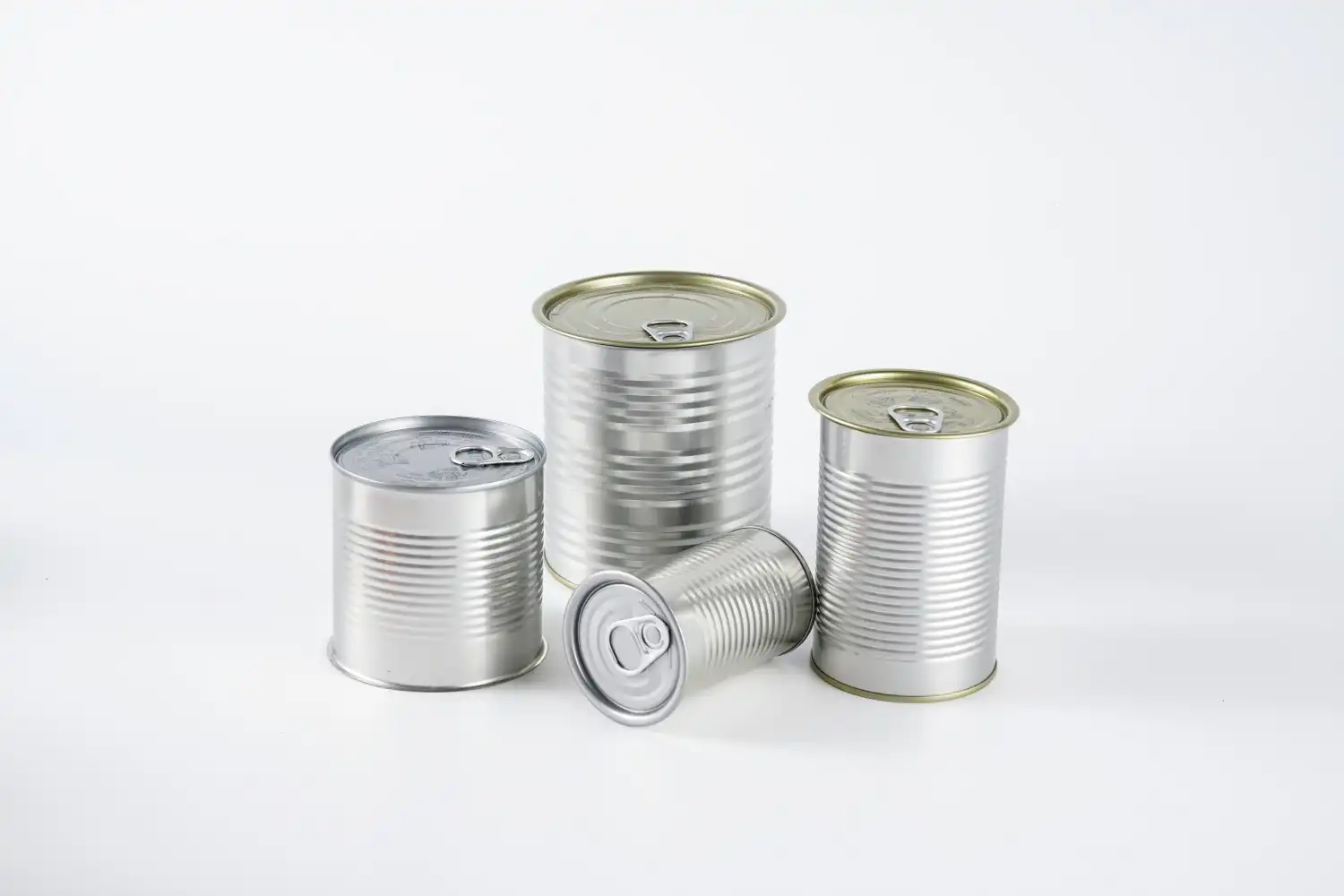
- High-grade TFS substrate (0.18 mm–0.22 mm): The TFS material used in our 211#, 300#, 307#, and 401# (diameters 65.4mm, 72.9mm, 83.3mm, and 99mm) items gives consistent wall strength without the extra weight of heavier gages, which saves money on materials and makes stacking on pallets more efficient.
- Dual-layer internal coating options: There are two types of internal coatings: golden and aluminum. The coatings can be used alone or together, and they can handle a wide range of fruit types, from slightly acidic stone fruits to highly acidic tropical kinds, without transferring flavour or metal.
- CMYK offset-printed exterior: Private label brands and food makers can use CMYK offset technology to print custom logos that look great in stores and help customers recognize their brands.
- Recyclable construction: Tin is the most recycled packaging material in the world, and the World Steel Association says that more than 85% of steel in the world is recycled every year (2022). This makes luxury tin cans a good choice for buying programs that care about the environment.
These qualities work together to lower the number of times products go bad, help with compliance checks, and make the way products look better. These results matter to procurement leaders who must balance cost and quality.
Comparing Premium Tin Cans with Alternative Fruit Packaging Solutions
Tin Cans for Fruits are often compared to glass jars, plastic cases, and flexible bags by people who work in procurement. When you look at real-world operations and food safety standards, you can see that each style has pros and cons.
Some retail segments like the clear look of glass jars, but they break easily during transport, which makes exporters worried about loss and liability when sending goods to faraway markets. Even though plastic cases are light, regulators are increasingly concerned about chemical leakage. This is a big problem for acidic fruit uses, where regulators closely watch migration limits. Flexible pouches are popular for single-serve items, but they don't have the axial load strength needed for warehouses with a lot of stacking.
Premium fruit tin cans, on the other hand, can be sterilized in a retort at 121°C or higher, can be stacked on top of each other without damaging the structure, and can keep their hermetic seals even when the temperature changes in ways that would damage adhesive-based bag closures. Even though stainless steel is strong, it is very expensive, so it is only used in a few specific academic settings. Tin cans offer the best balance of protection, logistics efficiency, and total cost of ownership for businesses that process large amounts of fruit for export markets and food service channels.
Procurement Guide: How to Choose and Source Premium Tin Cans for Fruits
To choose the right fruit can style, you need to ensure the can's technical specs match the fruit type, processing method, and target customers. Fruits that are very acidic need heavy-duty methods for internal passivation and double coating. When stone fruits are handled in a high-heat retort, can bodies with beads that don't panel when the pressure in an autoclave changes are helpful. Larger diameters are usually what institutional food service buyers choose so that heat can get through easily during cleaning. When a strict procurement process is used to choose a Tin Cans for Fruits supplier, these factors are the most important:
- Certifications and compliance: If a company has an ISO 9001 certification, it means that they have a quality management system that is written down and followed. Shandong Three has ISO9001, SGS, BPA, and CE certifications, which give buyers in the U.S. and Europe peace of mind that can be checked.
- Production capacity and lead time: Three makes more than 600 million cans a year and has production lines from Germany, Japan, Switzerland (Soudronic), and Italy (BMV). This means that they can handle big orders with solid lead times.
- Customization capability: OEM support, custom heights, and CMYK writing on the outside of the box let buyers make sure that the packaging follows brand standards without having to hire a separate design vendor.
- Sample availability: You can get free samples, which let buying teams test the products on their own before committing to large orders.
Getting in touch personally at info@threefoodcan.com or by visiting threefoodcan.com speeds up the process of evaluating suppliers by a large amount.
Maximising ROI with Premium Tin Cans in Fruit Processing and Packaging
Changing to higher-quality Tin Cans for Fruits has a noticeable financial effect on many parts of the supply chain. Write-off rates go down because better hermetic packing cuts down on waste. Longer shelf life (2–5 years under normal store conditions) makes it easier to ship and eases the pressure to sell items quickly. Uniquely painted outsides support higher selling prices by making the product seem better at the point of sale.
According to data published in the Journal of Food Engineering (2021), food companies that export canned tropical fruits to the U.S. market have reported a big drop in damage caused by shipping after switching from glass to tin cans. Because tin cans are structurally rigid, especially when it comes to their axial crush resistance, they directly lower fulfilment loss rates in long-haul distribution.
The Shandong Three plant in the Linyi Economic and Technological Development Zone is more than 270,000 square meters and has both advanced R&D and strong financial infrastructure. This makes sure that the quality of the products is always the same and that supplies don't stop during times of high demand.
Conclusion
Premium Tin Cans for Fruits stand out because they take care of all the important aspects of fruit packing, including chemical compatibility, structural strength, food safety, and brand presentation. For business-to-business buyers in food manufacturing, private label production, and export distribution, picking the right fruit can supplier is more than just a transaction. The qualities of the materials, coatings, and strict production methods used to make a truly fine fruit can protect product quality, meet government standards, and support long-term business growth.
FAQ
Are BPA-free coatings standard in premium fruit cans?
Yes. The latest high-end Tin Cans for Fruits have BPA-NI (Bisphenol-A Non-Intent) epoxy phenolic or polyester surfaces that meet the food-contact standards of the FDA and EU Regulation 2018/213. It is not planned for BPA to be added to the coating.
What shelf life can premium canned fruits realistically achieve?
Premium fruit cans with hermetically sealed lids have a shelf life of two to five years when stored normally. As long as the covering is properly sterilized, the main thing that limits its use is the slow breakdown of its internal structure.
How do I determine the correct can size for my fruit variety?
Fit the can's width and height to the shape and weight of your fruit. Items 211# to 401# (65.4mm to 99mm diameter) are for single-serve to large amounts. You can get different heights to fit different fruit sizes.
What certifications should I verify before placing a bulk order?
Prioritise the paperwork for ISO 9001, BPA compliance, and any market-specific approvals (FDA for entry into the U.S. market, EU food contact safety for sale in Europe). Three is certified by ISO9001, SGS, BPA, and CE.
Can exterior printing be customised for private label programmes?
Yes, CMYK offset printing allows for full custom name and image application on the outside. Buyers who prefer label-applied branding can also choose a plain outer coating.
Partner with Three for Your Fruit Packaging Needs
Shandong Three Iron-Printing & Tin-Making Co., Ltd. is a reliable company that makes Tin Cans for Fruits for food companies, private label brands, and sellers in the U.S. and around the world. Three offers packaging options that are tailored to your business needs. They are ISO9001 certified, can make 600 million pieces per year, offer free samples, and offer full OEM support. Email our team at info@threefoodcan.com right now, or visit threefoodcan.com to see all of our products.
References
1. World Steel Association. Steel Recycling Rates and Sustainability Indicators. World Steel Association, 2022.
2. Robertson, Gordon L. Food Packaging: Principles and Practice. CRC Press, 2012.
3. Coles, Richard, and Mark Kirwan, eds. Food and Beverage Packaging Technology. Wiley-Blackwell, 2011.
4. Marsh, Kenneth, and Betty Bugusu. "Food Packaging — Roles, Materials, and Environmental Issues." Journal of Food Science, 2007.
5. Gould, Grahame W., ed. New Methods of Food Preservation. Springer, 1995.
6. Fellows, P.J. Food Processing Technology: Principles and Practice. Woodhead Publishing, 2017.
YOU MAY LIKE