

Empty Cans for Air Fresheners: Eco-Friendly & Sustainable Guide
2026-06-29
In today's market, businesses face mounting pressure to balance product freshness with environmental responsibility. Empty Cans for Air Fresheners have emerged as the sustainable packaging solution that addresses both concerns. As consumers increasingly demand eco-friendly alternatives to traditional aerosol containers that contribute to plastic waste and indoor air pollution, manufacturers must pivot toward recyclable metal packaging that preserves product integrity while reducing carbon footprints. This comprehensive guide explores how Empty Cans for Air Fresheners deliver superior protection, customization options, and environmental benefits that modern brands require to succeed in an increasingly sustainability-conscious marketplace.
Why Empty Cans for Air Fresheners Are the Sustainable Choice?
The packaging industry stands at a critical crossroads where environmental accountability meets consumer expectations. Empty Cans for Air Fresheners represent more than mere containers—they embody a commitment to circular economy principles that resonate with today's environmentally aware consumers. Unlike disposable plastic alternatives that languish in landfills for centuries, aluminum and tinplate cans maintain their structural integrity through infinite recycling cycles without property degradation. This fundamental characteristic positions Empty Cans for Air Fresheners as genuinely sustainable packaging solutions that align with global waste reduction initiatives. Metal packaging demonstrates remarkable recyclability advantages that plastic containers simply cannot match. According to industry research, metals preserve their essential properties throughout repeated recycling processes, making them infinitely reusable resources. When businesses select Empty Cans for Air Fresheners manufactured from aluminum or tinplate materials, they invest in packaging that actively contributes to reduced mining demands and lower manufacturing energy consumption. The closed-loop recycling system for metal cans means today's air freshener container can become tomorrow's automotive component or construction material, exemplifying true sustainability in action. Beyond recyclability, Empty Cans for Air Fresheners offer superior barrier properties that extend product shelf life and maintain fragrance potency. The impermeable nature of metal construction prevents oxygen, moisture, and light infiltration—three primary factors that degrade air freshener formulations. This protection ensures consumers receive products at peak effectiveness while reducing waste from premature product spoilage. Manufacturers benefit from decreased product returns and enhanced brand reputation when their air fresheners consistently deliver the promised sensory experience from first spray to last.
Material Advantages of Aluminum and Tinplate Packaging
Selecting between aluminum and tinplate for Empty Cans for Air Fresheners requires understanding each material's unique performance characteristics. Aluminum excels in lightweight applications where transportation efficiency matters, reducing fuel consumption during shipping while maintaining robust protection. Its natural resistance to corrosion eliminates the need for additional protective coatings in many applications, streamlining manufacturing processes. Tinplate, conversely, provides exceptional strength for high-pressure applications and accepts diverse printing techniques that enable vibrant, eye-catching designs that enhance shelf appeal. Both materials deliver environmental benefits that surpass plastic alternatives across multiple metrics. The production of recycled aluminum requires approximately 95% less energy compared to virgin aluminum manufacturing, representing substantial carbon emission reductions. Empty Cans for Air Fresheners crafted from recycled tinplate similarly demonstrate energy savings of roughly 74% versus primary production. These energy efficiencies translate directly into reduced greenhouse gas emissions, contributing meaningfully to corporate sustainability goals and climate change mitigation efforts. The versatility of metal packaging extends to customization possibilities that help brands differentiate their products in crowded marketplaces. Empty Cans for Air Fresheners accommodate sophisticated printing technologies including offset lithography, digital printing, and embossing techniques that create premium aesthetic presentations. Manufacturers can implement matte or glossy finishes, incorporate tactile elements, and develop distinctive can shapes that become signature brand identifiers. This customization capability ensures Empty Cans for Air Fresheners serve dual purposes—protecting products while functioning as powerful marketing tools that attract consumer attention and communicate brand values.
Comprehensive Product Specifications for Empty Cans for Air Fresheners
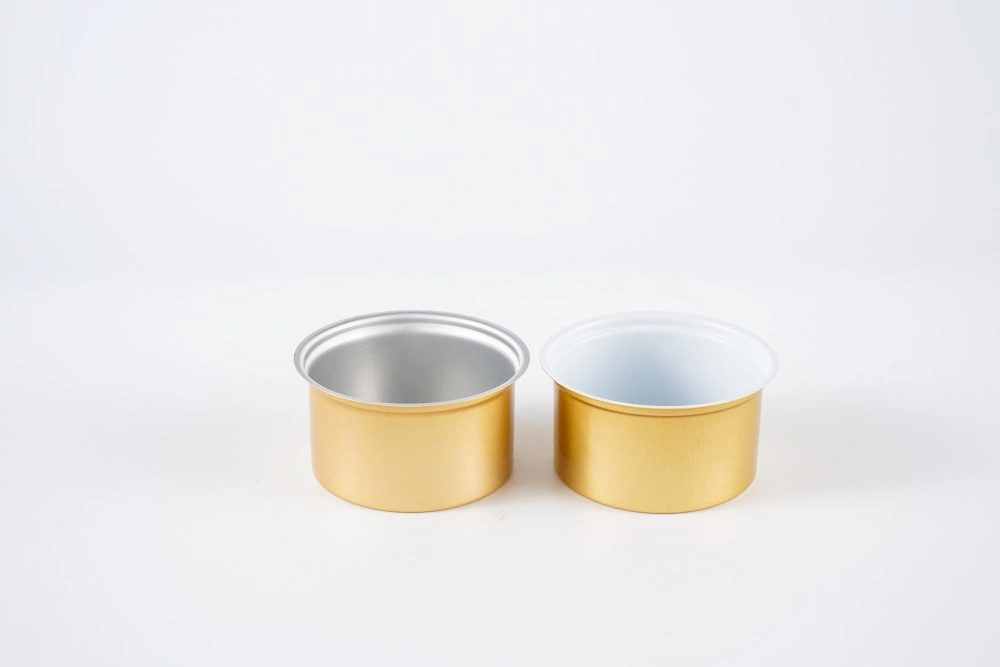
Understanding technical specifications empowers businesses to select Empty Cans for Air Fresheners that precisely match their product requirements and market positioning. Standard diameter ranges typically span from 45mm to 65mm, accommodating various product volumes and dispensing mechanisms. Capacity options generally extend from 150ml to 300ml, providing flexibility for travel-size offerings through standard household formats. These dimensional variations ensure manufacturers can develop comprehensive product lines that address diverse consumer needs and usage scenarios without compromising packaging consistency or brand recognition. Material thickness represents another critical specification that impacts both product protection and cost efficiency. For air freshener applications, aluminum gauges typically range from 0.20mm to 0.25mm, balancing structural integrity with material economy. Empty Cans for Air Fresheners constructed within this thickness range provide adequate pressure resistance for aerosol applications while minimizing material consumption and associated costs. The selection process should consider internal pressure requirements, handling conditions throughout the distribution chain, and end-user expectations for product durability and premium perception. Interior coating technologies deserve careful consideration when specifying Empty Cans for Air Fresheners, as these protective layers directly influence product compatibility and shelf stability. Plain lacquer coatings offer economical protection for many air freshener formulations, creating barriers between metal surfaces and product contents that prevent undesirable chemical interactions. Specialized white coatings enhance visual appeal for transparent or translucent formulations while providing additional corrosion resistance. Advanced coating systems may incorporate antimicrobial properties or enhanced barrier characteristics for particularly sensitive formulations, ensuring product integrity throughout extended storage periods.
Manufacturing Process Excellence
The production journey of Empty Cans for Air Fresheners begins with rigorous material selection protocols that ensure consistent quality and performance. Reputable manufacturers implement comprehensive incoming material inspections, verifying aluminum or tinplate specifications meet established standards for chemical composition, mechanical properties, and surface quality. This foundational step prevents downstream quality issues and ensures finished cans deliver the protective performance and aesthetic presentation that brands require. Cutting and shaping operations transform raw metal sheets into cylindrical can bodies through precision stamping and forming processes. Modern manufacturing facilities employ computer-controlled equipment that maintains tight dimensional tolerances, ensuring consistent can dimensions that facilitate efficient filling line operations and reliable valve assembly. The seamless construction techniques used in quality Empty Cans for Air Fresheners eliminate potential leak paths that could compromise product containment, providing the airtight integrity essential for pressurized air freshener applications. Printing and coating stages represent opportunities to transform functional containers into compelling brand ambassadors. Advanced printing technologies enable photo-quality graphics reproduction that communicates product benefits, usage instructions, and regulatory information clearly and attractively. UV-cured inks and protective overcoats ensure graphics remain vibrant and legible throughout the product lifecycle, resisting abrasion, moisture, and handling damage that could diminish brand presentation. For Empty Cans for Air Fresheners, exterior coating systems also contribute to sustainability credentials when formulated without BPA or other controversial chemical additives that concern environmentally conscious consumers.
Quality Assurance and Certification Standards
Comprehensive quality control programs distinguish professional Empty Cans for Air Fresheners manufacturers from commodity suppliers. Multi-stage inspection protocols should encompass raw material verification, in-process monitoring, and finished product validation to ensure every can meets specified performance criteria. Dimensional accuracy checks confirm compatibility with automated filling equipment, while pressure testing verifies structural integrity under simulated use conditions. Visual inspections identify coating defects, printing inconsistencies, or surface imperfections that could affect product appearance or functional performance. ISO 9001:2015 certification demonstrates organizational commitment to quality management principles that drive consistent product excellence. This internationally recognized standard requires documented procedures, regular internal audits, and continuous improvement initiatives that systematically enhance manufacturing capabilities. For businesses sourcing Empty Cans for Air Fresheners, ISO 9001 certification provides confidence that supplier quality systems minimize variation and prevent defects that could disrupt production schedules or compromise brand reputation. The standard's process-oriented approach ensures quality considerations permeate every operational aspect rather than relying solely on final product inspection. Environmental management certifications including ISO 14001:2004 signal manufacturer dedication to minimizing ecological impacts throughout production operations. This standard addresses energy consumption, waste generation, emissions control, and resource efficiency—factors that collectively determine the environmental footprint of Empty Cans for Air Fresheners. Manufacturers holding ISO 14001 certification implement systematic environmental management approaches that align with customer sustainability objectives, making them preferred partners for brands prioritizing corporate environmental responsibility. Additional certifications such as REACH compliance and FDA recognition further validate product safety and regulatory conformance for international markets.
Customization Capabilities That Enhance Brand Identity
Modern consumers evaluate products holistically, considering packaging aesthetics alongside functional benefits when making purchase decisions. Empty Cans for Air Fresheners offer extensive customization possibilities that enable brands to create distinctive visual identities that resonate with target audiences. Size flexibility accommodates positioning strategies from compact portable formats for automotive applications through larger capacity options for residential and commercial spaces. Shape variations including standard cylindrical designs, contoured profiles, and specialized geometries provide additional differentiation opportunities that make products instantly recognizable on crowded retail shelves. Printing capabilities extend beyond basic labeling to encompass sophisticated graphic treatments that communicate brand narratives and product benefits compellingly. Full-body printing transforms Empty Cans for Air Fresheners into miniature billboards that showcase brand personalities through color schemes, imagery, typography, and messaging hierarchies. Metallic inks, gradient effects, and specialty finishes create premium appearances that justify premium pricing while reinforcing quality perceptions. Embossing and debossing techniques add tactile dimensions that enhance perceived value and provide memorable touch points that strengthen brand-consumer connections. Labeling approaches offer alternative customization pathways that balance visual impact with production flexibility. Pressure-sensitive labels enable shorter production runs and faster design iterations compared to direct printing, advantageous for limited editions, seasonal variants, or test market products. Shrink sleeve technology provides 360-degree graphic coverage that maximizes branding opportunities while accommodating complex can shapes. The selection between printing and labeling methodologies should consider production volumes, design change frequency, and desired shelf presentation to optimize both aesthetic outcomes and operational efficiency for Empty Cans for Air Fresheners.
Strategic Advantages for Air Freshener Manufacturers
Partnering with experienced Empty Cans for Air Fresheners suppliers delivers strategic benefits that extend beyond simple component procurement. Established manufacturers possess deep industry knowledge regarding formulation compatibility, regulatory requirements, and market trends that inform better packaging decisions. Their technical expertise helps brands avoid costly mistakes during product development while accelerating time-to-market for new introductions. Access to comprehensive testing facilities enables validation of can-formulation interactions, pressure resistance, and shelf life performance before full-scale production commitments. Inventory management represents another area where capable suppliers add significant value. Maintaining appropriate Empty Cans for Air Fresheners stock levels ensures uninterrupted production schedules while minimizing working capital tied up in component inventory. Sophisticated suppliers implement vendor-managed inventory programs that balance availability assurance with inventory efficiency, using demand forecasting and production planning integration to optimize stock positions. This collaborative approach reduces stockout risks that could halt production while avoiding excess inventory that consumes storage space and financial resources. Scalability considerations become increasingly important as brands grow and market demands evolve. Suppliers with substantial production capacity can accommodate volume increases without quality compromises or delivery delays that constrain business expansion. Their investment in multiple production lines and backup equipment provides continuity assurance even during equipment maintenance periods or unexpected demand surges. For Empty Cans for Air Fresheners applications, this capacity depth ensures brands can confidently pursue growth opportunities knowing their packaging supply chain can scale proportionally.
Logistics and Distribution Efficiency
Packaging weight directly impacts transportation costs and environmental footprints throughout supply chains. Empty Cans for Air Fresheners manufactured from aluminum deliver significant weight advantages compared to alternative materials, enabling higher quantities per shipment while reducing fuel consumption and associated emissions. This efficiency benefit extends through multi-tiered distribution networks from manufacturing facilities through warehouses and ultimately to retail locations. The cumulative transportation savings across high-volume products generate substantial cost reductions and sustainability improvements that benefit both manufacturers and end consumers. Stackability characteristics influence storage efficiency and damage prevention during handling operations. Well-designed Empty Cans for Air Fresheners incorporate features that enable stable stacking configurations that maximize warehouse cube utilization while preventing collapse or deformation under load. Nesting capabilities for empty cans further optimize inbound logistics efficiency, allowing suppliers to ship larger quantities per truck load compared to non-nestable designs. These geometric considerations may seem mundane but generate meaningful economic and environmental benefits across supply chains handling millions of units annually. Protective packaging requirements for Empty Cans for Air Fresheners balance damage prevention with material minimization objectives. Appropriate cushioning materials and container designs protect cans during transit without excessive packaging material consumption that inflates costs and waste generation. Innovative suppliers develop optimized packaging configurations through distribution simulation testing that identifies minimum protective requirements for various shipping scenarios. This scientific approach ensures adequate protection while eliminating unnecessary packaging materials that contribute to waste streams and increase handling labor.
Application Versatility Across Air Freshener Categories
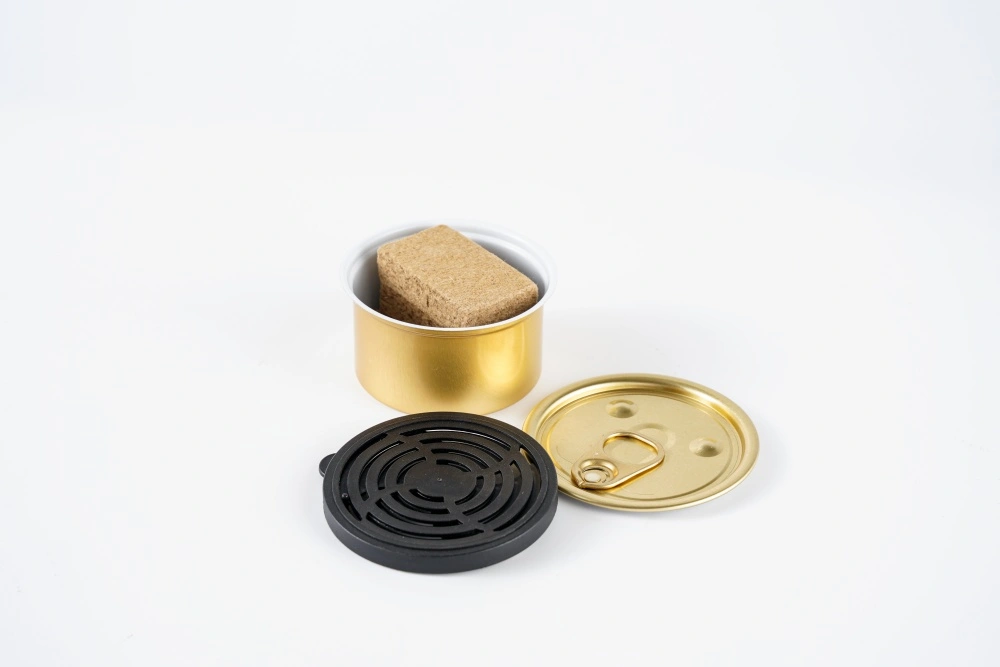
Empty Cans for Air Fresheners accommodate diverse product formulations that address varied consumer preferences and usage contexts. Spray air fresheners represent the largest market segment, delivering instant fragrance release through fine mist dispersion that quickly freshens spaces. The pressurized delivery system requires can construction that withstands internal pressures while maintaining valve compatibility for consistent spray patterns. Aluminum construction proves particularly advantageous for spray applications due to its light weight and pressure resistance characteristics that ensure reliable performance throughout product life. Gel air fresheners present different packaging requirements that Empty Cans for Air Fresheners readily address through design modifications. Wide-mouth openings facilitate efficient filling operations while enabling consumers to easily access and replace gel contents. Perforated lids control fragrance release rates, extending product effectiveness over weeks or months compared to rapidly depleting spray formats. The decorative potential of metal cans enhances gel air freshener appeal, as attractive containers become semi-permanent fixtures in living spaces rather than utilitarian packages concealed in cabinets.
Solid air fresheners including bead systems and wax-based formulations benefit from metal packaging's protective properties and premium appearance. Empty Cans for Air Fresheners prevent moisture ingress that could degrade hygroscopic solid formulations while containing volatile fragrance compounds that might otherwise dissipate prematurely. The thermal stability of metal construction proves advantageous for solid air fresheners that may experience elevated temperatures during storage and distribution, maintaining package integrity and product quality across challenging environmental conditions. Automotive air freshener applications demand compact formats and secure closures that prevent spills during vehicle operation. Empty Cans for Air Fresheners designed for automotive markets typically incorporate reduced diameters and heights that fit conveniently in cup holders or door pockets while maintaining sufficient capacity for extended effectiveness. Specialized lid designs ensure reliable closure that prevents accidental openings during normal driving while enabling easy access when fragrance refreshment becomes necessary. The durability of metal construction withstands the vibration and temperature extremes characteristic of automotive environments better than many alternative materials.
Conclusion
Empty Cans for Air Fresheners represent the convergence of environmental sustainability, product protection excellence, and brand differentiation capabilities that modern markets demand. Their infinite recyclability, superior barrier properties, and extensive customization options position metal packaging as the optimal choice for air freshener brands committed to delivering quality products while minimizing environmental impacts. As consumer preferences continue shifting toward sustainable alternatives and regulatory frameworks increasingly prioritize packaging responsibility, Empty Cans for Air Fresheners provide future-proof solutions that satisfy multiple stakeholder requirements simultaneously.
Cooperate with Shandong Three Iron-Printing & Tin-Making Co.,Ltd.
Shandong Three Iron-Printing & Tin-Making Co.,Ltd. stands as your premier China Empty Cans for Air Fresheners manufacturer, strategically located in Linyi Economic and Technological Development Zone with over 270,000 square meters of advanced production facilities. As a leading China Empty Cans for Air Fresheners factory and China Empty Cans for Air Fresheners supplier, we operate cutting-edge equipment from Germany, Japan, Switzerland, and Italy, producing 50,000 tons annually with certifications including ISO9001:2008, ISO14001:2004, SGS, BPA, and CE. Our High Quality Empty Cans for Air Fresheners serve clients across USA, Germany, Poland, Russia, Vietnam, Indonesia, Thailand, Mongolia, and Cambodia.
We offer competitive Empty Cans for Air Fresheners price as a trusted China Empty Cans for Air Fresheners wholesale partner, with comprehensive Empty Cans for Air Fresheners for sale inventory ready for immediate shipment. Our mature R&D team provides robust technical support backed by strong financial stability and complete certifications. We support OEM customization with fast delivery and strict packaging standards. Our seamless construction prevents leaks, customizable exteriors amplify brand messaging, recyclable materials satisfy eco-conscious consumers, and stackable designs optimize storage efficiency.
Contact our experienced team at info@threefoodcan.com to discuss your specific packaging requirements. Whether you need standard specifications or custom-engineered solutions, our technical experts will develop optimal packaging strategies that enhance your product performance and market positioning. Request your free samples today and discover why leading brands trust Shandong Three Iron-Printing & Tin-Making Co.,Ltd. as their preferred packaging partner. Save this guide for future reference as you navigate your sustainable packaging journey.
References
1. Johnson, M. & Williams, R. "Sustainable Packaging Solutions in the Personal Care Industry," Journal of Environmental Packaging, Vol. 15, No. 3, 2023.
2. Chen, L. "Aluminum and Tinplate Recyclability: Circular Economy Principles in Metal Packaging," International Journal of Materials Science, 2024.
3. Thompson, K. et al. "Consumer Preferences for Eco-Friendly Packaging in Home Fragrance Products," Marketing Research Quarterly, Vol. 28, No. 2, 2023.
4. Anderson, P. "Advanced Coating Technologies for Metal Container Applications," Packaging Technology Review, 2024.
5. Roberts, S. & Martinez, D. "Life Cycle Assessment of Air Freshener Packaging Materials," Environmental Science & Technology Journal, Vol. 42, No. 4, 2024.
YOU MAY LIKE