

Empty Cans for Air Fresheners Benefits for Private Label Brands
2026-06-29
Are you struggling to differentiate your air freshener brand in an increasingly crowded marketplace where consumers demand both quality and value? The packaging you choose can make or break your brand's success, especially when competing against established national brands. Empty Cans for Air Fresheners offer private label brands a strategic advantage by combining customizable design options, superior product protection, and cost-effective manufacturing that enables brands to build distinctive market positions while maintaining healthy profit margins. This comprehensive guide explores how the right packaging solution transforms private label air fresheners from generic commodities into compelling brand experiences that capture consumer attention and drive lasting loyalty.
Why Empty Cans for Air Fresheners Are Essential for Private Label Success?
The private label industry has evolved dramatically over the past decade, moving far beyond the basic value proposition of offering cheaper alternatives to national brands. Today's successful private label brands recognize that packaging serves as their primary brand ambassador, creating the first and most lasting impression on potential customers. Empty Cans for Air Fresheners provide private label brands with a powerful tool for establishing brand identity and communicating quality in ways that resonate with increasingly discerning consumers. These specialized containers offer far more than simple product containment; they represent a comprehensive branding opportunity that savvy retailers leverage to build customer loyalty and command premium shelf positioning. The aluminum and tinplate construction of quality Empty Cans for Air Fresheners ensures that products maintain their fragrance integrity throughout their shelf life, addressing one of the most critical pain points in air freshener packaging where inferior containers allow volatile compounds to escape, diminishing product effectiveness and disappointing customers. Furthermore, the impermeable nature of properly engineered metal cans creates an airtight seal that prevents moisture ingress and oxidation, two factors that can significantly degrade air freshener formulations and reduce their effective lifespan. For private label brands competing in markets where trust must be earned rather than inherited from decades of advertising, this reliability becomes a cornerstone of brand reputation.
Customization Capabilities Drive Brand Differentiation
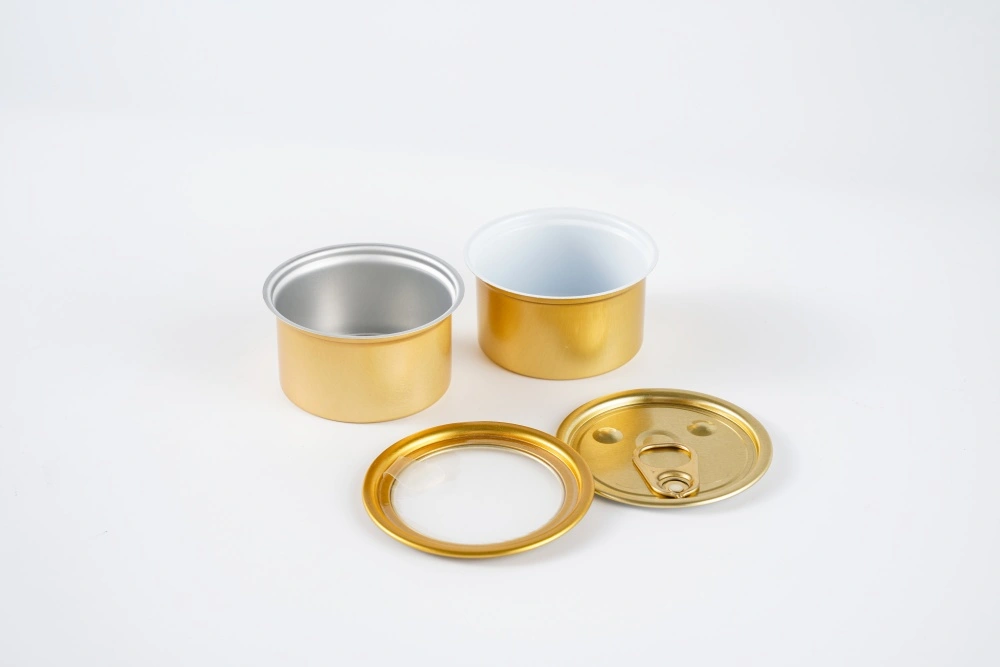
In an era where brand differentiation determines market success, Empty Cans for Air Fresheners offer unparalleled customization options that allow private label brands to express their unique identity and values. Modern printing technologies enable high-resolution graphics, vibrant color reproduction, and sophisticated design elements that were once available only to brands with massive marketing budgets. Private label brands can now create packaging that tells compelling brand stories, incorporates lifestyle imagery, and uses typography that resonates with specific demographic segments. The exterior surface of Empty Cans for Air Fresheners serves as a canvas for brand messaging, allowing retailers to communicate everything from eco-friendly credentials to luxury positioning through carefully considered design choices. Customization extends beyond mere aesthetics to include functional elements such as specialized nozzle designs, ergonomic shapes that fit comfortably in hand, and size variations that cater to different usage scenarios from compact car fresheners to large-capacity home units. This flexibility enables private label brands to develop comprehensive product lines that serve multiple market segments while maintaining visual brand coherence across the entire portfolio. The ability to rapidly iterate designs and test new concepts with relatively modest minimum order quantities gives private label brands an agility advantage over national brands constrained by established packaging templates and massive production runs. Shandong Three Iron-Printing & Tin-Making Co., Ltd. specializes in providing these customization capabilities, offering diameters ranging from 45mm to 65mm with capacity options from 150ml to 300ml, allowing brands to select specifications that perfectly match their product formulations and target market preferences.
Cost Efficiency Without Compromising Quality Standards
One of the most compelling advantages Empty Cans for Air Fresheners offer private label brands involves the economic equation that makes superior packaging accessible without requiring premium pricing. Private label success fundamentally depends on offering products that deliver perceived value exceeding their price point, and packaging costs represent a significant component of total product costs that must be carefully managed. High-quality Empty Cans for Air Fresheners manufactured with advanced production technologies achieve economies of scale that translate into competitive per-unit costs, especially when brands establish ongoing relationships with experienced manufacturers who understand the private label business model. The recyclable nature of aluminum and tinplate materials also contributes to cost management by reducing environmental compliance expenses and potentially qualifying brands for various sustainability incentives in regulated markets. Material selection between aluminum and tinplate allows brands to optimize the cost-quality balance based on specific product requirements, with aluminum offering lightweight advantages ideal for shipping cost reduction while tinplate provides exceptional strength for products requiring additional durability. The manufacturing process for Empty Cans for Air Fresheners has become increasingly efficient through automation and precision engineering, reducing labor costs and minimizing material waste that once made metal packaging prohibitively expensive for smaller brands. Modern coating technologies protect both the interior and exterior surfaces with plain lacquer formulations that ensure product compatibility and visual appeal without requiring expensive specialized treatments. These cost efficiencies enable private label brands to invest saved resources into other critical areas such as fragrance development, marketing initiatives, or broader product line expansion that accelerates market penetration and brand building.
Technical Advantages of Empty Cans for Air Fresheners in Product Protection
The scientific principles underlying effective air freshener packaging reveal why Empty Cans for Air Fresheners consistently outperform alternative packaging materials in preserving product integrity and delivering consistent consumer experiences. Air freshener formulations typically contain volatile organic compounds that must be contained within packaging until the consumer chooses to release them through controlled dispensing mechanisms. The molecular structure of properly formulated metal cans creates an absolute barrier to these compounds, preventing the gradual diffusion that plagues plastic containers and causes product deterioration even in unopened packages. This barrier property extends to external contaminants as well, protecting fragrances from absorbing unwanted odors from storage environments or other nearby products that could compromise the intended scent profile. Temperature stability represents another critical technical advantage, as Empty Cans for Air Fresheners maintain their structural integrity across the wide temperature ranges products encounter during distribution, warehousing, and consumer storage, from freezing temperatures in unheated facilities to elevated temperatures in retail displays or vehicle interiors. The internal coating systems applied to Empty Cans for Air Fresheners undergo rigorous testing to ensure compatibility with diverse fragrance chemistries, solvents, and propellants used in modern air freshener formulations, preventing unwanted chemical interactions that could alter scent profiles or create safety concerns. Pressure resistance characteristics of metal cans accommodate aerosol formulations that require pressurized dispensing systems, enabling private label brands to offer spray products that compete directly with premium national brand offerings. The seamless construction employed in quality Empty Cans for Air Fresheners eliminates potential weak points where leaks might develop, providing the reliability consumers expect when purchasing air freshener products intended to last weeks or months. Advanced sealing technology at the top closure interface creates multiple layers of protection, with precisely engineered threads, gaskets, and crimp seals working together to maintain product integrity throughout the distribution chain and shelf life period.
Manufacturing Excellence in Empty Cans for Air Fresheners Production
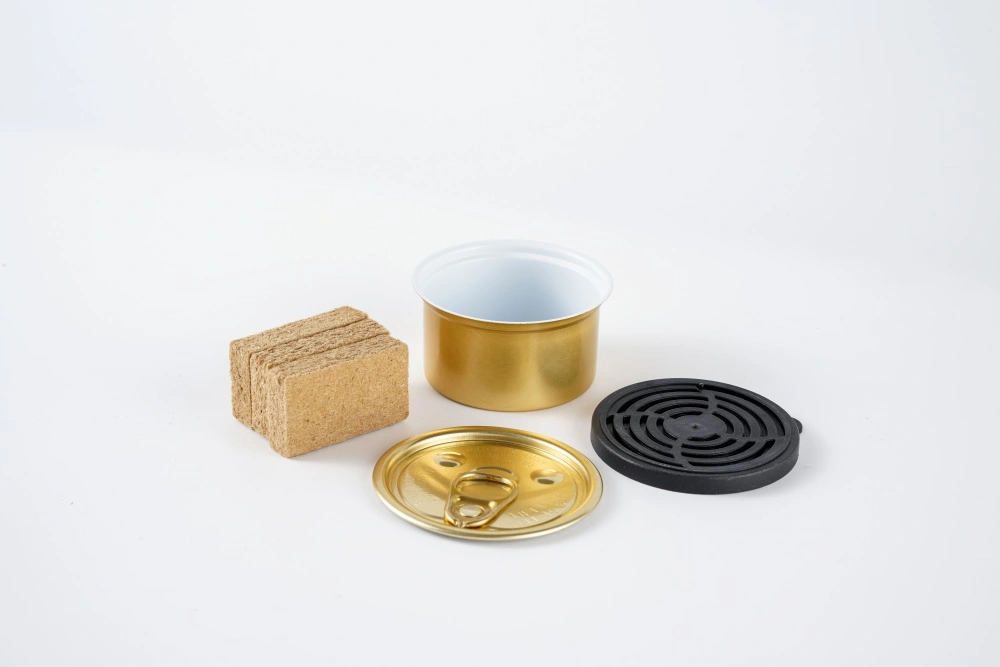
The production of high-quality Empty Cans for Air Fresheners requires sophisticated manufacturing capabilities, technical expertise, and quality control systems that distinguish professional suppliers from commodity producers. Shandong Three Iron-Printing & Tin-Making Co., Ltd. demonstrates this manufacturing excellence through its comprehensive facility spanning over 270,000 square meters in the Linyi Economic and Technological Development Zone, strategically located near transportation infrastructure that facilitates efficient logistics. The company's investment in advanced production equipment from leading international suppliers, including lines from Germany, Japan, Taiwan, and Switzerland's Soudronic high-speed systems, reflects a commitment to manufacturing standards that meet global quality expectations. This equipment integration enables precision cutting and shaping of raw materials into perfectly formed cylindrical bodies with consistent wall thicknesses that ensure uniform strength throughout the container structure. The printing and coating processes employ state-of-the-art technology capable of reproducing complex graphics with sharp details and vibrant colors that remain stable throughout the product's shelf life despite exposure to handling and environmental factors. Quality inspection protocols implemented at multiple stages throughout production catch potential defects before they reach customers, with automated vision systems complementing human inspectors to verify dimensional accuracy, coating integrity, and overall product appearance. The company's annual production capacity of 600 million cans demonstrates the scale efficiencies that enable competitive pricing while maintaining quality standards verified through ISO 9001:2015, ISO 14001:2004, SGS, BPA, and CE certifications. This certification portfolio provides private label brands with the documented quality assurance their retail customers demand, facilitating product acceptance in markets with stringent regulatory requirements. Material selection processes ensure that incoming aluminum and tinplate meet precise specifications for thickness, composition, and mechanical properties that determine final can performance characteristics.
Sustainability Benefits Align with Consumer Values
Modern consumers increasingly make purchasing decisions based on environmental considerations, creating powerful market incentives for private label brands to embrace sustainable packaging solutions. Empty Cans for Air Fresheners manufactured from aluminum and tinplate materials offer exceptional environmental profiles that resonate with eco-conscious consumers and align with corporate sustainability initiatives. The infinite recyclability of these metals means that properly disposed cans can be reprocessed repeatedly without degradation of material properties, creating a true circular economy model where today's packaging becomes tomorrow's raw material. This recyclability contrasts sharply with plastic alternatives that typically allow only one or two recycling cycles before material degradation necessitates downcycling into lower-value applications or ultimate disposal. The energy required to produce aluminum cans from recycled material consumes approximately ninety-five percent less energy than primary aluminum production, making recycling dramatically more efficient than virgin material extraction and processing. Metal recycling infrastructure exists extensively throughout developed markets, with established collection systems ensuring that consumers can easily participate in recycling programs through curbside pickup or dedicated collection points. Private label brands leveraging Empty Cans for Air Fresheners can credibly communicate environmental benefits to consumers through on-package messaging highlighting recyclability and encouraging proper disposal. The durability of metal packaging also contributes to sustainability by preventing product waste from package failures that force consumers to discard partially used air fresheners when containers crack or lose their seal integrity. Stackable design features optimize transportation efficiency by maximizing the number of units that fit within standard shipping containers and pallets, reducing the fuel consumption and carbon emissions associated with product distribution across supply chains.
Strategic Market Positioning Through Empty Cans for Air Fresheners
Private label brands succeed by identifying and exploiting market positioning opportunities that national brands cannot or will not pursue, and packaging choices play a crucial role in executing these positioning strategies. Empty Cans for Air Fresheners enable diverse positioning approaches from value-focused offerings that compete primarily on price to premium products that command higher margins through perceived quality and design sophistication. Value-positioned brands benefit from the cost efficiencies metal cans provide while still delivering the product protection and professional appearance necessary to overcome consumer skepticism about store brand quality. The consistency of metal packaging creates quality cues that help bridge the perception gap between private labels and established national brands, making consumers more willing to try private label air fresheners when the packaging communicates competence and reliability. Premium private label positioning leverages the customization capabilities of Empty Cans for Air Fresheners to create packaging that rivals or exceeds national brand aesthetics, with sophisticated graphics, unusual shapes, and premium finishes such as matte coatings that signal elevated quality. This premium positioning allows retailers to offer differentiated products that appeal to consumers seeking unique fragrances and superior experiences while maintaining the price advantages that make private labels attractive. Specialty market segments such as natural and organic air fresheners particularly benefit from metal packaging that communicates authenticity and quality alignment with the premium ingredients these products contain. The versatility of Empty Cans for Air Fresheners supports product line extensions across categories including spray air fresheners for immediate odor control, gel formulations for continuous background freshening, and specialized car air fresheners designed for vehicle cup holders or vent mounting. This category coverage enables retailers to present comprehensive air freshener assortments under unified private label branding that builds cross-category awareness and loyalty.
Building Brand Equity Through Consistent Packaging
Brand equity development represents a long-term strategic objective for successful private label programs, transforming store brands from price alternatives into trusted choices consumers actively prefer. Empty Cans for Air Fresheners contribute to brand equity building through the consistency they enable across product lines, creating the visual coherence that helps consumers recognize and remember private label offerings. When shoppers encounter consistent packaging design elements across multiple air freshener products within a private label line, they begin to associate these visual cues with their experience of product quality and value, gradually building the brand recognition that national brands have historically monopolized. The professional appearance that quality Empty Cans for Air Fresheners deliver helps overcome the quality skepticism that has traditionally limited private label market share, particularly in categories like air fresheners where performance directly affects consumer satisfaction. Distinctive packaging designs protected through trademark registration can become valuable intellectual property assets that differentiate private label offerings from competitors and create barriers to imitation. The physical durability of metal cans ensures that packaging maintains its attractive appearance throughout the product's shelf life, avoiding the fading and deterioration that can occur with labels on plastic containers exposed to light and handling. Retailers investing in brand equity development increasingly recognize that packaging quality directly influences consumer perception of product quality, making the selection of premium Empty Cans for Air Fresheners a strategic brand-building investment rather than merely a procurement decision. The global export success of products packaged in quality metal cans manufactured by suppliers like Shandong Three Iron-Printing & Tin-Making Co., Ltd., with products reaching markets in the USA, Germany, Poland, Russia, Vietnam, Indonesia, Thailand, Mongolia, and Cambodia, demonstrates the universal appeal of well-executed metal packaging across diverse cultural contexts.
Regulatory Compliance and Safety Considerations
The regulatory environment surrounding air freshener products and packaging continues to evolve with increasing attention to consumer safety and environmental protection, creating compliance obligations that private label brands must navigate carefully. Empty Cans for Air Fresheners from qualified manufacturers like Shandong Three Iron-Printing & Tin-Making Co., Ltd. come with the certifications and testing documentation necessary to demonstrate compliance with regulations in major markets. ISO 9001 certification verifies that manufacturing quality management systems meet international standards for consistent production control and continuous improvement, providing assurance that every production batch maintains specified quality levels. Environmental management certification under ISO 14001 demonstrates systematic approaches to minimizing environmental impacts throughout manufacturing operations, addressing growing retailer and consumer concerns about supply chain sustainability. BPA-free certifications for internal can coatings address consumer health concerns about endocrine-disrupting chemicals, allowing brands to market products as free from controversial substances. Material safety data sheets and product specifications enable private label brands to fulfill their own regulatory obligations for product labeling, safety information, and hazardous material handling where applicable. The international reach of certification standards facilitates market expansion for private label brands seeking to export products or source packaging from manufacturers serving global markets. Compliance with food-contact regulations even for non-food products like air fresheners reflects the comprehensive safety standards applied to Empty Cans for Air Fresheners manufacturing, ensuring that packaging materials meet the highest safety benchmarks. These regulatory advantages become particularly valuable when retailers expand private label programs internationally or when regulatory requirements tighten in response to consumer safety advocacy or scientific findings.
Practical Implementation Strategies for Private Label Brands
Successfully leveraging Empty Cans for Air Fresheners within private label programs requires strategic planning that aligns packaging decisions with broader brand objectives and market positioning. Brands should begin by conducting thorough market analysis to understand competitive packaging trends, identify differentiation opportunities, and evaluate consumer preferences within target demographic segments. This research informs design decisions about can size, shape, graphics, and finishes that will resonate most effectively with intended buyers while distinguishing products from competitors on crowded retail shelves. Establishing relationships with experienced packaging suppliers like Shandong Three Iron-Printing & Tin-Making Co., Ltd. early in product development enables brands to benefit from supplier expertise regarding technical feasibility, cost optimization, and design possibilities. The company's low minimum order quantities make it financially viable for brands to test market response with smaller initial production runs before committing to large-scale inventory investments. Sample programs allow brands to evaluate physical samples of proposed packaging designs, assessing how graphics reproduce on actual metal surfaces and how consumers respond to packaging in focus groups or limited market tests. Coordinating packaging development with fragrance formulation ensures compatibility between product chemistry and can interior coatings, preventing interactions that could alter scent profiles or compromise product safety. Timeline planning should account for design development, sample production, tooling for custom shapes if required, and production lead times that ensure product availability aligns with retail merchandising calendars and promotional events. Quality specifications should be clearly documented in supplier agreements, establishing measurable standards for dimensional accuracy, coating integrity, graphics quality, and functional performance that packaging must meet.
Optimizing Supply Chain Integration
The efficiency of supply chain integration between packaging suppliers and private label brands significantly impacts overall program success through cost control, inventory management, and product availability reliability. Private label brands benefit from establishing strategic partnerships with packaging suppliers rather than treating them as transactional vendors, creating collaborative relationships where both parties understand shared success objectives. Shandong Three Iron-Printing & Tin-Making Co., Ltd.'s large inventory capacity enables rapid order fulfillment that helps brands respond quickly to unexpected demand spikes or accelerated product launches without lengthy production delays. Flexible shipping options including FOB, CIF, and door-to-door delivery accommodate different logistical requirements based on brand size, geographic location, and supply chain capabilities. Brands with limited warehousing capacity appreciate suppliers who can hold inventory and ship directly to filling operations or retail distribution centers as needed, reducing working capital requirements. Robust packaging specifications ensure products arrive in perfect condition despite the rigors of international shipping and multiple handling points throughout distribution networks. Electronic data interchange systems enable seamless order processing and shipment tracking that provides brands with real-time visibility into supply status for accurate production planning. Long-term volume commitments often unlock preferential pricing that improves brand profitability while providing suppliers with the production planning certainty that enables capacity investment. Risk management strategies should include qualified alternative suppliers for critical packaging components, ensuring business continuity if primary suppliers experience disruptions. Quality audits of supplier facilities verify that manufacturing capabilities and quality systems align with brand standards and provide early warning of potential issues before they affect product delivery.
Marketing and Consumer Communication
The role of Empty Cans for Air Fresheners extends far beyond functional containment to become a crucial marketing tool that communicates brand messages and influences purchase decisions at the critical moment when consumers evaluate options on retail shelves. Package design serves as silent salespeople that must instantly communicate product benefits, brand identity, and quality positioning without the support of sales staff or advertising that drives awareness for national brands. Strategic use of design elements including color psychology, typography, imagery, and layout creates visual hierarchies that guide consumer attention to key information such as fragrance descriptions, usage instructions, and brand differentiators. On-package messaging should address consumer pain points directly, highlighting benefits such as long-lasting fragrance, natural ingredients, or eco-friendly packaging that align with target customer values and purchase criteria. Clear product naming and scent descriptions help consumers make confident selections by providing the information necessary to anticipate how products will perform in their intended applications. QR codes or website URLs printed on Empty Cans for Air Fresheners create connections between physical products and digital brand experiences, enabling consumers to access additional product information, usage tips, or engagement opportunities that deepen brand relationships. User-generated content campaigns encouraging customers to share photos or reviews of private label air fresheners with distinctive can designs can generate valuable word-of-mouth marketing and social proof. Retail merchandising strategies should leverage the visual impact of well-designed Empty Cans for Air Fresheners through shelf arrangements that maximize brand blocking and create strong visual statements that compete effectively for consumer attention against national brand displays.
Conclusion
Empty Cans for Air Fresheners deliver transformative benefits for private label brands seeking to establish market differentiation through superior packaging solutions that combine functional excellence with brand-building capabilities. The strategic advantages span cost efficiency, product protection, sustainability credentials, and customization flexibility that enables diverse positioning strategies.
Cooperate with Shandong Three Iron-Printing & Tin-Making Co., Ltd.
Partner with a China Empty Cans for Air Fresheners factory that transforms your vision into reality. As a leading China Empty Cans for Air Fresheners supplier and China Empty Cans for Air Fresheners manufacturer, Shandong Three Iron-Printing & Tin-Making Co., Ltd. offers China Empty Cans for Air Fresheners wholesale solutions with High Quality Empty Cans for Air Fresheners for sale at competitive Empty Cans for Air Fresheners price points. Located in Linyi Economic and Technological Development Zone with over 270,000 square meters of advanced facilities, we operate cutting-edge production lines from Germany, Japan, Taiwan, and Switzerland producing 600 million cans and 2 billion easy-pull covers annually. Our ISO9001:2008, ISO14001:2004, SGS, BPA, and CE certifications guarantee quality excellence. We deliver seamless construction preventing leaks, customizable exteriors for brand messaging, recyclable materials for eco-conscious consumers, and stackable designs for efficient storage and transportation. Our mature R&D team, technical support, strong financial position, large inventory, and complete certifications enable fast delivery with strict packaging. Contact us at info@threefoodcan.com to elevate your brand.
References
1. Geyskens, Inge, Katrijn Gielens, and Els Gijsbrechts. "Proliferating Private-Label Portfolios: How Introducing Economy and Premium Private Labels Influences Brand Choice." Journal of Marketing Research.
2. Corstjens, Marcel and Rajiv Lal. "Building Store Loyalty through Store Brands." Journal of Marketing Research.
3. Choi, S. Chan and Anne T. Coughlan. "Private Label Positioning: Quality versus Feature Differentiation from the National Brand." Journal of Retailing.
4. Bronnenberg, Bart, Jean-Pierre Dubé, and Robert E. Sanders. "Consumer Misinformation and the Brand Premium: A Private Label Blind Taste Test." Marketing Science.
5. Danaher, Peter J., Tracey S. Danaher, Michael Smith, and Ruben Loaiza-Maya. "Advertising Effectiveness for Multiple Retailer-Brands in a Multimedia and Multichannel Environment." Journal of Marketing Research.
YOU MAY LIKE