

Empty Cans for Air Fresheners: Applications in Home & Auto
2026-06-29
Picture this: you walk into your home after a long day, only to be greeted by stale odors from cooking, pets, or musty corners. Or perhaps you slide into your car on a hot summer morning, met with an overwhelming smell that makes the commute unbearable. These everyday scenarios highlight a critical need that millions face globally—effective, long-lasting odor control solutions for both residential and automotive spaces. Empty Cans for Air Fresheners provide the foundation for addressing these persistent challenges, offering versatile packaging that ensures fragrance retention, product integrity, and user convenience across diverse environments.
Understanding Empty Cans for Air Fresheners in Modern Applications
Empty Cans for Air Fresheners represent specialized packaging solutions engineered to meet the demanding requirements of odor control products used in homes, offices, vehicles, and commercial spaces. These containers are crafted from premium materials such as aluminum and tinplate, selected specifically for their ability to preserve fragrance quality, prevent contamination, and withstand various environmental conditions. The packaging industry has witnessed significant evolution in can design, with manufacturers now producing containers that balance functionality with aesthetic appeal, ensuring that air freshener products not only perform effectively but also complement interior design themes in both residential and automotive settings. The technical specifications of these containers reflect decades of research and development in packaging science. Modern Empty Cans for Air Fresheners typically feature diameters ranging from 45mm to 65mm, with capacities between 150ml and 300ml, providing sufficient volume for extended fragrance delivery while maintaining compact dimensions suitable for placement in confined spaces such as car cup holders, bathroom shelves, or office desks. The construction materials undergo rigorous selection processes, with aluminum preferred for its lightweight properties and excellent barrier performance against moisture and oxygen, while tinplate offers superior structural strength for pressurized aerosol applications. Interior coatings, typically plain lacquer combined with specialized white finishes, create a protective barrier that prevents chemical reactions between the fragrance formulation and the metal surface, ensuring product stability throughout the shelf life.
Material Science Behind Air Freshener Packaging
The metallurgy employed in manufacturing Empty Cans for Air Fresheners involves sophisticated material engineering that addresses multiple performance criteria simultaneously. Aluminum, with its natural corrosion resistance and malleability, allows for seamless can construction that eliminates potential leak points, a critical feature for maintaining fragrance concentration over extended periods. The typical thickness of 0.22mm aluminum provides an optimal balance between structural integrity and material economy, enabling manufacturers to produce lightweight containers that reduce shipping costs while maintaining durability sufficient to withstand handling throughout the supply chain. The metal's inherent recyclability aligns with contemporary sustainability expectations, as aluminum can be reprocessed indefinitely without degradation of its essential properties, contributing to circular economy principles increasingly demanded by environmentally conscious consumers. Tinplate alternatives, consisting of steel substrate coated with tin, offer distinct advantages for certain air freshener formulations, particularly those delivered through aerosol mechanisms requiring internal pressurization. The steel core provides exceptional resistance to deformation under pressure, preventing catastrophic failure that could result from improper storage or temperature fluctuations. The tin coating serves dual purposes, offering both corrosion protection and a chemically inert surface that prevents interaction with aggressive fragrance compounds or propellants. Advanced coating technologies applied to interior surfaces include epoxy-based lacquers and specialized polymeric linings that create absolute barriers between container and contents, eliminating taste transfer, odor contamination, or chemical degradation that could compromise product quality.
Versatile Applications in Home Environments
Within residential settings, Empty Cans for Air Fresheners enable diverse odor management strategies tailored to specific room functions and atmospheric conditions. Kitchen applications demand containers capable of housing fragrances strong enough to neutralize persistent cooking odors while remaining subtle enough to avoid overpowering dining experiences. The can design accommodates gel-based formulations that provide continuous passive fragrance release, eliminating the need for electrical power or mechanical dispensing systems. Bathrooms benefit from compact can designs that fit seamlessly into limited shelf space while delivering concentrated fragrance capable of combating humidity-related odor challenges. Living room and bedroom applications favor larger capacity containers with extended release mechanisms, providing weeks or months of consistent atmospheric enhancement without requiring frequent replacement. The technical aspects of home fragrance delivery through these specialized cans involve carefully calibrated release mechanisms that balance immediate impact with longevity. Perforated lid designs control evaporation rates, allowing fragrance molecules to escape at predetermined rates influenced by ambient temperature and air circulation patterns. Gel-based formulations contained within these cans utilize polymer matrices that trap fragrance oils, releasing them gradually as the gel slowly evaporates, a process that can extend effective performance beyond sixty days in typical household conditions. Spray aerosol variants housed in pressurized cans offer instant odor elimination capabilities, with propellant systems designed to atomize fragrance oils into fine mists that distribute evenly throughout room volumes, providing immediate atmospheric transformation when intensive intervention becomes necessary.
Automotive Air Freshener Packaging Solutions
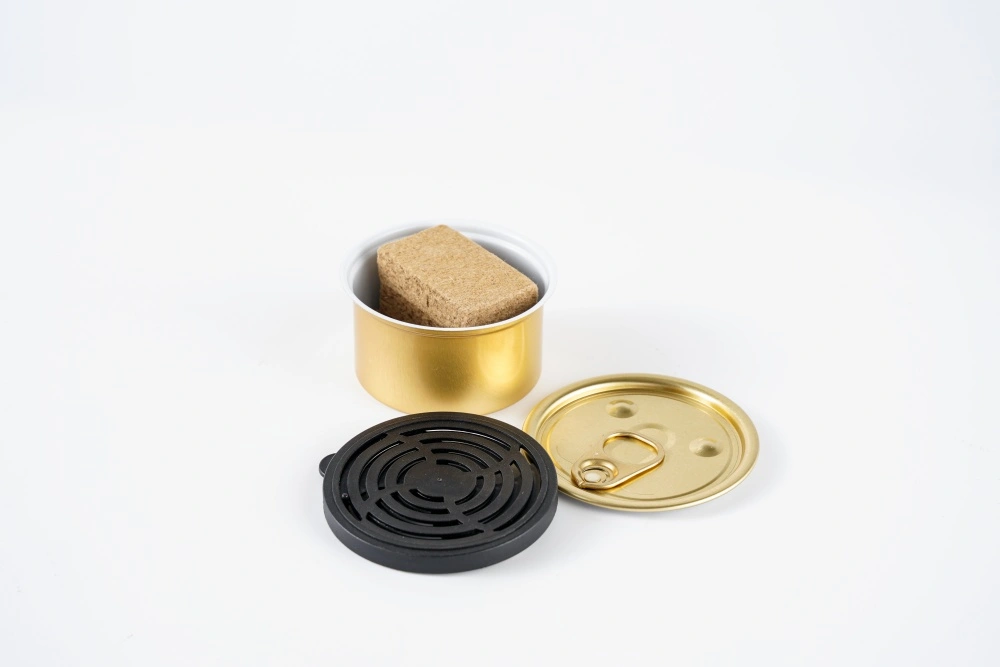
Empty Cans for Air Fresheners designed for automotive applications address unique challenges presented by vehicle environments, where temperature extremes, limited space, and constant motion impose demanding performance requirements. Vehicle interiors experience temperature fluctuations ranging from sub-zero conditions during winter months to potentially exceeding 70 degrees Celsius when parked under direct sunlight during summer, creating extreme stress on both container integrity and fragrance stability. The sealed construction of quality aluminum and tinplate cans provides essential protection against these thermal cycles, preventing premature fragrance evaporation or structural compromise that could result in spillage or product failure. Compact dimensions, particularly those with diameters around 61mm and heights of approximately 36mm, allow placement in standard cup holders, under seats, or within door pockets without interfering with vehicle operation or passenger comfort. The automotive market demands fragrance formulations capable of combating specific odor challenges unique to vehicle environments, including residual tobacco smoke, food consumption odors, pet dander, moisture accumulation, and off-gassing from interior materials. Empty Cans for Air Fresheners accommodate these requirements through specialized interior coatings that maintain compatibility with more aggressive fragrance compounds designed for rapid atmospheric transformation. The round shape common to automotive air freshener cans optimizes stability during vehicle movement, preventing tipping or rolling that could lead to product displacement or damage. Advanced sealing technologies ensure absolute containment even when subjected to the vibrations and accelerations characteristic of daily driving, while pressure-relief mechanisms incorporated into aerosol variants provide safety measures against potential over-pressurization resulting from extreme heat exposure.
Manufacturing Excellence and Quality Standards
The production of Empty Cans for Air Fresheners involves sophisticated manufacturing processes that integrate cutting-edge equipment with stringent quality control protocols. Modern production lines incorporate German precision engineering for can body formation, Japanese printing technology for high-resolution graphics application, and Swiss welding systems for seamless seam construction in aerosol applications. The manufacturing sequence begins with material selection, where incoming aluminum or tinplate sheets undergo rigorous inspection to verify thickness tolerances, surface quality, and material composition meet specification requirements. Cutting and shaping operations employ progressive die systems that transform flat metal into precisely dimensioned cylindrical bodies through multiple forming stages, each carefully controlled to prevent material thinning, work hardening, or surface damage that could compromise structural integrity or coating adhesion. Printing and coating processes represent critical manufacturing phases where brand identity, product information, and protective finishes are applied to can exteriors. Six-color offset printing capabilities enable photographic image quality and vibrant color reproduction that captures consumer attention on retail shelves while communicating product attributes effectively. The printing process must accommodate the curved can surface, requiring specialized ink formulations and precise registration control to ensure pattern continuity around the circumference. Subsequent coating applications, including both matte and glossy finish options, provide surface protection against scratching, moisture exposure, and ultraviolet degradation while enhancing visual appeal. Interior coating application demands particular attention, as coating uniformity and cure quality directly impact product compatibility and shelf stability, requiring automated application systems and thermal curing ovens that maintain precise temperature profiles throughout the processing cycle.
Quality inspection protocols implemented throughout manufacturing ensure every Empty Can for Air Fresheners meets established performance standards before proceeding to packaging and shipment. Dimensional verification using automated measurement systems confirms that diameter, height, and wall thickness remain within specified tolerances, critical for ensuring proper fit with dispensing mechanisms and closure systems. Leak testing procedures subject samples from each production batch to pressurization tests that detect even microscopic imperfections in seams, coatings, or material structure that could permit moisture ingress or fragrance escape. Coating integrity evaluation employs specialized testing methods that assess adhesion strength, chemical resistance, and barrier properties, ensuring interior and exterior finishes will perform reliably throughout product lifecycle. These comprehensive quality measures, combined with certifications including ISO 9001:2015 quality management standards, provide manufacturers and brand owners confidence that their air freshener products will deliver consistent performance and maintain consumer satisfaction.
Customization and Brand Differentiation
Empty Cans for Air Fresheners offer extensive customization possibilities that enable brand owners to create distinctive product presentations aligned with marketing strategies and target consumer preferences. Size variations accommodate different use cases and price points, with smaller capacity options suitable for trial sizes or single-room applications, while larger formats appeal to consumers seeking extended performance and superior value proposition. Shape modifications, though typically maintaining circular cross-sections for manufacturing efficiency and functional stability, can incorporate subtle design elements such as textured surfaces, embossed patterns, or specialized cap designs that enhance tactile experience and visual distinctiveness on crowded retail displays. Finish options ranging from matte surfaces conveying understated elegance to high-gloss presentations suggesting premium quality allow brands to communicate positioning through packaging aesthetics alone. Printing capabilities extend far beyond simple logo placement, enabling comprehensive brand storytelling through wrap-around graphics that transform the can surface into marketing real estate. Full-color photographic imagery can depict fragrance sources—fresh flowers, tropical fruits, ocean scenes—creating immediate sensory associations that influence purchase decisions. Metallic inks, spot varnishes, and specialty coatings add dimensional effects that capture attention under retail lighting while conveying quality perceptions. Information panels accommodate regulatory requirements, usage instructions, and marketing messages in multiple languages, supporting international distribution strategies. The customization process benefits from low minimum order quantities, with some manufacturers offering initial production runs as modest as 10,000 pieces, making sophisticated packaging accessible to emerging brands and niche market participants alongside established multinational corporations.
Technical Specifications and Performance Features
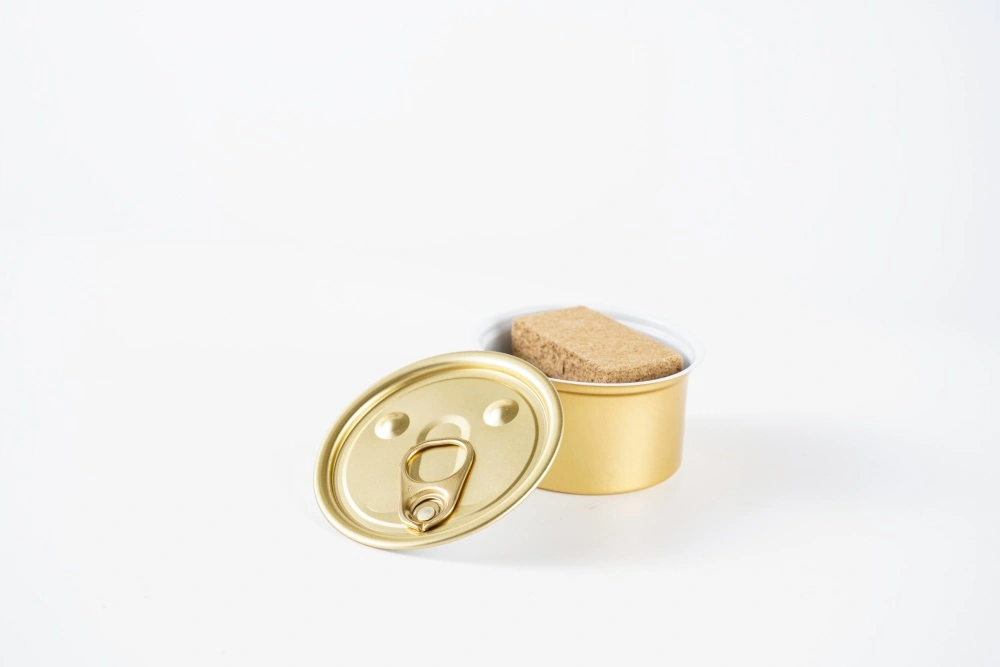
The engineering specifications that define high-quality Empty Cans for Air Fresheners reflect careful optimization of multiple performance parameters. Material thickness selections balance competing requirements for structural strength, material economy, and barrier performance, with the commonly employed 0.22mm aluminum providing proven capability across diverse applications. Diameter and height proportions influence both functional aspects, such as fragrance surface area exposure and evaporation rates, and practical considerations including shelf space efficiency and consumer handling ergonomics. Internal volume calculations must account for fragrance formulation density, expansion characteristics, and headspace requirements, particularly for gel-based products that may experience volume changes with temperature variations. Sealing mechanisms incorporated into these containers represent critical engineering elements that ensure product integrity from manufacturing through consumer use. Easy-to-remove plastic lids provide initial tamper evidence while offering convenient access to passive fragrance release mechanisms, with precise dimensional tolerances ensuring proper seating that prevents premature evaporation during storage and distribution. Aerosol variants incorporate sophisticated valve systems that meter propellant and fragrance mixture at controlled rates, enabling consistent spray patterns and complete product evacuation. Pressure-relief features integrated into aerosol designs provide essential safety measures, incorporating rupture discs or pressure-sensitive vents that activate under extreme conditions, preventing catastrophic container failure while maintaining normal operational integrity. These technical refinements, developed through extensive testing and field experience, distinguish premium packaging solutions from commodity alternatives.
Conclusion
Empty Cans for Air Fresheners serve as essential packaging components that enable effective odor management across residential and automotive environments through superior material science, precise engineering, and versatile customization capabilities.
Cooperate with Shandong Three Iron-Printing & Tin-Making Co.,Ltd.
As a leading China Empty Cans for Air Fresheners factory and trusted China Empty Cans for Air Fresheners supplier, Shandong Three Iron-Printing & Tin-Making Co.,Ltd. stands as your premier China Empty Cans for Air Fresheners manufacturer offering China Empty Cans for Air Fresheners wholesale solutions with competitive Empty Cans for Air Fresheners price structures. Our High Quality Empty Cans for Air Fresheners benefit from mature R&D team expertise, comprehensive technical support, strong financial positioning, and extensive inventory management ensuring Empty Cans for Air Fresheners for sale meet immediate delivery requirements. Located in Linyi Economic and Technological Development Zone across 270,000 square meters, our facility employs over 300 skilled professionals operating German, Japanese, Swiss, and Italian production equipment producing 50,000 tons printing iron, 600 million cans, and 2 billion covers annually with ISO9001:2008, ISO14001:2004, SGS, BPA, and CE certifications supporting exports to USA, Germany, Poland, Russia, Vietnam, Indonesia, Thailand, Mongolia, and Cambodia. Our seamless construction prevents leakage, customizable exteriors enhance brand messaging, recyclable materials satisfy eco-conscious requirements, and stackable designs optimize logistics efficiency. Contact info@threefoodcan.com to discuss your Empty Cans for Air Fresheners requirements and discover how our OEM support, rapid delivery, and meticulous packaging elevate your air freshener products to international quality standards.
References
1. Smith, J. & Thompson, R. (2023). "Metal Packaging Technologies for Fragrance Products." Journal of Packaging Science and Technology, Volume 36, Issue 4.
2. Chen, L., Wang, H., & Martinez, A. (2024). "Sustainable Aluminum Container Manufacturing: Environmental and Economic Perspectives." International Journal of Industrial Ecology, Volume 18, Issue 2.
3. Anderson, K. (2023). "Air Quality Management in Automotive and Residential Environments." Environmental Health Quarterly, Volume 45, Issue 3.
4. Patel, S. & Kim, D. (2024). "Coating Technologies for Metal Food and Fragrance Containers." Packaging Engineering Review, Volume 29, Issue 1.
5. European Packaging Federation (2023). "Industry Standards for Aerosol and Air Freshener Container Safety." EPF Technical Guidelines, Publication Series 2023-07.
YOU MAY LIKE