

Sardines Empty Can Materials: Tin, Lacquer, and Corrosion Resistance
2026-06-29
Picture this scenario: your premium sardine products are ready for distribution, but your packaging fails within months due to corrosion, causing product spoilage, financial losses, and damage to your brand reputation. Understanding sardines empty can materials—specifically tin coating, protective lacquers, and corrosion resistance mechanisms—is critical to preventing these costly failures and ensuring your seafood products reach consumers in perfect condition with extended shelf life and maintained quality.
Understanding Tinplate and TFS Materials for Sardines Empty Can Production
The foundation of quality sardines empty can manufacturing begins with selecting appropriate base materials that provide the essential barrier properties and structural integrity required for seafood preservation. Modern sardine packaging primarily utilizes two sophisticated material systems: traditional tinplate and tin-free steel (TFS), each offering distinct advantages for protecting delicate seafood products from environmental degradation and contamination. Tinplate represents the most widely adopted material for sardines empty can construction, consisting of low-carbon steel sheet coated with a thin layer of pure tin on both surfaces through electrolytic deposition processes. This tin coating typically ranges from 2.8 to 11.2 grams per square meter, providing exceptional corrosion resistance while maintaining formability for can manufacturing operations. The underlying steel substrate delivers mechanical strength and rigidity essential for withstanding the thermal processing and handling stresses encountered throughout the canning operation, while the tin layer serves as a sacrificial barrier that protects the base steel from aggressive compounds naturally present in sardine products, including sulfur-containing amino acids and organic acids that could otherwise initiate corrosion reactions.
TFS materials have emerged as advanced alternatives for sardines empty can applications, featuring chromium and chromium oxide surface treatments applied to steel substrates instead of traditional tin coatings. These materials demonstrate superior paint adhesion characteristics and excellent resistance to sulfide staining, making them particularly suitable for sardine products packed in tomato-based sauces or other acidic mediums. The chromium oxide layer thickness typically measures between 10 and 120 milligrams per square meter, providing a passive barrier that prevents direct contact between the steel substrate and corrosive food components. While TFS materials present certain manufacturing challenges, including more demanding welding requirements and specialized printing considerations, they offer compelling advantages in specific sardine packaging applications where superior lacquer adhesion and enhanced corrosion resistance justify their selection over conventional tinplate systems.
Material Selection Criteria Based on Product Characteristics
Selecting between tinplate and TFS for sardines empty can production requires careful evaluation of multiple factors that influence long-term package performance and product quality maintenance. The specific formulation of the sardine product—whether packed in olive oil, vegetable oil, tomato sauce, or brine—significantly impacts material compatibility requirements. Products with higher acidity levels or those containing oxidizing compounds like nitrates demand enhanced corrosion protection that may favor TFS materials with robust protective lacquer systems, whereas traditional oil-packed sardines often perform excellently in conventional tinplate containers with appropriate internal coatings. Manufacturing efficiency and economic considerations also influence material selection decisions for sardines empty can production at scale. Tinplate generally offers superior formability and welding characteristics that facilitate high-speed automated production with minimal equipment modifications, translating to lower capital investment requirements and reduced operational costs for manufacturers. The established supply chains and widespread availability of tinplate in various temper grades and coating weights provide procurement flexibility that supports efficient inventory management and production scheduling. TFS materials, while potentially offering superior performance in specialized applications, may require specialized processing equipment and modified production parameters that increase manufacturing complexity and initial investment requirements, though these costs can be justified when product specifications demand the unique properties that TFS systems deliver.
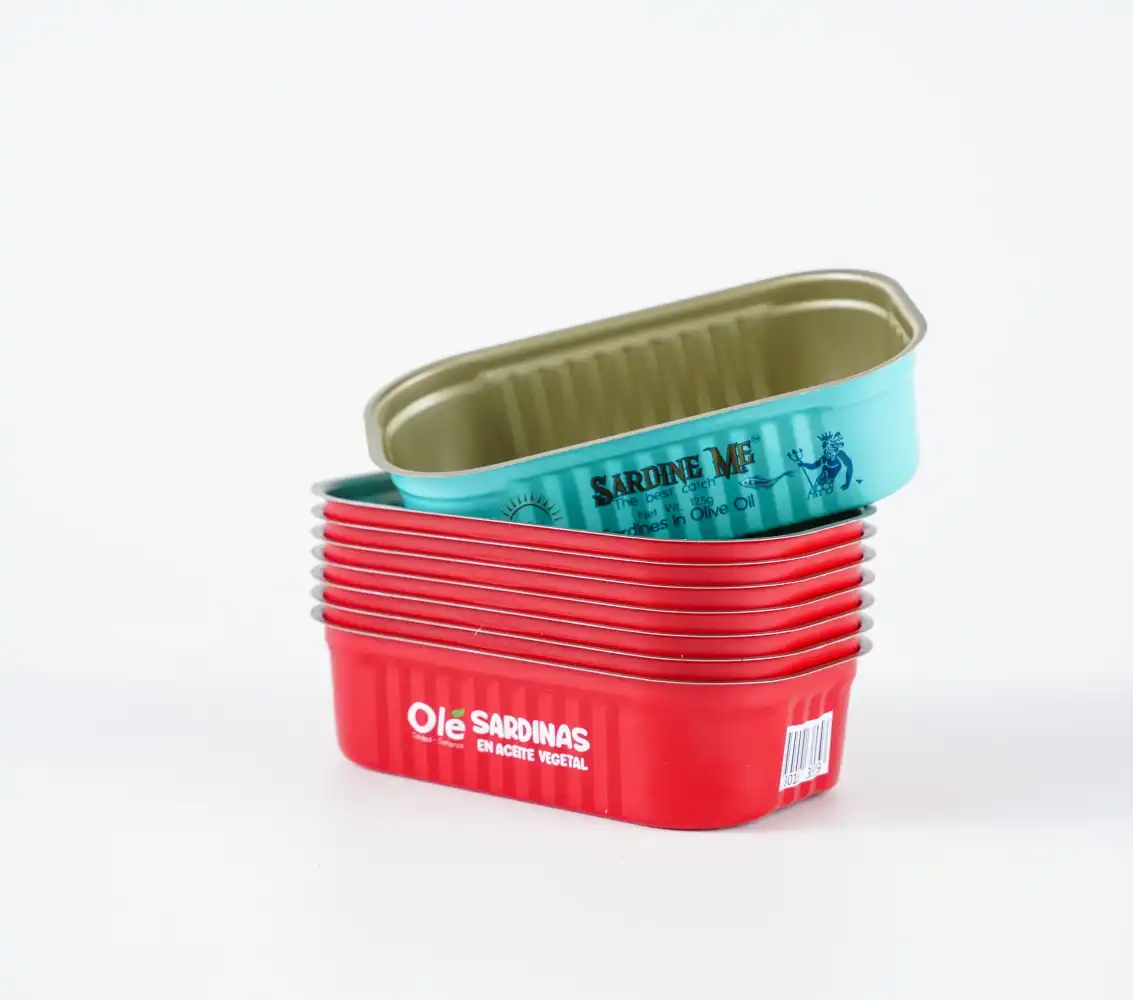
The Critical Role of Protective Lacquers in Sardines Empty Can Performance
Protective lacquer systems applied to the interior and exterior surfaces of sardines empty can bodies represent essential components that dramatically extend package shelf life and prevent undesirable interactions between metal substrates and food products or external environments. These sophisticated coating formulations create continuous barrier films that isolate the metal surface from direct contact with corrosive substances, preventing metal dissolution, flavor degradation, and discoloration issues that compromise product quality and consumer acceptance. Interior lacquer systems for sardines empty can applications must satisfy demanding performance requirements that balance food safety considerations with robust barrier properties and processing compatibility. Modern food-grade lacquers utilize epoxy-phenolic resins, polyester formulations, or organosol systems that cure into smooth, continuous films during the baking process following application. These coating systems typically achieve dry film thicknesses between 4 and 12 microns, providing effective barriers against moisture penetration, oxygen transmission, and direct metal-food contact while maintaining flexibility to accommodate the mechanical stresses imposed during can forming, seaming, and thermal processing operations.
The selection of appropriate lacquer formulations for sardines empty can interiors depends critically on the specific product characteristics and processing conditions anticipated during the package lifecycle. Sardine products packed in oil require lacquer systems with excellent oil resistance that prevent softening or delamination when exposed to prolonged contact with lipids at elevated storage temperatures. Products formulated with acidic components like tomato sauce or vinegar demand lacquer systems demonstrating superior acid resistance to prevent coating degradation and the subsequent metal dissolution that would compromise both product quality and package integrity. BPA-free lacquer formulations have become industry standards for sardines empty can production, utilizing alternative resin chemistries that maintain protective performance while addressing consumer preferences and regulatory requirements regarding packaging material safety and migration characteristics.
Advanced Coating Application Technologies
Modern sardines empty can manufacturing incorporates sophisticated coating application technologies that ensure uniform lacquer coverage and optimal film properties across all package surfaces. Sheet coating operations apply protective lacquers to metal coils before can fabrication, delivering exceptional coating uniformity and thickness control that supports consistent corrosion protection performance. This approach enables precise application of multiple lacquer layers with controlled composition gradients, including base coats that promote adhesion to metal substrates and topcoats optimized for food contact resistance and processing durability. Spray coating systems represent alternative application methods particularly suitable for applying protective lacquers to formed sardines empty can bodies and components after manufacturing operations. These technologies deliver targeted coating placement to critical areas including side seams, rims, and complex geometries where sheet coating alone may provide insufficient protection. Advanced electrostatic spray systems enhance transfer efficiency and coating uniformity while minimizing material waste, supporting both environmental sustainability objectives and manufacturing cost control. The curing schedules applied following lacquer application utilize carefully controlled temperature profiles that promote complete resin crosslinking and solvent removal, ensuring the developed coating films deliver optimal barrier performance, adhesion strength, and chemical resistance throughout the package service life.
Corrosion Resistance Mechanisms and Performance Testing
Understanding the fundamental mechanisms that govern corrosion resistance in sardines empty can systems enables manufacturers to optimize material selections, coating specifications, and processing parameters that maximize package performance and product shelf life. Corrosion in metal food packaging occurs through electrochemical reactions initiated when moisture and ionic species contact metal surfaces, establishing conditions that support metal oxidation and the formation of undesirable reaction products that compromise package integrity and food quality. The tin coating applied to traditional tinplate sardines empty can materials functions as a sacrificial barrier that preferentially corrodes when exposed to aggressive food components, protecting the underlying steel substrate from direct attack. This electrochemical protection mechanism relies on the position of tin in the galvanic series relative to iron, ensuring that any corrosion current preferentially dissolves tin atoms rather than initiating steel degradation. The continuous tin layer interrupts the electrical pathway required for sustained corrosion reactions while the gradual tin dissolution actually provides protective tin ions that can complex with sulfur compounds in sardine products, preventing the formation of iron sulfide staining that would discolor both the package interior and the food product itself.
Protective lacquer systems enhance corrosion resistance through physical barrier mechanisms that prevent moisture, oxygen, and ionic species from reaching susceptible metal surfaces. The crosslinked polymer networks that comprise cured lacquer films exhibit low permeability to water vapor and dissolved ions, dramatically reducing the rate at which corrosive species can accumulate at the metal-coating interface. Even microscopic discontinuities in lacquer coverage—whether resulting from coating defects, mechanical damage during processing, or degradation during storage—can initiate localized corrosion that may propagate beneath adjacent coating areas, emphasizing the critical importance of achieving complete, defect-free lacquer coverage during sardines empty can manufacturing operations.
Comprehensive Testing Protocols for Corrosion Performance
Validating the corrosion resistance performance of sardines empty can systems requires rigorous testing protocols that simulate the aggressive conditions encountered during typical product storage lifetimes while providing accelerated results that support timely manufacturing decisions and quality control activities. Standardized tests expose coated metal panels or formed cans to model food systems or actual sardine products under controlled temperature and atmospheric conditions, with periodic evaluation of coating integrity, metal dissolution, and product quality parameters throughout extended test durations. The enamel rater test represents a widely utilized screening method that evaluates coating performance by exposing lacquered tinplate samples to acidified salt solutions at elevated temperatures, typically 95-100 degrees Celsius for durations ranging from 30 minutes to several hours. Visual examination of the exposed surfaces after testing reveals coating failures, undercutting around deliberate coating defects, and corrosion products that indicate insufficient barrier performance. More sophisticated analytical techniques including inductively coupled plasma optical emission spectrometry enable precise quantification of tin, iron, and other metallic elements dissolved into test solutions, providing objective measurements of coating protective efficiency and metal release rates that can be compared against established performance standards and regulatory limits for food contact materials.
Real-world storage trials utilizing actual sardine products packed in production sardines empty can samples represent the most definitive validation of corrosion resistance performance, though the extended durations required to complete these studies—often spanning 12 to 36 months—necessitate their use primarily for final product qualification rather than routine quality control activities. These comprehensive evaluations monitor multiple parameters including headspace vacuum maintenance, visual examination of internal and external surfaces for corrosion, discoloration, or coating degradation, instrumental color measurements of sardine flesh, sensory evaluation of aroma and flavor characteristics, and chemical analysis of metal migration into food products. The integration of accelerated laboratory testing with periodic sampling from ongoing storage trials enables manufacturers to develop predictive models that correlate short-term test results with long-term performance outcomes, supporting rapid material qualification and process optimization while maintaining confidence in package performance throughout anticipated distribution and storage conditions.
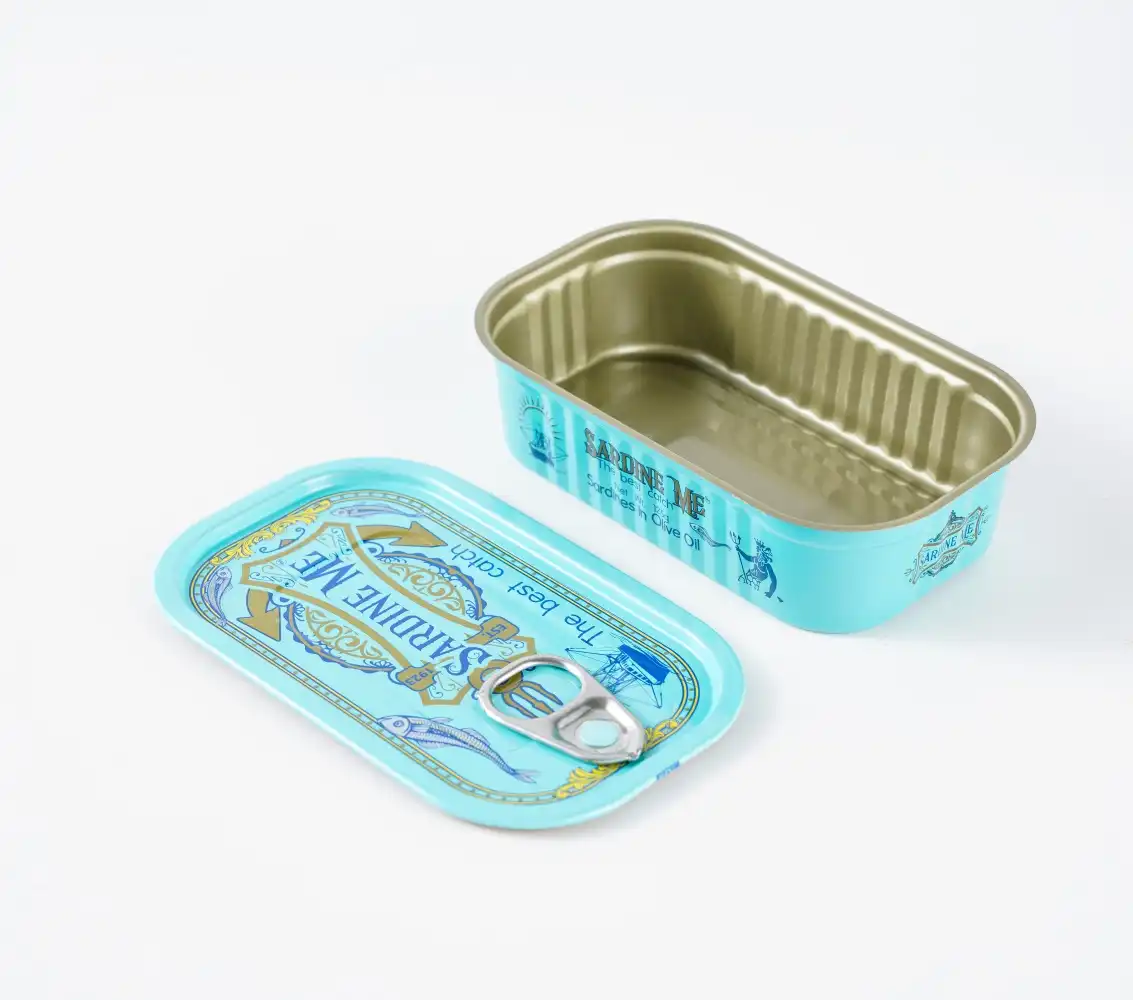
Manufacturing Excellence in Sardines Empty Can Production
Achieving consistent quality and corrosion resistance in sardines empty can manufacturing demands sophisticated production control systems that monitor critical process parameters and material characteristics throughout all fabrication stages. Modern can making operations integrate automated inspection technologies, real-time process monitoring, and statistical process control methodologies that identify potential quality issues before they result in defective packages reaching customers or causing product failures in the distribution chain. Raw material receiving inspection protocols verify that incoming tinplate or TFS coils, lacquer formulations, and other consumables meet established specifications for chemical composition, coating weights, mechanical properties, and surface quality characteristics. Advanced measurement systems assess tin coating thickness using X-ray fluorescence spectroscopy, evaluate lacquer viscosity and solids content to ensure proper application characteristics, and examine metal surfaces for defects including scratches, rust spots, or coating discontinuities that could compromise finished package performance. These incoming quality controls establish the foundation for consistent can production by ensuring only materials meeting stringent acceptance criteria enter manufacturing operations.
In-process monitoring during sardines empty can fabrication focuses on critical control points where variations in processing parameters could impact package integrity or corrosion resistance performance. Automated vision systems inspect formed can bodies for dimensional accuracy, seam quality, and surface defects at production speeds exceeding 400 cans per minute, rejecting non-conforming units before they receive expensive finishing operations. Lacquer application processes incorporate continuous monitoring of coating thickness, curing oven temperatures, and line speeds to maintain optimal film development and adhesion. Body maker operations employ statistical sampling plans with destructive testing of seam strength, coating continuity across weld zones, and dimensional conformance to ensure stable process performance and early detection of equipment wear or parameter drift that could degrade product quality.
Quality Assurance and Certification Standards
Comprehensive quality assurance programs for sardines empty can production encompass documented procedures, trained personnel, calibrated instrumentation, and systematic record-keeping that demonstrate ongoing conformance with customer specifications, industry standards, and regulatory requirements applicable to food contact packaging materials. ISO 9001 quality management system certification provides framework requirements for process control, corrective action systems, and continuous improvement activities that support consistent product quality and customer satisfaction. ISO 14001 environmental management system certification demonstrates commitment to minimizing environmental impacts through efficient resource utilization, waste reduction, and pollution prevention initiatives integrated throughout manufacturing operations. Food safety management systems certified to ISO 22000 or FSSC 22000 standards establish comprehensive hazard analysis and critical control point (HACCP) programs specific to food packaging manufacturing, addressing potential contamination risks, material migration concerns, and process controls that ensure sardines empty can products meet stringent safety requirements for direct food contact applications. These certification programs require regular internal audits, management reviews, and third-party surveillance assessments that verify ongoing conformance with established procedures and effectiveness of implemented controls. BRC Global Standard for Packaging Materials certification provides additional assurance to major retailers and brand owners that manufacturing facilities maintain robust quality and safety management systems meeting recognized international benchmarks for packaging supplier qualification.
Cooperate with Shandong Three Iron-Printing & Tin-Making Co.,Ltd.
Shandong Three Iron-Printing & Tin-Making Co.,Ltd. operates as a leading China sardines empty can manufacturer, strategically located in Linyi Economic and Technological Development Zone with convenient access to major transportation infrastructure. Our 270,000 square meter manufacturing facility houses advanced production equipment including German precision printing lines, Japanese forming systems, Swiss Soudronic high-speed aerosol production lines, and Italian BMV cover stamping equipment, delivering annual production capacity exceeding 50,000 tons of printed tinplate, 600 million cans, and 2 billion easy-open ends. As a trusted China sardines empty can supplier and China sardines empty can factory, we maintain comprehensive ISO 9001:2008 and ISO 14001:2004 certifications alongside SGS, BPA-free, and CE compliance, ensuring our products meet international quality and safety standards demanded by customers across USA, Germany, Poland, Russia, Vietnam, Indonesia, Thailand, Mongolia, and Cambodia.
Our mature research and development team, exceptional technical support capabilities, and strong financial foundation position us as the preferred China sardines empty can wholesale partner for businesses seeking reliable, customizable packaging solutions. We offer high-quality sardines empty can products featuring seamless construction for leak prevention, fully customizable exterior graphics for enhanced brand messaging, recyclable materials supporting environmental sustainability objectives, and efficient stackable designs optimizing storage and transportation logistics. Our advanced manufacturing facilities and experienced production teams deliver sardines empty can for sale at competitive sardines empty can prices without compromising quality or performance standards. Whether you require 10,000 units for specialty products or 500,000+ units for large-scale operations, we provide flexible shipping solutions and robust packaging ensuring your high quality sardines empty can inventory arrives in perfect condition, ready for immediate production integration. Contact our team at info@threefoodcan.com to discuss your specific packaging requirements and discover how our comprehensive capabilities can elevate your seafood product quality and market presence.
Conclusion
Sardines empty can materials, protective lacquers, and corrosion resistance mechanisms work synergistically to preserve product quality and extend shelf life through sophisticated barrier systems and electrochemical protection.
References
1. Blunden, S. and Wallace, T. "Tin in Canned Food: A Review and Understanding of Occurrence and Effect" - Food and Chemical Toxicology, Volume 41, Issue 12
2. Mannheim, C. H. and Passy, N. "Internal Corrosion and Shelf-Life of Food Cans and Methods of Evaluation" - Critical Reviews in Food Science and Nutrition, Volume 22, Issue 1
3. Robertson, G. L. "Food Packaging: Principles and Practice, Third Edition" - CRC Press, Taylor & Francis Group
4. Board, P. W. "Corrosion Resistance of Metals and Alloys in Food Processing Equipment" - Metal Finishing, Volume 84, Issue 3
5. Cuppett, S. and Montville, T. J. "Packaging Systems for Shelf-Stable Foods" - Food Technology and Biotechnology, Volume 38, Issue 2
YOU MAY LIKE