

Best Empty Cans for Air Fresheners for Custom Scent Products
2026-06-29
Are you launching a custom scent line but struggling to find packaging that preserves fragrance integrity while reflecting your brand identity? Many air freshener manufacturers face the challenge of sourcing Empty Cans for Air Fresheners that balance durability, customization options, and cost-effectiveness. The right packaging solution not only protects your carefully crafted fragrances but also serves as a powerful marketing tool that captures consumer attention on crowded retail shelves. This comprehensive guide explores the essential factors in selecting premium Empty Cans for Air Fresheners that will elevate your custom scent products and drive business growth.
Understanding Empty Cans for Air Fresheners and Their Critical Role
Empty Cans for Air Fresheners represent far more than simple containers—they are engineered packaging solutions designed to maintain product freshness, ensure safety, and communicate brand values. The selection of appropriate cans directly impacts product shelf life, customer satisfaction, and ultimately, your market success. Modern Empty Cans for Air Fresheners must address multiple technical requirements including airtight sealing, pressure resistance, chemical compatibility, and visual appeal. When manufacturers invest in quality packaging, they protect their formulations from oxidation, moisture contamination, and volatile compound evaporation that can compromise scent quality over time.
Material Selection for Optimal Performance
The foundation of superior Empty Cans for Air Fresheners begins with material choice. Aluminum and tinplate emerge as the industry-leading materials due to their exceptional barrier properties and versatility. Aluminum cans, typically manufactured from 0.22mm thickness material, offer outstanding corrosion resistance and lightweight characteristics that reduce shipping costs while maintaining structural integrity. The impermeability of aluminum prevents air and moisture ingress, creating an ideal environment for preserving fragrance compounds. Tinplate alternatives provide additional strength for products requiring enhanced durability during transportation and handling. Both materials support advanced printing techniques that enable vibrant graphics and intricate brand designs, transforming functional packaging into compelling marketing assets that differentiate your products in competitive markets.
Customization Options for Brand Differentiation
Successful air freshener brands recognize that Empty Cans for Air Fresheners serve as miniature billboards carrying brand messages directly to consumers. Customization capabilities extend beyond surface printing to include varied diameters ranging from 45mm to 65mm, capacities between 150ml and 300ml, and finish options including matte and glossy coatings. The ability to select round shapes with specific dimensions such as 61mm diameter and 36mm height allows precise alignment with product formulations and target market preferences. Interior coatings, including plain lacquer and white options, ensure chemical compatibility with diverse fragrance compositions while preventing metallic taste transfer. Golden exterior printing and specialized color schemes create premium visual impressions that justify higher price points and build brand recognition. These customization features enable manufacturers to develop distinct product lines that resonate with specific consumer segments, from luxury markets demanding sophisticated aesthetics to value-conscious buyers seeking functional reliability.
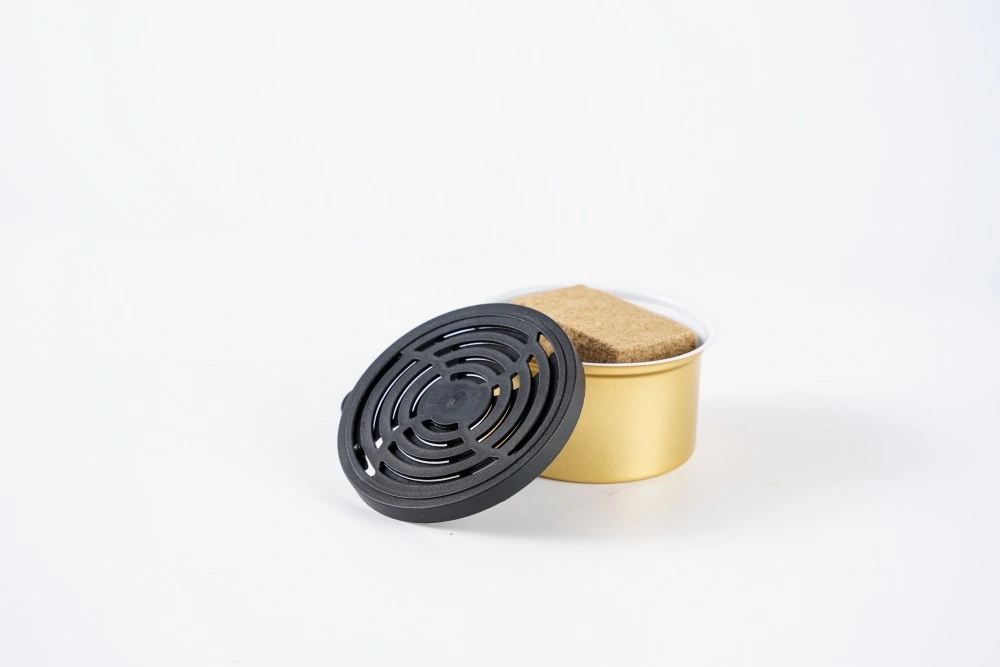
Technical Specifications That Define Quality Empty Cans for Air Fresheners
Professional-grade Empty Cans for Air Fresheners incorporate numerous technical elements that distinguish premium offerings from standard alternatives. Understanding these specifications empowers manufacturers to make informed procurement decisions that align with product requirements and quality standards. The integration of advanced sealing technology represents a critical feature, as improper sealing leads to fragrance evaporation and reduced product effectiveness. High-quality cans utilize precision-engineered closure mechanisms that create hermetic seals capable of withstanding pressure variations and temperature fluctuations throughout distribution cycles.
Advanced Coating Systems for Product Protection
Interior coating systems in Empty Cans for Air Fresheners perform essential protective functions that extend beyond basic corrosion prevention. Plain lacquer coatings create neutral barriers that accommodate most air freshener formulations without chemical interaction, while specialized white coatings provide additional reflectivity and aesthetic appeal for products with visible contents. These protective layers prevent direct contact between metal surfaces and potentially reactive fragrance compounds, eliminating metallic contamination risks that compromise scent profiles. The coating application process requires precise control of thickness, coverage uniformity, and curing conditions to ensure consistent performance across production runs. Quality manufacturers implement rigorous testing protocols that verify coating adhesion, chemical resistance, and barrier effectiveness before releasing products for commercial use. Exterior coatings complement interior protection by providing weather resistance, scratch protection, and print adhesion foundations that maintain visual appeal throughout product lifecycles.
Dimensional Precision and Capacity Considerations
The physical dimensions of Empty Cans for Air Fresheners directly influence fill efficiency, storage optimization, and consumer usability. Standard specifications such as 61mm diameter and 36mm height represent carefully calculated proportions that maximize volume utilization while maintaining ergonomic handling characteristics. Capacity options ranging from 150ml to 300ml address diverse market segments, with smaller volumes suited for personal spaces like vehicles and offices, while larger capacities serve residential applications requiring extended fragrance delivery. Manufacturing tolerances must remain within strict parameters to ensure consistent filling equipment compatibility and reliable sealing performance. Stackable designs facilitate efficient warehousing and transportation, reducing logistics costs and minimizing environmental impact through optimized space utilization. These dimensional considerations extend to neck opening diameters, thread specifications for screw-cap variants, and base configurations that provide stable positioning on retail shelves and consumer surfaces.
Manufacturing Excellence and Quality Assurance Standards
The production of superior Empty Cans for Air Fresheners demands sophisticated manufacturing capabilities and comprehensive quality control systems. Leading manufacturers operate advanced production lines incorporating cutting-edge equipment from technology leaders in Germany, Japan, Taiwan, and Switzerland. These automated systems ensure consistent dimensional accuracy, uniform coating application, and reliable sealing integrity across millions of units annually. Material selection processes begin with certified aluminum and tinplate suppliers who provide documented compliance with international standards including ISO specifications and regional safety regulations.
Integrated Quality Control Throughout Production
Quality assurance for Empty Cans for Air Fresheners extends throughout every manufacturing stage, from raw material inspection through final packaging verification. Incoming material testing validates metal composition, thickness uniformity, and surface quality before production initiation. In-process monitoring systems employ optical sensors, dimensional gauges, and pressure testing equipment that identify deviations in real-time, enabling immediate corrective actions. Finished product inspection includes leak testing, coating integrity verification, and visual quality assessment ensuring only conforming units reach customers. Statistical process control methodologies track key performance indicators including coating thickness variation, dimensional tolerances, and defect rates, providing data-driven insights that support continuous improvement initiatives. Certified laboratories conduct periodic testing for chemical resistance, pressure tolerance, and environmental stress factors, generating documentation that demonstrates compliance with industry standards and customer specifications.
Certifications and Compliance Documentation
Professional manufacturers of Empty Cans for Air Fresheners maintain comprehensive certification portfolios that demonstrate commitment to quality, safety, and environmental responsibility. ISO 9001:2015 certification validates quality management system effectiveness, ensuring consistent processes that deliver reliable products meeting customer requirements. ISO 14001:2004 Environmental Management System certification confirms sustainable practices including waste reduction, energy efficiency, and pollution prevention throughout operations. Additional certifications such as FDA compliance for food-contact surfaces, REACH registration for European markets, SGS verification, BPA-free formulations, and CE marking for relevant product categories provide customers with confidence in product safety and regulatory conformance. These certifications require regular audits, documentation maintenance, and continuous compliance monitoring, representing significant organizational investments that differentiate established suppliers from opportunistic competitors.
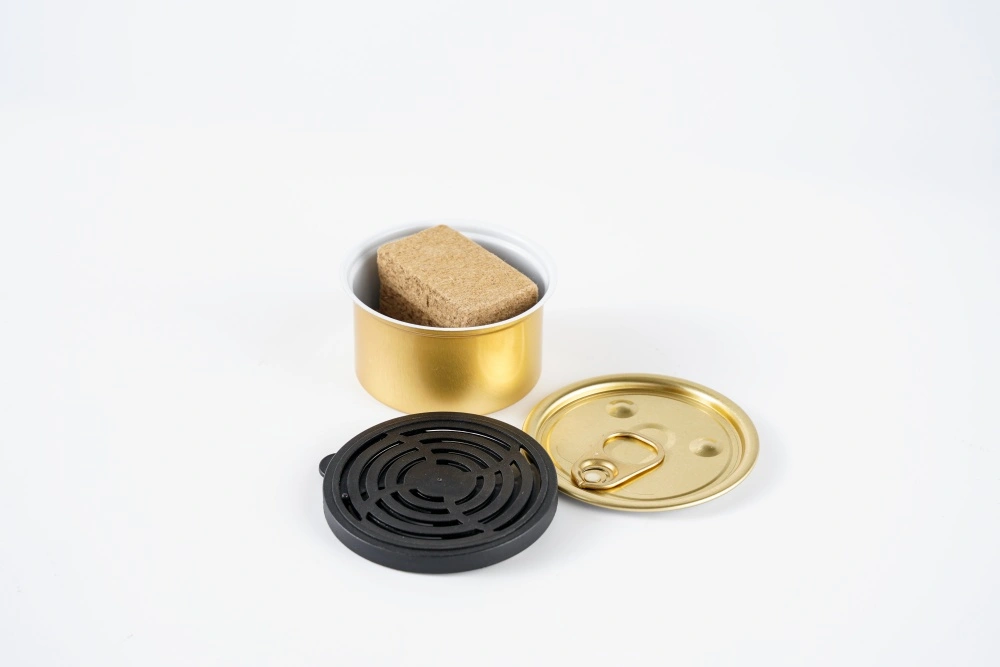
Applications and Market Segments for Empty Cans for Air Fresheners
The versatility of Empty Cans for Air Fresheners enables their deployment across numerous product categories and market segments. Spray air fresheners utilizing pressurized delivery systems require robust cans capable of withstanding internal pressures while providing smooth actuation through compatible valve assemblies. Gel-based air fresheners benefit from wide-mouth designs that facilitate filling operations and allow visual inspection of gel consistency and color. Solid air freshener products, including wax-based and polymer formulations, utilize cans with specialized interior finishes that prevent adhesion and simplify product release. Automotive air fresheners demand compact dimensions suitable for cup holders and under-seat placement, combined with secure closure mechanisms that prevent spills during vehicle motion.
Emerging Applications and Innovation Opportunities
Contemporary Empty Cans for Air Fresheners increasingly serve specialized applications beyond traditional room freshening. Natural and organic fragrance brands require cans with enhanced barrier properties protecting sensitive essential oils from oxidation and photodegradation. Antibacterial and sanitizing air treatments demand chemical-resistant coatings compatible with active disinfecting compounds. Smart home integration creates opportunities for cans incorporating electronic components supporting automated dispensing systems and fragrance intensity controls. Subscription-based fragrance services utilize standardized can dimensions enabling modular product architectures where consumers regularly exchange refills while retaining reusable dispensing mechanisms. These evolving applications drive continuous innovation in can design, materials science, and manufacturing technologies, creating competitive advantages for forward-thinking suppliers who anticipate market trends and invest in research and development capabilities.
Conclusion
Selecting optimal Empty Cans for Air Fresheners represents a strategic decision that influences product performance, brand perception, and market success for custom scent manufacturers. Quality packaging from established suppliers ensures fragrance integrity, regulatory compliance, and consumer satisfaction.
Cooperate with Shandong Three Iron-Printing & Tin-Making Co.,Ltd.
Partner with Shandong Three Iron-Printing & Tin-Making Co.,Ltd., your trusted China Empty Cans for Air Fresheners factory, China Empty Cans for Air Fresheners supplier, and China Empty Cans for Air Fresheners manufacturer offering competitive Empty Cans for Air Fresheners prices and Empty Cans for Air Fresheners for sale. Our facility spans 270,000 square meters in Linyi Economic and Technological Development Zone, operating production lines from Germany, Japan, Taiwan, and Switzerland, producing 600 million cans annually with ISO9001:2008, ISO14001:2004, SGS, BPA, and CE certifications. We deliver High Quality Empty Cans for Air Fresheners with low MOQ options, OEM support, and fast delivery. Contact us at info@threefoodcan.com for inquiries about China Empty Cans for Air Fresheners wholesale solutions that elevate your brand.
References
1. Smith, J. & Anderson, K. (2023). "Advances in Metal Packaging Technology for Consumer Products." Journal of Packaging Science and Technology, Volume 36, Issue 4.
2. Thompson, R. (2024). "Sustainable Packaging Solutions in the Fragrance Industry." International Journal of Environmental Packaging, Volume 12, Issue 2.
3. Chen, L., Wang, M. & Liu, H. (2023). "Material Selection and Coating Technologies for Aerosol Containers." Packaging Engineering Research, Volume 28, Issue 3.
4. Rodriguez, M. & Parker, T. (2024). "Quality Control Standards in Metal Can Manufacturing." Industrial Packaging Quarterly, Volume 19, Issue 1.
5. Williams, D., Brown, S. & Davis, E. (2023). "Consumer Preferences in Air Freshener Packaging Design." Market Research in Consumer Goods, Volume 45, Issue 6.
YOU MAY LIKE