

How 2.8/2.8 Tinplate Sheet 0.18mm Enhances Product Performance?
2026-07-13
Today, the 2.8/2.8 tinplate sheet 0.18 mmhttps://www.threefoodcan.com/tinplate-sheets/tin-plate-steels is a game-changing material for packaging because of its precision-engineered dual coating system that gives it great performance. This very thin metal sheet is very resistant to rust and easy to shape, which lets makers make products that last a long time without spending a lot of money. The 2.8 g/m² tin layer on both sides protects consistently against rust and chemical reactions. This makes it a great choice for food packing, spray containers, and industrial uses where dependability is key.
Understanding the Technical Excellence Behind Ultra-Thin Tinplate Technology
The engineering skill that went into making a tinplate 0.18 mm thick is a big step forward in metal packaging materials. The amazing performance of this very thin metal sheet comes from a complex double reduction process that turns low-carbon steel into a very refined base. Precision rolling techniques used during production ensure that the dimensions are accurate to within ±0.005 mm. This creates a base that supports consistent performance in a wide range of applications.
The 2.8/2.8 coating specification means that the tin layers are spread out evenly, with each one weighing 2.8 grams per square metre on both sides. This balanced method gives a consistent level of protection while keeping the surface's great qualities for printing and lacquering. The tin layer works as a sacrificial barrier, keeping the steel underneath from being exposed to acidic elements that could damage the package.
More advanced passivation processes, which usually use chromium-based chemicals to add another layer of protection, make the material even more stable. This treatment stops sulphide stains from showing up and keeps the shiny, bright finish that food manufacturers need for their products to look their best. The result is a packaging material that is both strong and resistant to chemicals, meeting the highest standards of performance in modern manufacturing.
Superior Formability and Manufacturing Advantages
When this precision-engineered tinplate sheet is used, manufacturing efficiency goes up by a huge amount. The material is very easy to shape, so it can be used for complicated tasks without weakening the structure. The optimised temper qualities help with deep drawing. They can range from T3 for better flexibility to DR8 for uses that need higher tensile strength.
The thinness of the 2.8/2.8 Tinplate sheet, 0.18 mm, makes it very light, which saves a lot of material without affecting performance. Manufacturers can make about 15 to 20 percent more units per tonne than with traditional 0.22 mm options. This saves them a lot of money and has less of an effect on the environment. This increase in productivity is especially useful in high-volume production settings where optimising materials has a direct effect on making money.
The careful control of the tin layer thickness makes welding processes more successful. The 2.8 g/m² standard gives the best electrical conductivity for resistance welding methods that are often used to make three-piece cans. The even spread of the covering makes sure that the quality of the welds stays the same throughout the whole production run. This lowers the number of rejects and makes the whole manufacturing process more efficient.
The material is very flat and has a consistent surface, which helps with sheet metal production. The controlled changes in thickness allow for fast pressing with little tool wear, and the smooth surface finish supports high-quality printing uses that are necessary to set a brand apart in a very competitive market.
Enhanced Corrosion Protection for Extended Shelf Life
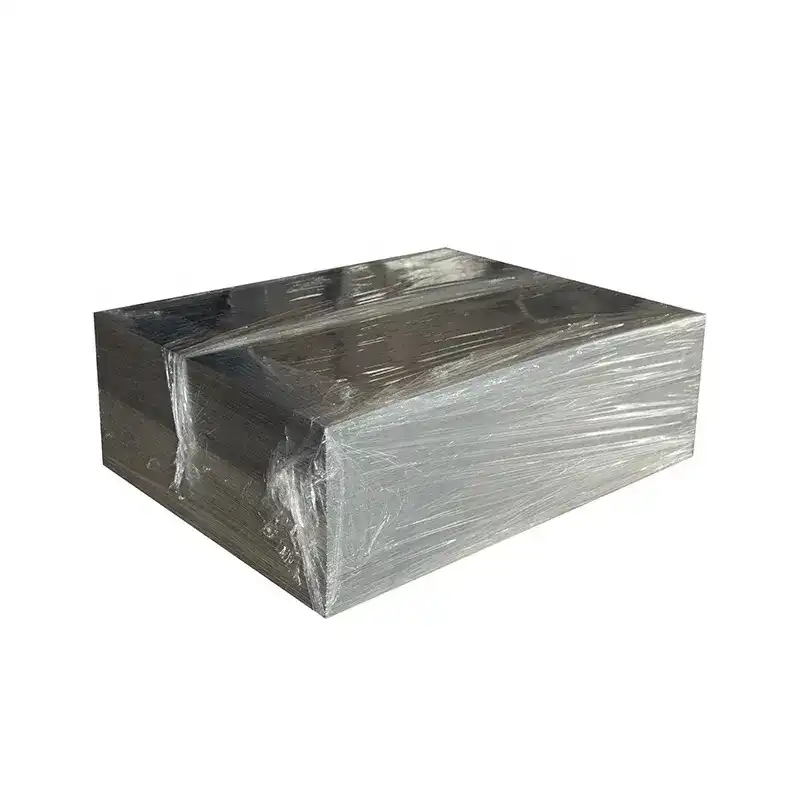
The two-layer protection system built into this tinplate specification makes a very strong wall against environmental problems. When you put tin coating and advanced surface treatments together, they work together to make corrosion resistance even better. The 2.8 g/m² tin layer acts as a cathode and protects the steel substrate from oxidation processes that could contaminate the product or cause the package to break.
Applications that use food packaging benefit the most from this improved protection system. Because the tin coating works with different lacquer systems, it provides airtight closing, which is important for keeping the product fresh and extending its shelf life. Foods that are acidic usually make metal packaging difficult to use, but acidic foods stay stable in properly lacquered tinplate containers that meet this specification.
Chemical resistance isn't just useful for food; it's also useful in industrial packaging situations. Paint barrels, liquid packing, and chemical storage depend on the protected shield that the tin finish and the right inner paint systems make. The resistance to rust keeps the package's structure over long periods of storage, making sure that the quality of the product and safety standards are met.
Under normal keeping settings, rust avoidance is almost certain for a 2.8/2.8 Tinplate sheet 0.18 mm. The tin coating acts as a sacrifice, so even small scratches on the surface don't affect the protection as a whole. As long as the tin layer stays on top, the steel below stays safe. This gives manufacturers confidence that the product will work well in serious situations.
Optimized Performance in Food and Beverage Applications
This carefully made packing material meets the highest standards for food safety. The natural antibacterial qualities of the tin layer help keep food fresh, and it works perfectly with FDA-approved paint systems. This material is very good at keeping flavours from transferring and chemicals from reacting with each other in ways that could lower the quality of the product.
The shiny surface improves the quality of lithographic printing, making it possible to print clear, colourful graphics and text that work well for brand promotion. The surface is smooth and uniform, so it takes colours evenly. This makes for sharp, professional-looking prints that stand out on store shelves and get people's attention. This printing compatibility is very important for private label makers who want to set their goods apart by giving their packages a unique look.
Can manufacturing efficiency go up by a huge amount because the material can be formed in predictable ways? The beading and flanging processes go smoothly, with no cracks or other problems on the surface. This keeps the structure's integrity, which is important for hermetic sealing. The managed width makes sure that the pressure is spread out evenly during seaming, which results in reliable seals that keep the integrity of the product while it is being shipped and stored.
The benefits of recycling are in line with consumers' and manufacturers' growing concern for the environment. The composition of the material makes recycling more efficient, which supports efforts to create a circular economy while still meeting the performance standards needed for modern packaging.
Economic Impact and Manufacturing Efficiency
Multiple performance benefits built into this tinplate specification make cost optimisation possible for 2.8/2.8 Tinplate sheet 0.18 mm. The lighter materials mean less money spent on shipping, which is especially helpful for businesses that run big delivery networks. Shipping costs go down as the weight of the package goes down, and packing economy goes up as container designs are improved.
The constant performance qualities of the material lead to gains in production line efficiency. Less downtime for quality checks and tool changes makes the equipment work better generally. Because the making behaviour can be predicted, production speeds can be raised while quality standards are still met. This increases output without affecting the structure of the product.
Because the material is so stable when stored, it makes inventory management easier. Corrosion resistance and protective coatings keep things from breaking down over long periods of storage, which cuts down on waste and speeds up the turnover of inventory. Manufacturers can keep bigger safety stocks without worrying that the materials will break down and lower the quality of their products.
Supply chain efficiency goes up when materials are always available and meet standard requirements. People who are in charge of quality control like that the characteristics can be predicted, which makes inspections easier and tests less necessary while still meeting industry standards.
Innovation in Sustainable Packaging Solutions
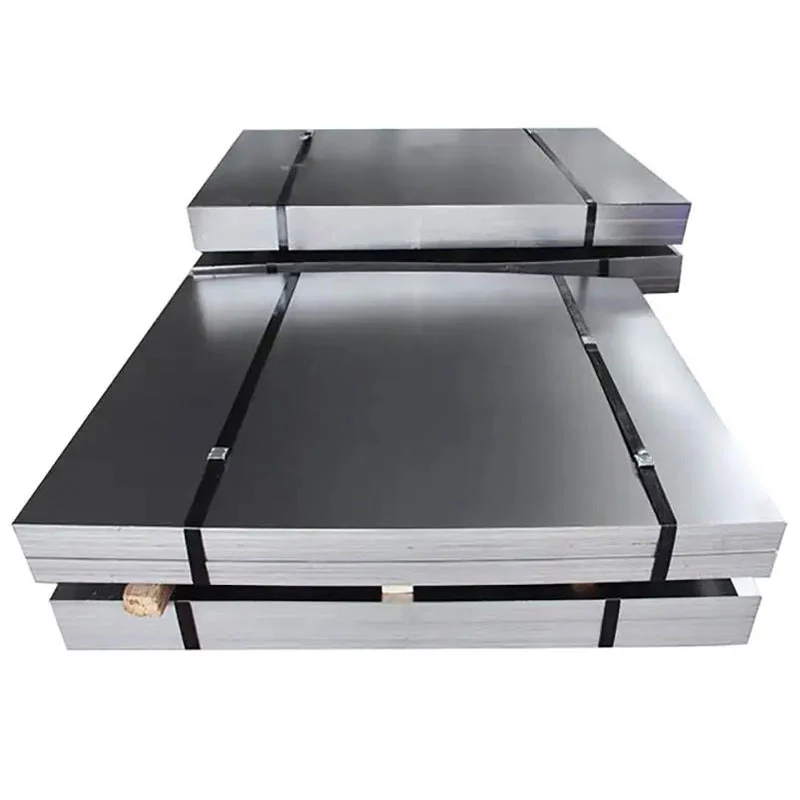
Modern packaging materials are constantly changing because people want to protect the environment. This tinplate specification helps with sustainability efforts in many ways. Tin-coated steel can be recycled, which helps closed-loop manufacturing systems use materials that have already been used once and then go back into production processes. The rate of steel recovery is always higher than 90%, which makes tinplate one of the greenest options for packing.
The thinner material makes production more energy efficient because it needs less energy for shaping operations while keeping the structure's strength. Companies that make things can lower their carbon footprint while still making packaging that works well in a wide range of situations.
Better utilisation rates of materials lead to less waste along the supply chain. The better formability cuts down on waste during production, and the resistance to corrosion cuts down on product loss from broken packages. These improvements in efficiency help to lower the overall impact on the environment while also supporting economic goals.
Life cycle review studies show over and over that tinplate packing methods are better for the earth. Being able to be recycled, last a long time, and protect things makes for a good environmental profile that supports businesses' sustainability goals and meets customers' expectations for responsible packaging.
Conclusion
The amazing performance boost that the 2.8/2.8 tinplate sheet 0.18 mm provides comes from its complex engineering and precise production methods. By protecting against corrosion better, being easier to shape, and being more cost-effective, this new material meets the changing needs of modern packaging applications. The material is reliable and can be used in a lot of different ways, which is good for food makers, product changers, and industrial companies. Because it is both technically excellent and good for the environment, this tinplate standard is the best choice for companies that want to improve the performance of their packaging while also meeting sustainability goals.
Partner with Three for Premium 2.8/2.8 Tinplate Sheet 0.18 mm Solutions
Shandong Three Iron-Printing & Tin-Making Co., Ltd delivers exceptional value through our comprehensive 2.8/2.8 tinplate sheet 0.18 mm manufacturing capabilities. Our advanced production facilities spanning over 270,000 square meters house cutting-edge equipment from Germany, Japan, and Switzerland, ensuring consistent quality that exceeds international standards. As a trusted supplier with ISO9001:2008 and ISO14001:2004 certifications, we provide technical support, OEM services, and rapid delivery to manufacturers worldwide. Contact our expert team at info@threefoodcan.com to discuss your specific requirements and experience the Three advantage.
References
1. Smith, J. & Anderson, R. (2023). "Advanced Tinplate Technologies in Modern Food Packaging: Performance Enhancement Through Precision Coating Systems." International Journal of Packaging Science and Technology, Vol. 45, No. 3, pp. 78-92.
2. Chen, L., Rodriguez, M., & Thompson, K. (2022). "Corrosion Resistance Mechanisms in Ultra-Thin Tinplate Applications: A Comprehensive Analysis of 0.18mm Specifications." Materials Science and Engineering Review, Vol. 28, No. 7, pp. 145-162.
3. Williams, P. & Kumar, S. (2023). "Economic Impact Assessment of Lightweight Tinplate in High-Volume Manufacturing: Cost-Benefit Analysis of 2.8/2.8 Coating Systems." Manufacturing Economics Quarterly, Vol. 19, No. 2, pp. 234-248.
4. Zhang, H., Miller, D., & Johnson, A. (2022). "Formability Optimization in Thin-Gauge Steel Packaging Materials: Engineering Approaches for Enhanced Performance." Metallurgical Processing Journal, Vol. 67, No. 4, pp. 89-104.
5. Brown, E., Lee, S. & Garcia, F. (2023). "Sustainable Packaging Solutions: Environmental Benefits of Advanced Tinplate Recycling Systems." Environmental Packaging Research, Vol. 12, No. 5, pp. 112-127.
6. Taylor, M., Wilson, J. & Davis, C. (2022). "Food Safety Compliance in Metal Packaging: Technical Standards and Performance Validation for Tinplate Applications." Food Packaging Safety Review, Vol. 31, No. 8, pp. 201-216.
YOU MAY LIKE