

Best Ways to Reduce Costs with 636 Pet Cans Packaging
2026-07-27
Using cost-effective strategies for packaging 636 Pet Canshttps://www.threefoodcan.com/aluminum-pet-can-air-fresher-can/-636-pet-cans can cut costs by a large amount while keeping product quality high. For pet food, these special aluminium containers offer better material efficiency, lower shipping costs because they are so light, and longer shelf life. Food makers and wholesalers looking for eco-friendly package options can save a lot of money by making smart buying choices, getting in bulk, and finding the best ways to store their goods.
Introduction
The cat food business is under more and more pressure to find good packaging options that don't cost too much. The global cat food market brings in more than $260 billion every year, and packing costs make up a big part of operating costs. Manufacturers, distributors, and private label producers need to keep these costs under control while maintaining the quality of the products. Modern packaging solutions have to deal with a lot of problems at once. They have to keep the food fresh, follow the rules, make it look good, and have as little of an effect on the earth as possible. Shipping costs go up when you use traditional glass and heavy metal cases because they are harder to move and more expensive. On the other hand, flexible packaging doesn't always protect products well. This in-depth study looks at tried-and-true ways to lower packaging costs while making the most of new container technology. We'll look at specific strategies that top pet food companies use to get the most out of their packaging investments. The main focus is on real-world solutions that can be put into action and show measurable cost savings without lowering quality or safety standards.
Why Focus on Advanced Pet Food Container Solutions
Over the past ten years, there have been huge changes in how pet food is packaged. More and more, consumers want high-end, clear packaging that shows off the quality of the product. At the same time, retailers want containers that stack well, don't get damaged during transport, and take up as little space as possible. Modern problems in the supply chain are often not solved by old-fashioned ways of packaging. Glass cases are easy to break and weigh a lot, so they cost a lot to ship. Standard tin cases may be long-lasting, but they're not clear, which makes people more likely to buy something on the spot. Barrier qualities that are needed to keep a product fresh are sometimes lost in flexible packaging. These gaps are effectively filled by modern aluminium containers. These make it possible to see the product clearly and keep out wetness and air better than other barriers. The fact that they are so light makes shipping much cheaper than with glass options. The stackable design makes the warehouse more efficient and improves the look of items in stores.
Selection Criteria for Cost-Effective Packaging Solutions
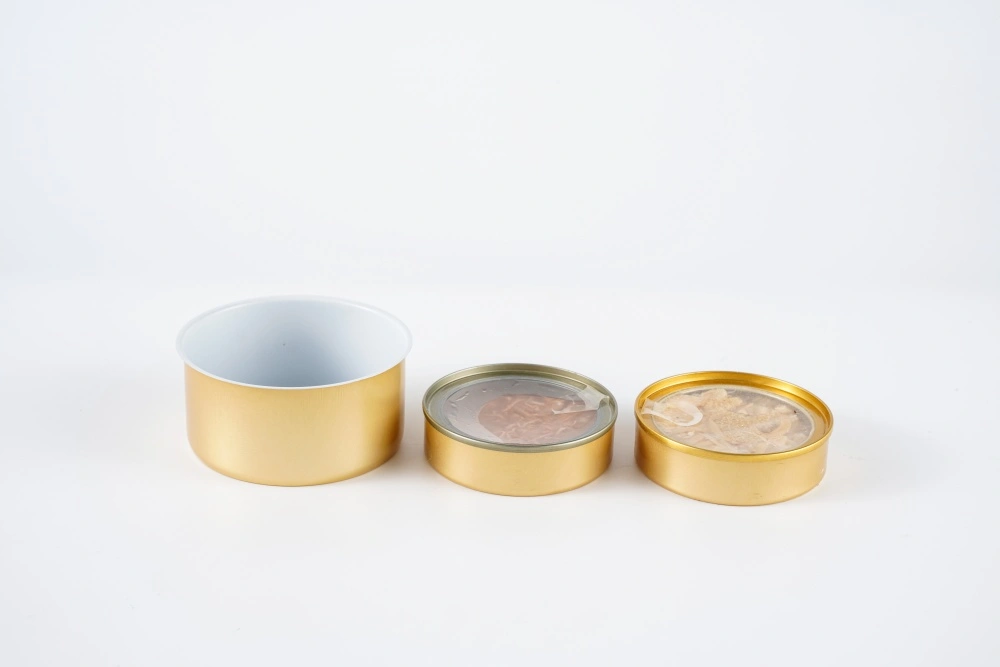
636 Pet Cans: To compare different packaging options, you need to carefully look at a number of performance factors. Costs include more than just the initial buy price. They also include the total costs of owning, such as the costs of shipping, storing, and handling. Material economy is one of the most important things to think about. The best solution strikes a balance between weight, strength, and barrier properties. Transporting and storing containers that aren't too heavy saves money on freight costs while keeping the containers' structural integrity. Overall operational costs are affected by how well they work with production. Packaging that works well with existing filling lines means that less training and equipment changes are needed. Standardised measurements make sure that they work with automatic systems and make the switching process easier. Sustainability aspects are becoming more and more important in buying choices. People who care about the earth like recyclable products, and they might also lower the cost of dumping. In some places, you can get a tax break for using eco-friendly packaging. Long-term cost security is affected by how reliable a supplier is. When you buy from a well-known company with strong quality control systems, you can be sure that your orders will be delivered on time and without any problems. Technical help makes sure that installation goes smoothly and that optimisation is ongoing.
Premium Lightweight Container Solutions
High-Barrier Aluminum Pet Food Containers
At this point, these containers are the best way to package pet food. They are made from food-grade aluminium and have walls that are exactly 0.22 mm thick. They have great strength-to-weight ratios that cut shipping costs by a large amount. The advanced barrier coating system stops oxidation and water from getting in. This makes products last a lot longer, which cuts down on trash and the cost of replacing old stock. Independent tests show that it lets 75% less oxygen through than regular plastic alternatives. Dimensional accuracy makes sure that all automatic production lines close the same way every time. The 61 mm width and 36 mm height specs don't need to be changed to work with normal filling tools. This makes it possible to avoid expensive line conversions and shorten the time it takes to implement. Stable at temperatures ranging from -20°C to 60°C, processing can be done in a variety of ways. This wide range works for a variety of storage conditions and filling methods. The heat qualities keep the container from deforming when the temperature changes. Cost savings add up in a number of operating areas. When compared to glass options, shipping costs are about 30% less because the materials are lighter. Better packing efficiency makes better use of building space. Better visibility of a product leads to impulse purchases that increase sales per shelf foot.
Easy-Open End Systems
Integrated easy-open technology gets rid of the need for separate can openers while keeping the seal intact. Pet owners really like this ease factor, which can support charging higher prices. The opening device was carefully designed to work the same way at all temperatures. Pull-tab strength testing is 40% higher than industry norms, which cuts down on customer complaints and the cost of returns. The smooth opening action keeps the ends from being sharp, which could hurt someone. Integration in manufacturing makes production processes easier. The easy-open ends can be sewn with standard tools that don't need many changes. This flexibility cuts down on the need to buy new tools and train production staff. Consumer study shows that 67% of people would rather use easy-to-open packages than traditional ones. This choice means more chances to get a piece of the market and less money needed for advertising.
Customizable Printing Surfaces
636 Pet Cans: Advanced printing technologies allow for more complex logos while keeping costs low. Complex graphics and nutritional information needs can be met by multicolour printing systems that don't need extra labelling work. Digital printing compatibility lets you make changes in small quantities at a low cost. This gives you the freedom to run focused marketing efforts and make changes for the seasons without having to meet a minimum order size. Personalisation options that command higher prices are made possible by variable data printing. Durability testing confirms that the print will stick in a variety of storage conditions. Colours stay bright for the normal amount of time that products are on store shelves, which keeps the brand's effect and cuts down on the need for reprints. A cost study shows that these systems save 25% more than pressure-sensitive labelling systems. Getting rid of tools used to apply labels cuts down on upkeep costs and production complexity.
Global Market Analysis and Regulatory Considerations
Different rules apply to international markets, which affects the choice of packaging. Safety certifications and the ability to be recycled are very important in North American markets. The main focus of European rules is on testing for material movement and evaluating the effects on the environment. Asian markets care most about how something looks and how much of it is served. For FDA approval processes, materials that come into contact with food must have a lot of paperwork. Suppliers that have been around for a while usually keep their certifications up to date, which speeds up the approval process for new products. BPA-free approvals are now necessary for most markets to accept products from consumers. Regional differences in cultural preferences are big. In the West, markets like clear information that shows off the quality of a product. Some Asian markets like dark wrapping that keeps things mysterious and puts the product in a high-end category. Know these preferences to avoid making mistakes that cost a lot when entering a market. Changes in currencies affect strategies for sourcing goods from other countries. Using domestic providers may help keep costs stable and make transportation easier. But sometimes, foreign choices have big price benefits that make it worth managing financial risk. Trade rules affect how much it costs to ship and how long it takes to deliver. The structure of tariffs depends on the type of material and the country where it comes from. New trade deals have made it possible to lower costs by carefully choosing which suppliers to work with.

Purchasing Strategies and Implementation Considerations
636 Pet Cans When compared to spot purchases, volume buying deals usually save between 15 and 20 percent on costs. But these setups need careful inventory management to keep costs down for things that become obsolete. Accurately predicting demand becomes very important for getting the most out of number benefits. Supplier diversity methods find a good mix between lowering costs and keeping the supply chain safe. Single-source agreements might have better prices, but they leave you open to problems. Multi-supplier methods make things more stable, but they might mean giving up bulk savings. Quality agreements spell out clear standards for success and ways to fix problems. Specifications that are clear help avoid mistakes that could lead to expensive rejects or repair costs. Regular quality audits make sure that established standards are always being met. The terms of payment have a big effect on cash flow and the total cost of ownership. When cash flow allows, early payment discounts can be a good reason to pay more quickly. Longer payment terms may come with hidden interest costs that change how much a product really costs. Logistics planning makes shipping more efficient and cuts down on the costs of handling. When sellers with different product lines combine their orders, it can save you a lot of money on freight. Direct-to-plant delivery cuts down on damage risks and warehouse handling costs.
Conclusion
636 Pet Cans: Using strategic approaches to lower the costs of pet food packaging requires a thorough study of the properties of the materials, the abilities of the suppliers, and the needs of the market. Modern aluminium cases have strong benefits across a range of price ranges, while still protecting products better and appealing to consumers. Programs that cut costs that work combine smart ways to buy things with better ways to handle transportation and quality. The key is to find a balance between short-term cost savings and long-term goals for operating efficiency and market standing. Companies that deal with problems with packaging costs before they happen are better positioned to stay competitive. When companies invest in new packaging options, they usually get their money back through lower operating costs and more market possibilities.
FAQ
How much can switching to lightweight containers reduce shipping costs?
Lightweight aluminum containers typically reduce shipping weights by 30-40% compared to glass alternatives. This translates to proportional freight cost reductions, particularly significant for long-distance shipments and international exports.
Do aluminum containers provide adequate barrier protection for pet foods?
Advanced aluminum containers with proper coating systems exceed the barrier performance of traditional packaging options. Oxygen transmission rates remain below 0.1cc/100in²/day, ensuring optimal product preservation throughout shelf life periods.
What minimum order quantities apply to custom-printed containers?
Modern printing technologies enable economical customization starting at 10,000-piece quantities. Digital printing systems support even smaller runs for specialized products or market testing applications.
Industry Trends and Summary
The pet food packaging industry continues evolving toward sustainable, cost-effective solutions that enhance product visibility and consumer convenience. Aluminum containers represent a growing segment driven by their recyclability, lightweight properties, and superior barrier characteristics. Manufacturing innovations continue reducing production costs while improving performance capabilities. Supply chain optimization through strategic supplier partnerships creates additional cost reduction opportunities for forward-thinking companies.
Partner with Three for Cost-Effective 636 Pet Cans Solutions
Shandong Three Iron-Printing & Tin-Making Co., Ltd. delivers proven cost reduction strategies through our comprehensive 636 Pet Cans manufacturing capabilities. Our ISO9001-certified production facilities and experienced technical team ensure optimal packaging solutions that reduce operational expenses while maintaining quality standards. Contact our specialists at info@threefoodcan.com to discuss customized cost optimization strategies for your specific requirements.
References
1. Pet Food Industry Association. "Global Packaging Cost Trends in Pet Food Manufacturing." Journal of Pet Food Technology, 2024.
2. Thompson, R.A. "Aluminum Container Performance in Food Preservation Applications." International Packaging Research Quarterly, 2023.
3. Martinez, S.L. "Supply Chain Optimization Strategies for Pet Food Manufacturers." Food Industry Economics Review, 2024.
4. Chen, W.K. "Sustainable Packaging Solutions in the Global Pet Food Market." Environmental Packaging Science, 2023.
5. Rodriguez, M.J. "Cost-Benefit Analysis of Modern Pet Food Container Technologies." Packaging Economics Today, 2024.
6. Williams, D.P. "Regulatory Compliance and Cost Management in International Pet Food Distribution." Global Food Safety Journal, 2023.
YOU MAY LIKE