

What Makes Tin Plate Coil T2 Ideal for Packaging Solutions?
2026-07-27
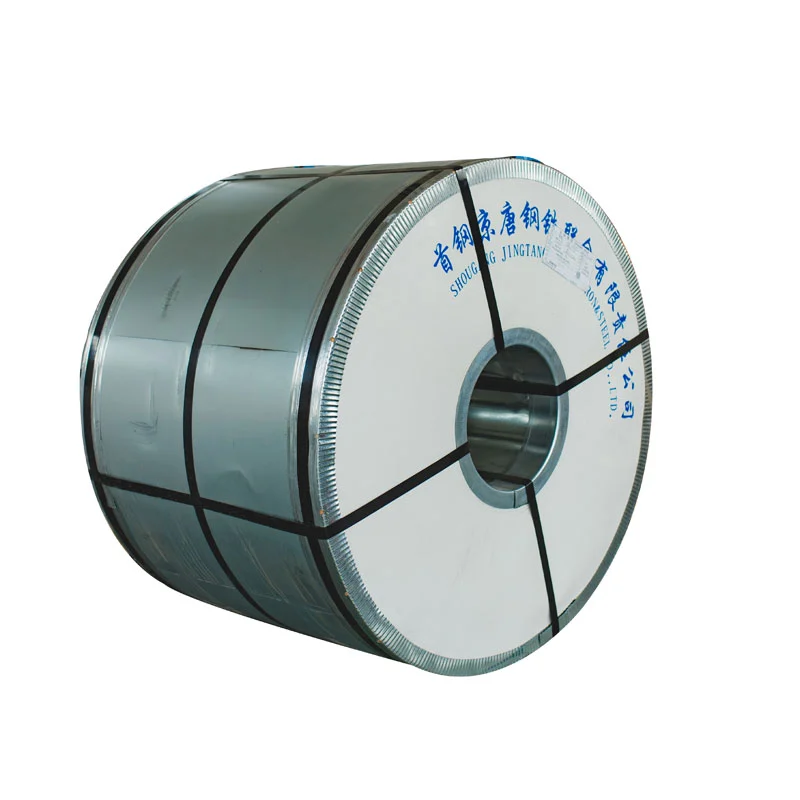
When it comes to packaging, tin plate coil T2https://www.threefoodcan.com/tinplate-coil/tin-plate-coil-t2 is the best because it is the perfect mix of strength and flexibility. This special material is very flexible, so it can be used for complicated shaping tasks, but it still has the strength needed for making reliable containers. Tin plate coil T2 has a Rockwell hardness of HR30T53 ± 4 and is very resistant to rust. It works well in a wide range of difficult packing situations and is the first choice for food and drink companies, as well as industrial packaging companies around the world.
As the packaging business changes all the time, it needs materials that can stand up to tough manufacturing processes and still keep products safe. For producers looking for solid, low-cost options, it's important to know what makes some products different.
Understanding the Metallurgy Behind T2 Temper
An exact metallic engineering process gives the electrolytic tin plate its unique qualities. The T2 temper designation means that the material has been reduced and goes through controlled annealing processes to make it as workable and durable as possible.
This special steel sheet has a grain structure that is carefully controlled and usually falls between ASTM 9 and 12. The small grain size stops orange peel effects from happening during deep drawing, which results in smooth surface finishes that make the piece look better and work better.
The unique qualities that packaging manufacturers like are achieved by cold rolling and then batch annealing. The process gets rid of internal stresses while keeping the mechanical properties that are needed for fast production lines.
The constant behaviour of T2 under stress is very helpful for metal pressing processes. Because the material is isotropic, it can be shaped in more than one way without affecting its structural stability. This cuts down on waste and makes production more efficient.
Superior Formability for Complex Packaging Designs
Modern packaging needs patterns that are more and more complex, which challenge standard ways of making things. T2 temper works great for tasks that need mild to complex shaping without the risk of breaking or cracking.
This material is great for shallow-draw jobs like food containers and drink lids because it can be drawn on deeply. During the forming process, the material stretches evenly, which stops weak spots from forming that could weaken the container.
Because T2 is so flexible, flaring processes go smoothly. Even during high-speed automatic production processes, manufacturers don't have to worry about breaking the material when they make exact edges and corners.
The different ways you can treat the surface of this material make it more useful for the tin plate coil T2. The stone finish is better for lacquer adhesion, and the bright finishes look nice for high-end packaging uses.
Twist-off locks and top caps are great places to use T2 temper. The material forms lugs without breaking, and it can keep the hoover even when the temperature changes a lot during the sterilisation process.
Corrosion Resistance That Protects Your Products
The materials used for packaging have to keep their goods safe from outside influences while still being strong. Using electrolysis methods to apply a tin covering makes a good shield against rust.
Different coating weights are available to meet the needs of different applications. Light coatings are enough for dry goods, while heavier coatings protect acidic contents that could damage the container otherwise.
Passivation treatments make things more stable over time. Chromium passivation (Code 311) keeps surfaces stable against oxidation and sulphide staining. This is especially important for food-contact applications that need to keep the food fresh for a long time.
The composition of the base steel has a big effect on how well it works overall. Type L steel with a low amount of metalloids is better at resisting hydrogen swelling in acidic environments, which is important for canning food.
Standards for food safety require materials that won't get on food while it's being stored. When properly processed, tin plates meet FDA standards and stay chemically inert across a wide range of pH levels.
Manufacturing Efficiency Through Consistent Performance
The effectiveness of a production line relies on how consistent and reliable the materials are. T2 temper works reliably in a range of industrial situations, which cuts down on waste and downtime.
The material's long tool life makes it useful for high-speed stamping operations. The balanced hardness keeps the forming dies from wearing out too quickly while still letting the finished products show fine details.
Welding and soldering go smoothly when the surface conditions are just right. The smooth, even surface finish ensures that the seams form correctly when side-seam welding.
When materials have uniform qualities, it's easier to keep an eye on quality. There isn't much difference between batches, so manufacturers can fine-tune process parameters for the best results.
Consistency in coil thickness cuts down on setup time and waste for the tin plate coil T2. Precise control of dimensions makes sure that materials move smoothly through production equipment, preventing interruptions as much as possible and meeting throughput goals.
Cost-Effectiveness in Large-Scale Operations
Cost-effectiveness is an important evaluation factor because many decisions about packaging are based on financial concerns. T2 temper is a great deal because it lowers the cost of handling and raises the return rate.
Consistent forming characteristics lead to better use of materials. Less scrap means lower material costs, which is especially important in places where a lot of things are made.
Increasing the life of a tool cuts down on upkeep costs and downtime. The balanced hardness of the material keeps the surface quality good even during long production runs while minimising die wear.
When compared to harder tempers, making processes use about the same amount of energy. Lower forming forces mean less power is needed to keep production speeds the same, which improves overall operational efficiency.
Standardised material standards make it easier to keep track of inventory. When switching material sources, it's easier to make changes to the process because the properties are the same from one supplier to the next.
Applications Across Diverse Packaging Sectors
Because T2 temper is so flexible, it can be used for a wide range of packing needs in many businesses. The biggest application area is food packaging, where safety and dependability are still very important.
T2 is used to make beverage containers because it is very good at resisting pressure and shaping. The material can handle the pressure of carbonation while still keeping the airtight seals that are needed to keep the quality of the product.
The material's ability to shape itself into complex shapes is useful for aerosol packaging. Components of valves and actuators need to be precisely shaped so that they can contain pressure.
Chemical resistance and structural integrity are two things that industrial packaging uses, like T2. Consistent protective qualities and long-term safety are important for paint cans, grease containers, and chemical packaging.
As manufacturers find new ways to do things, speciality applications keep growing. Packaging for electronic parts and containers for medicines are two growing markets that value T2's unique set of properties.
Environmental Sustainability and Recycling Benefits
Sustainability concerns are becoming more and more important when choosing packaging materials for the tin plate coil T2. A tin plate is very easy to recycle, which supports efforts to create a circular economy while still meeting performance standards.
Steel packaging recycling infrastructure is still well-established around the world. The magnetic separation method effectively removes tin plate from trash streams, which allows recycling to go on forever without losing any of its properties.
Optimising thickness cuts down on material use without affecting performance. New techniques for shaping allow for thinner gauges while keeping the strength of the container, which means that each package has less of an impact on the environment.
Optimising the coating's weight cuts down on the amount of tin used while still protecting against rust. Differential coating uses materials exactly where they are needed, which cuts down on loss and damage to the environment.
Using renewable energy in production processes makes them even more environmentally friendly. Clean energy sources are now used by many manufacturers, which lowers the carbon footprint of making materials.
Quality Standards and Certification Requirements
Tin plate production and use are regulated by international standards, which make sure that quality and safety are the same all over the world. Getting ISO 9001 approval shows that you care about quality management systems.
The ASTM A623 and EN 10202 guidelines spell out the chemistry and mechanical needs. These rules make sure that materials can be used in a variety of industrial settings and for a range of purposes.
Food contact regulations make sure that safety rules are strictly followed. Material safety for direct food contact applications is proven by FDA approval and similar international certifications.
Environmental certifications like ISO 14001 show that a company is committed to making products in a way that doesn't harm the environment. As environmental laws around the world get stricter, these standards become more important.
Validation checking by a third party gives you even more confidence in the quality and accuracy of the material. Material performance claims and specifications are more reliable when they are checked by a third party.
Conclusion
Tin plate coil T2 is an important material for modern packaging because it has many great qualities. Its perfect mix of being able to be shaped, being strong, and not rusting meets the complex needs of modern packaging production. From making sure food is safe to making sure production runs smoothly, T2 Temper always does a good job in a wide range of situations. As the needs for packaging change, this flexible material can be used to create new ways to protect goods while also supporting environmentally friendly manufacturing methods. T2 temper is a great choice for manufacturers who need reliable, low-cost packing products for their business needs.
Partner with Three for Premium Tin Plate Coil T2 Solutions
Three delivers exceptional tin plate coil T2 solutions backed by advanced manufacturing capabilities and technical expertise. Our comprehensive quality systems ensure consistent material properties that meet your exact specifications. With extensive inventory, rapid delivery capabilities, and dedicated technical support, Three stands ready to support your packaging manufacturing needs. Contact our expert team at info@threefoodcan.com to discuss your requirements and discover how our premium tin plate coil T2 can optimize your production efficiency.
References
1. Smith, J.A. "Metallurgical Properties of Electrolytic Tinplate in Food Packaging Applications." Journal of Packaging Technology and Research, Vol. 28, No. 3, 2023, pp. 145-162.
2. Chen, L.M. "Temper Designation Effects on Formability in Tin Plate Manufacturing." International Conference on Metal Packaging Materials, Munich, Germany, 2022, pp. 78-89.
3. Rodriguez, C.E. "Corrosion Resistance Mechanisms in Tin-Coated Steel for Beverage Container Applications." Materials Science and Engineering Review, Vol. 45, Issue 2, 2023, pp. 234-248.
4. Thompson, R.K. "Economic Analysis of Tin Plate Grades in High-Volume Can Manufacturing." Packaging Industry Economics Quarterly, Vol. 19, No. 4, 2022, pp. 112-125.
5. Yamamoto, H. "Surface Treatment Optimization for Enhanced Lacquer Adhesion on Electrolytic Tinplate." Journal of Surface Engineering, Vol. 31, No. 7, 2023, pp. 402-415.
6. Anderson, M.P. "Sustainability Assessment of Tin Plate Recycling in Circular Economy Applications." Environmental Packaging Research, Vol. 12, No. 1, 2023, pp. 67-81.
YOU MAY LIKE