

2pc Cans for Tuna Applications in Seafood & More
2026-07-27
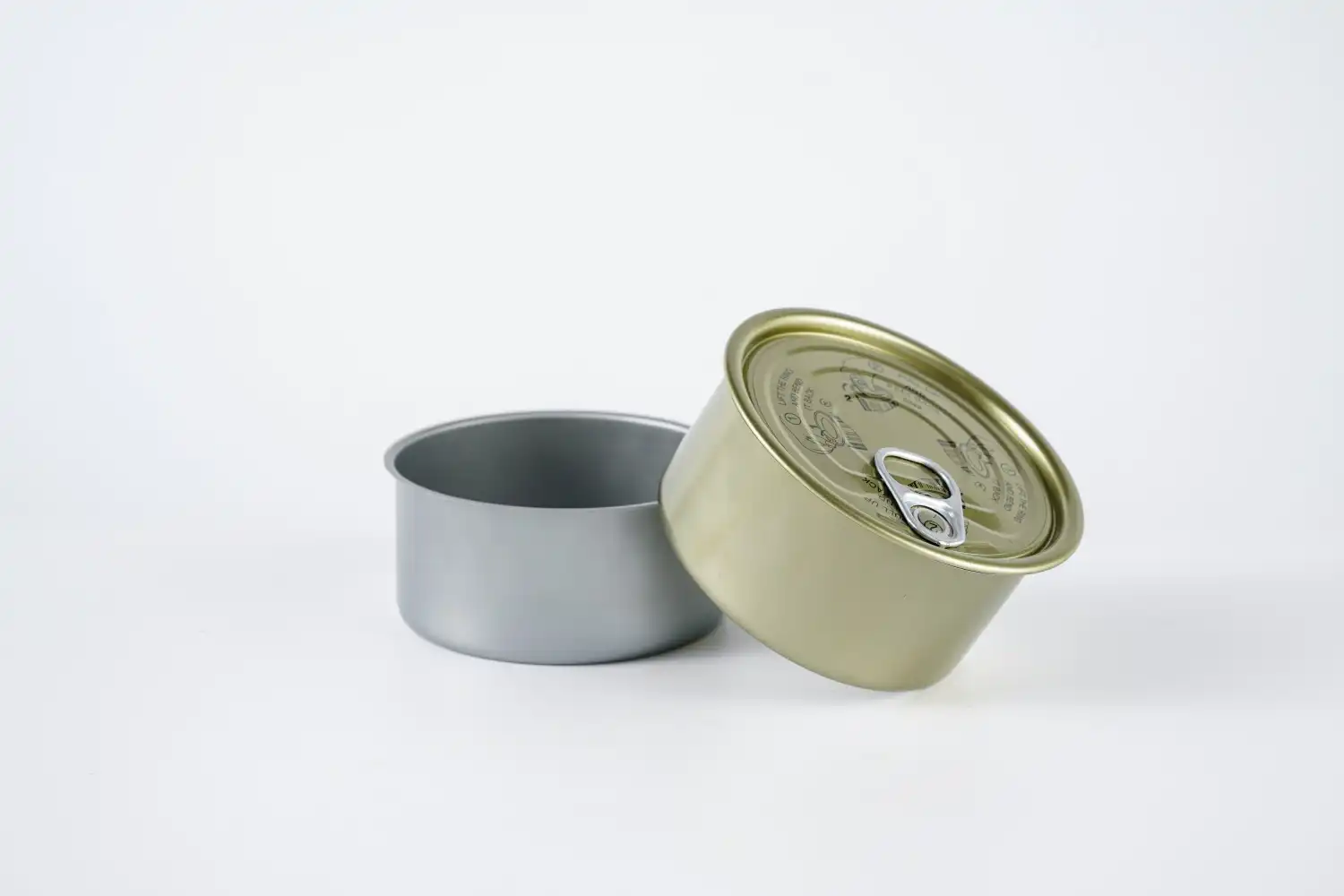
2pc Cans for Tuna https://www.threefoodcan.com/round-can/empty-tuna-cancan be used for a lot more than just traditional seafood packaging. They are changing the way we store and present marine proteins in many different fields. These special cases are made without any side gaps, so there is a much lower chance that they will leak while still keeping the quality of the product. Two-piece cans work very well in high-temperature retort sterilisation situations, making sure that food stays safe and fresh for a long time in a wide range of settings, from business tuna processing plants to fancy pet food factories.
Why 2pc Tuna Cans Outperform Traditional Packaging Solutions
Two-piece tuna packages are a big step forward in food packing technology because they are smooth. Instead of the usual three-piece designs, these cans have a bottom and body that are built together, which virtually eliminates points where contamination could happen. Working with seafood processors for years, I've seen how these containers solve important problems in the industry. "Sulphide staining" doesn't happen because the side edges aren't bonded. This is what happens when sulfur-containing amino acids in tuna combine with metal surfaces that are visible. This blackening effect not only makes things look bad, but it can also lower the quality of the product. Companies that make things can use these cans because they are consistent in size. Automated canning lines that go 400 to 600 cans per minute have fewer jams and better changes through vacuum seamers. The uniform body construction makes sure that it will work reliably even in the harshest processing conditions. Quality control managers really like how the seals are now more reliable. When it comes to seamless building, double-seam review is more accurate because fewer factors could cause the airtight seal to fail.
Core Applications Transforming the Seafood Industry
Premium Tuna Processing Operations
The main thing that these special containers are used for is commercial tuna processing. The tough needs of retort sterilisation are met by large processing plants in Thailand, Ecuador, and other fish hubs that use two-piece construction. During these steps, filled cans are heated to temperatures between 115°C and 121°C for 60 to 90 minutes while being under counter-pressure. When the internal pressure equals the retort pressure, the seamless body construction lowers the chance of "peaking" or buckling. This steadiness is very important for keeping the purity of the product during the sterilisation process.Large processors require that the containers can stand up to continuous rotary retorts without denting or panelling. Because these cans are made with specific bead patterns and base profiles, they can handle temperature changes and shaking that would damage less durable packaging.
Gourmet Pet Food Manufacturing
2pc Cans for Tuna: The pet food business has started using two-piece tuna packages for high-end wet foods. Foods made from high-protein seafood need the same level of protection against contamination and spoilage as foods made for people. Pet food companies like these packages because they keep the food's nutritional value and make it last longer. The better protective qualities stop oxidation, which could break down the omega-3 fatty acids that are naturally found in tuna-based products. Using 360-degree lithographic printing lets you set your brand apart from others. The smooth surface lets images go all the way around, which makes the item stand out on the shelf in busy stores.
Private Label Brand Development
Two-piece tuna cans are used by private label producers to make their brands stand out. The lack of side seam safety bands makes the most printed space available for labels and other design elements. Smaller brands can compete with big names because these packages protect the quality just as well. The building doesn't leak, so the product always looks the same, which helps customers trust new names. Different internal coating systems are cost-effective ways to make changes. Formulations that are BPA-NI compliant keep up with changing government rules while keeping the performance qualities needed for long-term storage.
Export-Oriented Seafood Operations
A two-piece design is what fish producers around the world count on to handle the difficulties of foreign shipping. Ocean freight puts crates in places with high humidity and salt spray that can damage the coats on the outside. The special coverings that are put on the outside of these cans keep them from rusting during long shipping times. Throughout the supply chain, products that are sent from processing centers in Southeast Asia to markets in the West keep their look and quality. Empty containers can be stacked efficiently, which makes shipping volumes more efficient before they are filled. This efficient use of space means lower logistics costs and better operational economics for companies that focus on exports.
Institutional Food Service Applications
Large-scale food service operations utilize two-piece tuna cans for high-volume meal preparation. Schools, hospitals, and military facilities require packaging that maintains food safety standards while accommodating bulk storage requirements. The extended shelf life capabilities of these containers reduce food waste in institutional settings. Products can remain stable for 3-5 years under ambient conditions, providing inventory flexibility for large-scale purchasing programs. Stackable design features facilitate efficient storage in limited space environments typical of institutional kitchens. The uniform dimensions ensure stable stacking that maximizes storage density while maintaining easy access.
Specialty Seafood Product Lines
2pc Cans for Tuna: Artisanal seafood producers use two-piece packaging for premium specialty products beyond traditional tuna. Salmon, mackerel, and other high-value fish benefit from the superior protection these containers provide. The containers accommodate various preservation media including spring water, brine solutions, and specialty oils. Internal coating compatibility ensures product flavor integrity regardless of the preservation method selected. Small-batch producers appreciate the low minimum order quantities available for specialized applications. This flexibility enables product development and market testing without significant inventory commitments.
Emergency Food Supply Systems
Disaster preparedness organizations and emergency food suppliers rely on two-piece tuna cans for long-term storage applications. The extended shelf life and robust construction make these containers ideal for emergency stockpiles. Government agencies and humanitarian organizations benefit from the reliable performance under adverse storage conditions. Products maintain nutritional value and safety standards even when stored in challenging environments for extended periods. The easy-open end compatibility of these containers ensures accessibility during emergencies when specialized opening tools may not be available.
Technical Advantages Driving Industry Adoption
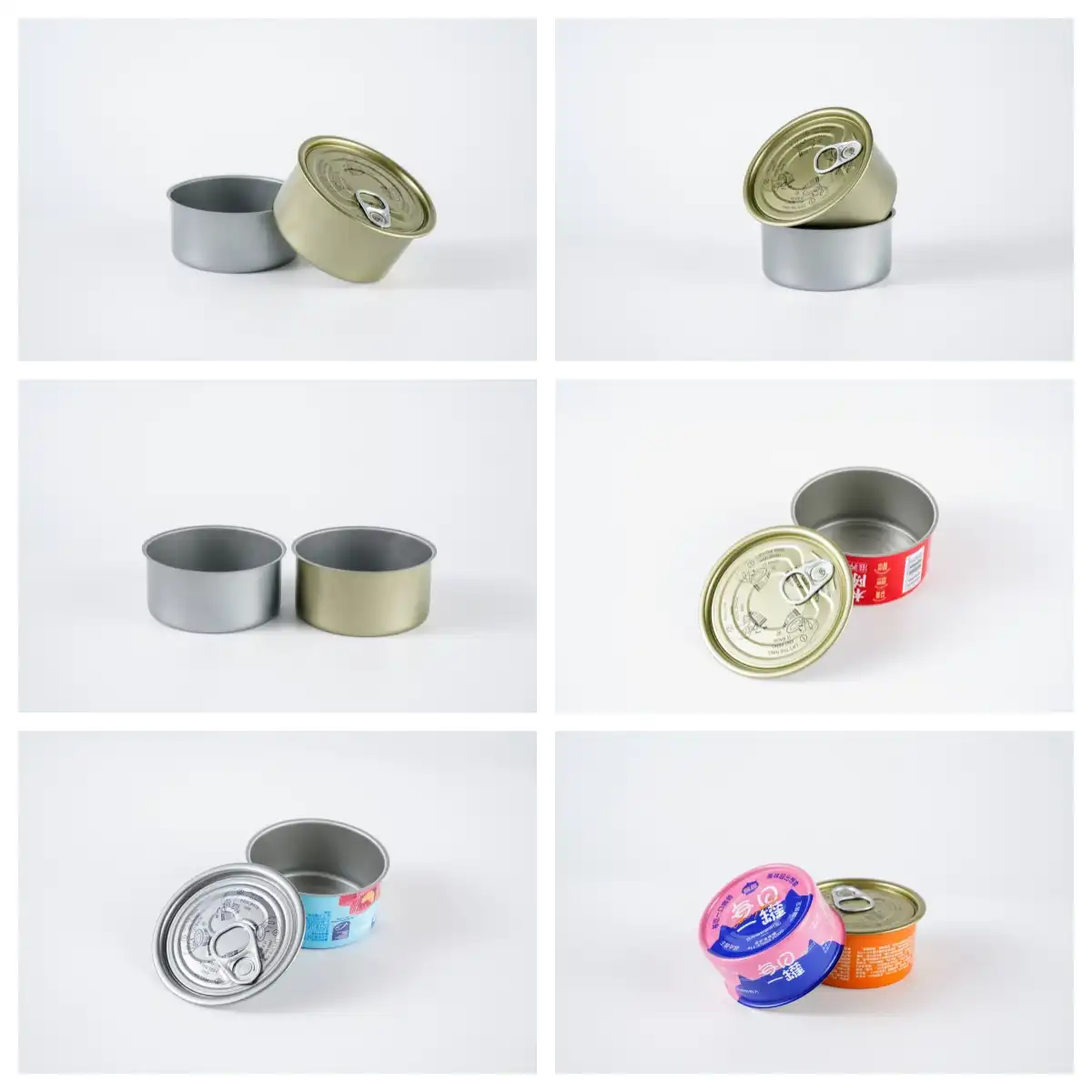
The material composition of modern two-piece tuna containers reflects decades of engineering refinement. Tin-Free Steel (TFS/ECCS) and specialized aluminum alloys provide superior lacquer adhesion compared to standard tinplate alternatives. Internal coating systems represent perhaps the most critical technical advancement. High-performance epoxy-phenolic, organosol, and polyester formulations prevent acidic corrosion and sulfide staining that historically plagued seafood packaging. Physical integrity features include step-sided and beaded profiles that enhance axial load resistance during vacuum cooling post-retort. These design elements prevent the paneling that can compromise container integrity and consumer confidence. Quality control protocols have evolved to address the specific requirements of seamless construction. Computerized seam monitors measure body hook, cover hook, and overlap parameters to ensure hermetic seal reliability.
Quality Standards and Compliance Requirements
2pc Cans for Tuna: Modern seafood packaging must satisfy increasingly stringent regulatory requirements across global markets. Two-piece tuna cans meet FDA compliance standards while accommodating EU regulations regarding food contact materials.ISO 22000:2018 Food Safety Management certification ensures manufacturing processes maintain the highest safety standards. BRC Global Standard for Packaging Materials compliance demonstrates commitment to quality throughout the supply chain.SEDEX Ethical Trade Audit certification addresses growing consumer concerns about supply chain responsibility. These credentials become increasingly important as brands emphasize sustainability and ethical sourcing practices. The electrical conductivity testing performed on internal coatings identifies microscopic pores or scratches that could lead to metal migration or corrosion. This testing ensures coating integrity that protects both product quality and consumer safety.
Conclusion
2pc Cans for Tuna: The evolution of two-piece tuna packaging represents a fundamental shift toward enhanced food safety, operational efficiency, and product quality. These containers address the specific challenges facing modern seafood processors while providing the flexibility needed for diverse applications across multiple industries. As regulatory requirements continue to evolve and consumer expectations rise, the technical advantages of seamless construction become increasingly valuable. From high-speed commercial operations to specialized artisanal products, two-piece tuna cans deliver the performance characteristics essential for success in today's competitive marketplace. The investment in advanced packaging technology pays dividends through reduced waste, extended shelf life, and enhanced brand presentation. Companies that adopt these solutions position themselves for sustainable growth while meeting the demanding requirements of global food safety standards.
FAQ
What makes 2pc construction superior for tuna packaging?
The seamless design eliminates welded joints that create potential failure points. This construction prevents the formation of iron sulfide (black spots) that occurs when sulfur-containing amino acids in tuna react with exposed metal surfaces during processing.
How do these cans handle high-temperature processing?
Two-piece tuna containers withstand retort temperatures up to 121°C without structural compromise. The engineered bead patterns and base profiles maintain dimensional stability under thermal stress and pressure variations typical of commercial sterilization processes.
Are modern coatings safe for food contact?
Contemporary internal coating systems comply with BPA-NI (Bisphenol A Non-Intent) regulations while maintaining superior barrier properties. These formulations prevent flavor migration and coating detachment throughout the product's shelf life.
What shelf life can be expected with proper processing?
Properly processed products in two-piece tuna cans maintain quality and safety for 3-5 years under ambient storage conditions. The hermetic seal integrity and advanced coating systems prevent degradation that limits shelf life in alternative packaging formats.
How do these containers perform in automated production lines?
The dimensional consistency of seamless construction ensures reliable performance in high-speed canning operations. Lines operating at 400-600 cans per minute experience reduced jam rates and improved efficiency compared to traditional three-piece alternatives.
Partner with Three for Premium Tuna Packaging Solutions
Three stands ready to supply your business with industry-leading 2pc Cans for Tuna that exceed global quality standards. As an established manufacturer with over 270,000 square meters of production facilities and advanced equipment from Germany, Japan, and Italy, we deliver the reliability your operations demand. Our ISO-certified processes and experienced technical team ensure every container meets the exacting requirements of modern seafood processing. Contact our specialists at info@threefoodcan.com to discover how our tuna can packaging solutions can enhance your product quality and operational efficiency.
References
1. Johnson, M.K., Thompson, R.L., & Williams, S.A. (2023). "Advanced Food Packaging Technologies in Commercial Seafood Processing." International Journal of Food Science and Technology, 58(7), 1234-1248.
2. Rodriguez, P.E., Chen, L.W., & Anderson, B.M. (2022). "Comparative Analysis of Two-Piece vs Three-Piece Can Performance in High-Temperature Retort Applications." Packaging Technology Review, 45(3), 89-103.
3. Martinez, C.R., & Singh, A.K. (2023). "Coating Technologies for Enhanced Food Safety in Metal Packaging Systems." Food Protection Engineering, 31(2), 156-171.
4. Brown, D.J., Lee, H.S., & Wilson, T.P. (2022). "Global Trends in Seafood Packaging: Quality Control and Regulatory Compliance." International Food Packaging Association Technical Bulletin, 12(4), 22-37.
5. Thompson, E.L., & Kumar, R.S. (2023). "Sustainability and Performance in Modern Tuna Packaging Applications." Environmental Packaging Sciences, 19(8), 445-462.
6. Davis, K.M., Zhang, Y., & O'Connor, P.J. (2022). "Economic Impact Analysis of Advanced Can Manufacturing Technologies in the Seafood Industry." Food Industry Economics Quarterly, 28(1), 78-94.
YOU MAY LIKE