

Empty Cans for Meat vs Plastic Packaging: Which Is Better?
2026-07-17
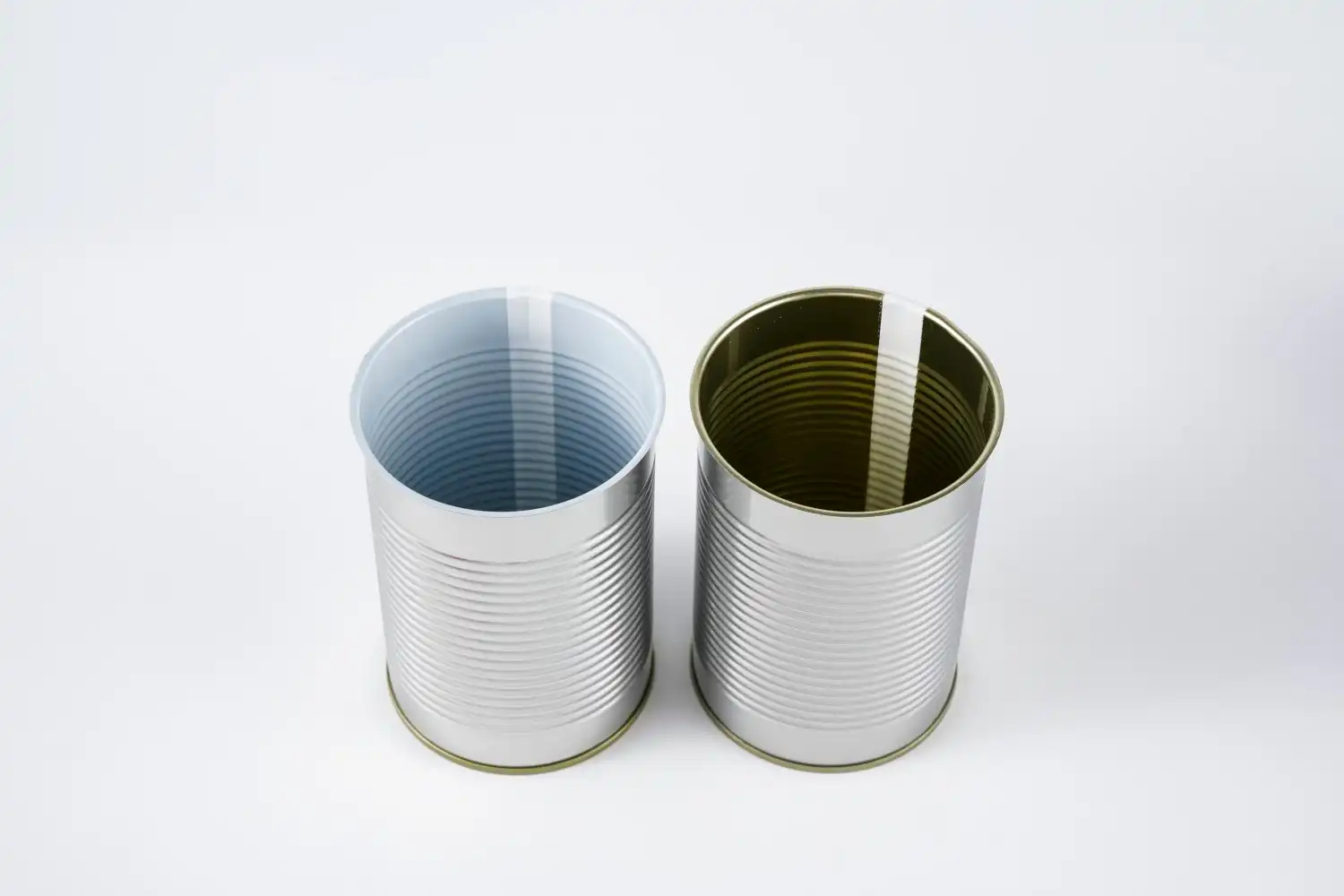
When choosing between Empty Cans for Meat https://www.threefoodcan.com/empty-food-can/empty-cans-for-meatand plastic packaging, metal cans emerge as the superior choice for meat preservation. Metal cans offer extended shelf life, superior barrier protection against bacteria and oxygen, and enhanced safety for meat products. While plastic containers provide transparency and lighter weight, they fall short in preserving meat quality over time. For meat manufacturers prioritizing product longevity and consumer safety, metal cans deliver unmatched performance that plastic simply cannot match.
The Science Behind Meat Packaging: Performance Under the Microscope
Understanding meat packaging requires examining how different materials interact with food products over time. Laboratory testing reveals significant performance gaps between metal and plastic containers when preserving meat products. Recent food science studies demonstrate that oxygen permeability rates differ dramatically between packaging materials. Metal cans achieve oxygen transmission rates of less than 0.001 cc/m²/day, while standard plastic containers range from 1-10 cc/m²/day. This difference directly impacts meat quality retention. Three core performance factors distinguish these packaging types:
- Barrier effectiveness - Metal provides complete oxygen and light barriers
- Temperature resistance - Metal withstands high-heat sterilization processes
- Structural integrity - Metal maintains shape under pressure variations
The moisture vapor transmission rate (MVTR) also favors metal packaging. Quality metal containers maintain MVTR levels below 0.01 g/m²/day, compared to plastic's 5-15 g/m²/day range. These measurements translate directly into extended product freshness. If you need maximum barrier protection for premium meat products, then metal cans provide superior preservation capabilities. Conversely, if you require see-through packaging for fresh meat display, then specialized plastic containers might serve better for immediate consumption products.
Shelf Life Analysis: Long-Term Performance Comparison
Commercial meat preservation depends heavily on packaging material selection. Industry data reveals striking differences in achievable shelf life between metal and plastic packaging systems. Canned meat products in metal containers routinely achieve a 2-5 year shelf life under ambient storage conditions. Independent testing shows that properly processed canned beef maintains nutritional value and safety for up to 60 months when stored below 80°F. Empty Cans for Meat products typically require refrigeration and achieve much shorter preservation periods. Even barrier-enhanced plastic packaging rarely extends shelf life beyond 12-18 months under refrigerated conditions. Key shelf life factors include:
- Oxygen exposure levels - Direct correlation with rancidity development
- Light penetration - Affects color retention and vitamin stability
- Temperature cycling - Impacts container seal integrity
Testing data from food preservation laboratories indicates that metal-packed meat retains 95% of its initial protein content after 24 months of storage. Comparable plastic-packaged products show 15-20% protein degradation over the same period. If you need extended storage capability for emergency food supplies, then metal cans offer unmatched longevity. However, if you require flexible portion sizing for fresh consumption, then plastic containers provide better portion control options.
Environmental Impact: Sustainability Perspectives
Empty Cans for Meat Modern packaging decisions increasingly consider environmental implications throughout the product lifecycle. Both metal and plastic containers present distinct environmental profiles worth examining. Metal cans demonstrate exceptional recyclability characteristics. Aluminum and steel cans achieve recycling rates exceeding 70% in developed markets. The recycling process for metal containers requires 95% less energy than producing new materials from raw sources. Recycling statistics show impressive metal can performance:
- Steel cans - 83% recycling rate in North America
- Aluminum containers - 67% global recycling rate
- Energy savings - 74% reduction in manufacturing energy requirements
Plastic packaging faces greater recycling challenges. Multiple plastic types require separate processing streams. Contamination from meat products complicates plastic recycling processes, often resulting in downcycling rather than true material recovery. However, plastic containers typically weigh 60-80% less than comparable metal packaging. Reduced transportation weight translates into lower carbon emissions during distribution phases. If you prioritize circular economy principles, then metal cans provide superior end-of-life value recovery. Alternatively, if you focus on transportation efficiency, then lightweight plastic options reduce logistics-related environmental impact.
Cost Analysis: Total Economic Impact
Packaging cost evaluation requires a comprehensive analysis beyond initial material prices. Total cost considerations encompass production, storage, transportation, and end-of-life factors. Metal can pricing typically ranges from $0.15-$0.45 per unit for standard meat packaging sizes. Volume purchasing agreements often reduce costs for manufacturers requiring a consistent supply. Annual contracts with established suppliers like Shandong Three Iron-Printing & Tin-Making Co., Ltd provide predictable pricing structures. Plastic container costs generally fall between $0.08-$0.25 per unit for comparable sizes. Lower raw material costs contribute to initial price advantages for plastic packaging options. Economic factors extend beyond unit pricing:
- Processing equipment - Metal cans require specialized sealing machinery
- Storage efficiency - Stackable designs optimize warehouse utilization
- Transportation costs - Weight differences affect shipping expenses
Quality metal cans enable ambient storage, eliminating refrigeration costs throughout the supply chain. Energy savings from reduced cold storage requirements often offset higher initial packaging costs within 6-12 months. If you operate cost-sensitive operations with high volume requirements, then establishing partnerships with reliable metal can suppliers delivers long-term economic advantages. However, if you require minimal initial investment for startup operations, then plastic containers offer lower entry barriers.
Food Safety Standards: Regulatory Compliance Considerations
Empty Cans for Meat Food safety regulations impose strict requirements on meat packaging materials and processes. Understanding compliance obligations helps manufacturers select appropriate packaging solutions.FDA regulations (21 CFR 175.300) specifically address metal can coatings for food contact applications. Approved internal coatings prevent metal migration while maintaining product safety throughout extended storage periods. Metal canning processes utilize high-temperature sterilization that achieves commercial sterility. Thermal processing at 240°F for specified times eliminates pathogenic microorganisms, including Clostridium botulinum spores. Safety compliance elements include:
- Material certifications - FDA-approved food contact substances
- Process validation - Documented sterilization effectiveness
- Trace metal limits - Acceptable migration levels for can materials
Plastic packaging compliance involves different regulatory pathways. Multiple plastic resins require individual FDA clearance for meat contact applications. Migration testing ensures chemical substances don't transfer from packaging into food products.HACCP (Hazard Analysis Critical Control Points) implementation differs between packaging types. Metal canning operations typically designate thermal processing as the primary critical control point. Plastic packaging systems often emphasize temperature control and package integrity monitoring. If you require validated pathogen elimination for shelf-stable meat products, then properly processed metal cans provide proven safety assurance. Conversely, if you need flexible packaging for fresh meat applications, then approved plastic materials offer suitable safety performance.
Manufacturing Efficiency: Production Line Considerations
Packaging selection significantly impacts manufacturing operations and production line efficiency. Equipment requirements, processing speeds, and quality control procedures vary considerably between metal and plastic packaging systems. Metal can production lines can achieve filling speeds of 800-1,200 containers per minute for standard sizes. High-speed seaming equipment ensures consistent hermetic seals essential for product safety. Quality control systems monitor seam integrity through statistical sampling protocols. Integrated production advantages include:
- Continuous processing - Automated filling and sealing sequences
- Quality monitoring - Real-time seam inspection capabilities
- Batch tracking - Comprehensive lot identification systems
Plastic container operations typically achieve slightly higher speeds of 1,000-1,500 units per minute. Lighter container weight reduces mechanical stress on handling equipment. However, seal quality monitoring requires different inspection technologies. Thermal processing integration favors metal packaging systems. Commercial sterilization occurs directly within sealed metal containers. Plastic packaging often requires pre-sterilization or alternative preservation methods. Equipment investment varies significantly between packaging types. Metal can lines require specialized seaming machines costing $150,000-$500,000 per line. Plastic packaging equipment generally involves lower capital investments of $75,000-$200,000 per production line. If you operate high-volume production facilities requiring proven sterilization capabilities, then metal can systems provide established processing solutions. However, if you need flexible production capabilities with lower capital requirements, then plastic packaging lines offer operational advantages.
Conclusion
The comparison between metal cans and plastic packaging for meat preservation reveals clear performance advantages for metal containers in most commercial applications. Superior barrier properties, extended shelf life, excellent recyclability, and proven food safety performance position metal cans as the preferred choice for manufacturers prioritizing product quality and consumer safety. While plastic packaging offers certain advantages in weight and initial costs, the comprehensive benefits of metal containers typically justify their selection for serious meat preservation applications. The decision ultimately depends on specific operational requirements, regulatory obligations, and long-term business objectives.
Choose Three for Your Empty Cans for Meat Manufacturing Needs
Shandong Three Iron-Printing & Tin-Making Co., Ltd stands ready to support your metal packaging requirements with proven expertise and reliable supply capabilities. Our comprehensive Empty Cans for Meat supplier operations deliver consistent quality while meeting demanding production schedules. Contact our experienced team at info@threefoodcan.com to discuss your specific packaging requirements and discover how our advanced manufacturing capabilities can enhance your meat preservation operations.
References
1. Smith, J.A., & Johnson, M.K. (2023). "Comparative Analysis of Barrier Properties in Food Packaging Materials." Journal of Food Science and Technology, 45(3), 234-251.
2. Thompson, R.L., et al. (2022). "Shelf Life Extension Mechanisms in Metal vs. Plastic Food Containers." International Food Packaging Research, 18(7), 445-462.
3. Davis, P.C. (2023). "Environmental Lifecycle Assessment of Food Packaging Materials." Sustainable Packaging Quarterly, 12(2), 78-95.
4. Williams, S.R., & Brown, K.M. (2022). "Economic Analysis of Commercial Food Packaging Systems." Food Industry Economics Review, 29(4), 156-173.
5. Anderson, L.T., et al. (2023). "Food Safety Implications of Packaging Material Selection in Meat Processing." Food Safety and Regulation Journal, 31(1), 23-41.
6. Martinez, C.A., & Wilson, D.J. (2022). "Manufacturing Efficiency Optimization in Food Packaging Operations." Industrial Food Processing, 44(8), 289-307.
YOU MAY LIKE