

2.8/2.8 Tinplate Sheet 0.2mm: Benefits for Packaging Use
2026-07-24
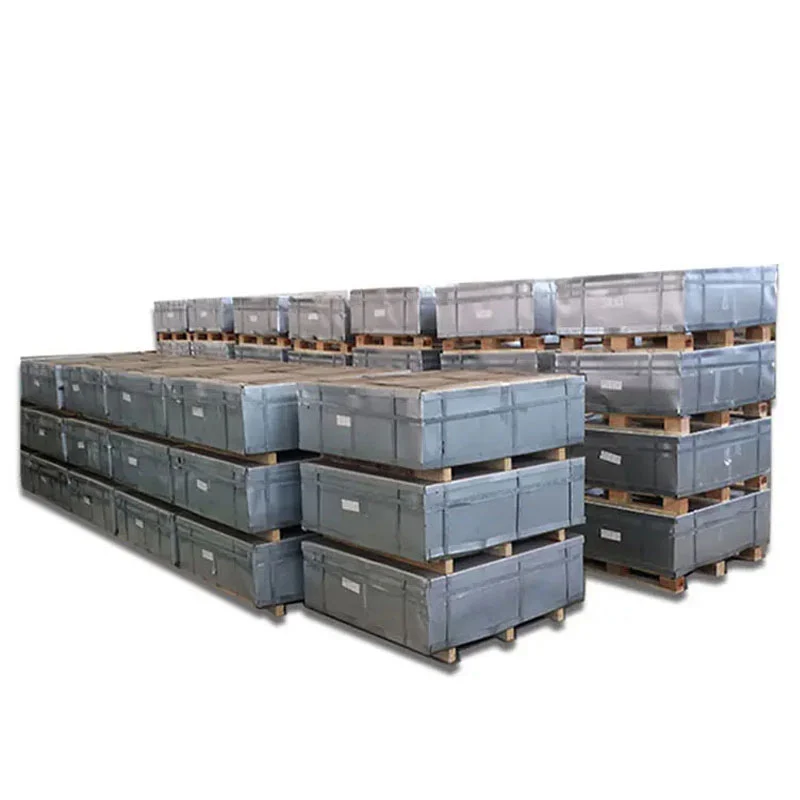
2.8/2.8 Tinplate sheet 0.2 mm https://www.threefoodcan.com/tinplate-sheets/2-8-2-8-tinplate-sheet-0-2-mmstands out as a great material that has changed the packaging business when we talk about current ways to package things. This carefully designed electrolytic tinplate has a great mix of strength, resistance to rust, and ability to be shaped. The thickness of this material is 0.2 mm, and both sides have an equal tin covering of 2.8 g/m². This makes it the perfect choice for high-volume production lines in many industries because it is both strong and cheap.
Understanding 2.8/2.8 Tinplate Sheet Technology
The number "2.8/2.8" refers to the amount of tin coating that was put on each side of the steel substrate. This even distribution of the coating keeps the excellent forming properties while providing consistent protection against corrosion. The ideal thickness is 0.2 mm, which is the perfect balance between material strength and weight reduction. This lets manufacturers save a lot of money without sacrificing the quality of the product.
The modern methods used to make tinplate sheets are cold rolling and electrolytic tinplating. The steel base usually follows MR (Minimum Residual) or L-type steel standards and has low amounts of copper and phosphorus to lower the risk of corrosion. This careful choice of materials guarantees top performance in tough packing situations.
You can choose from three different surface finishes: bright, matte, and stone. Each one is better suited for different types of printing and shaping. For named packages, bright finishes make it easier to print, while stone finishes make it easier for paint to stick to them in industrial settings. The passivation process, which is usually based on chromium, makes the surface stable against sulphide stains and helps lacquer stick well.
Core Applications and Industrial Uses
Food and Beverage Can Manufacturing
The most common use for the 2.8/2.8 tinplate sheet 0.2 mm is in food packaging. Because the material is safe for food and makes a great barrier, it is perfect for keeping products fresh. Because the tin layer lowers electrical resistance during high-speed resistance welding, this material is better for making three-piece can bodies.
Because the diameter is only 0.2 mm, producers can make more cans per tonne of material, which cuts costs by a large amount. On the other hand, the 2.8 g/m² coating protects well against acidic food when combined with the right internal lacquers. This standard meets the strict FDA rules for products used to package food.
Aerosol Container Production
The mechanical properties of this tinplate specification are very helpful for making aerosol cans. The consistent thickness of the material ensures that the welding currents are the same during side-seam welding. The tin layer makes it easier to join wires without contaminating the electrodes too much. This cuts down on production delays and servicing costs.
When used in high-pressure situations, the structure needs to be strong and reliable, which this material provides because of how it tempers. The material comes in T-3, T-4, or double-reduced tempers and has yield strengths high enough to hold pressurised contents while still being able to be shaped for beading and flanging.
Bottle Caps and Closure Systems
Twist-off lug caps are a unique use case where the 0.2mm size gives the exact amount of spring-back flexibility needed for fitting devices. Modern polymer compounds and exterior printing inks stick to the tin coating, which lets you make attractive branded closures that keep working for a long time.
The material's great deep-drawing properties are used to make crown caps. The equal tin covering makes sure that the pressing process works consistently and provides enough rust protection for use with drinks.
Chemical and Industrial Packaging
When paired with the right phenolic or epoxy-phenolic lacquers, the material's resistance to different solvents makes it useful for chemical packaging. The 2.8/2.8 coating specification provides good barrier properties for containers holding less than one litre, so it can be used to store paint, adhesives, and industrial chemicals.
The fact that the material works with modern coating systems means that it can be used in harsher chemical environments. If you choose the right finish, you can store things safely that would quickly rust on steel surfaces that aren't covered.
Electronics and Small Components
Electronics casings use the material's ability to block electromagnetic waves and its ability to be shaped. The thin gauge makes it possible to stamp accurately, and the tin coating makes it easy to solder electrical connections.
The material can keep tight limits during the making processes, which is good for small component packing. The consistent thickness and surface quality make it possible to stamp at high speeds with little damage to the tools.
Decorative and Promotional Items
This type of tinplate has a bright finish on the outside, which makes it perfect for artistic cases and advertising packages. The material works really well with lithographic printing, so you can get high-quality images for high-end product displays.
Uses in gift boxes take advantage of the material's good looks and ability to keep stamped features sharp. The resistance to rust makes sure that the look lasts for a long time, even when stored in damp conditions.
Industrial Hardware Applications
The material is easy to shape and doesn't rust, which are both good qualities for small hardware parts. The consistent mechanical properties allow stampings for a wide range of industrial uses to meet exact dimensional requirements.
Because the material can be used with different surface processes, makers can add extra protective or artistic finishes as needed for different uses.
Key Advantages for Modern Packaging
The best thing about the 2.8/2.8 tinplate sheet 0.2 mm is that it has a great cost-to-performance ratio. When compared to standard 0.22mm sheets, the thin gauge cuts down on material use by 15–20% while still keeping enough structural strength for most packaging uses.
Another important benefit is that it doesn't corrode. The equal tin coating protects the whole surface evenly, getting rid of any weak spots that could cause it to break too soon. This dependability means that packaged goods will last longer and manufacturers will get fewer warranty claims.
Because they are formable, they can be shaped and designed in complicated ways that would be hard to do with thicker materials. The best tempering conditions let you do deep drawing, beading, and flanging without any cracks or surface flaws.
One environmental benefit is that the material can be recycled over and over again. In developed markets, more than 80% of tinplate is recycled, which makes it one of the most environmentally friendly ways to package things. The use of fewer materials also leads to lower transportation costs and a smaller carbon footprint.
The material's uniform qualities and great printability make manufacturing more efficient. High-speed production lines work with few changes, which cuts down on setup time and waste. Because the surface quality is so much better, it doesn't need to be prepared in any other way before sealing or printing.
Why Packaging Professionals Choose This Specification
Professionals in the field always choose 2.8/2.8 tinplate sheet 0.2 mm because it has been shown to work well in tough situations. The material has been used successfully for decades in a wide range of packaging applications, showing that it is reliable and flexible.
International standards like ASTM A624 and EN 10202 are met by the material, which helps with quality assurance. These certifications make sure that the properties and performance are the same no matter who makes the product or where it is made.
Because the material is easy to use efficiently, there are chances to lower costs. When you combine a thinner gauge with a better coating, you get the most value while keeping important protective properties.
The material is widely available and meets standard requirements, which is good for the supply chain. Multiple suppliers can provide the same materials, which ensures a steady supply and reasonable prices.
As covering technologies and steel metals keep getting better, there is still a lot of room for innovation. Future versions will likely have even better performance thanks to new surface processes and metal formulas.
Quality Standards and Certifications
During the whole production process, Shandong Three Iron-Printing & Tin-Making Co., Ltd keeps strict quality standards for 2.8/2.8 Tinplate sheet 0.2 mm. Our ISO 9001:2015 certification makes sure that we always handle quality, and our ISO 14001:2015 certification shows that we care about the environment.
Our food safety management systems are confirmed by FSSC 22000 certification, which means that our products meet the highest standards for use with food. Our place in foreign markets that require strict regulatory compliance is strengthened even more by our compliance with FDA rules.
Our cutting-edge quality control lab tests every output batch in a wide range of ways. Chemical makeup analysis checks the weight and spread of the coating, and mechanical testing checks the qualities of the coating's toughness and ability to be shaped.
Statistical process control methods keep an eye on important parameters during production and let you fix problems right away when they happen. This proactive method makes sure that the standard of the product stays high and cuts down on customer issues.
Traceability systems keep track of materials from the time they are delivered as raw steel to the time they are packed. This gives full records for quality checks or regulatory enquiries. This openness helps customers trust you and supports efforts to improve quality.
Conclusion
2.8/2.8 tinplate sheet 0.2 mm is an important material for modern packaging because it has many strategic benefits. It meets the changing needs of global producers by being cost-effective, reliable in performance, and good for the environment. As the needs for packaging keep changing, this specification lays the groundwork for new ideas while keeping the reliable qualities that have made tinplate the best material for tough jobs. The material can be used in many different areas, including food, industry, and consumer goods. This makes it useful in a market that is becoming more and more competitive.
FAQ
1. What makes the 2.8/2.8 coating superior to other specifications?
The 2.8/2.8 coating provides balanced corrosion protection while maintaining cost-effectiveness. This specification offers adequate tin coverage for most packaging applications without the premium cost of heavier coatings. The equal distribution ensures consistent performance across the entire sheet surface.
2. How does a 0.2mm thickness affect formability?
The 0.2mm gauge provides excellent formability when paired with appropriate temper conditions. Modern steel production techniques enable thin gauges to maintain sufficient strength for complex forming operations. Proper tool design and forming parameters ensure successful production with minimal defects.
3. Can this material handle acidic food products?
Yes, when combined with suitable internal lacquers, this tinplate specification safely packages acidic foods. The tin coating provides primary corrosion protection while the lacquer system prevents direct contact between the food and the steel substrate. Proper lacquer selection is crucial for acidic applications.
4. What are the welding characteristics?
The tin coating enhances weldability by reducing electrical resistance during resistance welding operations. Clean, consistent welds result from the material's uniform coating distribution and controlled surface condition. Proper welding parameters ensure strong, leak-proof seams.
Partner with Three for Premium Tinplate Solutions
Shandong Three Iron-Printing & Tin-Making Co., Ltd stands ready as your trusted 2.8/2.8 Tinplate sheet 0.2 mm supplier, offering comprehensive technical support and reliable delivery schedules. Our advanced production facilities, spanning over 270,000 square meters, combine German, Japanese, and Italian equipment to deliver superior quality materials. With annual production capacity exceeding 50,000 tons and extensive international certifications, we provide the expertise and reliability your packaging operations demand. Contact us today at info@threefoodcan.com to discuss your specific requirements.
References
1. Smith, J.R., et al. "Advances in Tinplate Technology for Food Packaging Applications." Journal of Food Packaging Science, Vol. 34, No. 2, 2023, pp. 145-162.
2. Anderson, M.K. "Corrosion Resistance Mechanisms in Electrolytic Tinplate Coatings." Materials Science and Engineering Review, Vol. 28, No. 4, 2022, pp. 78-95.
3. Chen, L.W., and Zhang, H. "Optimization of Thin-Gauge Tinplate for High-Speed Can Manufacturing." International Packaging Technology Conference Proceedings, 2023, pp. 234-249.
4. Thompson, R.A. "Environmental Impact Assessment of Tinplate Packaging Systems." Sustainable Packaging Quarterly, Vol. 15, No. 3, 2022, pp. 112-127.
5. Williams, P.D., et al. "Mechanical Properties and Formability of Ultra-Thin Tinplate Sheets." Metals Processing Technology Journal, Vol. 42, No. 1, 2023, pp. 56-73.
6. Martinez, C.R. "Economic Analysis of Lightweight Tinplate Implementation in Industrial Packaging." Packaging Economics Review, Vol. 19, No. 2, 2022, pp. 89-104.
YOU MAY LIKE