

Which Peel Off Lids for Food Are Best for Dairy Products?
2026-09-20
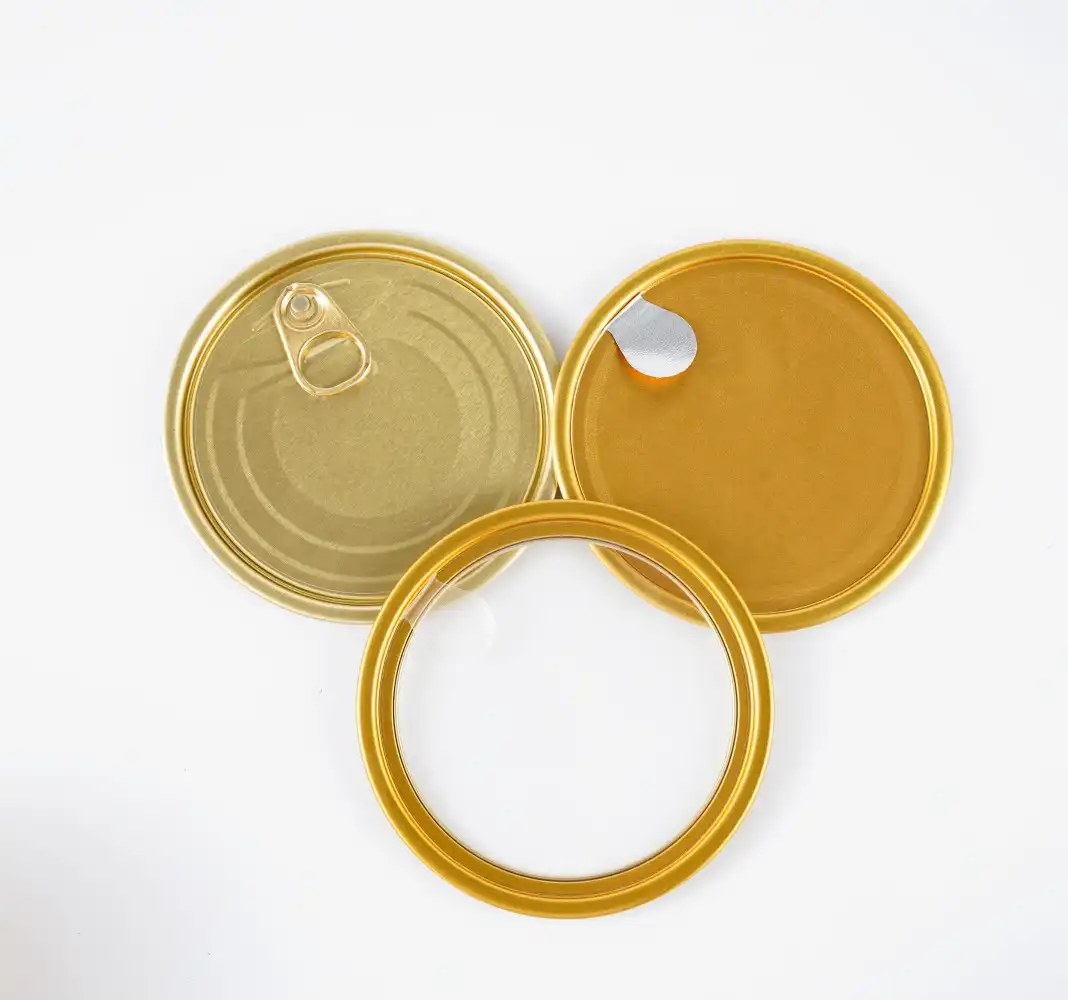
When selecting packaging for dairy products, the right closure system makes all the difference. Peel Off Lids for Food https://www.threefoodcan.com/peel-off-lids/peel-off-lids-for-fooddesigned specifically for dairy applications combine aluminum composite structures with food-grade heat-seal layers to deliver superior barrier protection against oxygen and moisture. These lids maintain product freshness while offering tamper-evident security and consumer-friendly opening mechanisms. For yogurt cups, milk powder containers, and cheese packaging, aluminum-based peel off lids provide the hermetic seal integrity required to preserve flavor profiles and nutritional content throughout extended shelf life, making them the preferred choice for quality-conscious dairy manufacturers.
Understanding Peel Off Lids for Dairy Products
These days, dairy packaging needs closures that do more than just keep the milk inside. Peel Off Lids for Food are high-tech sealing systems that were made to deal with the unique problems of preserving dairy products. The structure is usually made up of several layers: an outer layer made of PET that is good for printing and strength, a barrier made of aluminum foil (usually 30 to 50 microns thick) that stops light and gas from passing through, and an inner heat-seal coating that works with polypropylene or polyethylene container flanges.
Material Composition and Food Safety Standards
The materials that are used to make Peel Off Lids for Food have to meet strict government standards. Aluminum is used as the main material because it is a very good barrier material—it keeps air out at rates below 0.005 cc/100 in²/24 hours. This level of efficiency keeps delicate dairy fats and proteins from breaking down due to oxidation. The inner coating systems use plain lacquer formulations that have been certified by ISO 9001. This makes sure that no harmful substances get into the yogurt, cream, or milk powder. When dairy companies use these lids, they get compliance documentation that makes audits and regulatory approvals easier in many markets.
Sealing Technology and Freshness Preservation
The technology behind heat-sealing is the basis of good dairy packaging. The special coating melts and binds molecularly with the container rim when Peel Off Lids for Food are put on containers using induction closing or direct heat. This makes an airtight seal that can handle changes in internal pressure when temperatures change in cold chain processes. This peel force, which is measured between 8N and 14N, makes sure that the seal stays intact while it's being shipped and opens easily for customers. This balance is especially helpful for older people and kids who want to use single-serve yogurt or pudding cups.
Critical Factors When Choosing Peel Off Lids for Dairy Products
When buying closing systems, you need to carefully consider a lot of technical and practical factors. Peel Off Lids for Food work best in dairy applications when the lid's specs are exactly right for the product and how it needs to be processed.
Barrier Performance and Shelf Life Extension
Oxygen and water are the main things that can ruin the quality of dairy products. Premium Peel Off Lids for Food use continuous layers of aluminum foil that act as almost impenetrable barriers, which increases the shelf life from weeks to months. Residual oxygen levels drop below 2% when nitrogen cleaning comes before closing. This makes it much harder for microbes to grow and for lipids to oxidize. This technology lets some dairy mixes and shelf-stable sweets be stored at room temperature. Water vapor transfer rates below 0.05 g/100 in²/24 hrs stop moisture from getting in, which would change the taste of foods like cottage cheese and mascarpone.
Tamper Evidence and Consumer Trust
To protect a brand, there must be clear proof that the package is whole. With tamper-evident features built into Peel Off Lids for Food, you can see right away that the containers haven't been opened since they were made. The structure of the membrane clearly changes when it is tried to be removed and then put back on, which is an important safety feature in retail settings. Dairy brands say that this obvious security feature cuts down on customer complaints and returns while also making the brand's image stronger. The clean-peel feature gets rid of any sharp edges, which reduces the risk of injury and makes the user experience better.
Compatibility with Processing Equipment
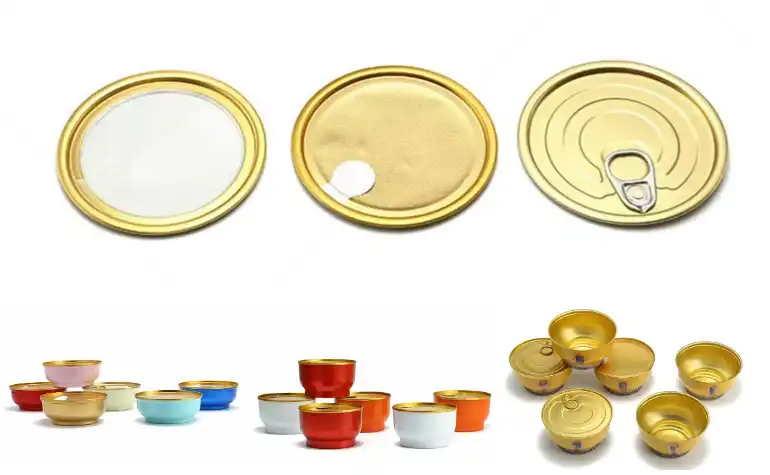
The production infrastructure that is already in place affects the choice of lid. Peel Off Lids for Food from companies like Three are made to work with standard filling lines that use standard closing heads. The aluminum ring part comes in 211#, 300#, 307#, and 401# sizes, with diameters of 65.4mm, 72.9mm, 83.3mm, and 99mm, respectively. It fits double-seaming equipment with little modification. This compatibility cuts down on capital costs and speeds up the time it takes to implement. Dairy companies like being able to switch between product lines without having to do a lot of work. This lets them keep their output efficient even when seasonal demand changes.
Types of Peel Off Lids Suitable for Dairy Products
Sealing options for dairy products need to be customized for each use. Knowing the different kinds of Peel Off Lids for Food that are out there helps buying teams choose the best set-up for each type of product.
Standard Aluminum Composite Lids
Standard Peel Off Lids for Food with plain lacquer coatings in golden or gray finishes are used for general-purpose food packing. When used on yogurt, sour cream, and desserts that need to be kept cold, these lids work reliably. The round shape works with a variety of circular containers, from single-serve cups to family-size tubs. When making a lot of the same thing, manufacturers like how cost-effective these standard configurations are. The metal base keeps the seal strong during distribution in cold environments, and the top coating can be printed with basic information.
High-Barrier Lids for Extended Shelf Life
Better Peel Off Lids for Food specifications are good for products that need to be stored at room temperature or go through longer distribution rounds. These versions have better adhesive systems and thicker aluminum foil (up to 50 microns). The bonds stay strong even after being heated. These high-performance seals are essential for dairy goods that can be stored for a long time, like sterilized milk puddings and long-life cream. The structure of the material can survive being heated in an autoclave at 121°C without delaminating or losing its barrier qualities. This means that it can be stored on a shelf for 12 to 18 months.
Custom Printed and Branded Lids
Differentiating in the market is what drives the demand for unique Peel Off Lids for Food with full-color images, nutrition panels, and advertising messages. High-resolution gravure or flexographic printing works great on the flat membrane surface. Dairy brands use this space to talk about the benefits of their products, their commitments to sustainability, and how to use their products. Premium organic yogurt makers really like being able to put certification logos and origin stories right on the lid surface. This makes the product look better on the shelf and helps them justify charging more.
Procurement Considerations for B2B Buyers
To find the best Peel Off Lids for Food, you need to compare suppliers based on operational, financial, and quality standards. When making dairy products, companies have to find a balance between cost and performance guarantee and supply chain dependability.
Supplier Qualification and Certification
As part of your due research, you should check the manufacturer's qualifications. Reliable Peel Off Lids for Food suppliers keep food safety paperwork and ISO 9001 quality management certification. Three is based in the Linyi Economic and Technological Development Zone in Shandong Province and runs a 270,000-square-meter building with more than 300 employees, 65 of whom are skilled technical staff. The fact that the business bought tools from Germany, Japan, and Italy shows that it is dedicated to making the best products possible. More than 600 million cans and 2 billion easy-open covers can be made each year, which guarantees a steady supply for accounts that are growing.
Minimum Order Quantities and Lead Times
Volume needs have a big effect on buying strategy. Peel Off Lids for Food suppliers usually set minimum order amounts based on how much it costs to set up and run the materials. Three has competitive low MOQ advantages that make it easy for smaller dairy producers and private-label businesses to try out new products. Lead times are usually between 15 and 30 days, but they can be longer or shorter depending on how complicated the customization is. However, strategic buyers keep extra stock on hand in case demand goes up quickly. Giving away free samples lets you check the quality before agreeing to production runs, which lowers the risk of not meeting the specifications.
Cost Structure and Value Engineering
Peel Off Lids for Food are priced based on the cost of raw materials, the difficulty of production, and the number of orders. When you buy in bulk, you save a lot of money per unit and lock in good terms that protect you from changes in the prices of commodities. The integrated production approach used by Three, which controls everything from iron printing to lid stamping, saves money in a way that is hard for contract makers to match. Instead of just looking at the unit price, buyers should think about the total cost of ownership, which includes freight, inventory holding costs, and any quality-related losses that might happen.
Case Studies and Industry Insights
Applications in the real world show how strategically using Peel Off Lids for Food can help dairy manufacturers' businesses. These examples show how to solve problems and how market trends will affect future requirements.
Extending Refrigerated Shelf Life in Greek Yogurt
A regional dairy cooperative that made Greek yogurt had trouble with it going bad too quickly because the old lid systems didn't have enough oxygen barriers. The shelf life of food in the fridge went from 21 to 35 days after switching to aluminum-based Peel Off Lids for Food with better heat-seal coats. This improvement cut retail returns by 40% and made it possible to reach markets that weren't possible before. The tamper-evident feature also eased retailers' worries about product safety, making it easier to place in major supermarket chains.
Sustainability Initiatives in Dairy Packaging
Pressures from the environment are changing the rules for Peel Off Lids for Food. Leading dairy brands now ask their sources to show proof that their products can be recycled and lightweighting studies. Three's aluminum lids help reach goals for a circular economy because recycling aluminum only needs 5% of the energy that is needed for making it in the first place. Optimized material gauges help reduce weight, which lowers transporting pollution while keeping functions the same. In response to customer demand for eco-friendly packaging, some companies now use the fact that these seals can be recycled as a way to set their brands apart.
Innovation in Resealable Dairy Closures
New Peel Off Lids for Food designs have resealable features that let people close containers again after opening them the first time. With this feature, you can keep track of portions and keep food fresh even though packages are getting bigger. Companies that make family-sized containers of cottage cheese and sour cream say that resealable lids make people more likely to buy their products again because they can plan their meals more confidently. The technology doesn't add much to the cost, but it gives customers quantifiable value and a competitive edge.
Conclusion
When choosing the right Peel Off Lids for Food for dairy applications, you need to find a balance between barrier performance, regulatory compliance, consumer convenience, and cost effectiveness. Composite structures made of aluminum provide the hermetic closing and tamper evidence needed to keep delicate dairy products safe during transport and show in stores. Procurement strategies that work focus on qualified suppliers, material specs that match product needs, and total cost analysis instead of just unit price. As worries about sustainability grow and customers demand more convenient features, lid materials and functions will continue to change the way dairy is packaged.
FAQ
Are Peel Off Lids Safe for All Dairy Product Types?
With their plain lacquer coats and use of food-grade materials, Peel Off Lids for Food are safe for all kinds of dairy uses. The metal construction doesn't rust when acidic foods like yogurt come in contact with it, and the inert layer keeps chemicals from reacting with high-fat foods like cream and cheese spreads. ISO 9001 certification proves that safety rules are followed during production, and materials meet FDA rules for food contact substances.
How Do These Lids Compare to Screw Caps for Freshness?
Screw caps make it easy to reseal, but Peel Off Lids for Food offer better original hermetic closing that keeps oxygen out more effectively. When the interface is heat-bonded, it forms a continuous barrier that doesn't have the tiny holes that threading can make. In controlled studies, dairy products sealed with peel-off technology last longer, but screw caps work better for products that are eaten more than once. Many companies now use both technologies together, putting peel-off primary seals under threaded overcaps.
Can We Add Custom Branding to Standard Lid Sizes?
One of the best things about current Peel Off Lids for Food sellers is that they can be customized. Three provides printing services that put brands, nutrition facts, QR codes, and ad images right on the lid membranes. The flat surface can hold designs in multiple colors that help people remember brands and understand what products are about. The minimum order quantity for custom printing has gone down a lot, which means that even smaller dairy producers and private-label businesses that want to stand out in the market can now get branded lids.
Partner with Three for Premium Peel Off Lids for Food Solutions
Three has a lot to offer dairy companies that are looking for solid Peel Off Lids for Food supply partnerships. The advanced production lines in our 270,000-square-meter manufacturing complex come from German, Japanese, and Italian equipment makers. This means that the quality of all orders, from prototypes to full production, is always the same. With ISO 9001 certification, a lot of technical know-how, and an experienced research and development team, we can make metal lids in 211#, 300#, 307#, and 401# sizes that are perfect for dairy uses. Email our team at info@threefoodcan.com to get free samples and talk about how our low MOQ, competitive bulk pricing, and fast shipping can help improve your supply chain and make your products and business more appealing.
References
1. Robertson, G.L. (2021). Food Packaging: Principles and Practice, Fourth Edition. CRC Press, Taylor & Francis Group.
2. Singh, P. & Burgess, G. (2019). "Advances in Flexible Packaging Technologies for Food Applications." Journal of Food Science and Technology, 56(6), 2827-2840.
3. Marsh, K. & Bugusu, B. (2020). "Food Packaging—Roles, Materials, and Environmental Issues." Journal of Food Science, 72(3), R39-R55.
4. European Food Safety Authority (EFSA). (2022). "Scientific Opinion on Safety Evaluation of Aluminum-based Food Contact Materials." EFSA Journal, 20(4), 7245.
5. Yam, K.L. (2018). The Wiley Encyclopedia of Packaging Technology, Third Edition. John Wiley & Sons, Inc.
6. Coles, R., McDowell, D. & Kirwan, M.J. (2021). Food Packaging Technology. Blackwell Publishing Professional, Oxford.
YOU MAY LIKE